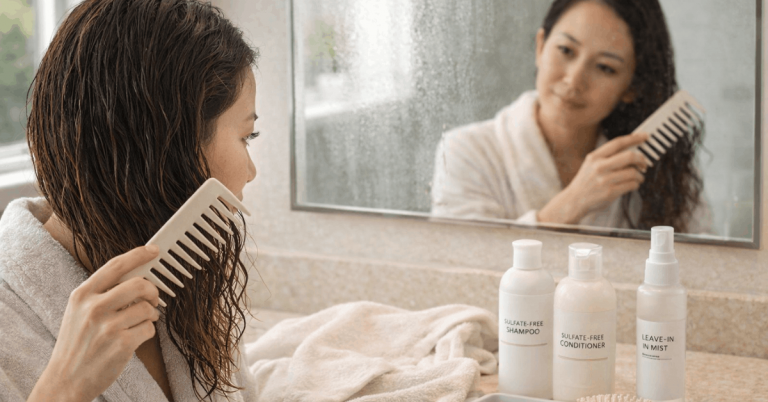
Somewhere around month three, the magic dies. That hair care routine that gave you soft, bouncy wash days starts delivering flat, coated, or frizzy results. And your first instinct is to blame the shampoo.
But I think the “your hair gets used to products” advice is one of the biggest myths in hair care right now. The problem is almost never the bottle. It is what changed around you.
A good hair care routine is a system with moving parts. Hormones shift. Seasons flip. Technique drifts. And all those tiny changes stack up until one wash day just feels off.
This piece is for the person who had results, lost them, and wants them back without buying an entirely new product shelf.
Why Hair Care Routines Plateau After a Few Months
The frustration hits a specific type of person: someone who did the research, built a routine, followed it for weeks, and saw real improvement. Then the results faded. The assumption? The products stopped working.
That assumption sends people on an expensive loop of purchasing and testing new formulas every quarter. But the variables that changed usually sit outside the bottle.
Seasonal and Environmental Shifts Hit Harder Than People Realize
Humidity swells the cuticle and turns a defined curl pattern into a frizz cloud overnight. Dry, heated indoor air during winter does the opposite, pulling moisture out until strands feel brittle and stiff.
Then there is hard water. Minerals like calcium and magnesium bind to hair over time, reduce slip, and make conditioners feel like they coat without absorbing. A routine that worked great in one city can completely fail after a move, and the culprit is often the water supply rather than the product lineup.
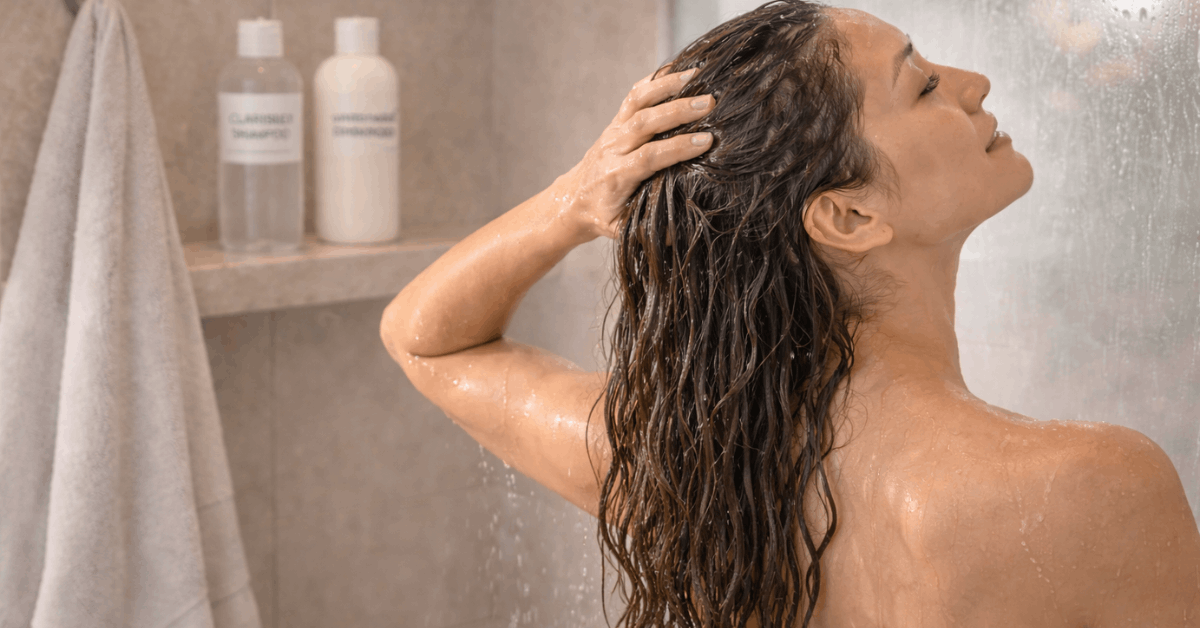
UV exposure during long summer days weakens bonds and fades color too. So a routine designed for January may genuinely underperform in July without a single product change.
Hormones, Stress, and Aging Change the Rules Quietly
Hormonal shifts alter oil production, density, and growth rate. That means cleansing frequency that worked six months ago might now leave your scalp too oily or too stripped.
Stress cycles increase shedding and change how hair behaves during wash days. And aging modifies texture and porosity gradually, so the same deep conditioner might sit on top of the strand instead of absorbing the way it did two years earlier.
I would argue that consistent sleep and nutrition do more for long-term hair health than any single product swap. That connection rarely gets mentioned in routine guides, but it matters more than the ingredient list on a $30 mask.
Habit Drift and Technique Erosion
This one is sneaky. Rushed detangling, rougher towel drying, slightly hotter blow dryer settings. None of these feel like a big deal on any single wash day. But over weeks, they stack up into breakage and split ends that make hair look and feel worse.
Product layering is another quiet problem. The combination of leave-in, cream, and gel that looked great in month one can create sticky buildup by month three if amounts creep up or application technique gets sloppy. Small lapses compound faster than people expect.
How to Diagnose the Real Problem Before Buying Anything
The urge to buy something new is strong when results drop off. Resist it. A proper diagnosis takes two wash cycles and a notebook, and it saves money that would otherwise go to products that never needed replacing.
Start a Simple Hair Journal
Track these variables across each wash day:
- Products used, amounts, and order of application
- Weather conditions and approximate humidity at your location
- How hair feels at roots, mid-lengths, and ends on wash day and day two
- Any lifestyle changes that week: travel, heavy exercise, stress, dietary shifts
Two weeks of notes will reveal patterns. Maybe the frizz spikes on humid days. Maybe the roots get oily faster during workout-heavy weeks. The fix becomes obvious once the pattern is visible.
Also read: Best Hair Care Tips for All Hair Types
Test Porosity and Scalp Condition
A quick porosity test using a clean strand in water gives a rough sense of how fast hair absorbs moisture. High-porosity hair needs heavier sealants. Low-porosity hair gets weighed down by heavy creams and oils.
Scalp condition matters just as much. Flakes can signal dryness, product residue, or both, and the treatment for each is completely different. A scalp that feels tight after shampooing needs a gentler cleanser. A scalp that feels greasy at day two needs more frequent washing or a lighter conditioner application near the roots.
Reset Your Hair Care Routine Step by Step
Clear structure makes the reset repeatable. The goal is to isolate variables so each step reveals what works and what needs adjusting.
Clarify first. A chelating or clarifying shampoo removes hard water mineral buildup and product film. Space this step every two to four weeks unless heavy swimming or very hard water shortens that interval. The American Academy of Dermatology recommends adjusting wash frequency based on hair type and activity level, which applies to clarifying schedules too.
Rebalance moisture next. Choose a water-based conditioner that detangles without heavy oils. Add a light leave-in to improve slip and flexibility, then seal lightly on the last third of hair if ends still feel rough.
Rotate protein carefully. Protein fills weak spots in the cuticle and improves elasticity, but too much makes hair stiff and snap-prone. I think the common advice to “do a protein treatment every two weeks” is too aggressive for people whose hair breaks during detangling. A light protein mask once a month, followed by watching how the next two washes behave, gives more control.
Simplify styling layers. Pair one leave-in with one styler for two full wash cycles to isolate effects. Stacking multiple anti-frizz serums that duplicate silicone content is a common mistake that creates buildup without extra benefit.
Tools and Heat Settings to Lock In
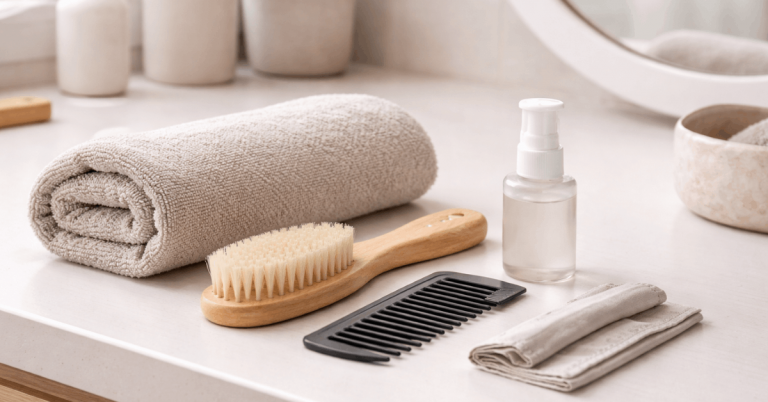
Lower dryer heat, add a diffuser or concentrator nozzle, and keep airflow moving rather than parked on one section. Microfiber towels or old cotton T-shirts reduce friction compared to terry cloth. These small hardware changes often fix breakage faster than a product switch ever could.
Water-Based vs. Oil-Based Products: The Gap Nobody Explains
Almost every “how to moisturize hair” article treats oils like the hero. But hydration comes from water and water-loving ingredients, not oils alone. Oils slow moisture loss after hydration. They cannot hydrate by themselves.
If hair drinks leave-ins and still feels parched minutes later, the base routine likely needs more water-based layers and fewer heavy occlusives blocking absorption.
This is the single most common mismatch I see in routines that “used to work”: the person gradually added heavier products thinking more moisture meant more oil.
| Symptom on Wash Day | Likely Cause | Fast First Fix |
|---|---|---|
| Hair feels coated, resists water | Residue or hard water minerals | Clarify once, then deep condition |
| Frizz spikes as hair dries | Humidity or poor moisture seal | Add light gel, reduce heavy creams |
| Stretchy, mushy breakage | Moisture overload | Rotate in a light protein mask |
| Stiff, squeaky strands | Excess protein | Pause protein, increase water-based hydration |
| Roots oily, ends dry | Scalp imbalance and product layering | Shorter wash cadence, lighter leave-in at roots |
The pattern in this table tells a story: most wash day complaints trace back to protein-moisture balance or product residue, not the wrong brand.
Adjusting Your Routine for Workouts, Travel, and Protective Styles
A routine built for a quiet week at home falls apart the moment life gets busy. Small adjustments to wash cadence and product weight prevent the need for a full reset.
Exercise and Sweat Management
Frequent workouts deposit salt on the scalp and along hairlines. A quick rinse or co-wash midweek restores comfort without stripping the rest of the strand. Looser headbands reduce friction. Satin or silk liners inside hats and helmets protect edges.
Protective Styles Still Need Scalp Care
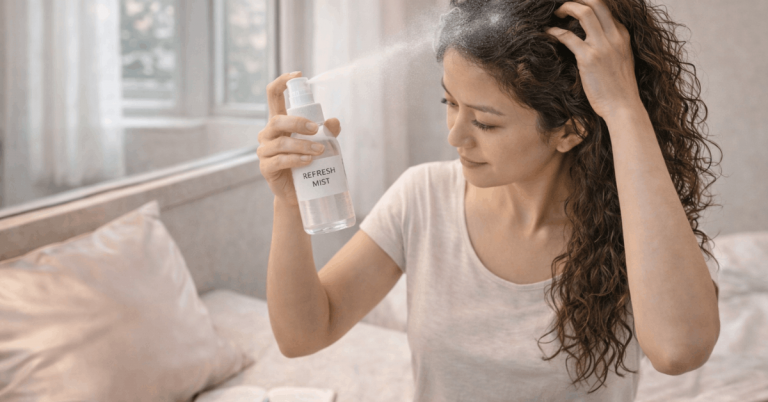
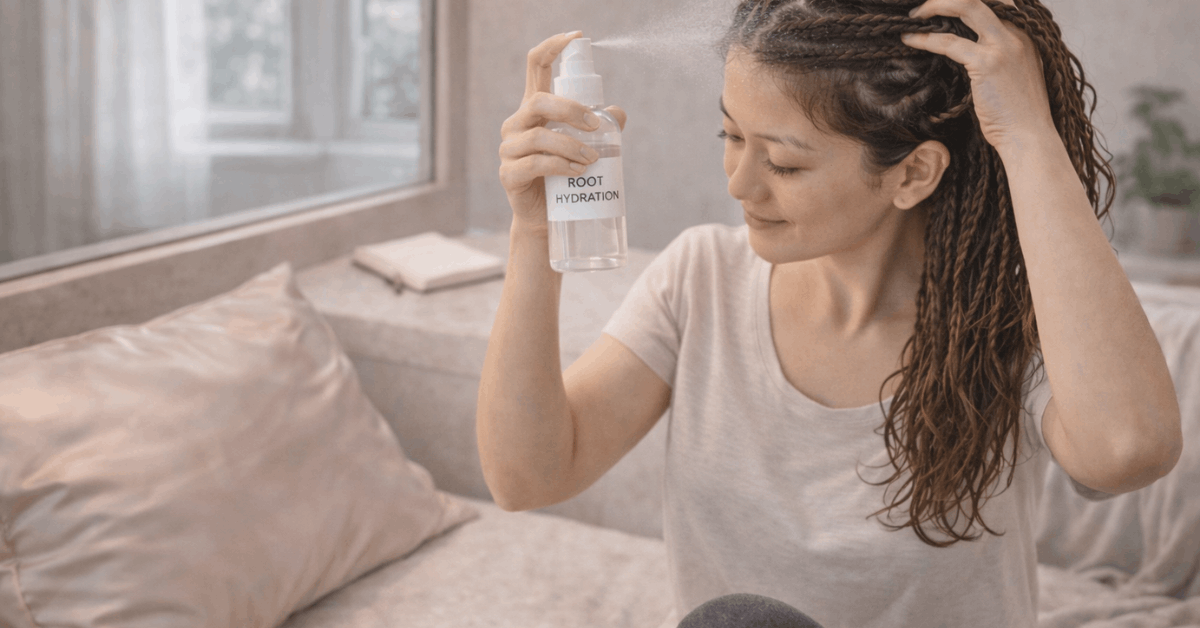
Long-wear protective styles safeguard ends, but they still require gentle scalp cleansing between installs. Lightweight leave-in mists that do not disturb the style keep things hydrated. And sticking to a realistic removal schedule prevents matting at takedown, which causes more damage than the style prevented.
Travel and Water Changes
Different cities mean different water chemistry and humidity levels. A carry-on kit with a travel-size clarifying shampoo, a dependable leave-in, and one familiar styler handles surprises. Adjusting drying time and gel amount usually covers climate differences without a product overhaul.
When to See a Stylist Instead of Troubleshooting Alone
A trained stylist spots shifts in density, scalp flaking patterns, and cuticle wear that are hard to evaluate alone. Bond-building treatments help when lightening or frequent heat has weakened tensile strength. Trim schedules based on actual growth rate prevent split ends from traveling up the shaft.
Consultation notes belong in the same journal as products and weather data. According to the Cleveland Clinic’s guide to hair care, regular trims every six to eight weeks and professional scalp assessments can prevent long-term damage that home routines cannot reverse.
Questions People Ask About Hair Care Routines
Q: Can hair really get “used to” a product?
Hair does not build tolerance the way skin can with active ingredients. What changes is your hair’s condition, the season, or the amount of buildup. Swap the approach, not the entire product shelf.
Q: How often should I clarify my hair?
Every two to four weeks works for people using styling products regularly. Swimmers or those on very hard water may need it more often. Always follow clarifying with a nourishing conditioner to restore slip.
Q: Does water quality affect hair care routine results?
Absolutely. Hard water deposits minerals that block conditioner absorption and reduce shine over time. A chelating shampoo or a shower filter can make a noticeable difference within two wash cycles.
Q: What is the protein-moisture balance and how do I find it?
Protein fills weak points in hair. Moisture keeps it flexible. Too much of either causes breakage. Test by skipping protein for two weeks, then reintroducing a light protein treatment once. If hair feels stronger and bouncier, that is your cue to keep the rotation light.
Q: Should I change my entire routine each season?
No. Adjust frequency, amounts, and one or two products at a time. Changing everything at once makes it impossible to tell what worked. Seasonal shifts usually call for lighter or heavier sealants and a tweak to wash cadence.
Conclusion
Hair care routines fail when the system around them shifts, not because products expire on performance. A simple journal, regular clarifying, and small seasonal tweaks keep results steady across months.
The expensive part is never the fix. It is the unnecessary product graveyard that builds up when people skip the diagnosis step first.