Somewhere around the fourth flat iron, it hits. The drawer is overflowing, the results still look nothing like the salon, and the next Instagram ad is already whispering about a new tool that will fix everything.
That cycle has a name, and it costs real money. The problem is rarely the tool. It is almost always the match between tool, hair type, and the 12 minutes of effort available on a Tuesday morning.
This guide covers the best hair tools for home use based on what works for specific hair types. No filler product roundups, no affiliate-driven “top 10” lists.
The goal is a shorter routine, less damage, and a drawer with only the tools that earn their space.
Which Hair Tools Match Which Hair Type
Grabbing whatever flat iron is on sale at Target sounds reasonable until it fries fine hair or barely dents thick curls. Hair type determines tool type, and skipping this step is the single biggest reason home styling falls flat.
The chart below breaks down what tool features match each hair type, based on plate material, motor strength, and bristle design.
Straight and Fine Hair Tools
Fine hair reacts fast to heat. That is both a benefit and a risk. Ionic hair dryers cut drying time and smooth the cuticle, so less heat exposure overall.
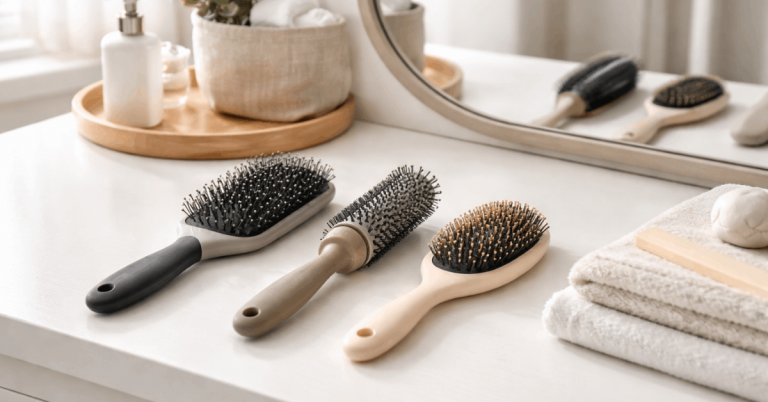
Paddle brushes with flexible bristles work better than round brushes here. They detangle without pulling or stretching fragile strands.
For flat ironing, stick with ceramic plates and temperatures under 300°F. Titanium plates run too hot for fine hair and can cause thinning at the ends over repeated use.
Thick and Coarse Hair Tools
Thick hair needs heat tools that can maintain consistent temperature across a full pass. Titanium flat iron plates distribute heat evenly and recover temperature faster between sections.
Boar bristle brushes smooth coarse strands better than synthetic alternatives. The natural bristles distribute oil from root to tip, which cuts frizz without adding product.
Larger barrel curling wands (1.25 inches or above) prevent tangling during wrapping. Smaller barrels catch and snag thick hair, which turns styling into a fight.
Curly and Textured Hair Tools
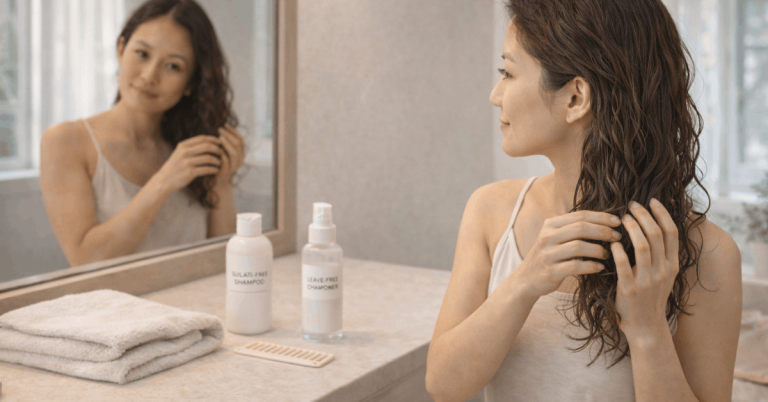
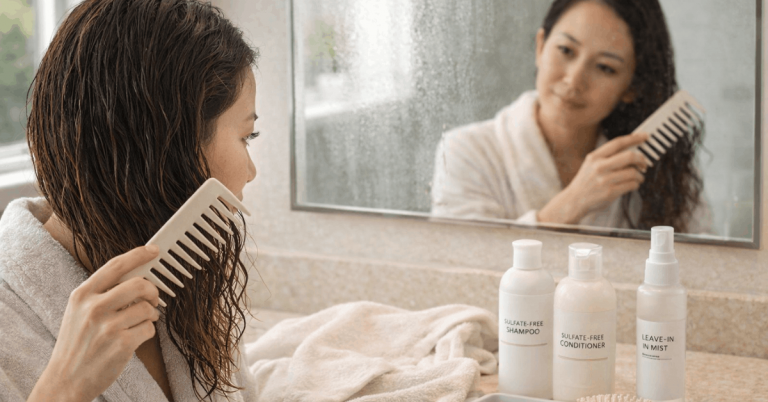
Curly hair and fine-tooth brushes are enemies. Wide-tooth combs and detangling brushes like the Wet Brush do the job without ripping through curl patterns.
A diffuser attachment on a blow dryer is non-negotiable for curly hair. It disperses airflow so curls dry evenly without blowing apart. Ceramic-coated tools help here because they reduce hot spots that cause uneven drying.
| Hair Type | Best Heat Tool | Best Brush | Avoid |
|---|---|---|---|
| Fine/Straight | Ceramic flat iron (under 300°F) | Paddle brush, flexible bristles | Titanium plates, high heat |
| Thick/Coarse | Titanium flat iron, large barrel wand | Boar bristle brush | Small barrel curlers, weak motors |
| Curly/Textured | Dryer with diffuser, ceramic tools | Wide-tooth comb, detangling brush | Fine bristles, direct airflow |
The common thread: the tool that works best is the one designed for your hair’s density and curl pattern, not the one with the sleekest packaging.
Heat Tools Worth Buying in 2026
Heat tools dominate the home styling conversation, and for good reason. A single good flat iron or dryer can replace three mediocre ones. But the word “good” does serious heavy lifting here, because it does not mean expensive.
I think the advice to “invest in professional-grade tools” is overblown, especially after comparing ceramic flat irons from Remington (around $25) and Revlon (around $35) against models priced at $180 or more. The plate technology is identical: ceramic coating, adjustable heat, auto shut-off.
The difference between a $30 Remington and a $200 tool at home comes down to technique. Sectioning the hair properly, choosing the right temperature, and controlling pass speed matter more than the brand stamped on the handle.
Hair Dryers That Save Time
Ionic and tourmaline dryers reduce drying time because they break water molecules into smaller particles. That is a real, measurable difference: faster drying means less heat exposure.
Look for a cool-shot button. It seals the cuticle after drying and locks in smoothness. Lightweight models (under 1.5 pounds) also matter more than people realize. Arm fatigue changes how you angle the dryer, which affects the final result.
Flat Irons for Daily Styling
Ceramic plates suit fine to medium hair. Titanium plates suit thick or coarse hair. That is the entire decision tree for plate material. Everything else is marketing.
One rule that saves hair: never use a flat iron on wet hair unless the product label specifically says “wet-to-dry.” Wet hair exposed to a 400°F plate creates steam inside the strand. That steam causes bubbling and irreversible breakage. Always apply heat protectant spray before any pass.
Curling Wands vs. Traditional Curling Irons
Wands produce more natural-looking curls because there is no clamp pressing a crease into the hair. Tapered barrels let you create different curl sizes with a single tool, which is a smarter buy than owning three separate irons.
A heat-resistant glove is a must, not optional. And auto shut-off is the single feature worth paying extra for, because everyone has forgotten a hot iron on the counter at least once.
No-Heat Hair Tools That Deserve Drawer Space
Heat tools get all the attention, but the tools that keep hair healthy between styling sessions are the ones that earn long-term results. These cost less and last longer.
A no-heat tool rotation gives hair recovery days without sacrificing style. And that concept of “recovery days” is something I rarely see discussed in hair tool articles. Treating hair tools like a workout schedule, where rest days are part of the plan, produces better results than daily heat exposure at any temperature.
The no-heat tools worth owning:
- Foam or velcro rollers: add volume and wave overnight without heat damage. Leave them in while sleeping or doing morning tasks. Results depend on hair type, so test with damp hair first.
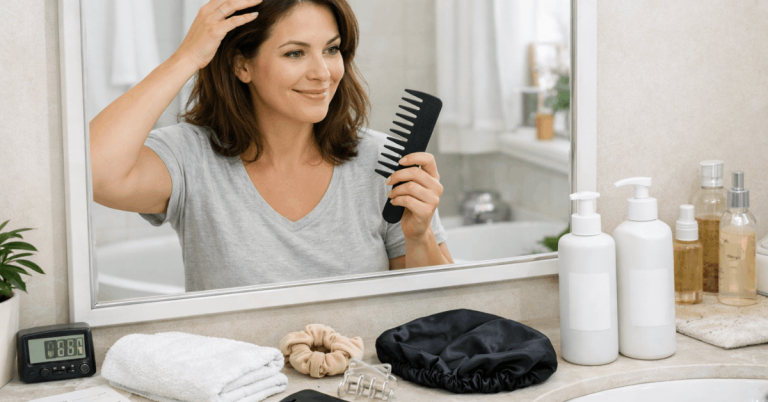
- Claw clips and sectioning clips: speed up drying by separating wet sections. They hold hair without creasing, unlike rubber bands or tight elastics.
- Silk pillowcases or satin bonnets: reduce friction overnight, which means less frizz and fewer split ends by morning. A silk pillowcase at $15 does more for daily hair health than a $50 serum.
- Scalp massagers: stimulate blood flow and help distribute shampoo or treatment products evenly. Regular use (3-4 times per week) can support healthier hair growth at the root level.
Also read: How to Reduce Frizz With Simple Habits
How to Pick Hair Tools for Your Morning Routine
The best tool is the one that fits the time available. A 45-minute styling session on Sunday morning is a different situation than a 10-minute rush on a weekday. Buying tools without considering this gap leads to the overflowing drawer problem.
Matching Tools to Available Time
Busy mornings call for multi-use tools. A hot air brush (like the Revlon One-Step) dries and styles in a single pass. It adds volume and smooths frizz at the same time, cutting a two-step routine into one.
People with longer styling windows can separate drying and styling into dedicated steps. A standalone dryer plus a flat iron or wand gives more control over the final look.
Matching Tools to Budget
A $30 ceramic flat iron with adjustable heat, a paddle brush, and a bottle of heat protectant: that is a complete home styling setup for under $50. Brands like Remington and Revlon offer reliable options at this price point.
Higher price does not always mean better performance. Check user reviews on Amazon’s hair tools section for real-world feedback on durability and heat consistency. Warranty terms also matter. A 2-year warranty on a $30 iron beats a 90-day warranty on a $150 one.
Keeping Hair Tools Clean and Working
Dirty tools cause problems that people blame on the tool itself. Product buildup on flat iron plates creates uneven heat distribution. Clogged dryer vents reduce airflow and increase drying time. A tool that “stopped working” often just needs cleaning.
Quick maintenance habits that extend tool life:
- Wipe flat iron plates with a damp cloth after every use, while still slightly warm
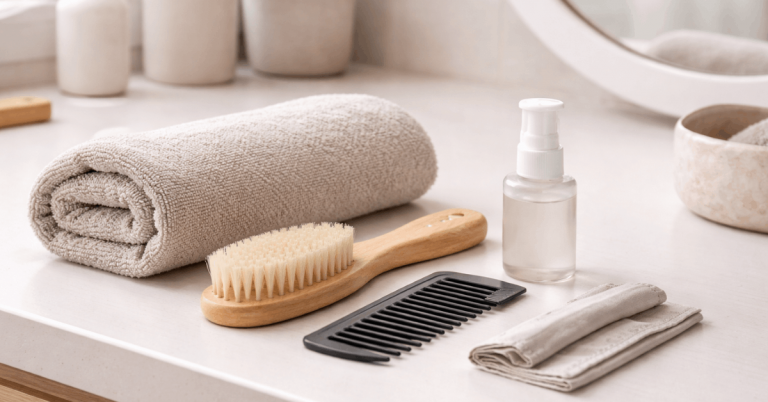
- Pull hair out of brushes weekly (a tail comb makes this easy)
- Store heat tools in a dry location, never wrapped tightly by their cords
- Clean dryer vent filters once a month to maintain full airflow
These four habits take less than five minutes per week. Skipping them shortens tool lifespan and degrades styling results gradually enough that the cause is hard to spot.
Questions People Ask About Hair Tools for Home Use
Q: How often should I replace my flat iron or curling wand?
Every 2-3 years of regular use is a reasonable timeline. The ceramic coating wears down over time, creating hot spots that damage hair unevenly. If the plates feel rough or scratchy, replacement is overdue.
Q: Are expensive hair dryers worth the price?
Dyson and similar premium dryers offer faster drying and quieter motors. But for standard home use, a $40-$60 ionic dryer from Conair or Remington handles daily drying without issues. The gap in performance narrows dramatically outside of a salon setting.
Q: Can heat protectant spray replace lower heat settings?
No. Heat protectant reduces damage, but it does not eliminate it. Think of it as a seatbelt, not a force field. Lower heat settings combined with protectant spray is the correct approach for minimizing breakage.
Q: Do I need different tools for wet and dry styling?
Yes. Wet hair stretches up to 30% more than dry hair, making it more vulnerable to breakage. Brushes designed for wet hair (like the Wet Brush) have flexible bristles that give under tension. Standard brushes and metal combs should only be used on dry or nearly dry hair.
Q: Is a hot air brush better than a separate dryer and round brush?
For speed, yes. A hot air brush cuts styling time because it combines two steps. But a separate dryer and round brush give more control over volume placement and curl direction. The trade-off is time versus precision.
Conclusion
The right hair tools for home use are the ones that match your hair type and your schedule. Expensive tools sitting unused in a drawer do nothing for your routine or your hair health.
A small, intentional setup of two or three tools beats a collection of ten impulse purchases. Start with what fits your mornings, and let technique do the rest of the work.