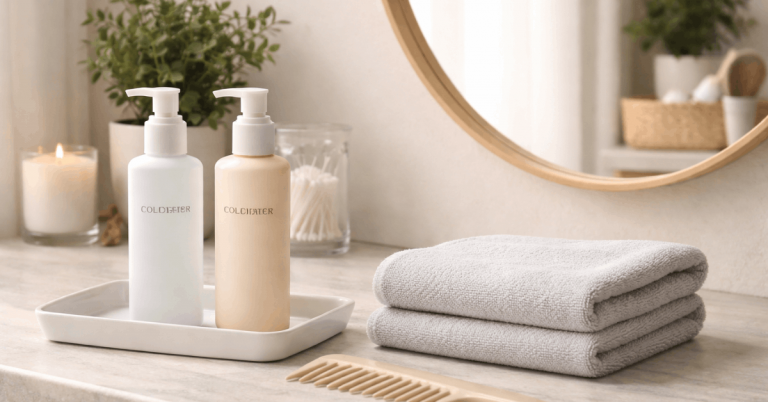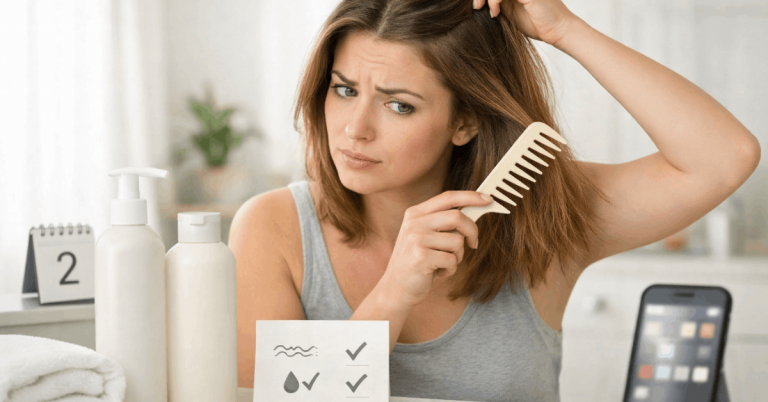
Healthy hair does not require premium bottles, weekly salon appointments, or a shelf packed with treatments. It usually benefits more from gentle washing, less friction, and habits that fit a real schedule.
This guide focuses on scalp comfort, easier detangling, careful drying, and low-cost tools that can reduce everyday wear. The aim is a repeatable routine that protects your hair without turning every wash day into a costly project.
Let Your Scalp Set the Wash Routine
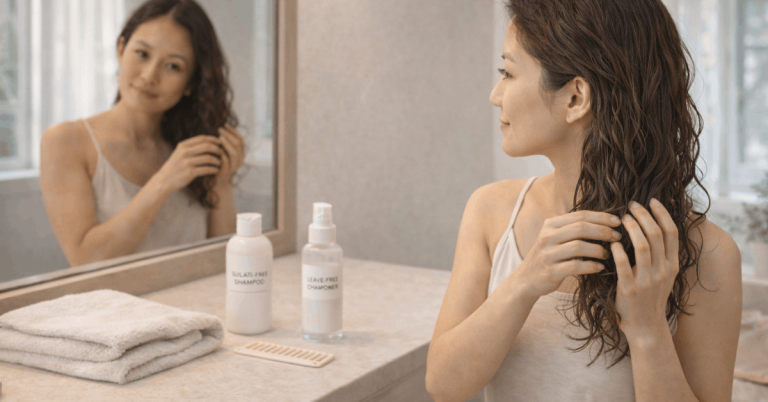
Your scalp’s oil, sweat, itch, and buildup should guide wash timing more than a fixed rule online. Notice how your roots feel and how your lengths respond before changing several products at once.
- Cleanse when needed, not by a strict calendar.
- Massage with fingertips, never with nails.
- Keep heavy products away from the roots.
Wash the Scalp, Not Every Inch of Hair
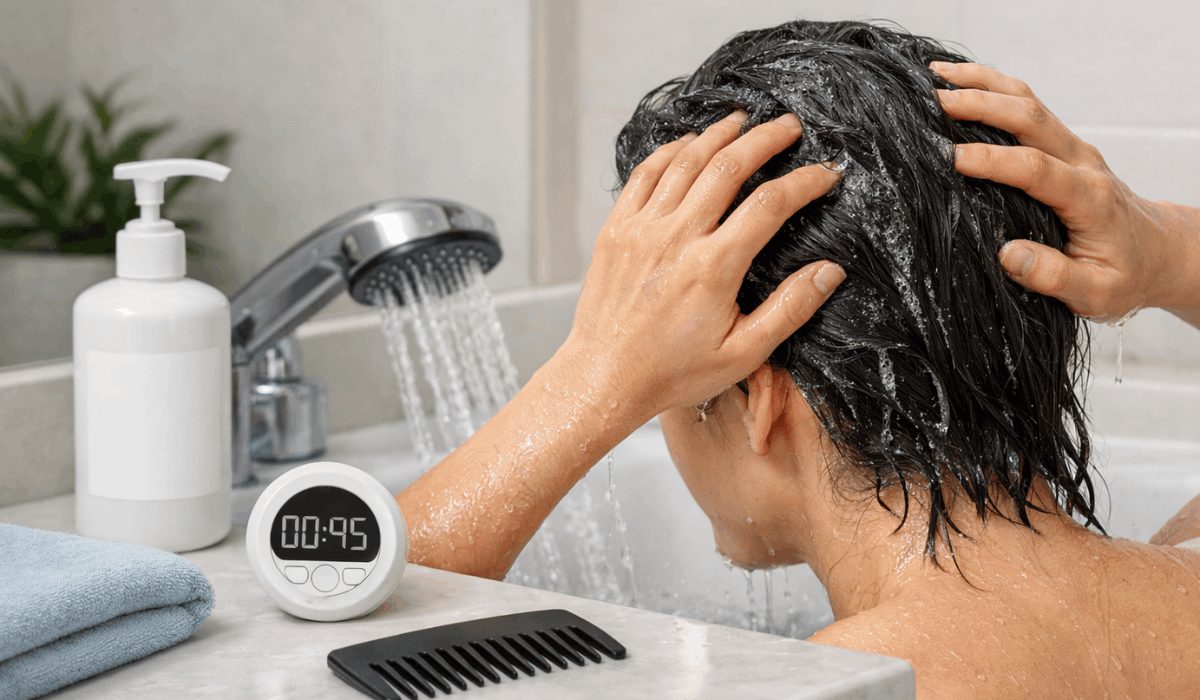
Wet hair thoroughly before shampooing so water can loosen sweat, oil, and styling residue. Apply a small amount to the scalp, massage gently for about a minute, and let the rinse carry foam through the lengths.
Fine hair may need more frequent washing, while dry curls or coils may tolerate longer gaps when the scalp feels comfortable.
This approach prevents over-cleansing while avoiding the heavy residue that can make roots limp or itchy.
Condition the Lengths for Easier Detangling
Conditioner works best from the mid-lengths to the ends, where hair rubs against clothing and tends to tangle. Use a lighter texture on fine hair and a richer one when thick, dry ends still feel rough after rinsing.
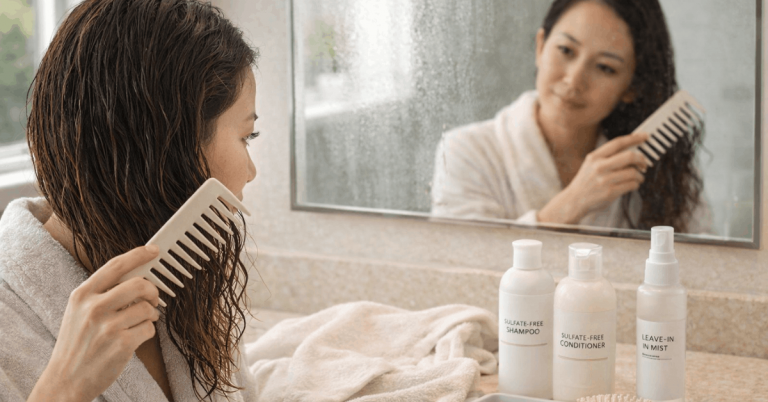
Detangle with fingers or a wide-tooth comb while the conditioner provides slip, then rinse according to how your hair feels. The point is smoother movement and less pulling, not a heavy coating that returns as buildup the next day.
Reduce Breakage With Simple Tools and Technique
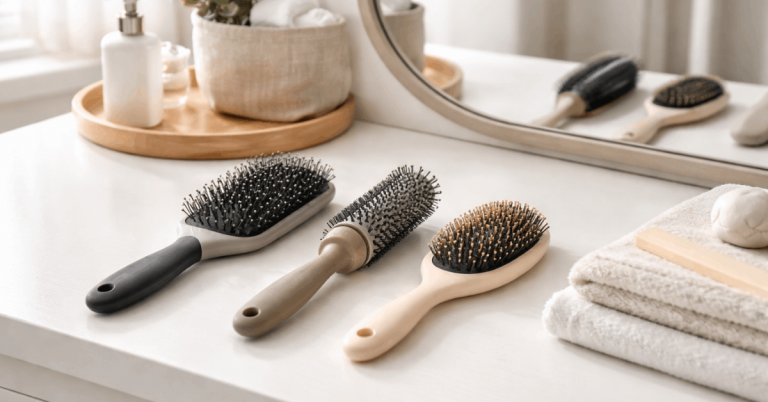
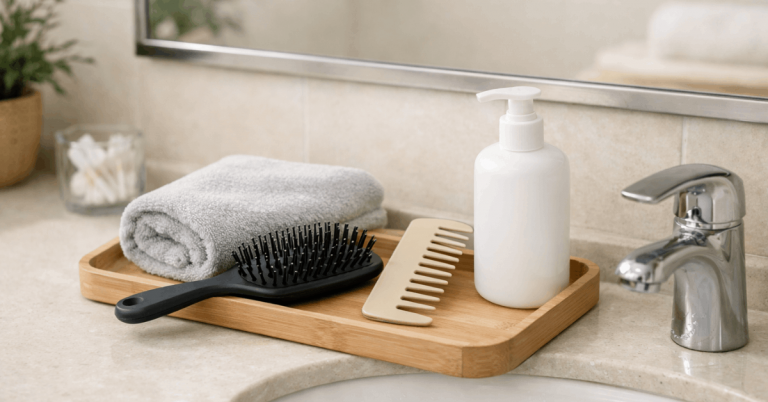
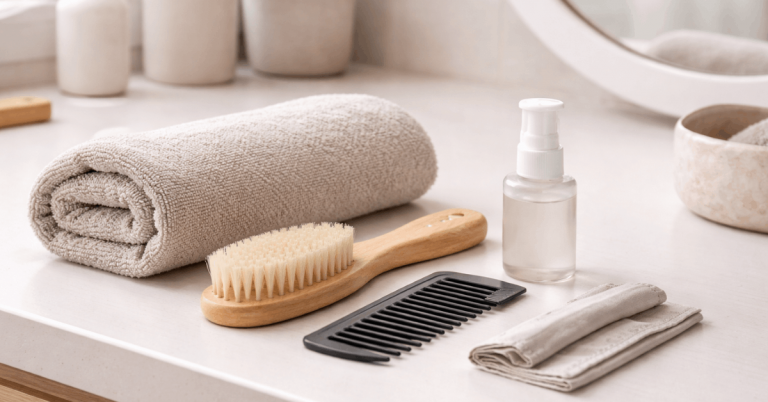
A few inexpensive tools can make daily care gentler than a collection of specialty products. Choose items that reduce tension at the ends and friction while drying, especially when you are rushed.
Also Read: Best Hair Brushes for Daily Use Explained
Detangle From the Ends in Small Sections
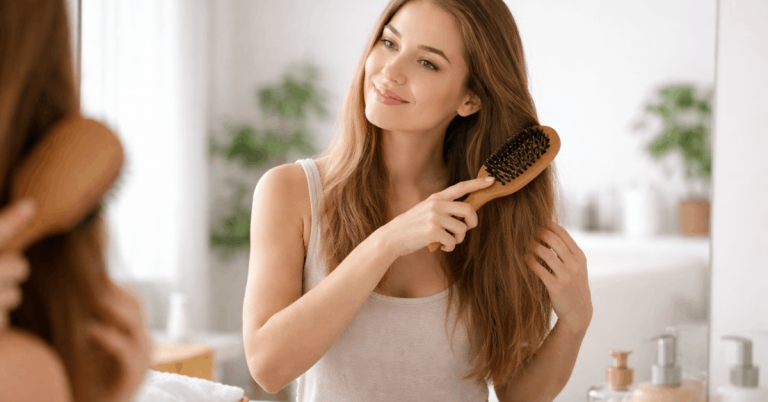
Start at the ends, hold hair above a knot, and use short strokes before moving upward. A wide-tooth comb may be enough for many textures, while a flexible brush can suit straighter or loosely wavy hair.
Stop when resistance builds and loosen the knot with fingers instead of forcing the tool through. This protects fragile lengths and sensitive roots without relying on a costly “repair” formula.
Dry Hair Without Rough Rubbing
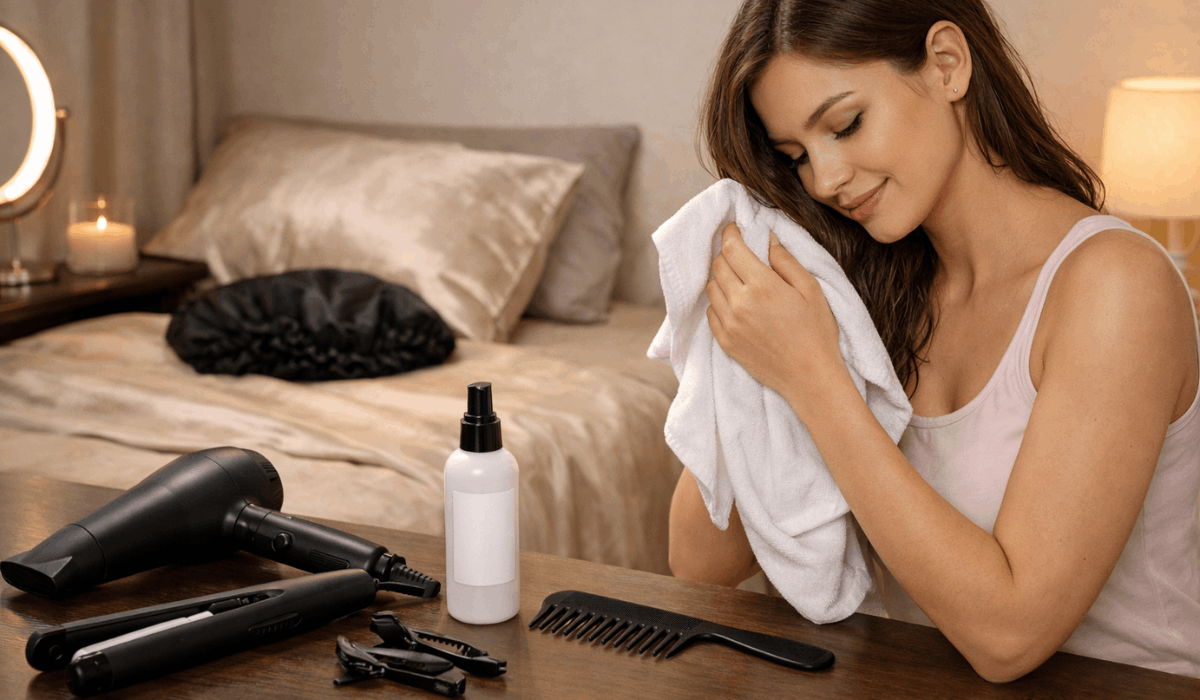
Press water out with a microfiber towel or clean cotton T-shirt instead of rubbing hair back and forth. Let it air-dry partway when practical, then keep dryer airflow moving rather than concentrating high heat on one place.
A loose claw clip, fabric scrunchie, or soft wrap can keep hair contained without pulling while it dries. These habits reduce wet-hair stretching and surface roughness before you add styling products or hot tools.
Keep Heat and Daily Styling Under Control
Heat is not automatically harmful, but repeated high temperatures and tight styles can make ends stiff over time. Use it with lower settings and fewer passes so you do not turn quick styling into daily damage.
Make One Pass Count
Apply heat protectant before a dryer, flat iron, curling wand, or heated brush, and make sure hair is dry before direct heat. Start at the lowest setting that gives a workable result and use sections that match the width of the tool.
A slow, steady pass is usually kinder than several fast passes over the same area. This limits heat exposure and helps prevent dry-looking ends from becoming your normal finish.
Change Tension Before It Becomes Breakage
Tight ponytails, sharp elastics, and repeating the same bun can pull at the crown, temples, and hairline. Rotate lower styles, choose fabric-covered ties, and loosen anything that causes soreness or a headache.
Do not treat discomfort as normal simply because a style looks neat or stays in place. Reducing repeated tension protects vulnerable edges while still allowing practical styles for work, exercise, or warm weather.
Protect Hair After Your Routine Ends
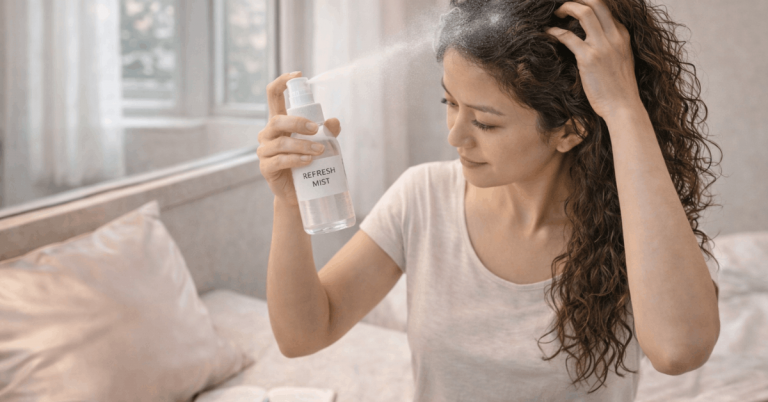
Hair still faces friction, sweat, wind, sunlight, salt, and chlorine after you finish getting ready. A few small habits can lower daily stress and make extra washing less necessary.
Prepare for Sleep and Busy Mornings
Detangle gently before bed, then use a loose braid, soft wrap, or low-tension style if your hair tangles overnight.
A Kitsch Satin Sleep Scrunchies set is one brand option for people who want a gentler bedtime tie, but a clean pillowcase and simple routine matter most.
Avoid sleeping with soaking wet hair, since damp strands can knot and feel rougher in the morning. After workouts, swimming, or long sun and wind exposure, rinse hair when possible to limit residue and overnight friction.
Spend Less by Keeping the Routine Clear
More bottles do not fix damage caused by rough tools, high heat, or old product buildup. Keep purchases tied to a real need and a specific routine gap, not a promise from social media.
Know When a Hair Problem Needs Professional Advice
A simple routine cannot diagnose persistent scalp pain, patchy hair loss, sudden shedding, thick scaling, or a rash that spreads.
Keep notes about symptoms, new products, illness, stress, and chemical treatments before seeing a clinician or dermatologist.
Early guidance may be more useful than repeated trial-and-error purchases. It can protect your time and budget while giving ongoing scalp changes proper attention.
Build the Budget Routine You Can Repeat
Start with two changes that feel realistic for your schedule, such as rinsing longer, cleaning brushes, and detangling from the ends.
Keep the routine steady for a few weeks, then observe scalp comfort, tangle resistance, and how your ends feel after busy, ordinary days at home.
Add a product or tool only when it solves a clear problem you cannot address through technique alone. With simple basics, less force, and regular attention, healthier-looking hair can remain within reach without expensive products.