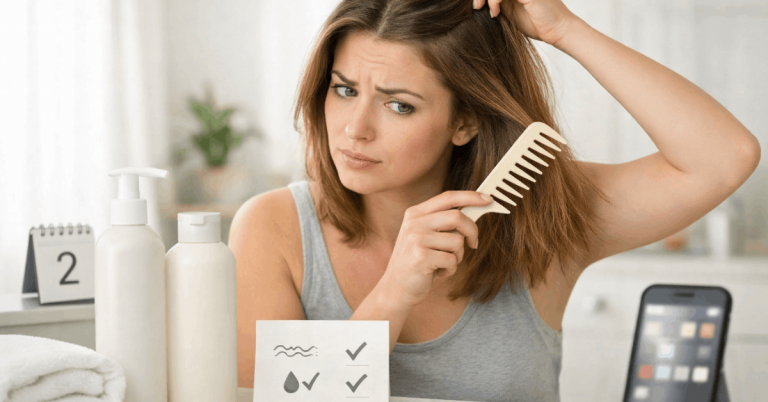
Frizzy hair gets blamed on weather, genetics, or the wrong shampoo. But the real trigger sits on a chemistry scale nobody checks at home: pH.
Every product and habit either flattens your cuticle or rips it open. The moment that outer shingle layer lifts, humidity rushes in and strands puff out.
Learning to reduce frizz starts with understanding this single mechanic. Once it clicks, the product graveyard under your bathroom sink starts to make sense.
And the fix costs less than a single salon blowout. A few daily tweaks beat a cabinet full of serums almost every time.
Why Hair Gets Frizzy and Why Humidity Is Only Half the Story
Frizz articles love to blame humidity like it’s the villain. That’s an incomplete picture. Humidity triggers frizz, but only when the cuticle is already compromised.
Healthy hair sits at a mildly acidic pH of roughly 4.5 to 5.5. At that range, the cuticle layer stays compact and aligned like roof shingles after a clean install. Light bounces off evenly. Strands slide past each other without tangling.
The trouble starts when something pushes hair toward the alkaline side. Harsh cleansers containing sodium lauryl sulfate, high-hold alcohol gels, and daily flat ironing all do this. The cuticle lifts. Airborne moisture floods in. Strands swell unevenly and separate from their neighbors.
That’s the halo frizz look. And no amount of anti-frizz spray fixes a cuticle that’s already been chemically wrenched open.
The Cuticle Lift Cycle Nobody Mentions
Think of it as a feedback loop. Raised cuticles scatter light, reduce slip between strands, and increase tangling. Tangling leads to rougher handling during detangling. Rougher handling lifts the cuticle more.
This cycle repeats across weeks, and every wash with an alkaline shampoo resets the damage clock. Breaking the loop requires shifting the entire routine toward acidic care, cooler water temperatures, and gentler handling at every step.

Daily Habits That Reduce Frizz Without Extra Products
Small daily choices either protect the cuticle or sandpaper it. The difference between smooth hair and frizzy hair often comes down to a few boring habits repeated across weeks.
Wash Less, Condition More
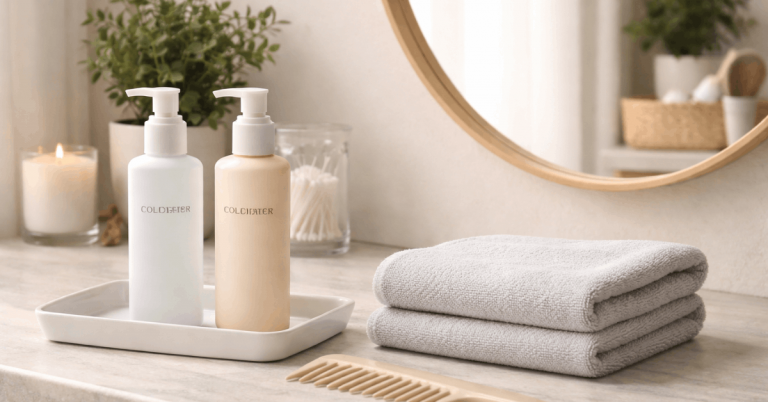
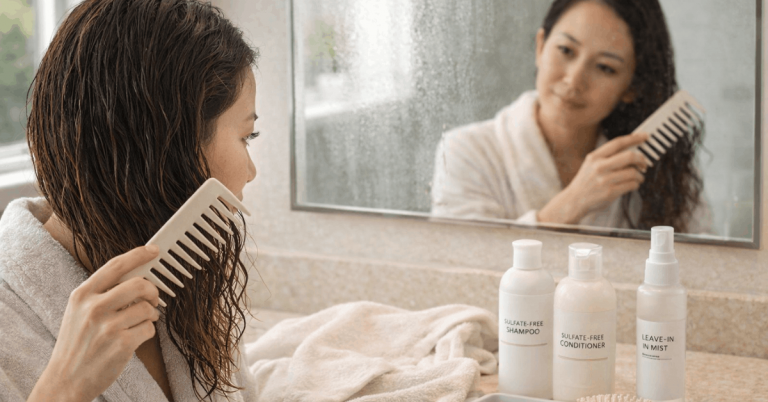
Switching to a sulfate-free shampoo and spacing washes to every two or three days preserves the natural oils that help the cuticle stay sealed. Condition every wash from mid-lengths to ends, but skip the roots to avoid heaviness and buildup.
I would recommend starting with sulfate-free formulas over simply reducing wash frequency alone, because the surfactant type matters more than the wash schedule when the cuticle is already damaged.
Ditch the Terry Cloth Towel
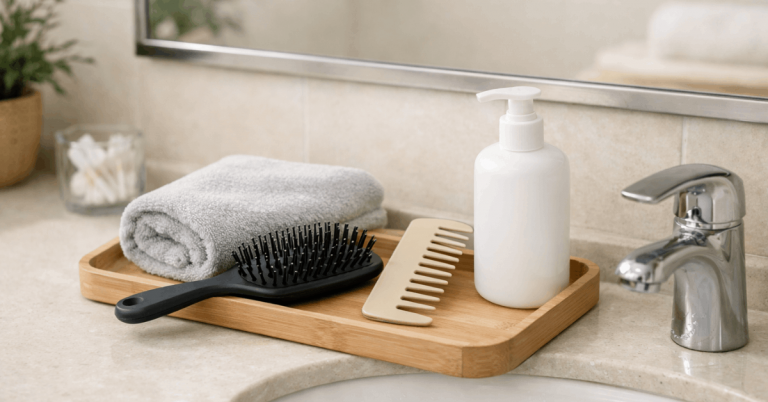
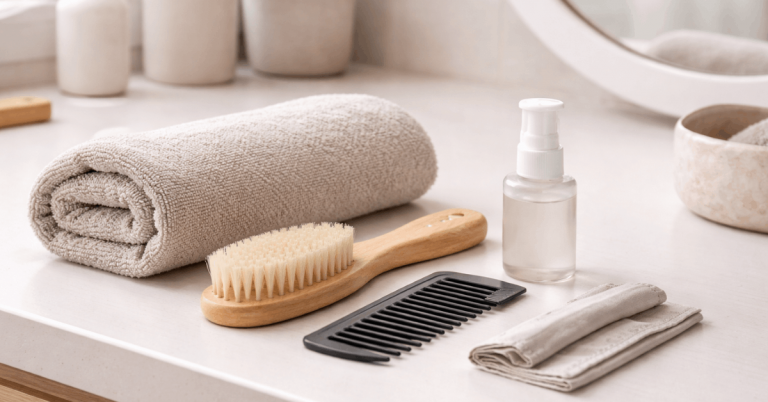
Rough towel friction creates micro-lifts along the cuticle that feed halo frizz later in the day. Blot with a microfiber towel or a soft cotton T-shirt instead of rubbing. Then detangle with a wide-tooth comb starting at the ends and working up.
That two-minute habit change costs nothing and cuts down on breakage-driven flyaways faster than any serum.
Rinse Cooler Than Comfortable
Lower water temperatures help the cuticle lie flatter after shampooing. A quick cool shot after blow-drying seals the shape without extra product. This step alone makes a noticeable difference in how hair behaves during humid afternoons.
Sleep on a Smooth Pillowcase
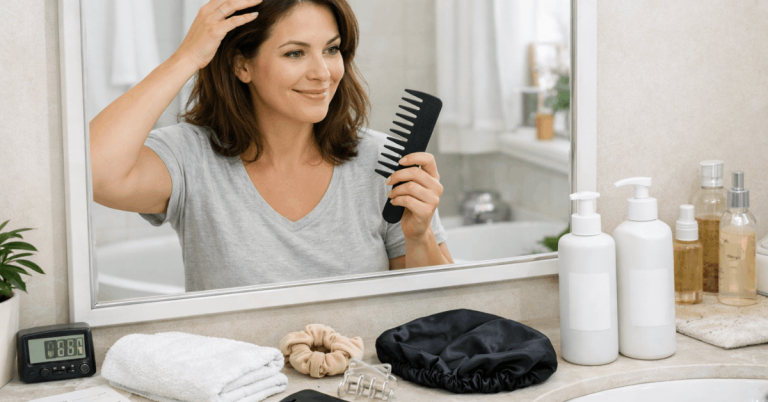
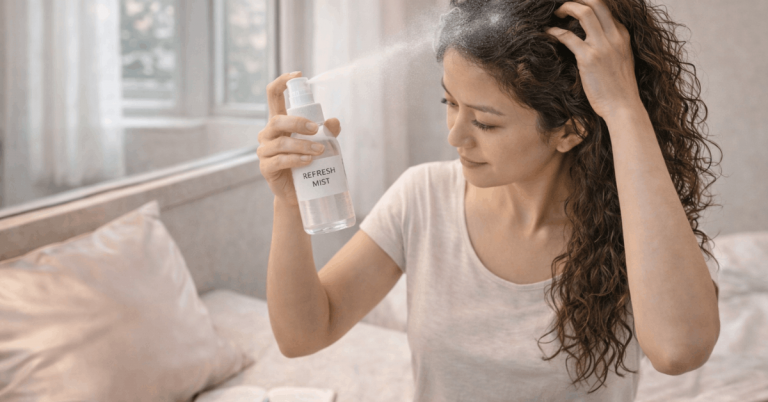
Cotton pillowcases pull moisture from hair and create friction while you toss at night. A satin or silk pillowcase paired with a loose braid or pineapple hold limits overnight roughness. Refresh in the morning using a light mist and a pea-size leave-in rather than a full rewash.
Home Remedies for Frizzy Hair That Have Some Science Behind Them
Kitchen-cabinet ingredients can support conditioning when used correctly. But expectations should stay grounded: patch test everything, cleanse fully afterward, and stop any remedy that causes irritation.
Apple Cider Vinegar Rinse for Frizz
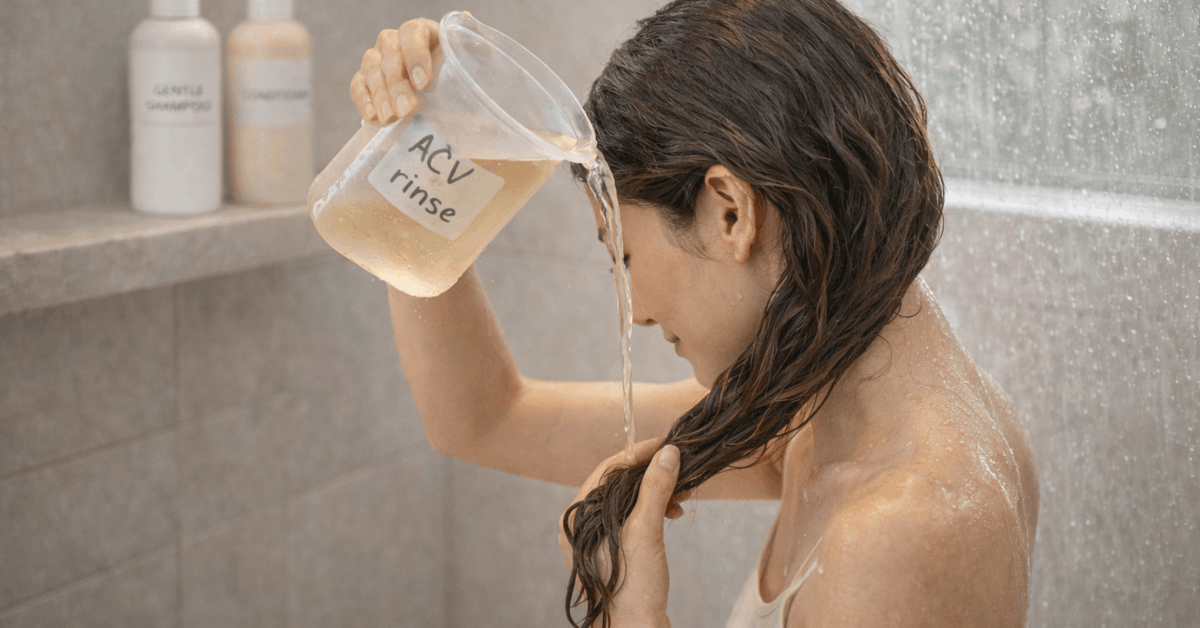
Healthy cuticles prefer mildly acidic environments, and apple cider vinegar provides gentle acidity that can help smooth frayed scales. Mix one-third cup into one quart of warm water, saturate clean hair, wait one to three minutes, then rinse with cool water.
Use this rinse once or twice weekly. Discontinue if dryness or irritation shows up. Air-dry or diffuse on low to medium heat afterward.
Coconut Oil Hair Mask
Coconut oil contains lauric acid, which penetrates the hair shaft more readily than other oils and can reduce protein loss during washing. Warm a small amount between palms, apply through mid-lengths and ends, and leave on for fifteen to thirty minutes.
Shampoo thoroughly until hair feels clean and light. Heavy residue weighs curls flat and can create the very texture problems you’re trying to solve.
Argan Oil as a Finishing Step
A few drops of argan oil on damp hair supplies fatty acids and vitamin E that support softness and shine. The trick is restraint: mid-lengths and ends only, distributed with fingers or a wide-tooth comb. Roots get greasy fast if you over-apply.
Between wash days, argan oil can control halo fuzz without resorting to heavy gels or crunchy sprays.
Anti-Frizz Products Compared: Serums vs. Leave-Ins vs. Masks
Product selection can make or break a smoothing routine, so knowing what each category does helps avoid wasting money on the wrong formula. Ingredient lists vary wildly, so start with trial sizes until performance proves consistent across several humid days.
| Product Type | What It Does | Best For | Watch Out For |
|---|---|---|---|
| Hair Serum | Coats strands, reduces friction, buffers humidity | Fine to medium hair needing shine and slip | Silicone buildup if not clarified regularly |
| Leave-In Conditioner | Adds slip and humidity resistance without rinsing | All textures needing daily manageability | Excess mutes volume and attracts lint |
| Weekly Hair Mask | Concentrated conditioning that fills surface roughness | Dry or damaged hair needing recovery | Buildup dulls shine and flattens curls if overused |
The takeaway: serums handle the daily surface fight, leave-ins add the moisture layer, and masks work best as a once-a-week reset rather than a daily habit.
Why I Think Weekly Hair Masks Cause More Frizz Than They Fix
I disagree with the standard advice to do a deep conditioning mask every single week. I think over-masking creates buildup on the cuticle that leads to uneven texture, based on the fact that excess product dulls shine and reduces bounce until a clarifying wash strips it all off.
The popular recommendation assumes that more moisture always equals less frizz. But frizz also comes from strands that can’t move freely because they’re coated in product residue. A buildup-heavy strand absorbs humidity differently than a clean one. That inconsistency across your head is what creates the uneven puff.
Try masking every other week instead. Clarify once a month. See if your hair moves better.
Picking the Right Serum Without Overspending
A pea-size amount of silicone-based or lightweight polymer serum on damp hair often handles shoulder-length textures. Products like John Frieda Frizz Ease Extra Strength serum show how a small dose creates glide without stiffness. Adjust quantity for thicker or longer hair.
For humid seasons, combine a serum finish with protective styles and hats. Physical barriers block damp air better than chemistry alone.
Heat Styling and Frizz: How to Protect Hair From Heat Damage
Heated tools weaken keratin bonds gradually. Every pass of a flat iron at 450°F accelerates the cuticle damage that causes frizz to return faster after each styling session.
Set blow-dryers and irons to the lowest temperature that still shapes your style, then move steadily rather than parking in one spot. Heat protectant sprays reduce surface temperature and extend the time between trims.
Air-drying whenever possible, then finishing with a brief cool blast to seal the shape, cuts heat exposure dramatically. The cool shot step takes five seconds and locks the cuticle flat.
Exercise, Swimming, and Frizz Protection
Active routines challenge smooth styles through sweat, friction, and frequent washing that removes helpful oils. During workouts, a soft headband or loose braid reduces rubbing. Cool and air-dry roots before restyling.
Swimming introduces chlorine or salt that raises frizz aggressively. Pre-wet hair, apply a small conditioner layer, and wear a cap when possible. Clarify gently after pool sessions, then add leave-in to restore slip.
Long-Term Frizz Control: Trims, Scalp Health, and Ingredients to Avoid
Masking once weekly (or every other week, per my earlier recommendation) maintains softness, but the real long-term play involves mechanical maintenance and ingredient awareness.
Trims every eight to twelve weeks remove split ends that otherwise travel upward along the shaft and increase flyaways. Balanced meals that include adequate protein and healthy fats support stronger growth over months.
Scalp care matters too: persistent flaking and irritation disrupt roots and worsen breakage during detangling.
A few ingredient red flags to scan for on labels:
- High-alcohol sprays (denatured alcohol, isopropyl alcohol) dry the cuticle and trade short-term volume for long-term roughness
- Very alkaline shampoos (pH above 6) force the cuticle open with every wash
- Heavy silicones without regular clarifying create the same buildup problem that over-masking does
Gentle routines nearly always outperform aggressive fixes because cuticles prefer stable, predictable environments.
When a Dermatologist Makes More Sense Than a New Product
Persistent frizz that resists reasonable care may signal high porosity, chemical damage, or scalp conditions that need a clinical eye. The American Academy of Dermatology lists board-certified providers who can assess breakage, dandruff, or dermatitis and recommend medical-grade options.
Patch testing through a dermatologist also helps rule out contact reactions to oils, fragrances, or preservatives that feel fine at first yet irritate later.
Questions People Ask About Reducing Frizz
Q: Can frizzy hair be permanently fixed?
Frizz can be managed long-term but not permanently eliminated because hair texture is determined by genetics and the follicle shape. Consistent pH-balanced care and low-heat styling keep the cuticle flatter, which controls frizz between washes rather than curing it.
Q: Does brushing wet hair cause more frizz?
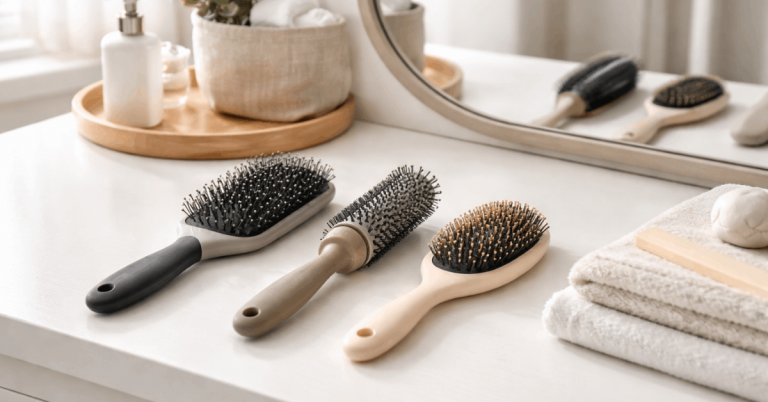
Wet hair stretches more easily and snaps under tension, so standard bristle brushes can create breakage that turns into flyaways. A wide-tooth comb or a wet-specific detangling brush used gently from ends to roots avoids the problem.
Q: How often should I wash my hair to reduce frizz?
Every two to three days works for many textures, though oily scalps may need daily cleansing with a mild sulfate-free formula. Over-washing strips protective oils that help the cuticle seal, but under-washing creates buildup that traps humidity unevenly.
Q: Does hard water make frizz worse?
Hard water deposits minerals like calcium and magnesium onto strands, which roughen the cuticle surface over time. A chelating shampoo once or twice a month, or a shower filter rated for mineral removal, can reduce that mineral layer and bring back smoother texture.
Q: Is air-drying better than blow-drying for frizzy hair?
Air-drying avoids heat damage but leaves the cuticle unsealed for longer, which can worsen frizz in humid environments. A quick blow-dry on low heat followed by a cool shot often produces a smoother result than letting hair dry slowly in damp air.
Conclusion
Frizz responds better to boring daily consistency than to expensive one-time product hauls. The cuticle cares about pH, temperature, and friction, not brand names or price tags. Swap one harsh habit per week and track the difference over a month. The results might surprise your bathroom shelf more than your mirror.