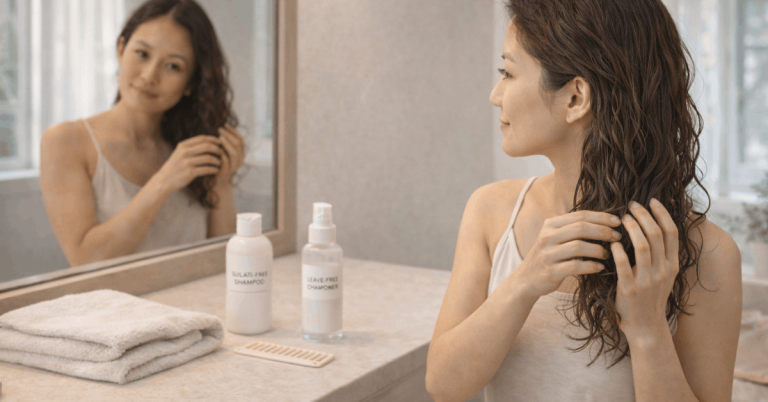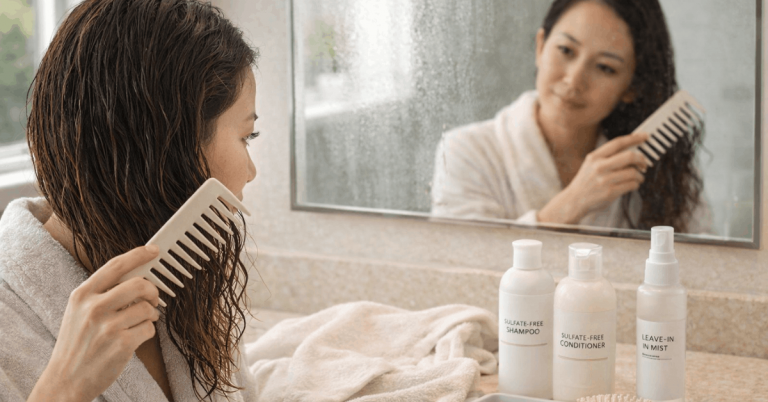
A reliable hair routine should fit the time you have before work, school, errands, or bed on hectic weekdays. It should support scalp comfort, easy detangling, and a finish you can manage without a shelf full of products.
This guide centers on cleansing, conditioning, and protecting hair between washes. Build around repeatable habits and gentle tools, then change only what your hair clearly needs.
Start With a Goal and a Realistic Schedule
The best routine begins with one problem you notice often, not a long list of products you hope to use. Choose one hair goal and a realistic schedule before changing anything or buying a new product too soon.

Pick the Issue That Affects Your Mornings Most
Choose one clear goal: calmer roots, fewer tangles, less breakage, softer ends, or faster styling. A routine built around five goals at once usually adds products without solving the one issue that actually bothers you.
Notice where the problem appears, such as a dry crown, oily scalp, or snagging ends. That gives you a useful starting point and a reason for each step.
Let Your Scalp Decide When It Is Time to Wash
Wash frequency should follow your scalp condition, activity level, and hair texture rather than a strict online rule. Itchiness, heavy sweat, visible buildup, limp roots, or an uncomfortable scalp can signal that cleansing is due.
Dry, curly, or coily lengths may prefer fewer full washes, while finer hair may need more regular washing. Watch for repeat scalp signals and changes in comfort over two weeks before changing your schedule.
Keep Wash Day Focused on Three Jobs
Wash day does not need a dozen bottles to work well when schedules change. Keep the order clear so the scalp gets clean, the lengths get slip, and wet hair gets less friction.
- Cleanse the scalp without harsh scratching.
- Condition lengths for easier detangling.
- Protect hair while it dries.
Clean the Scalp Without Scrubbing It Raw
Use shampoo mainly where oil, sweat, and styling residue collect: the scalp. Massage with fingertips instead of nails, then rinse longer than you think you need to remove leftover cleanser.
A gentle shampoo may suit a dry or easily irritated scalp, while a balancing formula can help roots that feel oily quickly. Use a clarifying wash only when obvious buildup or heavy residue makes normal washing ineffective.
Also Read: How to Keep Hair Healthy Without Expensive Products

Condition for Slip Rather Than a Heavy Finish
Apply conditioner from the mid-lengths through the ends, where hair tends to tangle and feel driest. Fine hair may prefer a lighter formula and a full rinse, while thicker or drier lengths may need a richer texture.
Detangle slowly while conditioner is in the hair if that suits your pattern, then rinse according to how the lengths feel. The aim is less resistance and smoother movement, not hair that feels coated by noon.
Protect Hair During Its Most Fragile Stage
Wet hair can stretch, so press water out with a microfiber towel or soft cotton T-shirt instead of twisting it. Start detangling at the ends, move upward in small sections, and pause when a knot resists.
Use leave-in conditioner or detangling spray when you need more slip, especially after swimming or a long wash. This lowers stretch damage and unplanned snapping before hair has a chance to dry.
Choose Tools That Make Handling Easier
You do not need a drawer full of brushes, attachments, and heated devices for a dependable routine. Keep tools that lower daily friction and support your natural texture.
Use One Detangling Tool You Trust
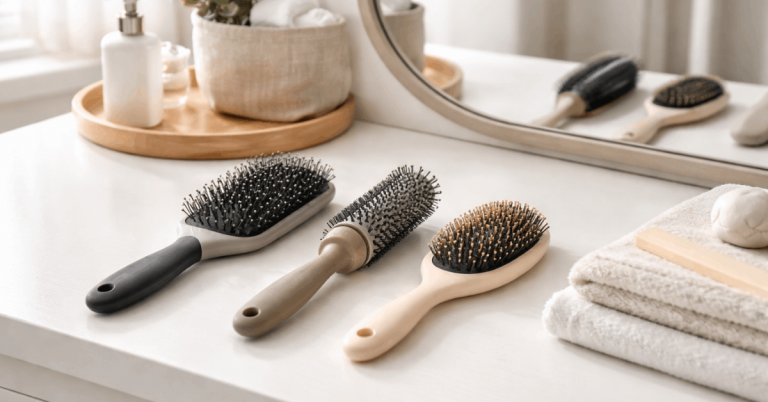
Choose a wide-tooth comb, flexible brush, or both based on how your hair behaves when wet and dry. For a handled wet brush, Tangle Teezer’s Ultimate Detangler is designed for wet hair and in-shower use.
Whatever you choose, work from the ends upward and hold the section above a knot to reduce pulling at the scalp. A reliable tool creates gentler wash days and fewer rushed passes through fragile ends.
Match Drying Tools to the Finish You Wear
A dryer with adjustable heat can help when you need smoother roots, faster drying, or a polished front section. Use a concentrator nozzle for a sleeker result or a diffuser when you want waves and curls to dry with less disruption.
Keep airflow moving and aim it down the hair shaft before reaching for more heat. Good direction and patience often matter more than maximum temperature or another device.
Save Hot Tools for Specific Corrections
Flat irons and curling wands can shape hair, but they should not be the answer to every uneven section. Apply heat protectant, let hair dry completely, and start with the lowest setting that gives a workable result.
Focus on the fringe, ends, or one difficult area rather than restyling your whole head each morning. Fewer passes protect fragile ends and help prevent dry, stiff texture.
Use a Short Weekly Check to Stay Ahead of Problems
A small weekly reset can stop buildup, tool residue, and rough ends from becoming a bigger issue. Check your scalp, your tools, and your hair’s feel before adding another product.
Clean Tools Before They Transfer Residue Back
Remove shed hair from brushes and combs, then wash away visible oil, dry shampoo, cream, or styling residue. Dirty tools can make clean roots feel heavy sooner and create more drag during brushing during humid weather.
Let them dry fully before storing them, especially if they have cushioned pads or wooden handles. This simple task supports cleaner styling and more predictable hair days.
Conclusion: A Routine Worth Repeating
The most effective hair routine is usually the one you can repeat without stress, a crowded shelf, or an overflowing drawer.
Keep cleansing, conditioning, and gentle handling at the center, then use tools and treatments only when they solve a clear problem.
Pay attention to your scalp, your ends, and the habits that make hair harder to manage. With simple structure and consistent care, your routine can stay practical even when life is busy.