Hair brushing should make hair manageable, not cause breakage or discomfort. The right rhythm depends on your texture, activity, and your ends.
Some people need a light pass each morning, while others detangle only on wash day. This guide helps you find a comfortable frequency without rigid rules that do not fit your hair.
Start With Need Rather Than a Number
No universal schedule works for every hair pattern, length, or scalp. Watch tangles, scalp comfort, and your hair’s response after brushing.
- Brush when knots need attention.
- Stop before friction builds.
- Change technique when hair is wet.
Let Your Hair Tell You When It Needs Attention
Hair that moves freely and feels comfortable does not need extra brushing because a routine says it should. Brush when you notice knots at the nape, flattened morning sections, or shed strands that need removing.
If each pass leaves more frizz, snapping, or tenderness, reduce pressure or frequency. The goal is easy movement, gentle control, and fewer passes through the same area.
Use Morning and Evening for Different Jobs
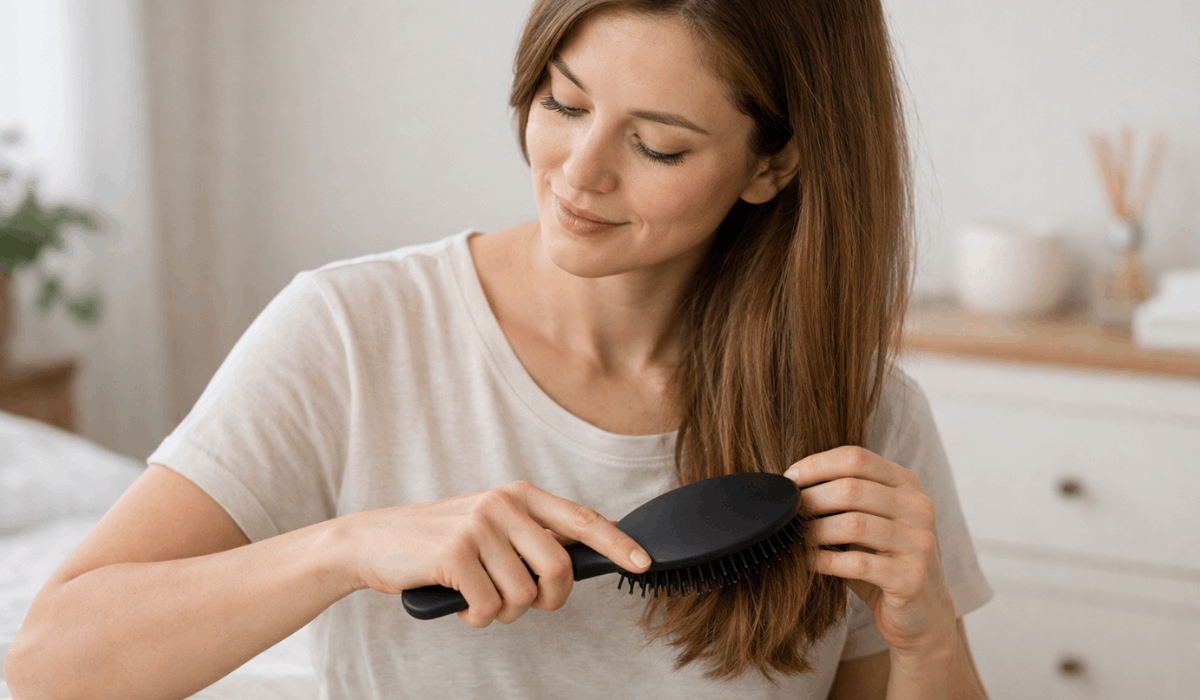
A morning brush can smooth sleep tangles and reset hair around the face before you leave. An evening check can loosen knots from wind, collars, exercise, or a long day without becoming a styling session. Neither step is required if your hair already feels settled. Focus on light maintenance, calm ends, and a scalp that stays comfortable afterward.
Adjust the Routine to Your Hair Pattern
Texture changes how quickly strands knot and how much brushing alters the finish. Match frequency to your natural pattern rather than making every texture behave like straight hair.
Straight or Fine Hair Often Needs a Light Touch
Straight hair may tolerate gentle brushing once or twice daily when it tangles or needs a quick reset. Fine or color-treated strands can still break if the brush grips too firmly, especially near the ends. Choose flexible bristles, use short strokes, and avoid treating smoothness as a reason to keep brushing. A softer approach protects delicate lengths, natural movement, and fine hair’s limited volume.
Waves, Curls, and Coils Need Less Dry Brushing
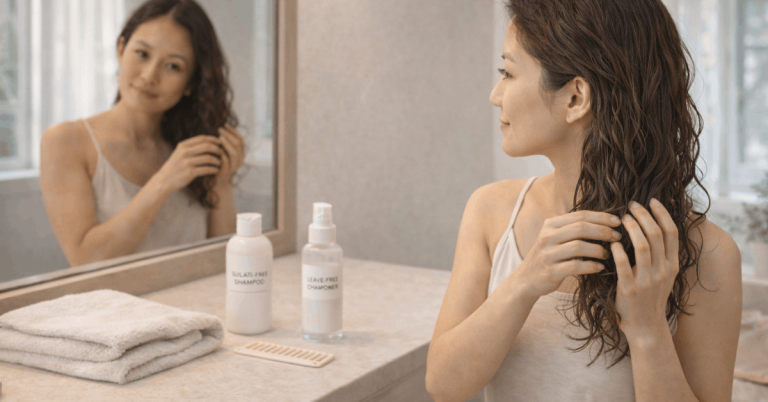
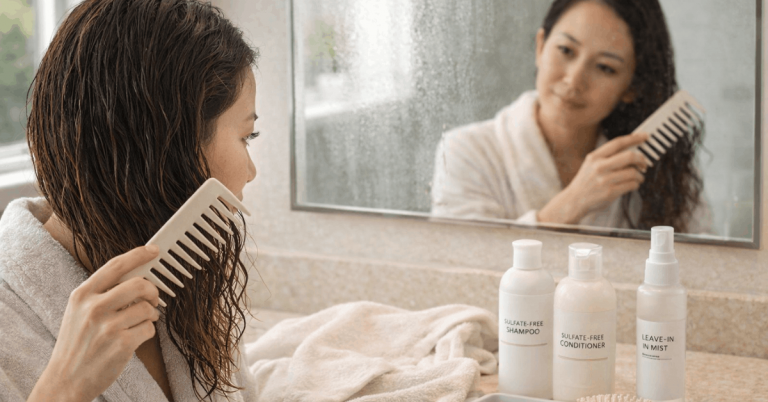
Wavy, curly, and coily hair often benefits from fewer dry-brushing sessions because brushing can separate the pattern and create frizz. Detangle while damp with conditioner or leave-in, then use fingers or a wide-tooth tool through sections.
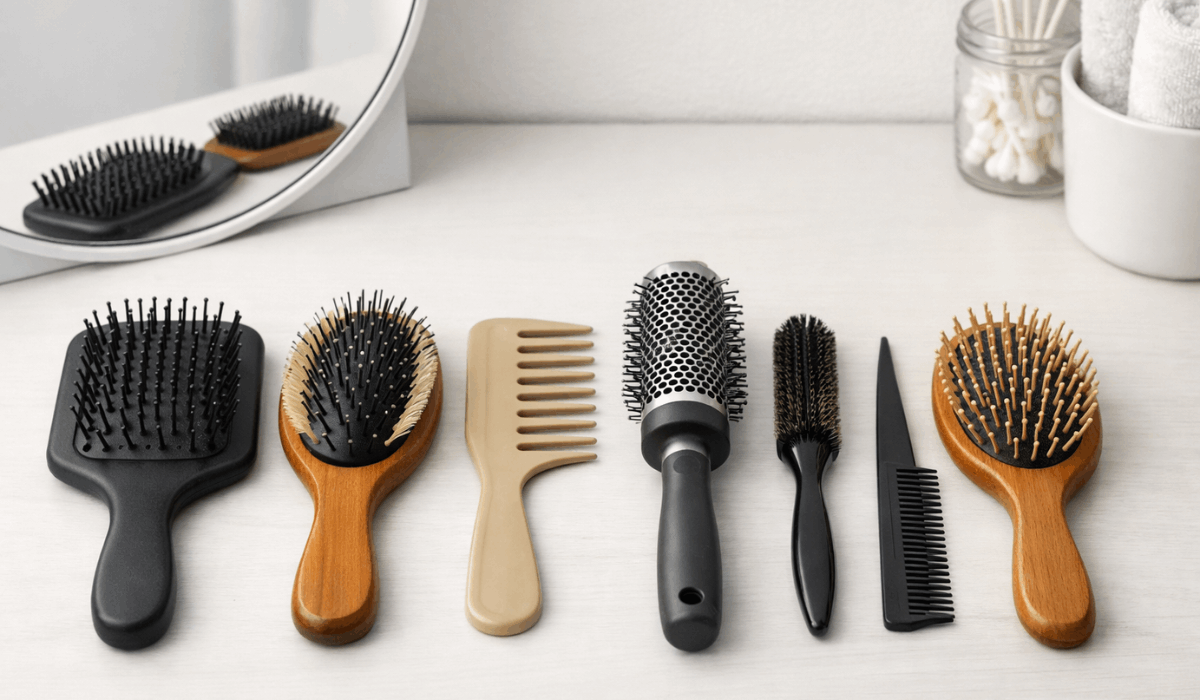
Start with conditioner, a leave-in product, or water if a section dries before you reach it. Use fingers first for stubborn knots, then try a wide-tooth comb or the Wet Brush Original Detangler with short movements from the ends upward.
Stop when resistance increases instead of forcing the tool through to save time. This protects fragile wet strands and helps limit avoidable breakage.
Also Read: Best Hair Brushes for Daily Use Explained
Consider Length, Layers, and Everyday Friction
Length does not dictate a perfect schedule, but it changes where tangles form and how force travels through strands. Build your approach around friction points and areas that knot first.
Longer Hair Benefits From Sectioned Detangling
Long hair can tangle at the nape, beneath scarves, near bag straps, and around dry ends. Divide it into sections, begin at the bottom, and hold hair above a knot before working it loose.
This prevents a small snag from pulling through the full length. Sectioning protects weaker ends, the scalp, and your patience on rushed mornings.
Short, Layered, or Growing-Out Hair Needs Targeted Brushing
Short hair may need only a quick styling pass, while layered or growing-out hair can catch around uneven pieces. Focus on the sections that tangle instead of brushing every area with identical pressure.
A smaller brush or comb gives better control around the fringe, crown, and neck. This keeps daily handling, uneven tension, and the urge to over-brush low.
Treat Wet Hair as a Separate Situation
Hair stretches more easily when wet, changing both your tool choice and pace. Use more slip and less force after washing or swimming.
Detangle Wet Hair Only When You Need To
Start with conditioner, a leave-in product, or water if a section dries before you reach it. Use fingers first for stubborn knots, then a wide-tooth comb or flexible wet brush with short movements from the ends upward.
Stop when resistance increases instead of forcing the tool through to save time. This protects fragile wet strands, the hairline, and a smoother finish after drying.
Do Not Wait Until Hair Becomes a Matted Problem
Avoiding all brushing can make knots tighter after workouts, travel, windy weather, or sleeping with loose hair. Check likely trouble spots gently before they become difficult to separate.
Light maintenance is usually kinder than a long rescue session with too much pulling. Think early detangling, light pressure, and prevention rather than constant brushing.
Watch for Signs That the Routine Is Not Working
Hair and scalp can show when brushing is too frequent, rough, or limited. Use those signals to adjust pressure, tool choice, or timing before the habit becomes frustrating.
Over-Brushing Usually Shows Up as Frizz or Tenderness
A brush full of snapped hairs, a sore scalp, and frizz that appears after brushing can signal too much tension. Reduce passes, slow down, and switch to a tool that flexes more easily through your hair.
Also check whether styling residue makes the brush drag instead of glide. These changes support scalp comfort, stronger-looking ends, and a calmer routine.
Too Little Detangling Can Lead to Harder Knots
Frequent stubborn tangles do not always mean you need more products; sometimes hair needs a quicker, gentler check before knots tighten. Focus on the nape, ends, and places that rub against clothing, helmets, or pillowcases.
Clean your brush regularly because shed hair and product residue can reduce movement and transfer back onto fresh hair. A stable routine combines timely care, clean tools, and attention to how your hair feels.
Build a Brushing Habit You Can Keep
The best brushing frequency keeps hair manageable without feeling overworked. Start with light detangling when needed, use a gentler wet-hair method, and adapt to texture instead of copying schedules.
If discomfort, shedding, itching, or scalp changes continue, ask a dermatologist or qualified clinician for advice. With small adjustments, less force, and a suitable tool, daily care can stay comfortable.