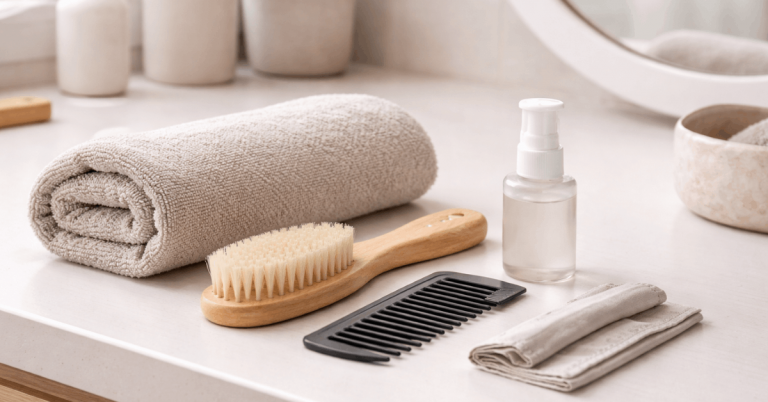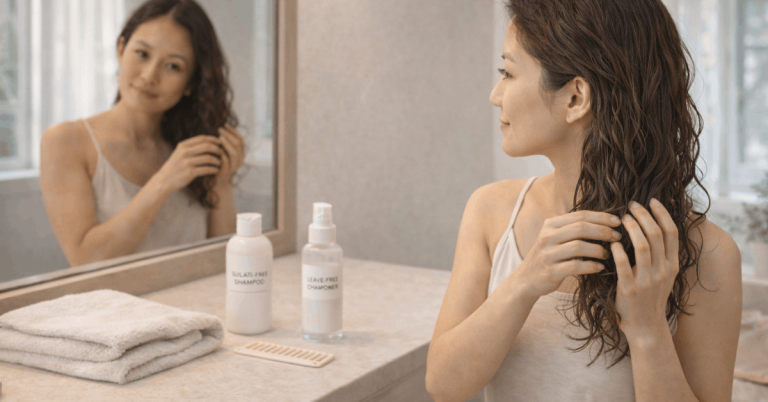
A daily brush should ease tangles, not make them painful. The right choice depends on your texture, when you brush, and whether you detangle, smooth, or style.
This guide compares useful shapes and bristles without claiming one brush works for everyone. It also covers gentle technique, cleaning, and signs of unnecessary friction.
Start With the Job Your Brush Needs to Do
A brush should solve regular knots or flat roots. Look for comfortable control and low pulling before considering trends or a crowded kit.
- Detangle before trying to smooth.
- Style with a shape that suits your usual finish.
- Protect the scalp with light pressure.
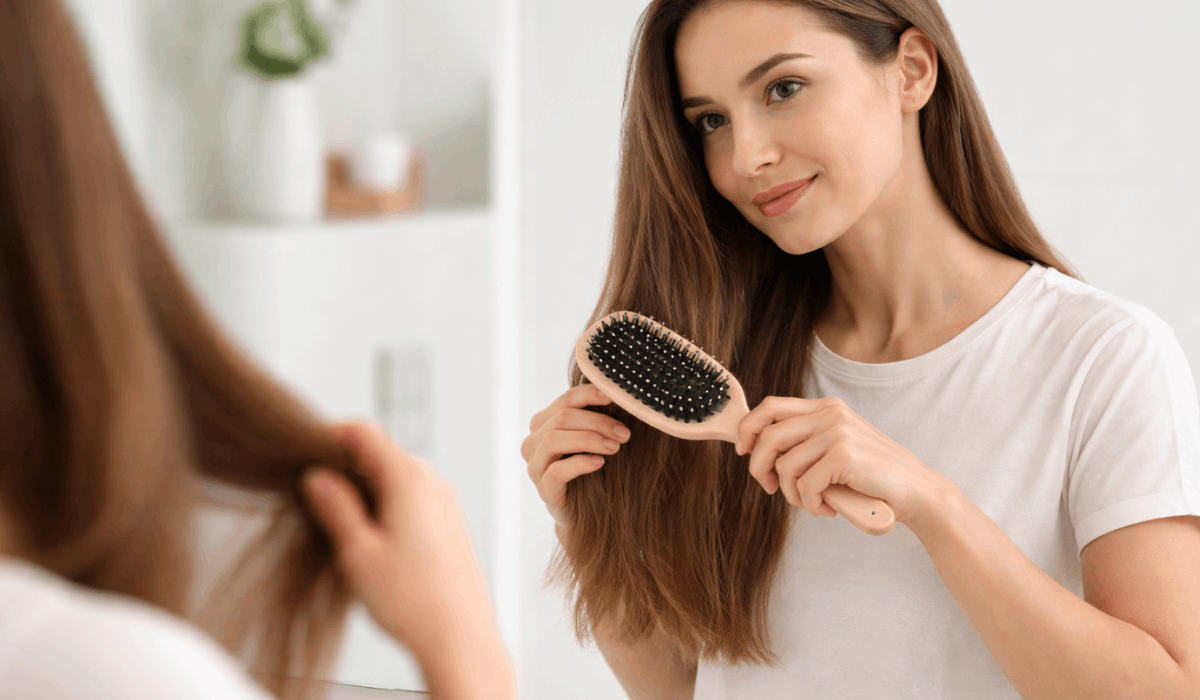
Choose a Shape That Fits Your Routine
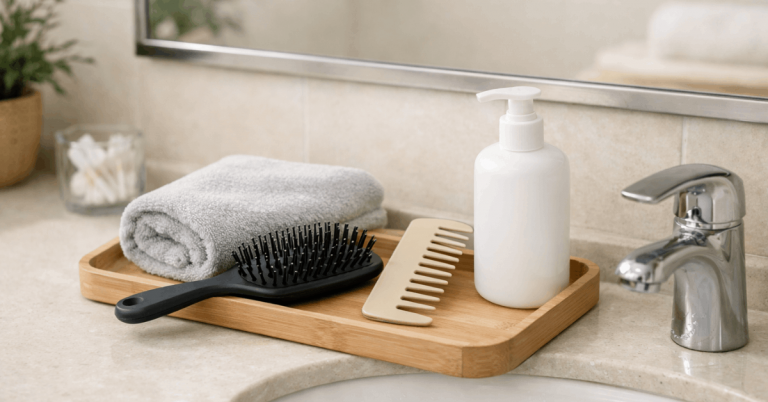
Brush shape affects coverage, root access, and tension. The best daily option feels predictable and easy to clean after use.
Paddle Brushes Suit Quick Smoothing
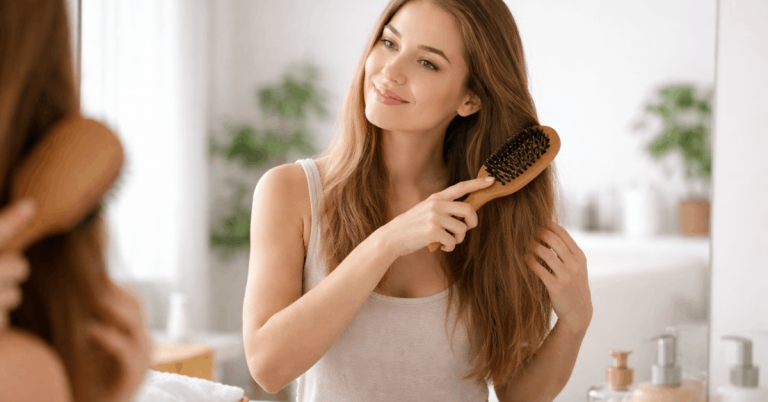
A paddle brush covers straight or loose wavy hair quickly. It can neaten hair before a ponytail, low bun, or blow-dry.
Choose flexible pins if your hair tangles easily, and avoid pressing hard on the scalp. A larger head saves time, though it is less precise around short layers and face-framing pieces.
Round Brushes Create Shape During Drying
A round brush helps create root lift, a curved fringe, or softer ends during blow-drying. Larger barrels create relaxed movement, while smaller ones give shorter hair more bend and control.
Use it on mostly dry sections, since soaking hair can cause tugging and unnecessary stretch. Keep one only if you style with a dryer often; otherwise, a paddle brush and comb may be enough.
Flexible Detanglers Help After Washing
Flexible detanglers can help damp hair with conditioner or leave-in. Tangle Teezer’s Ultimate Detangler is a handled option designed for wet hair and shower use, although fingers or a wide-tooth comb may suit tighter textures.
Start at the ends and pause at resistance rather than dragging through a knot. This protects fragile strands and sensitive roots on wash day.
Let Hair Texture Guide the Bristles
Bristles influence grip, surface smoothing, and whether a tool catches at knots. Match the brush to your density and your scalp comfort, not the idea that firmer is better.
Also Read: How to Keep Hair Healthy Without Expensive Products
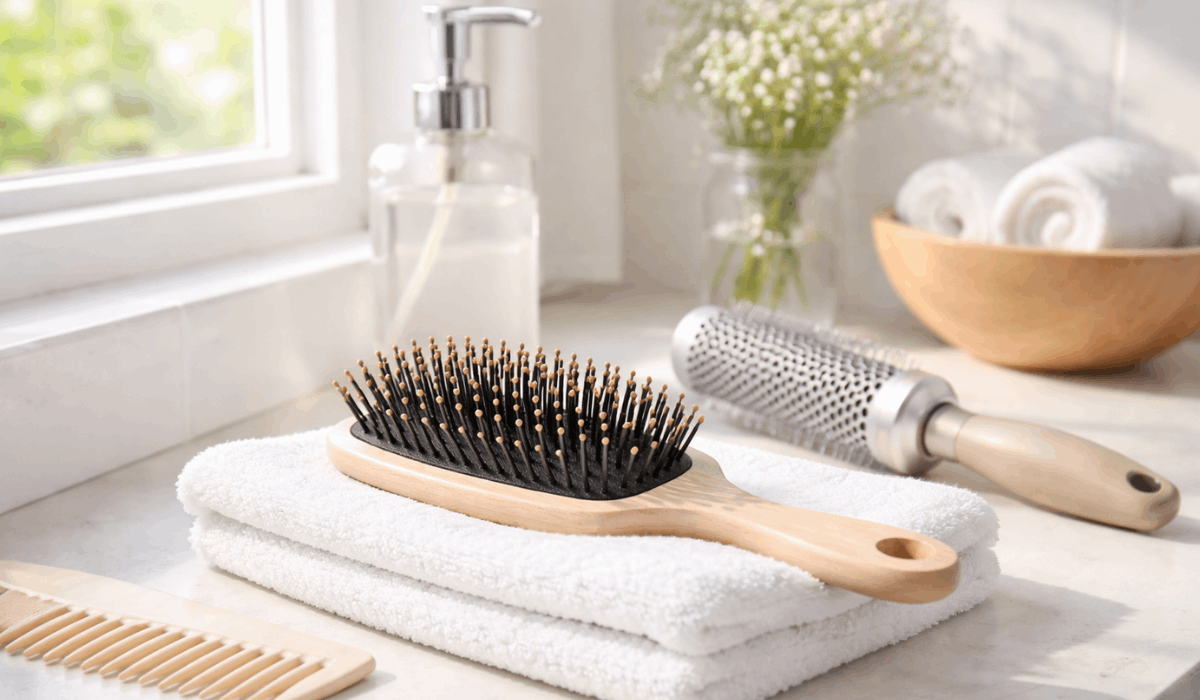
Fine or Fragile Hair Needs Flexibility
Fine hair can snap when a brush grips too much, particularly after color treatment or frequent heat styling. Soft pins and lighter pressure often work better than stiff bristles that pull from the root.
A cushion base can soften contact, but it should not invite aggressive brushing on dry ends. Work in small sections and short strokes, especially near the hairline.
Thick or Coarse Hair Needs Space
Dense hair often needs wider spacing, firmer pins, or a larger head to reach past the surface layer. Work in sections instead of forcing one brush through the full head.
A brush that feels too small encourages repeated passes and tension in the same places. Look for steady grip and enough spacing, then add slip when resistance builds.
Curls Need Different Timing
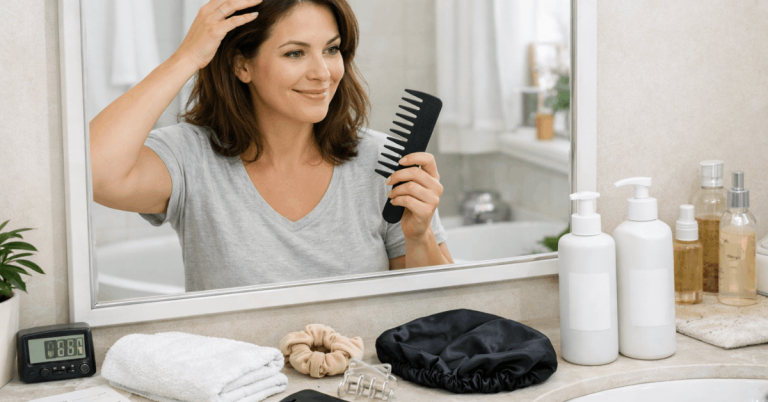
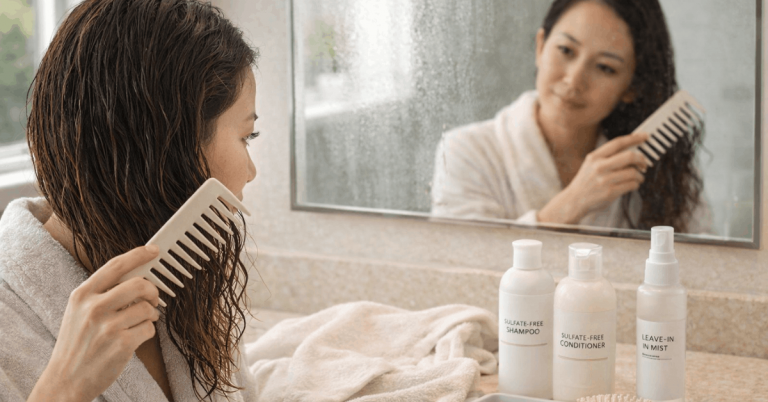
Curls, coils, and waves often detangle best when damp and coated with conditioner or leave-in. Use fingers first for stubborn knots, then choose a wide-tooth comb or flexible brush that respects the pattern.
Dry brushing may create volume, but it can separate curl clumps and add surface frizz. Decide whether you want definition or fullness before brushing.
Brush With Less Tension, Not More Force
Technique changes the result as much as the brush design. Gentle handling keeps the scalp comfortable and helps the ends stay intact.
Begin at the Ends and Move Up
Hold the section above a tangle, start near the ends, and work upward in short movements. This keeps force from reaching the roots and gives you time to loosen knots with fingers.
Pulling from scalp to ends may feel faster, but it can turn one snag into several broken hairs. Stop when the brush catches, add slip if needed, and continue when the section feels less resistant and more manageable.
Treat Wet Hair as a Separate Situation
Hair can stretch more when wet, so it needs a slower pace and a tool that glides rather than rakes. Blot excess water, add conditioner or leave-in, and detangle in sections.
If hair is fine or damaged, wait until it is partly dry before adding more tension. This protects weaker wet lengths and helps prevent rough-looking ends after drying.
Clean and Replace Brushes Before They Work Against You
A brush collects shed hair, scalp oil, dry shampoo, and styling residue even when it looks clean. Regular care protects bristle movement and reduces old product transfer onto fresh hair.
Give Your Brush a Weekly Reset
Remove trapped hair after use or weekly, then wash the brush for its materials. Plastic tools can handle mild soap and warm water, while wooden handles and cushioned pads need less soaking.
Let the brush dry fully with airflow before returning it to a drawer. This limits hidden moisture and stale buildup that affect performance.
Replace a Brush When the Feel Changes
Bent pins, missing tips, torn cushions, and persistent odor are reasons to replace a brush. Notice if it suddenly drags through hair it once handled easily, because wear is not always obvious.
Replace it before it scratches the scalp or catches delicate ends during a rushed morning. A good tool gives reliable control and less daily friction than a worn brush kept from habit.
Conclusion: Choose One Brush You Will Use Well
A useful daily brush should make the next step easier, whether that means detangling after washing, smoothing before work, or shaping hair with a dryer.
Start with your common need, choose a gentle shape and bristle type, and skip tools that require too much pulling. Use lighter pressure, clean the tool, and replace it when it no longer feels kind to your hair.
With better habits and a practical brush, daily care becomes simpler during ordinary hair care days at home, without a collection of almost identical tools.