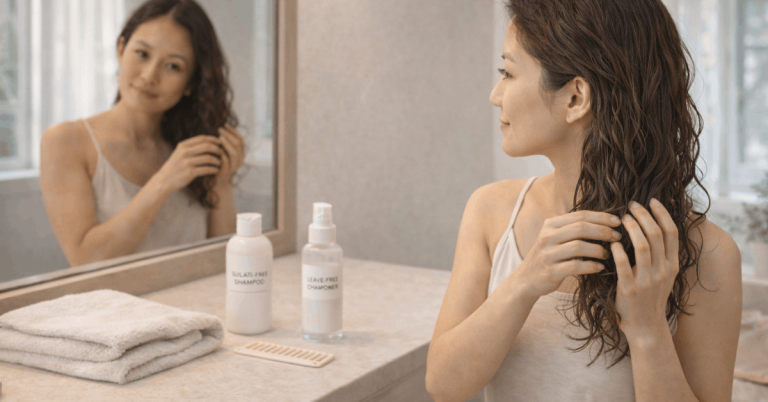
Most hair damage is not caused by missing a costly treatment. It often begins with rushed handling, friction, and habits repeated before work or bed.
Brushing through a knot, using maximum heat, or tying damp hair tightly can leave lengths rough over time. This guide helps you spot daily mistakes and choose calmer habits.
Find the Habit Behind the Problem
When hair feels dry, greasy, tangled, or fragile, it is tempting to buy another product immediately. First, notice when the issue appears and which daily step comes right before it.

Watch for Patterns Before You Change Everything
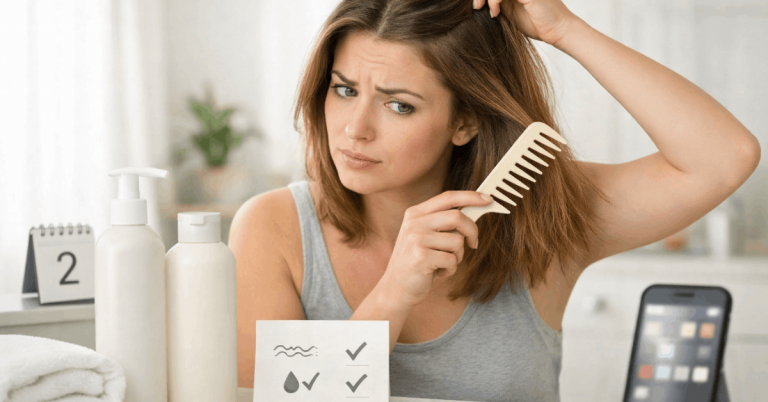
Notice whether breakage appears after detangling, frizz starts after towel-drying, or roots feel heavy after styling. Keep your routine steady for a week and change one behavior, such as using less product or lowering the dryer setting.
Write the pattern down after each wash. This makes cause and effect easier to see and limits constant product switching.
Start with the habit that creates the most resistance:
- Pulling through knots instead of easing them apart.
- Overheating one section for a perfect finish.
- Layering new products over old residue.
Let Scalp Comfort Help Set Your Routine
An itchy, sore, flaky, or unusually oily scalp may mean your wash schedule or product use needs attention. Washing too often can leave some scalps uncomfortable, while waiting too long after sweat or heavy styling can leave roots coated.
Use scalp signals and activity level to decide when cleansing is due. Persistent discomfort, sudden hair loss, painful bumps, or a spreading rash deserves medical advice instead of trial and error.
Make Brushing a Low-Tension Step
A brush should make hair easier to manage, not turn a small tangle into a stressful task. Focus on brush flexibility and how you move it through the lengths.
Use a Tool That Matches the Moment
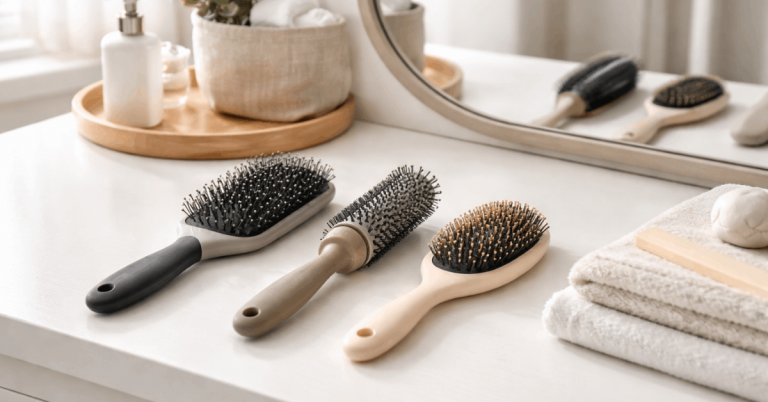
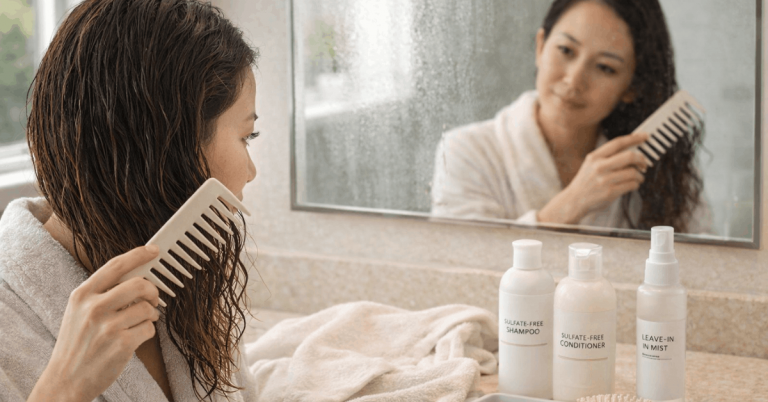
A stiff brush may suit smooth, dry hair but be too harsh for wet, fine, bleached, or easily tangled lengths. Choose a wide-tooth comb, fingers, or a flexible detangling brush for texture.
For a handled wet-hair option, Tangle Teezer’s Ultimate Detangler is designed for shower and wet-hair use. The brand matters less than gentle glide and steady control without yanking.
Also Read: Best Hair Brushes for Daily Use Explained
Begin at the Ends and Respect Resistance
Hold the section above a knot, loosen the ends first, and move upward in short strokes. That prevents the full pull from reaching the scalp and lets you use fingers when the brush stops.
Starting at the roots can tighten knots and leave broken hairs around the crown. Slow detangling protects fragile ends and makes daily brushing less aggressive.
Wash for Your Scalp, Then Condition Your Lengths
Shampoo and conditioner work better when each one stays in its intended area. Give the scalp a thorough cleanse and the ends enough slip without a long wash day.
Avoid Both Overwashing and Ignoring Buildup
Wash timing can change with workouts, weather, styling products, water quality, and oil level. Focus shampoo on the scalp, massage with fingertips, and rinse well around the roots.
Use a clarifying formula only when hair feels coated, dull, or unusually heavy after normal washing. Sensible cleansing supports scalp comfort and reduces sticky residue that makes hair harder to style.
Keep Conditioner Away From the Root Area
Conditioner helps the mid-lengths and ends feel smoother, to reduce tugging. Fine hair may prefer a light formula and full rinse, while coarser or drier hair may need a richer product.
Applying it heavily at the scalp can make roots collapse or feel oily faster. Use enough for easy movement and less friction, not a coated finish.
Dry and Style Without Repeating the Same Stress
Hair is more vulnerable when wet, and heat can make a rushed routine harder to recover from. Press out water, guide airflow, and use lower heat before chasing a perfect finish.
Replace Rubbing With Pressing and Patience
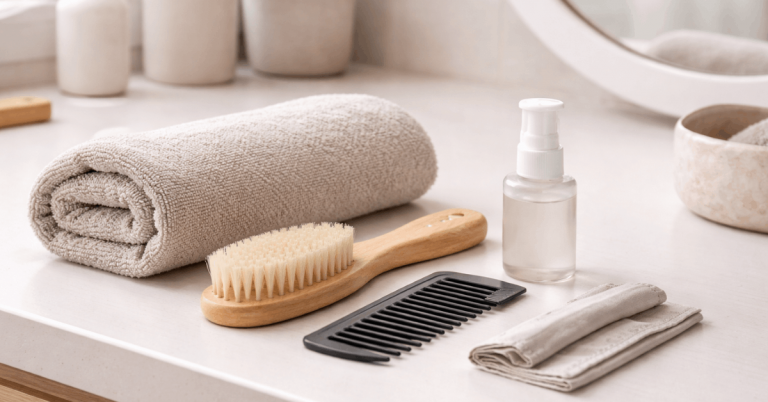
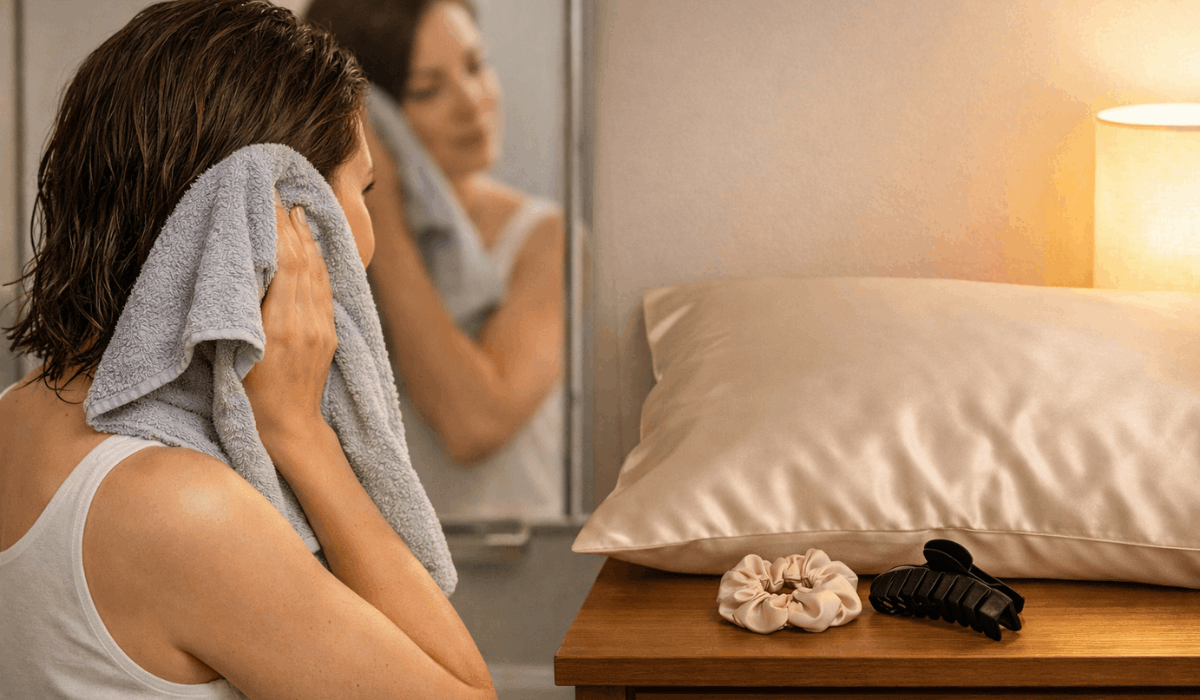
Rubbing wet hair with a rough towel can leave curls, waves, or straight lengths looking fuzzy. Gently squeeze water out with a microfiber towel or soft cotton T-shirt, then air-dry when possible.
Detangle with enough conditioner or leave-in to reduce resistance. These changes lower wet-hair tension and protect fragile lengths.
Treat Hot Tools as a Finishing Tool
Use a dryer, flat iron, or curling wand to solve a specific problem rather than restyling sections daily. Apply heat protectant, dry hair fully before direct heat, and choose the lowest setting that gives a workable result.
When one area needs several passes, revisit section size or drying technique before turning up the temperature. Fewer passes mean less repeated heat and more manageable hair over time.
Protect Hair When You Are Not Styling It
Tension, pillow friction, sweat, and outdoor exposure continue after your routine is finished. Reduce avoidable stress and unnecessary handling rather than trying to avoid normal life.
Change Tight Styles Before They Become Your Default
A ponytail in the same place every day can concentrate pulling at the crown, temples, and hairline. Rotate between loose, low, or partially clipped styles, and choose soft ties that do not need tight wraps.
Do not ignore scalp soreness just because the style looks neat. Lower-tension choices protect sensitive edges and limit breakage from repetition.
Clean Tools and Give Them Time to Dry
Brushes collect shed hair, oil, dry shampoo, and styling residue that can return to clean hair. Remove trapped hair regularly, wash plastic tools gently, and let them dry fully before storage.
Clean dryer filters and check that cords, plates, and brush pins are not damaged. This protects tool performance and reduces old buildup during the next routine.
Build a Routine You Can Keep
Hair care gets safer when the routine stays simple enough to repeat on a busy weekday. Choose one habit to change, such as brushing from the ends, pressing rather than rubbing, or lowering heat.
Watch scalp comfort, tangle resistance, and how hair feels with time on rushed, ordinary mornings at home. Small improvements add up when you replace force with gentler technique and steady care.