Healthy-looking hair depends less on owning every new gadget and more on how you handle the tools you have.
Heat control, gentle tension, and realistic timing can protect strands during rushed workdays, wash days, and touch-ups.
This guide explains where brushing, blow-drying, hot tools, accessories, and wet-hair care go wrong. It is for anyone seeking a simpler routine and fewer habits that leave hair rough, frizzy, or fragile.
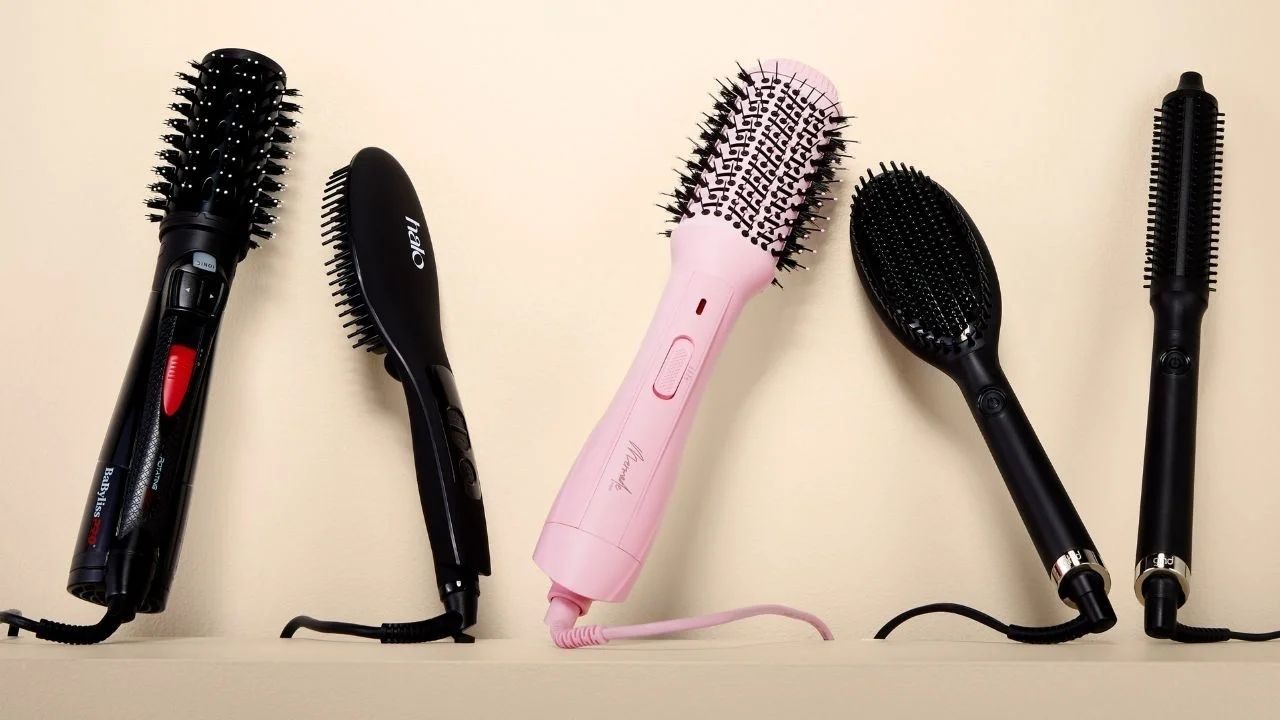
Start With Habits That Protect Hair Before Styling
Most breakage begins when one knot, damp section, or flat root is handled aggressively. Think about friction, repeated heat, and scalp pressure before buying another tool.
- Use slip before detangling.
- Choose the lowest workable heat.
- Stop when hair begins to resist.
Brush With Patience Around Tangles and Ends
Brushing can smooth hair but also create damage when a knot is treated like something to overpower. The goal is controlled detangling and light smoothing, not a perfect finish each hour.
Work From the Ends Before Moving Up
Start with a section small enough to hold without pulling at the scalp. Use short strokes at the ends first, then move upward as each tangle loosens.
Hold hair above a knot so force does not travel directly to the roots. This approach takes longer initially, but it reduces snap points caused by dragging a brush from root to tip.
Save Smoothing Brushes for Hair That Is Already Detangled
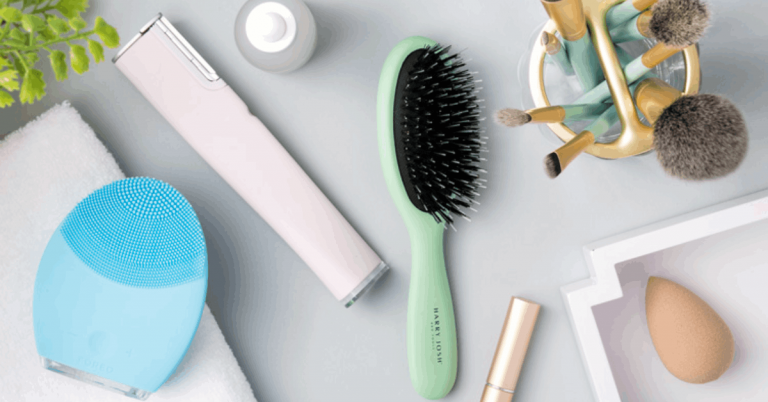
A boar-bristle brush can distribute natural oils and neaten the surface after knots are gone. It is not for forcing through dense tangles, especially on fine hair or recently processed lengths.
Use light pressure near the crown and outer layer when you want shine or a softer finish. On wet hair, choose another tool instead of relying on stiff bristles that add unnecessary tension.
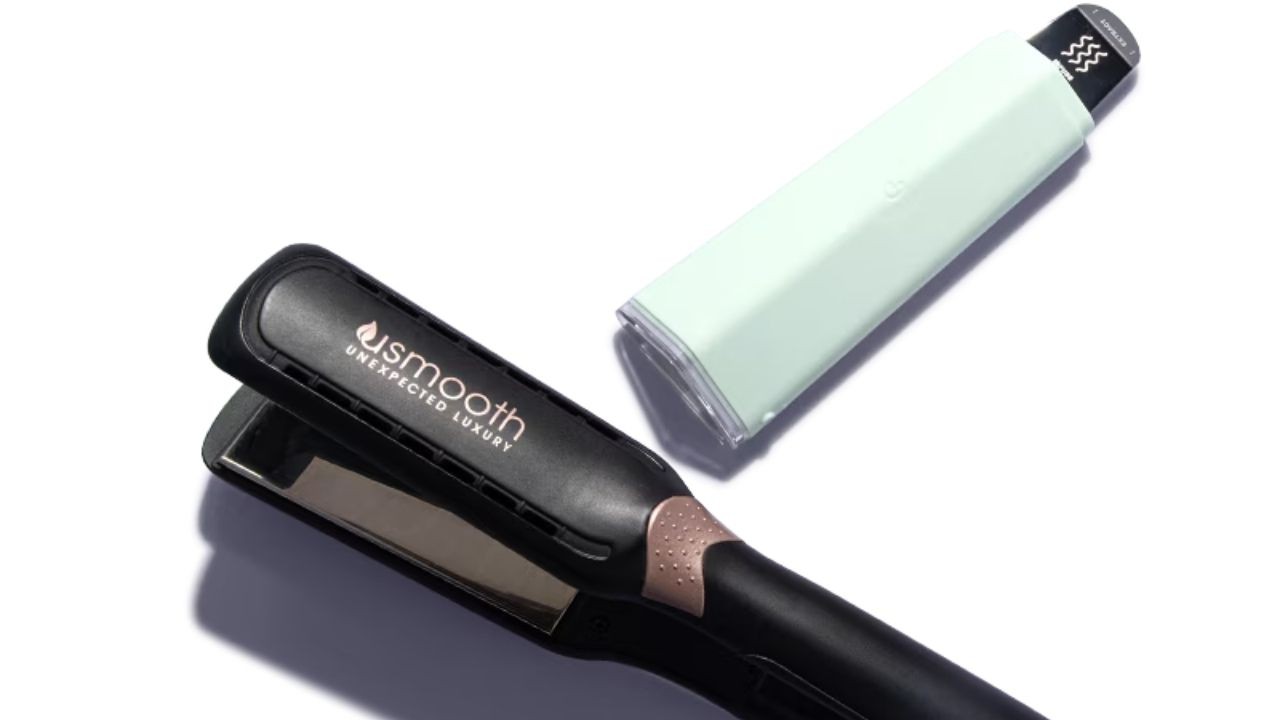
Make Heat Styling a Deliberate Finishing Step
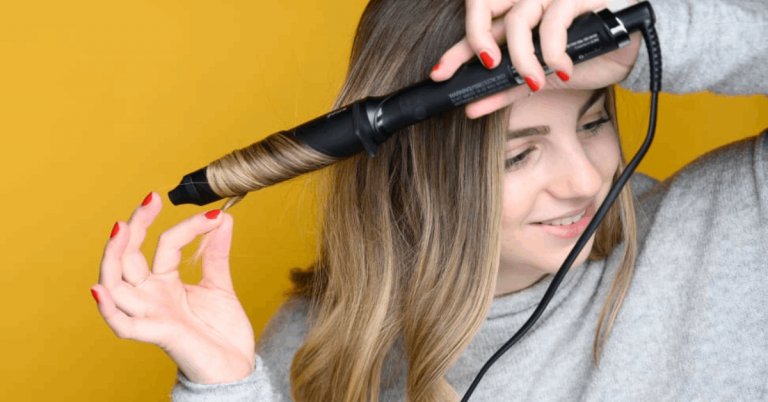
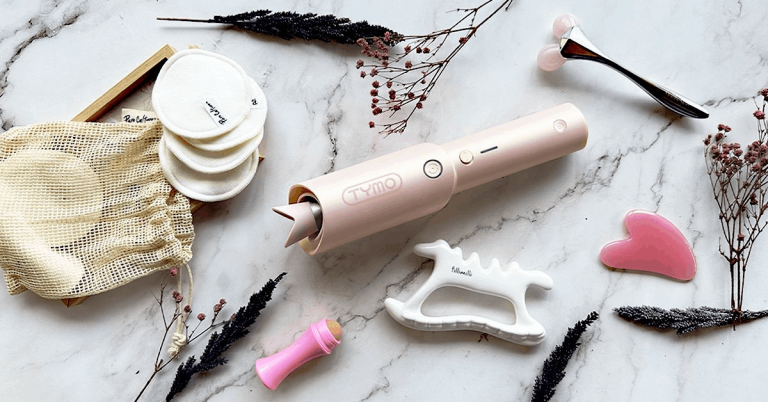
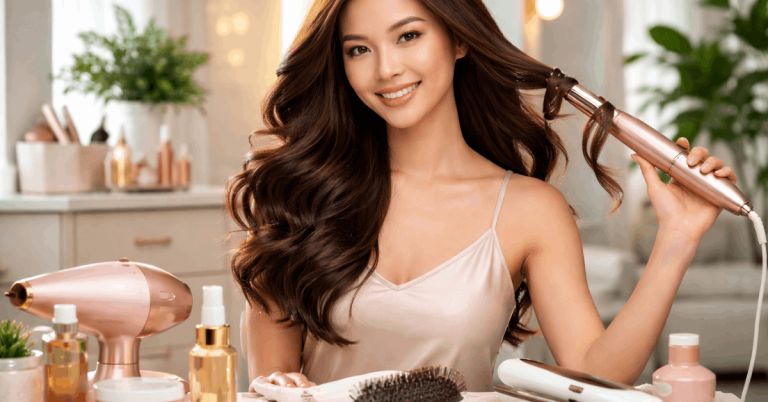
Hot tools are easier on hair when they correct visible areas instead of becoming the whole routine. Start with dry hair, suitable protectant, and a temperature that respects your hair history and current condition.
Find the Lowest Temperature That Still Works
Fine, lightened, or dry hair often needs less heat and contact time than thick, coarse, or resistant strands. Begin lower than expected, then adjust once only if the shape falls out too quickly.
A burning smell, sizzling sound, or stiff texture afterward means you should reassess the temperature setting and product amount. Heat protectant can help, but it does not make repeated high-temperature passes risk-free.
Reduce Repeated Passes Before Replacing Your Tool
Very small sections look precise, yet they can increase the time a hot tool spends on hair. Use sections matching the plate or barrel width, and make sure hair is fully dry before styling.
Slow, steady movement usually gives a smoother result than pausing over one area for perfect polish. When a strand needs three passes, improve the section size or drying step instead of raising the heat level.
Also Read: Beauty Tools That Improve Hair Appearance
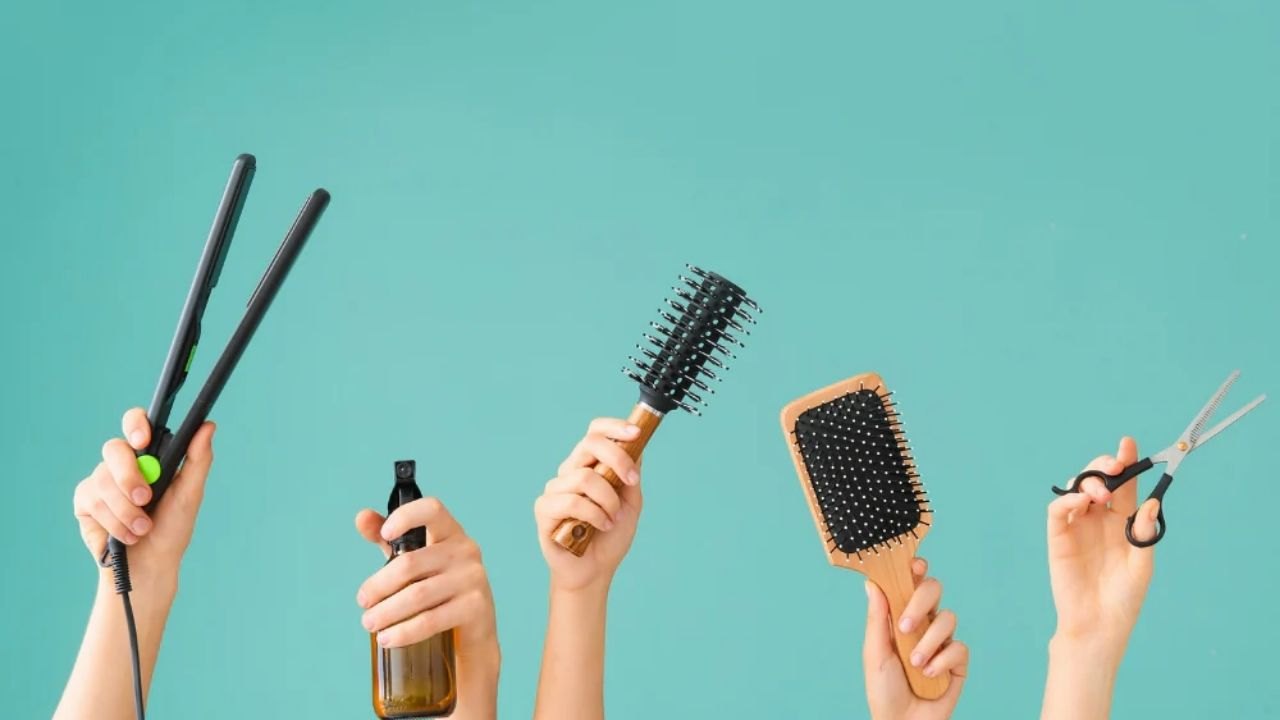
Blow-Dry With Direction Rather Than Brute Force
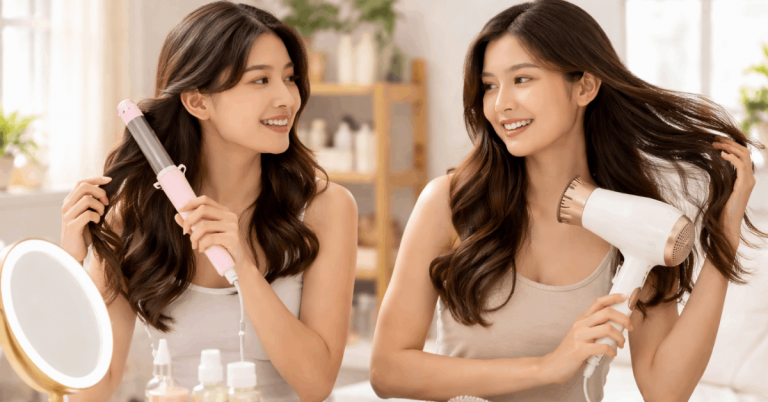
A blow-dryer does not need to leave hair bone-dry to create a polished finish. The difference comes from airflow direction and steady movement, especially when ends dry faster than roots.
Dry the Roots First and Keep the Dryer Moving
Roots hold moisture longer, so drying the ends first can leave them rough while the scalp area stays damp. Begin at the base, keep the nozzle a few inches away, and guide airflow down the hair shaft rather than upward.
Move to the mid-lengths and ends once roots feel mostly dry and the hair has natural movement. This order limits over-drying in fragile areas and helps prevent the frizz cycle that leads to touch-ups.
Match the Attachment to the Finish You Want
A concentrator nozzle helps create a smoother surface, while a diffuser can preserve waves or curls with less disruption. Neither attachment makes heat harmless, so use a moderate setting and avoid pressing the dryer against one section.
For textured hair, cup the ends and hold still briefly rather than shaking through constant airflow. Let hair cool before separating it, because warm strands reshape easily and may lose defined texture.
Treat Accessories and Wet Hair as Part of the Routine
Damage is not limited to curling wands or straighteners; tight ties, rough clips, and careless wet detangling can wear down the hairline and ends. Small choices about placement, pressure, and moisture make everyday styles easier to maintain.
Rotate Tension Instead of Repeating One Tight Style
A ponytail in the same position each day creates a stress point, especially near the crown and temples. Rotate between low, mid-level, loose, and partially pinned styles so one area does not carry all the daily tension.
Remove elastics by unwinding them instead of pulling through the lengths, and loosen any style that causes soreness.
A tidy hairstyle should feel secure, not painful, because discomfort often means the hold is too tight.
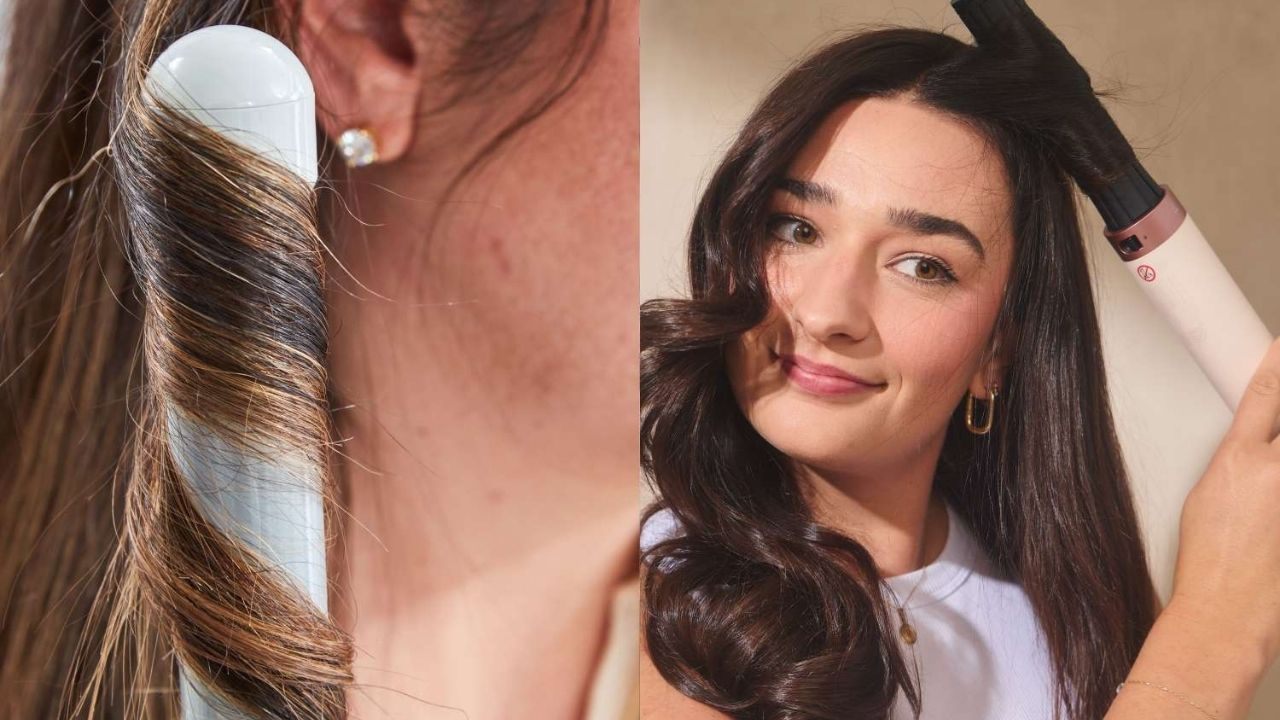
Detangle Wet Hair Slowly and With Plenty of Slip
Hair stretches more easily when wet, so it needs a slower approach than dry, pre-wash brushing. Blot water with a soft towel or cotton shirt, then add conditioner or leave-in before working through the ends.
A flexible wet brush, such as Tangle Teezer’s Ultimate Detangler, may suit people who prefer a handled tool, but pace matters more than brand.
Use short strokes, pause at resistance, and choose fingers first for a stubborn knot to avoid stretch damage and unplanned breakage.
Conclusion: Keep What Works and Let Go of the Rest
A hair-friendly routine is built through small observations, not a dramatic product overhaul. Notice where breakage, buildup, or flatness appears, then change one habit before changing everything else.
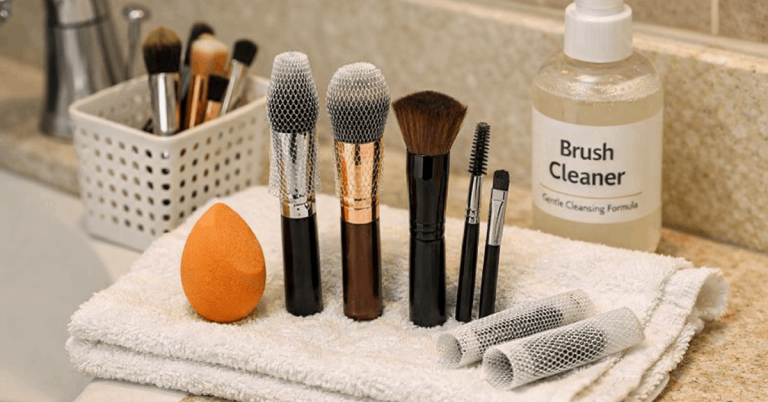
Clean brushes and attachments regularly, use tools only when they solve a real problem, and give a new method several tries before judging it.
The aim is a repeatable routine that makes hair feel manageable without treating every morning like a repair job when time is short and your hair is unpredictable.