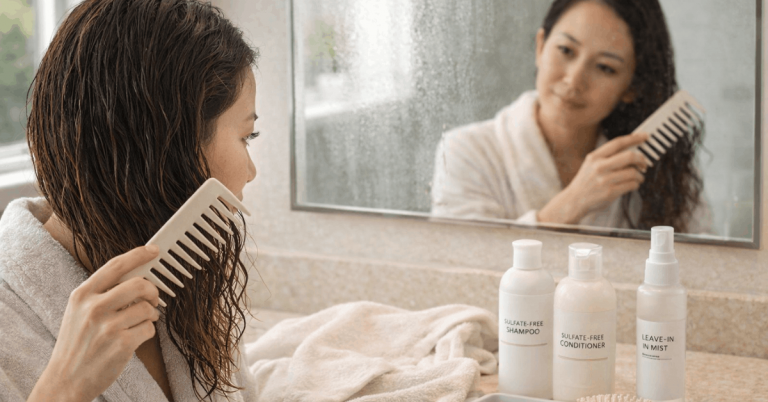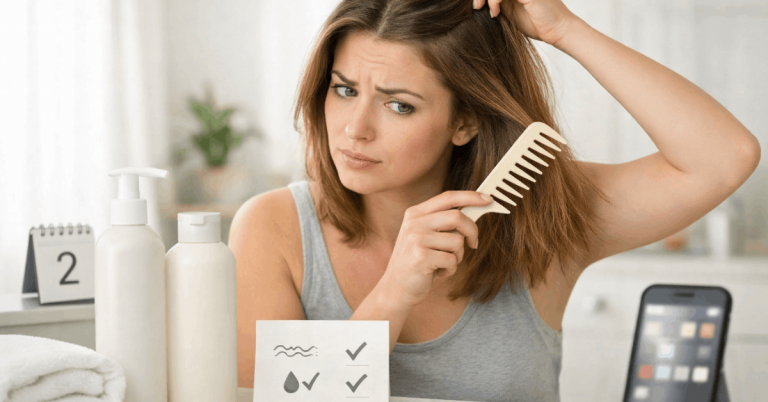
Short hair can look effortless, but it responds quickly to overwashing, product residue, rough drying, and daily friction. Because scalp and ends are close together, oil, dryness, and shape often show sooner.
A practical routine protects scalp comfort, keeps styling simple, and avoids trend-led products. Steady care should suit your haircut, texture, schedule, and the way you actually style it.
Start With the Scalp and a Sensible Wash Rhythm
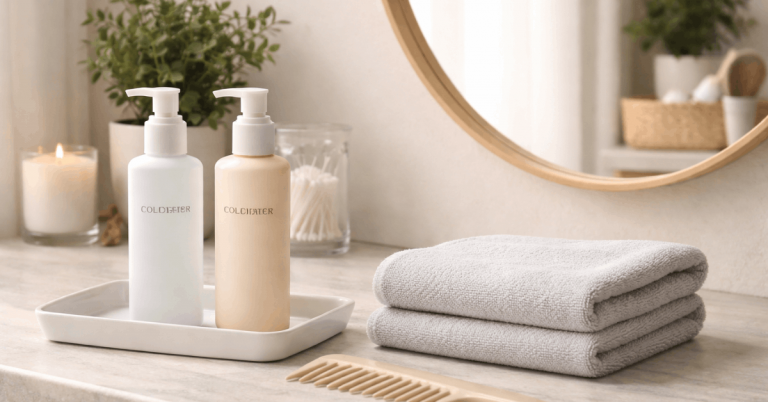
Short hair is easy to wash, but it does not need harsh cleansing daily. Let scalp signals and activity level decide when shampoo is useful.
- Wash when roots feel oily, itchy, or coated.
- Keep conditioner on mid-lengths and ends.
- Rinse longer than you think you need.
Clean the Roots Without Drying Everything Else
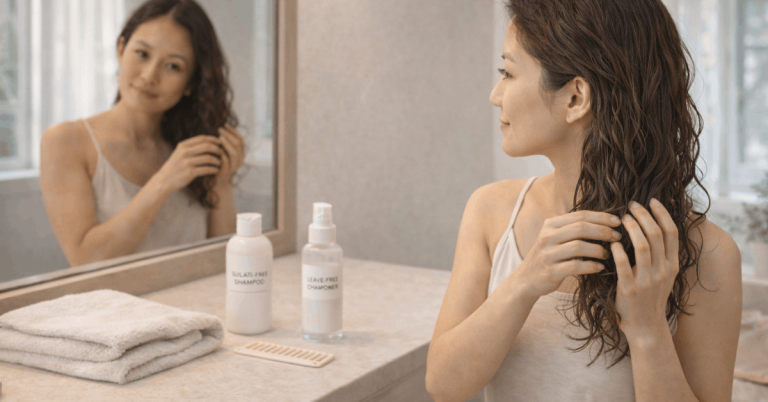
Wet hair well, then use a small amount of shampoo on the scalp. Massage with fingertips around the crown, nape, and hairline, where sweat and residue collect.
Rinse until the scalp feels clean but not squeaky, because leftover cleanser can dull short hair. This supports clean roots, a calmer scalp, and a finish that lasts.

Condition Lightly So Hair Keeps Its Movement
Short hair needs less conditioner because the ends are close to the scalp’s natural oils. Apply a small amount through mid-lengths and tips, then rinse well if hair is fine or easily oily.
Thicker, curly, or chemically treated hair may need a richer formula, but still benefits from control. Aim for easy detangling, soft texture, and shape that stays light.
Choose Tools That Help You Control the Shape
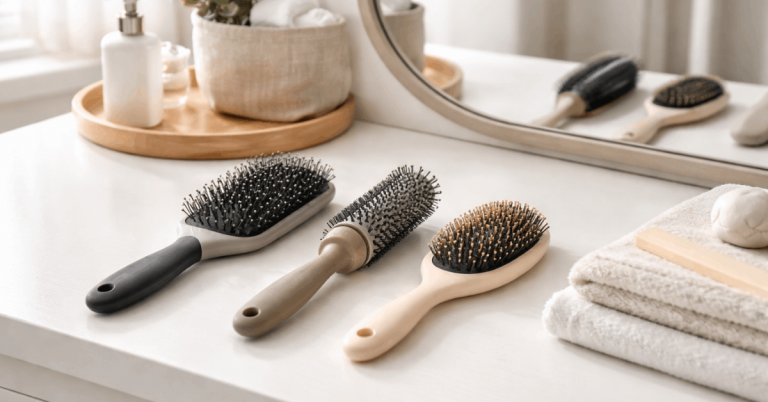
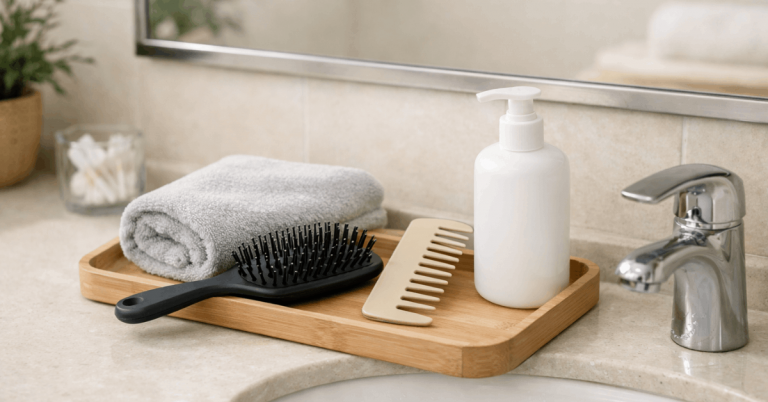
A small kit works better than a drawer of brushes that do the same job. Choose tools with gentle contact and precise control for everyday short lengths.
Use a Smaller Brush for Fringes and Short Layers
Large paddle brushes can feel awkward around cropped layers, a fringe, or the nape. A compact round, small paddle, or soft grooming brush offers more control.
The ghd ceramic vented radial brush, Size 1 has a 25mm barrel intended for short styles, fringes, and shorter layers; any gentle small-barrel brush may work. Use light tension and stop for root tugging or scalp scraping.
Keep One Comb for Wet Hair and Detail Work
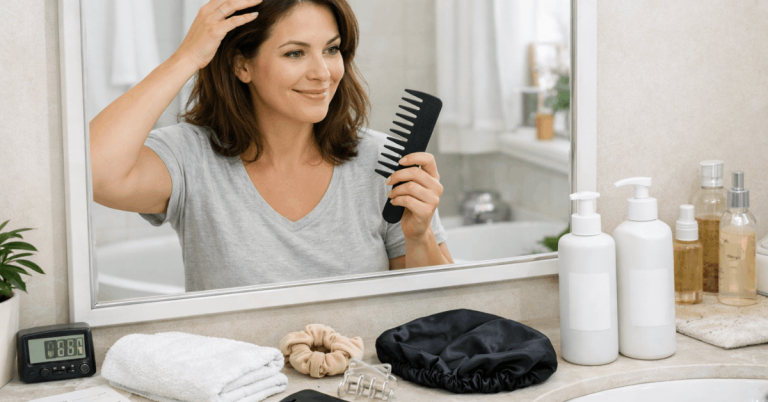
Use a wide-tooth comb to detangle damp hair with conditioner or leave-in, especially around the nape. A fine comb can shape a part or smooth a dry, side-swept section.
Do not force either through resistance, since short hair can snap near the crown or hairline. Clean the teeth often to prevent old product and shed hair returning.
Also Read: Simple Skincare Routines That Actually Work
Dry and Style With Less Friction
Short styles often dry quickly, so there is rarely a reason to use the hottest setting. Start with gentle drying and use heat only where it helps on busy mornings.
Press Water Out Before Reaching for a Dryer
After washing, press hair with a microfiber towel or cotton T-shirt instead of rubbing it. This reduces surface roughness around a short crop.
Air-dry briefly, then use a dryer on low or medium heat for lift, fringe shape, or speed. Less friction and more patience make styling easier before product.
Save Direct Heat for the Parts That Need It
A blow-dryer may be enough when airflow follows the direction hair should sit. Use an iron, wand, or heated brush only for a fringe, cowlick, or front section.
Apply heat protectant, keep the tool moving, and start with the lowest setting. Fewer passes protect fragile ends, natural softness, and your scalp.
Keep Product Use Light and Intentional
Short hair can show buildup quickly because excess wax, oil, cream, or spray stays close to the scalp. Apply small amounts and make one change at a time when hair looks noticeably heavy during the week.
When Roots Look Greasy or Flat?
If roots become oily quickly, check whether conditioner, oil, or styling cream is reaching the scalp. Use smaller amounts, warm products in your palms, and focus on sections needing definition.
Rinse shampoo carefully and avoid brushing product through roots after styling. These changes can improve root lift, cleaner texture, and time between washes.
When the Scalp Feels Dry or Uncomfortable?
Flaking, itchiness, tightness, or soreness can follow overwashing, scratching, strong products, or changing weather.
Simplify the routine, use lukewarm water, and avoid adding oils or exfoliating products just because the scalp feels dry.
Persistent redness, thick scaling, painful bumps, sudden shedding, or patchy loss deserves advice from a dermatologist or qualified clinician.
Protecting scalp comfort and noticing persistent symptoms is better than testing several products at once.
Protect Short Hair Between Washes
Collars, helmets, pillows, hats, and frequent touching can change short hair faster than expected. Reduce daily friction and repeated tension instead of restyling every small movement before leaving home.
Make Nighttime Care Quick but Helpful
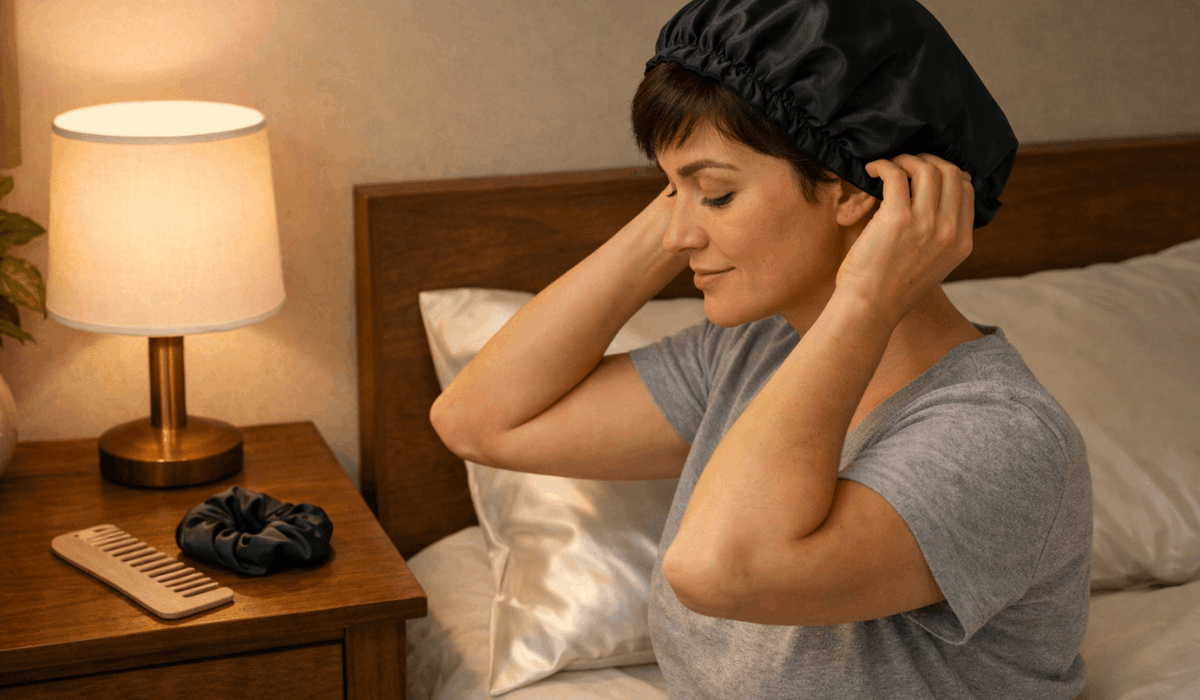
Before bed, use one gentle pass to remove surface tangles, then leave hair loose or in a low-tension style if needed.
Avoid sleeping with dripping wet hair, because damp sections can flatten, tangle, and feel uncomfortable by morning.
A smooth pillowcase and clean bedding can reduce the need to overwork hair the next day. This habit supports calmer mornings, less breakage, and an easier reset.
Clean Tools and Replace Worn Pieces Early
Remove hair from brushes and combs often, then wash away styling residue before it hardens into bristles or teeth. Check for sharp comb seams, bent brush pins, loose handles, or clips that pinch and catch.
Replace a tool when it snags, scratches, or makes styling harder, even after cleaning. Clean equipment protects hair and scalp, predictable styling, and tools you already own.
Conclusion: Build a Routine That Fits Your Cut
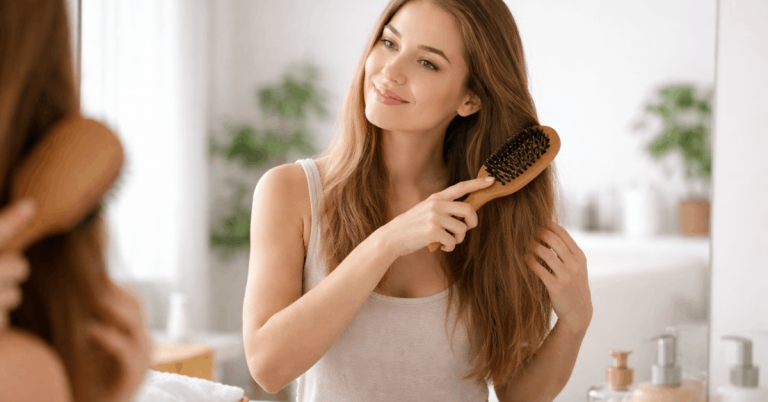
Short hair needs consistent care, not constant correction. Keep the routine centered on scalp balance, light product use, and gentle tools that match your style.
Notice how hair looks after normal mornings, workouts, and sleep before adding a product or changing your wash schedule.
With reliable habits, short hair can stay comfortable, tidy, and easy to manage through normal seasonal changes without extra expense or unnecessary steps.