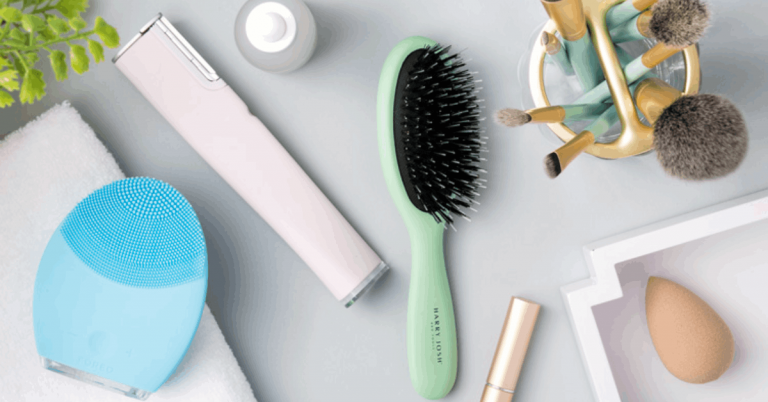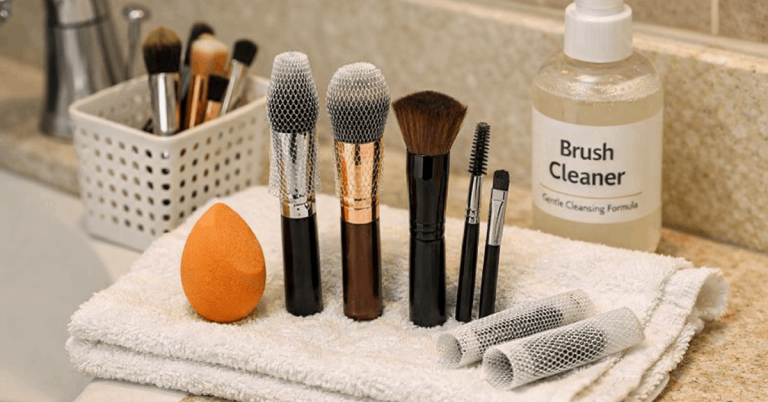
A minimal beauty tool collection keeps the pieces that make your routine easier. Your brush, mirror, trimmer, and drying tools should solve regular problems rather than sit unused after one enthusiastic purchase.
This approach helps in small or shared spaces. Identify daily essentials, remove duplicates, and add replacements without another project.
Begin With Your Actual Week, Not an Ideal Routine
Lay every tool where you can see it, then think about the past seven days, not an ideal routine. Useful items support repeat habits, stay easy to clean, and work without an elaborate setup.
- Keep tools used weekly or more.
- Pause before replacing a working duplicate.
- Remove items that create more steps than results.
Choose Hair Tools Based on Texture and Routine
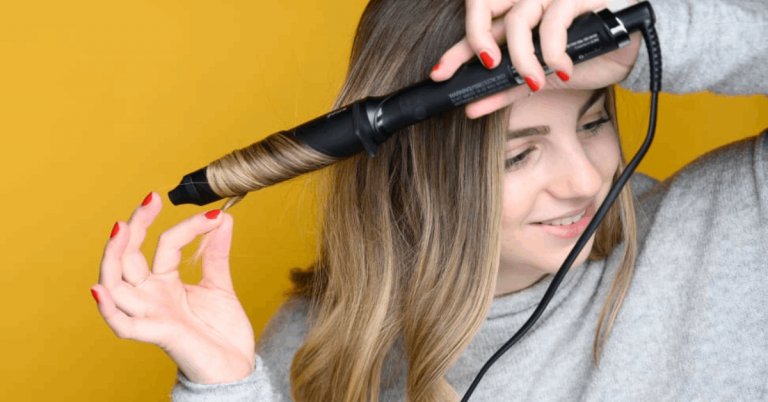
Hair tools multiply quickly through brushes, dryers, irons, rollers, clips, and attachment sets. A practical kit should reflect your natural texture and the finish you create often, not every style you might attempt.
Start With One Reliable Detangling Tool
A wide-tooth comb, flexible detangling brush, or both may be enough, depending on your hair when wet. Choose the Tangle Teezer Ultimate Detangler only if a handled wet brush suits your wash-day routine; it is not required for everyone.
Dense curls and coils may still need fingers, conditioner, and sectioning. The test is whether the tool reduces pulling at the ends and fits your usual wash routine.
Add One Tool for Everyday Shape
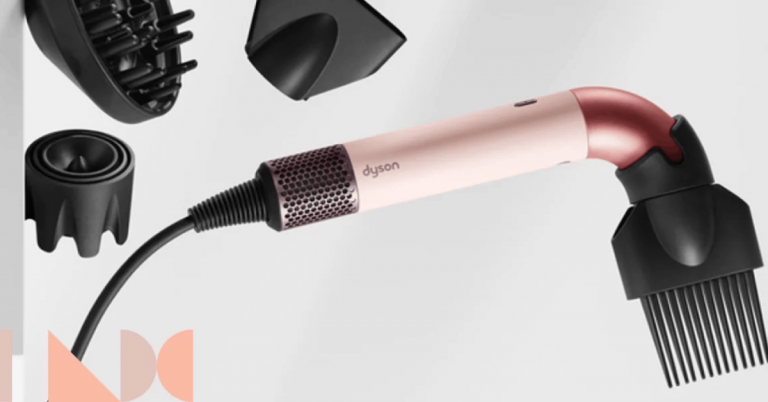
A compact dryer with adjustable heat can be more useful than several hot tools when you dry roots or smooth front pieces.
Choose a round brush, diffuser, or flat iron only when you use that finish regularly and understand its heat limits.
People who air-dry most days may prefer clips, a smoothing brush, or a satin scrunchie. One styling option encourages consistent technique over unfamiliar tools.
Keep Accessories Small and Specific
Clips, hair ties, a rat-tail comb, and a travel pouch can solve more problems than another electric device. Pick accessories that keep sections apart, reduce tension, or protect tools during travel.
Remove stretched elastics, rough clips, and broken combs because they cause unnecessary tugging. Dependable extras make wash days and rushed mornings easier without filling a basket.
Keep Skincare Tools Simple and Hygienic
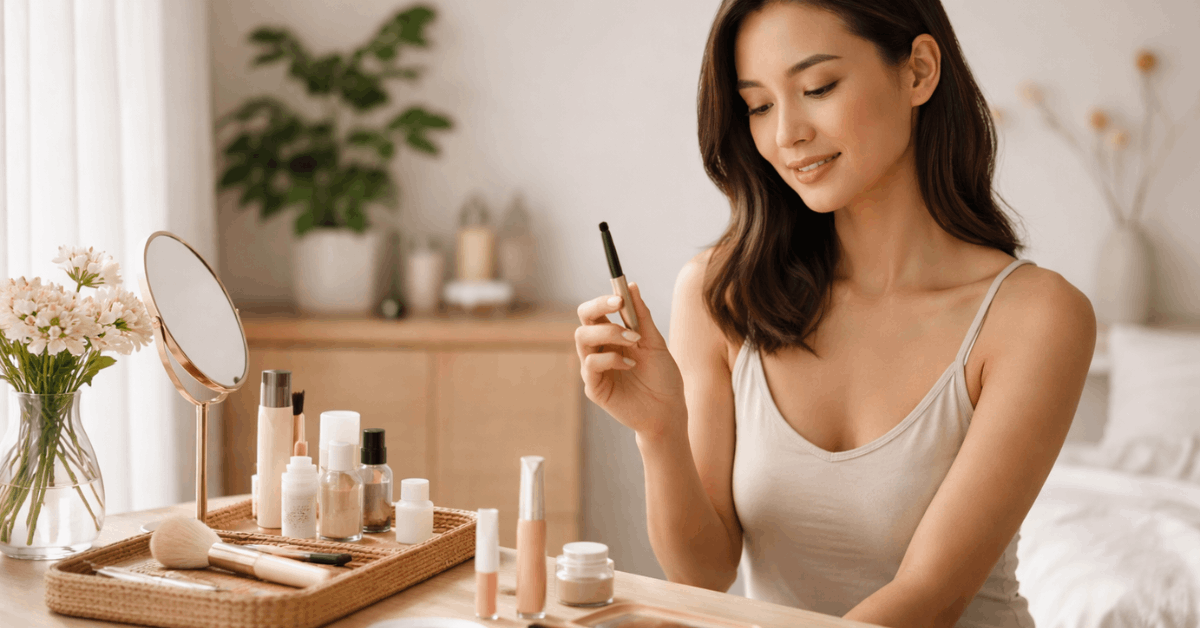
Skin care becomes complicated when every concern gets a separate gadget, even when the basics work. Prioritize tools for gentle cleansing, precise grooming, or a treatment you use as directed.
Also Read: Best Hair Styling Tools For Daily Routines That You Can Actually Maintain
A Clean Cloth and Tweezers Cover Many Needs
A soft reusable cloth can remove cleanser or mask residue, while tweezers handle occasional brow maintenance. Store both where they can dry fully, and do not share them without cleaning because close contact makes basic hygiene matter.
A magnifying mirror may help with details but can invite over-tweezing. Choose good lighting and steady hands over tools that encourage picking.
Treat Devices as Optional, Not Essential
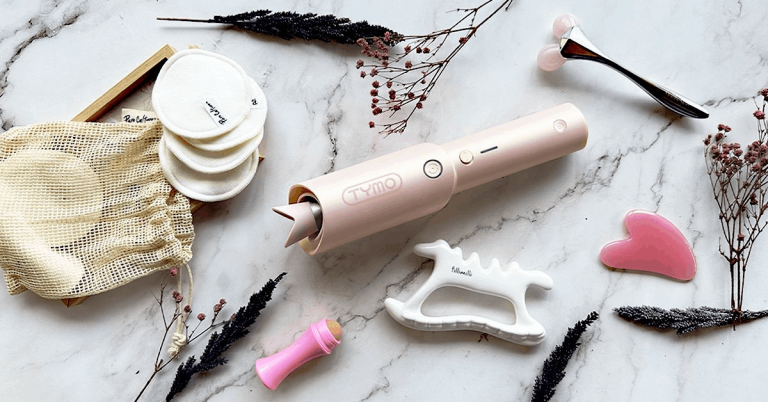
A facial massager, silicone cleansing device, or LED tool may be useful when it fits your skin and is easy to clean. It cannot replace sunscreen, gentle cleansing, or medical advice for persistent acne or irritation.
Before buying, check washable surfaces, charging instructions, and a realistic schedule. If it stays boxed after two weeks, it is not serving a recurring need.
Keep Grooming Tools Focused and Maintainable
Small grooming tools are easy to collect because they look inexpensive and take up little space. Build around safe basics and replaceable parts, then resist kits with five versions of a rare task.
Build a Compact Nail and Brow Set
A clipper, file, tweezers, spoolie, and small scissors cover routine home maintenance. Choose stainless steel where possible, clean tools after use, and store sharp points in a dry case.
Avoid cutting cuticles deeply or using dull blades, since both leave rough edges and small skin injuries. A compact set works when every piece has a familiar job.
Use a Trimmer Only When It Replaces a Real Step
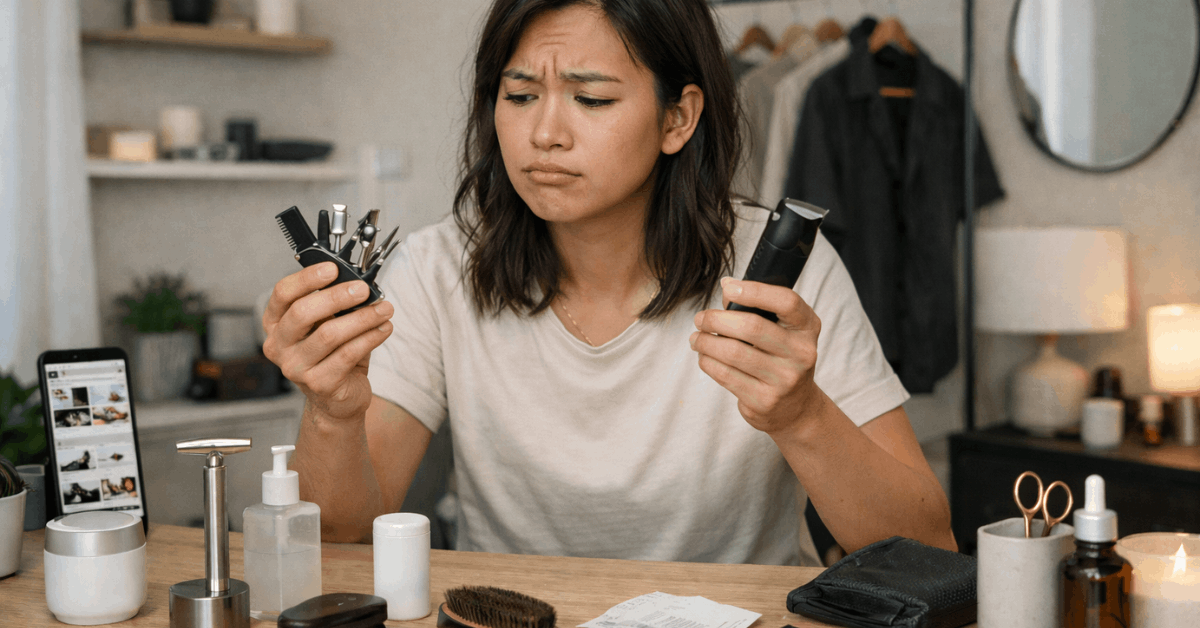
A rechargeable trimmer can make sense for facial hair, brows, body grooming, or quick touch-ups when you use it safely and often.
Check attachments, battery type, cleaning method, and replacement-head availability before calling a multi-head kit a bargain.
Do not add a device merely because it promises many functions; unused guards and charging cables create storage clutter. Ask whether it replaces a service, a manual tool, or repeated inconvenience.
Store Tools Where You Can Reach and Clean Them
A minimalist setup fails when the remaining tools are hidden under towels, scattered across sinks, or stored damp. Give each category a clear home and enough airflow to keep surfaces clean between uses.
Use One Visible Zone for Daily Items
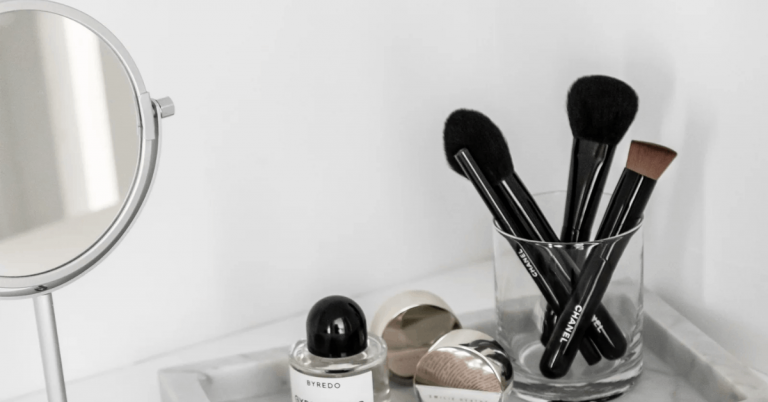
A shallow tray, divided drawer, or small caddy can hold the tools you reach for every morning or evening. Keep water-sensitive pieces away from sink splashes, and separate hair items from face-contact tools so residue does not travel.
Visibility helps you notice when a brush needs cleaning or a tool has not been used for weeks. That makes daily access easier while stopping visual clutter from spreading across the counter.
Create a Replacement Rule Before You Need It
Replace a tool when it snags, loses alignment, holds odor after cleaning, or no longer works safely. Do not replace something simply because a new color, attachment, or viral trend appears online.
A “one in, one out” rule can help when the new item solves a genuine problem better than the old one. This ties spending to wear and usefulness rather than impulse and novelty.
Conclusion: Let the Collection Change Slowly
A minimal kit should evolve when your hair, skin, living space, or schedule changes, not because a drawer looks too empty.
Review it every few months, move unused items out of reach, and see whether you miss them before buying replacements. Keep daily-use tools clean and accessible, while treating specialty pieces as optional rather than automatic.
The result is a calmer setup that supports your real routine instead of asking you to manage more than needed.