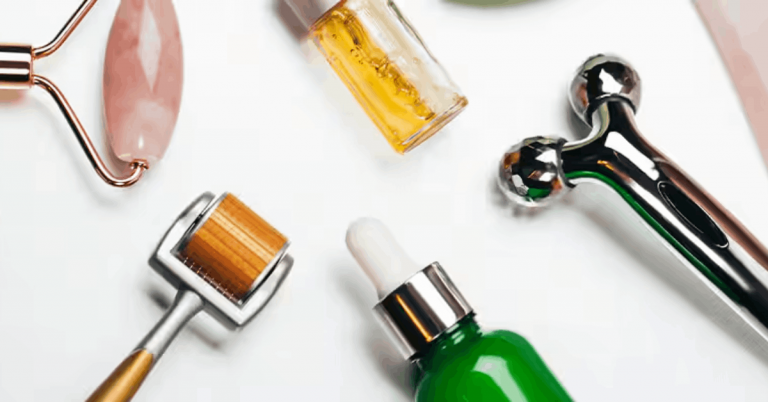
Beauty tools wear out because they are put away damp, hot, tangled, or buried under other items. A better setup protects bristles and cords and skin-contact surfaces while making the morning routine easier to start.
This guide covers storage for brushes, styling devices, skincare tools, makeup brushes, and grooming items. You do not need a large vanity; you need clear zones and a few habits you can repeat.
Set Up Storage Zones Before You Buy Organizers
Start by separating tools according to moisture, heat, and where they touch your body. The goal is easy access without trapping water, product residue, or heat.
- Keep damp tools apart from dry items.
- Give hot devices a cooldown spot.
- Separate face tools from hair tools
Brushes and Combs Need Air Around Them
Hair brushes and combs collect oil, styling residue, and loose hair even when clean. Their storage should protect bristle shape and allow remaining moisture to escape.
Separate Dry Brushes From Recently Washed Ones
A clean brush should never go straight from the sink into a closed drawer or cup. Remove loose hair, wipe the handle, and leave recently washed tools on a towel until they are fully dry.
Wood handles and cushioned pads are especially vulnerable to trapped moisture and long steam exposure. Keeping a drying corner prevents a damp brush from touching the rest of your tools.
Choose an Open Holder for Everyday Use
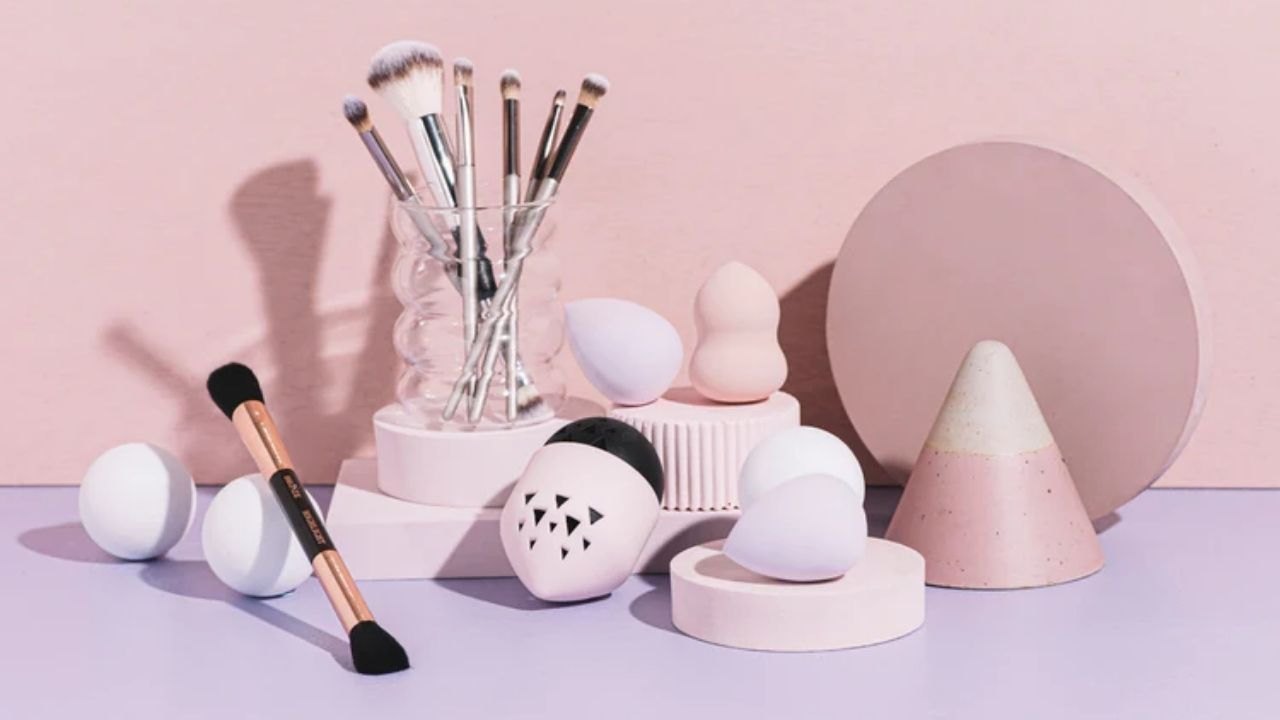
A vented holder or divided tray keeps brushes visible without crushing their heads. Place it away from sink splashes and direct shower steam, then store brushes with enough room to avoid bent bristles and crowded handles.
If several people share the bathroom, assign each person a section rather than mixing every brush together. The setup does not need to look decorative; it needs to keep tools dry, upright, and easy to find.
Also Read: Best Hair Styling Tools For Daily Routines That You Can Actually Maintain
Give Heat Tools a Proper Cooldown Routine
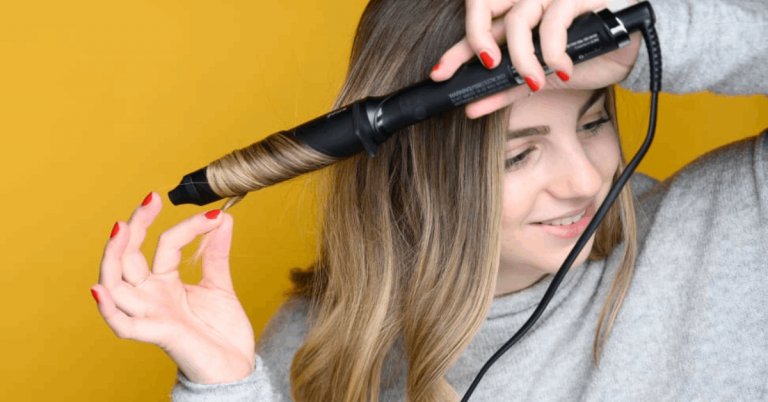
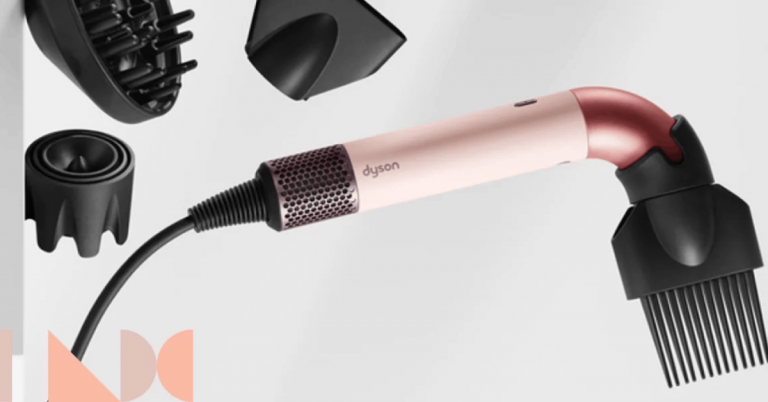
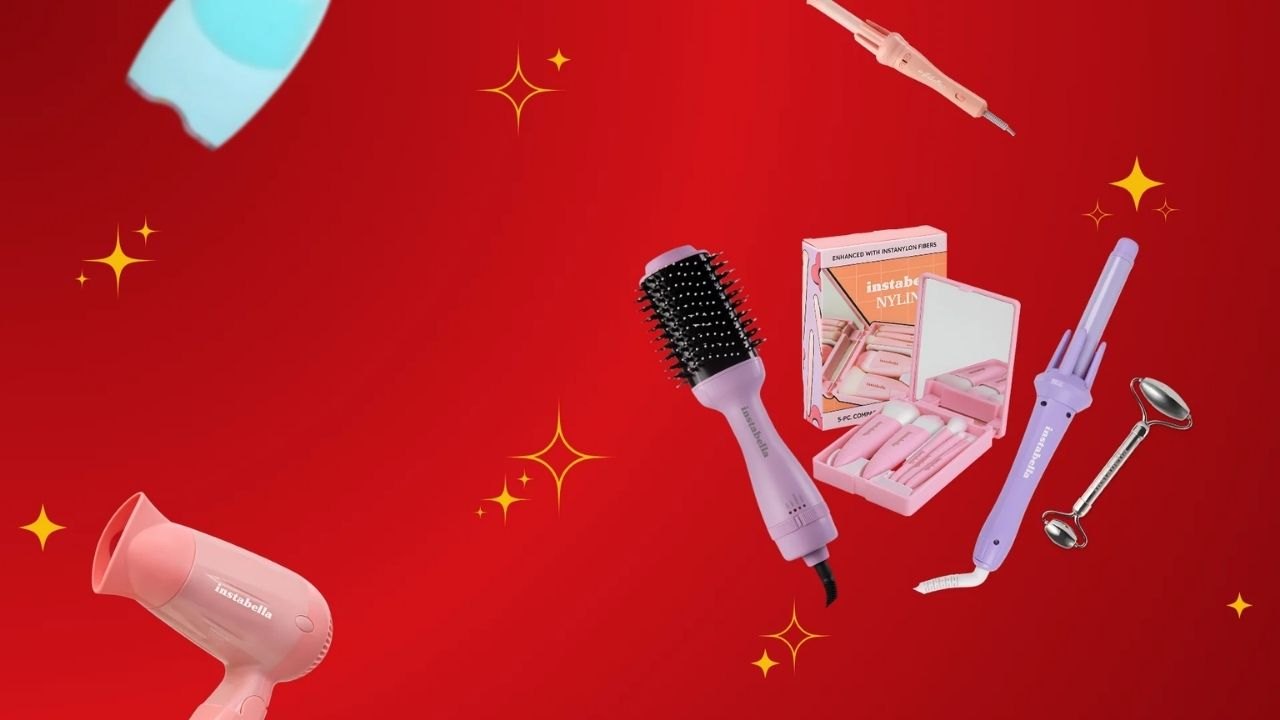
Flat irons, curling wands, dryers, and heated brushes last longer when their barrels and cords are not forced into storage too soon. A consistent cooling area protects surfaces, plugs, and the habit of leaving a tool unattended while hot.
Protect Cords From Tight Bends and Pulling
Do not wrap a cord tightly around the handle after each use, even when the tool comes with a storage loop. Make wide loops, secure them with a soft fabric tie, and keep the plug from bending sharply at its strain point.
When several devices share one drawer, use separate slots or ties so cords do not knot into a heavy bundle. Repeated kinks may damage the wiring before the outside cover shows obvious wear.
Create One Safe Landing Place While Tools Cool
A heat-resistant silicone mat gives a hot device somewhere stable to rest after styling. Put it near the outlet but away from water, towels, aerosol products, and curious hands, then leave the appliance alone until the barrel feels cool.
This cooldown habit helps protect countertops and drawer interiors from lingering heat. Once cooled, move the tool into a caddy or drawer with its cord loosely coiled.
Keep Skincare and Makeup Tools in Separate Areas
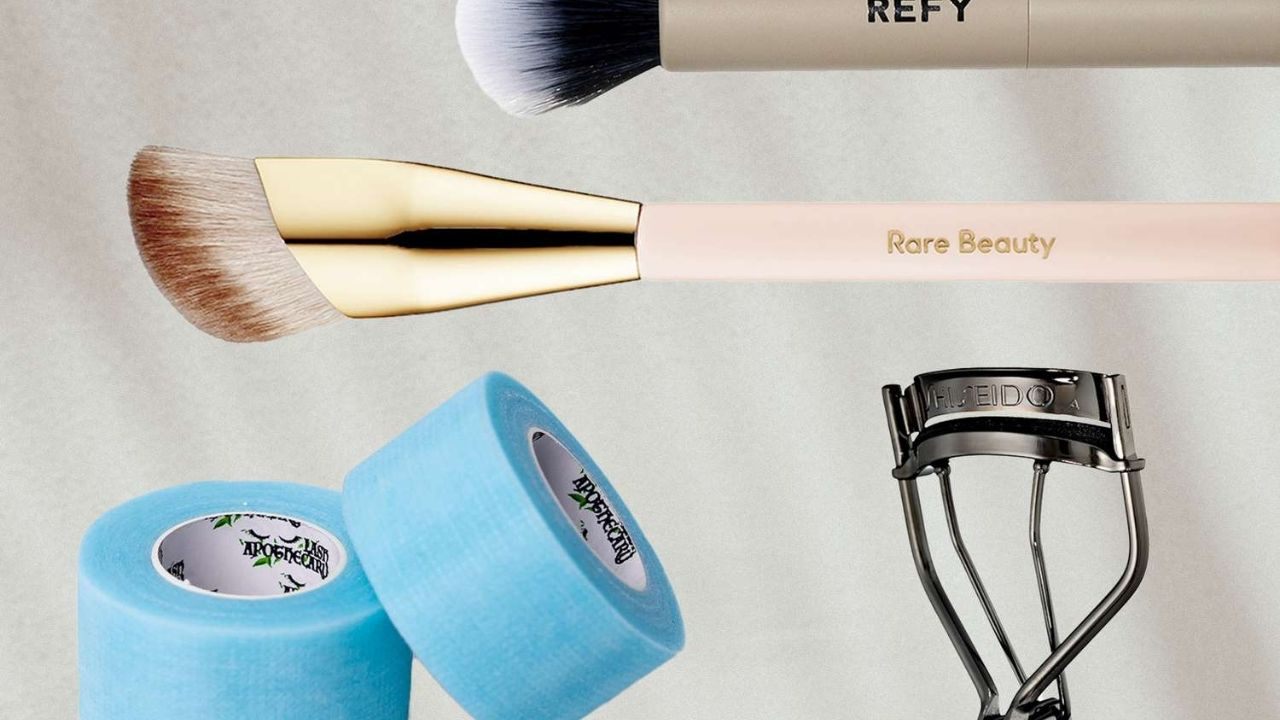
Anything that touches the face deserves a cleaner storage zone than hair accessories or makeup sponges. Separating items reduces product transfer and makes cleaning routines easier to notice before tools become grimy.
Make a Simple Home for Facial Devices
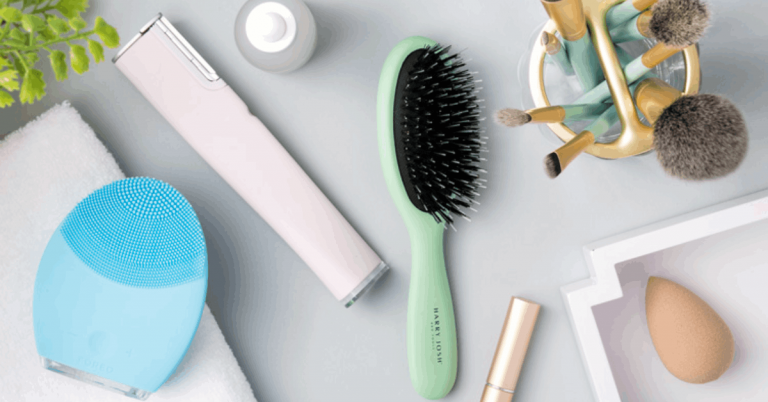
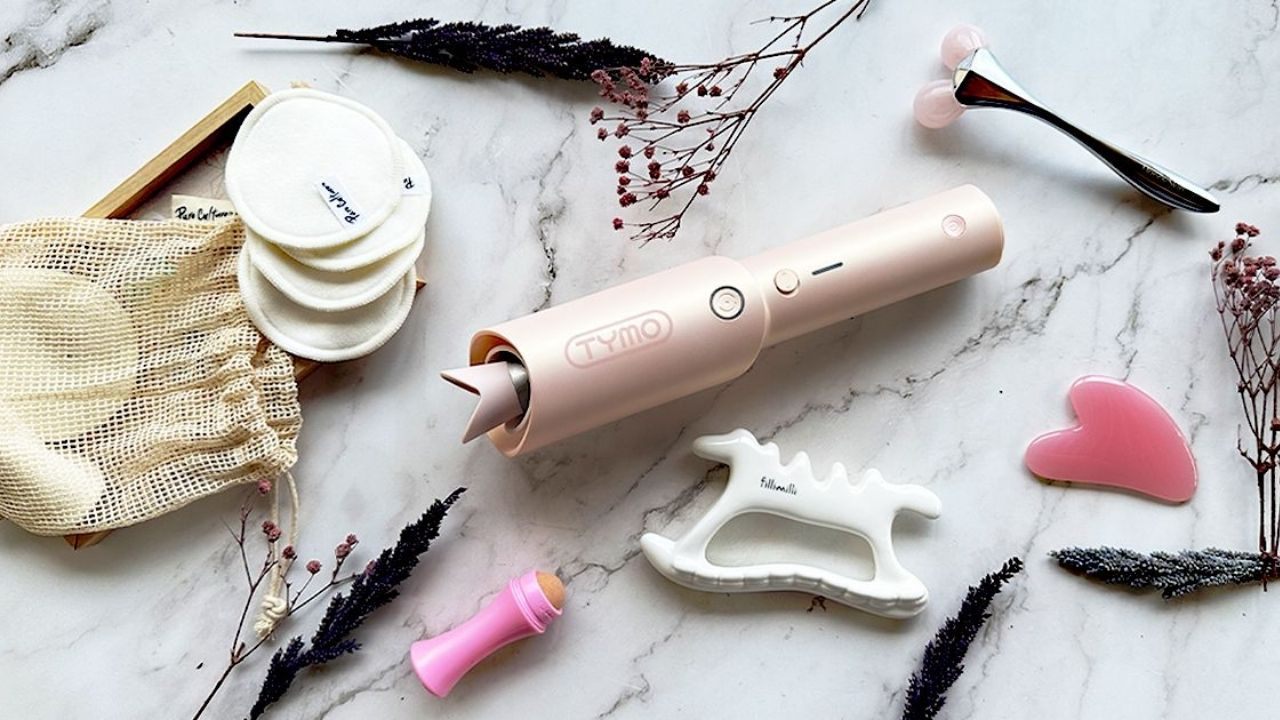
Keep cleansing brushes, silicone pads, reusable applicators, and facial devices on a washable tray or shelf. Avoid placing them beside hairspray, dry shampoo, or oily styling products, since airborne residue can settle on surfaces that later touch skin.
A note in Google Keep can help you list cleaning days, replacement dates, and device instructions without relying on memory. Return each item to the same place after it is dry, rather than dropping it into a mixed bathroom bin.
Store Makeup Brushes to Preserve Their Shape
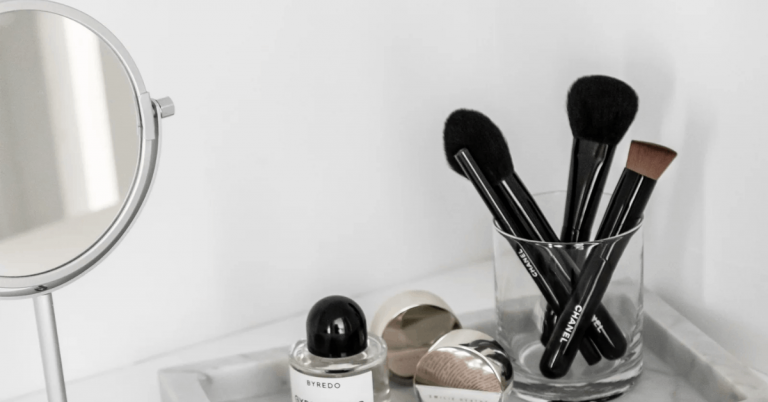
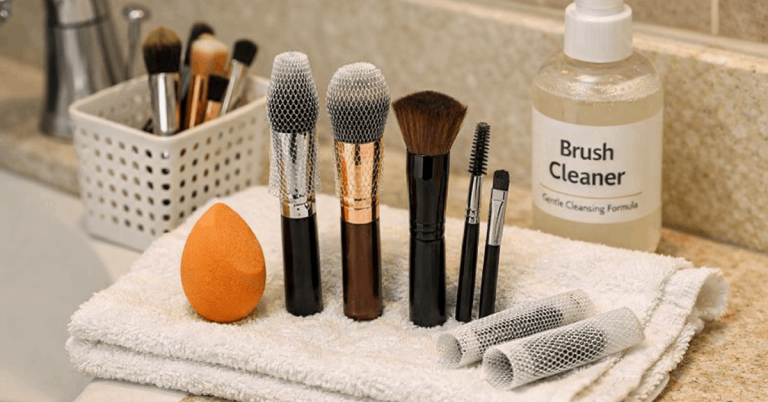
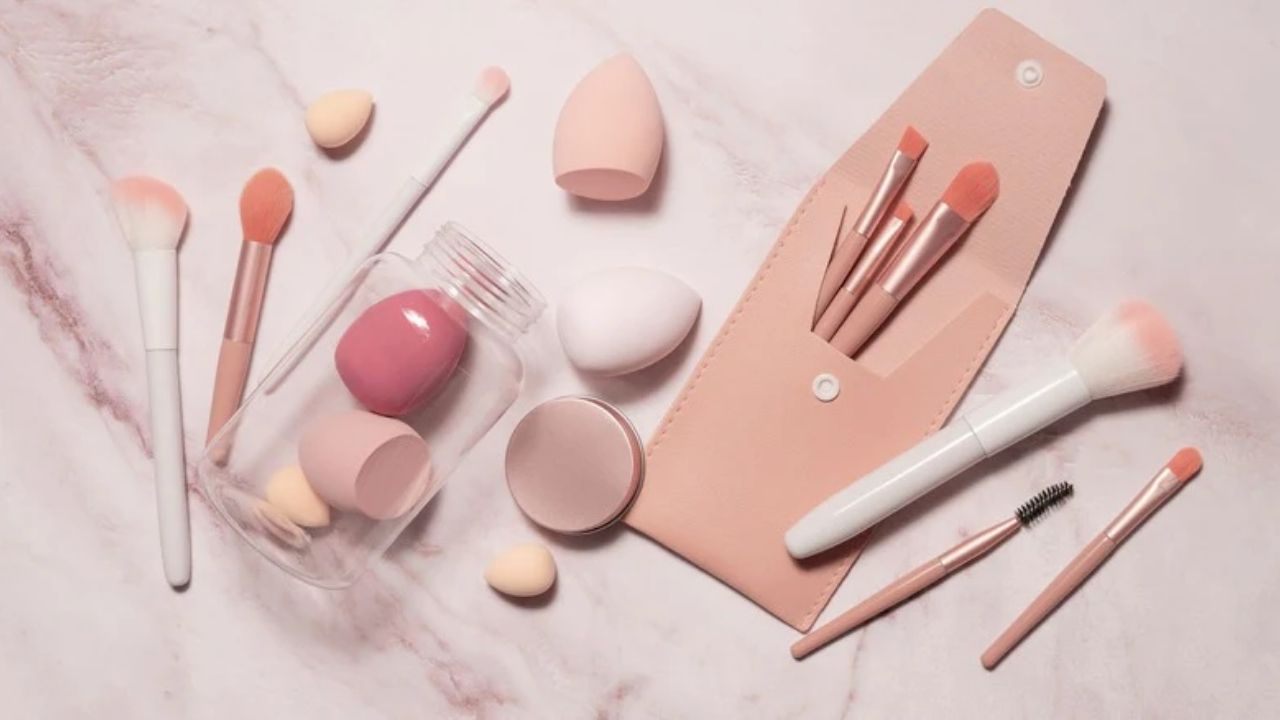
Face brushes carry heavier base products, while eye brushes need cleaner, more precise bristles. Use separate cups or a divided organizer, keeping every brush bristle-up only after it is completely dry.
For travel or narrow drawers, brush guards can protect fluffy heads and fine eye brushes from being flattened. Remove the sleeves at home so air can circulate overnight and any hidden moisture can disappear.
Protect Small Metal Tools From Humidity and Dulling
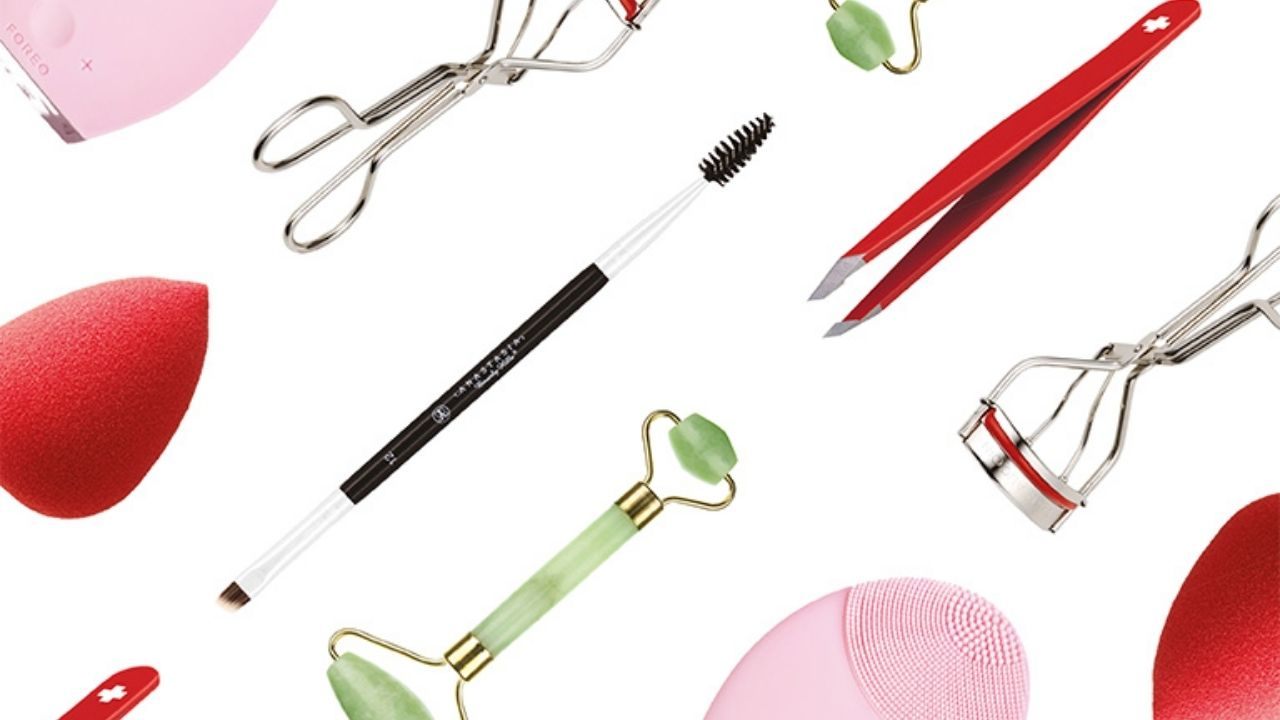
Tweezers, nail clippers, scissors, and files are easy to misplace because they slide around at the bottom of drawers. A dedicated case keeps sharp edges and metal surfaces protected from bathroom moisture and impact.
Keep Metal Away From Constant Bathroom Steam
A drawer outside the bathroom may be a better home for grooming tools when your space stays humid after showers. Wipe each item after use, disinfect it when appropriate, and let it air-dry before shutting it inside a pouch.
That routine reduces surface rust and sticky hinge residue that can make clippers pull instead of cut. Do not assume a closed case solves the problem if the tools go into it wet.
Use a Compact Case Instead of a Loose Drawer
A zip pouch with elastic loops prevents tweezers from losing alignment and keeps scissor tips from nicking other tools.
Add a small silica-gel packet only if it remains clean and out of reach of children or pets, then replace it when it is no longer effective.
Check the case monthly for escaped moisture and hidden debris around the seams. When a tool starts slipping, clean it first and inspect for bent tips before deciding it needs replacement.
Conclusion: Keep the System Simple Enough to Use Tomorrow
Storage works when each tool has an obvious place and returning it takes only a few seconds. Start with the damp-versus-dry rule, add a reliable cooldown surface, and keep face-contact tools separate from everything else.
Once a week, clear loose hair, wipe trays, and check cords, bristles, and metal joints before damage becomes expensive. A tidy routine is not about owning matching organizers; it is about protecting the tools you already reach for.