A freshly washed head feels clean for about four hours. Then the worry kicks in. That greasy feeling at the roots sends you right back to the shampoo bottle.
This cycle of daily washing is one of the fastest ways to overwork your hair. And the damage builds so gradually that you blame genetics instead of your morning routine.
Learning to avoid overworking your hair daily starts with understanding one uncomfortable idea: your shampoo habit might be the problem, not your hair.
The fix is simpler than the haircare industry wants you to believe. But it does require sitting through a few awkward days.
Why Daily Shampooing Strips More Than Dirt
The instinct to shampoo every morning comes from a misunderstanding about sebum, the oil your scalp produces naturally. Sebum coats each strand, adding pliability and shine. Strip it daily with detergent-based shampoos, and the scalp panics. It produces even more oil to compensate.
That creates a frustrating loop. Washing triggers more grease, which triggers more washing. After weeks of this cycle, the cuticle (the outer protective layer of each hair strand) starts lifting. Once the cuticle is damaged, frizz increases and split ends multiply.
The Cuticle Problem Nobody Connects to Shampoo
A single aggressive wash won’t ruin your hair. The damage is cumulative. Astringent shampoos, vigorous scrubbing along the full length, and scalding water work together over weeks to exhaust the cuticle.
The early signs are subtle: styling gets harder, static shows up randomly, and ends snag during combing. These signals often get misdiagnosed as “bad hair” when they’re really signs of overprocessed strands from a too-frequent washing schedule.
How Your Hair Texture Tells You When to Wash
Not all hair gets oily at the same rate. Sebum production depends on age, hormones, genetics, and even climate. But the biggest variable is hair texture, because the physical shape of each strand controls how fast oil travels from root to tip.
Straight and Fine Hair
Oil slides quickly along smooth shafts. Straight and fine hair can look greasy within 24 hours, making it the one texture where daily or every-other-day washing can make sense. Even here, though, skipping a day lets the cuticle recover.
Wavy Hair
Wavy strands sit between oily and dry. Spacing washes to every two or three days works well for this texture. The slight bend in the shaft slows oil distribution enough that daily washing becomes overkill.
Curly and Coily Hair
Oil moves slowly along bends and coils, so curly and coily hair runs naturally drier. Dermatology groups, including the American Academy of Dermatology, recommend washing tight curls and textured patterns once a week or even every other week, followed by deep conditioning.
| Hair Type | Sebum Behavior | Wash Frequency Range |
|---|---|---|
| Straight/Fine | Oil spreads fast along shaft | Daily to every 2 days |
| Wavy | Moderate oil spread | Every 2 to 3 days |
| Curly | Oil moves slowly, drier fiber | Once or twice weekly |
| Coily/Textured | Prone to dryness and breakage | Weekly to biweekly |
| Color-Treated/Damaged | Compromised cuticle, needs moisture | Every 2 to 5 days, gentle formula |
Takeaway: The drier and curlier your hair, the longer you can (and should) go between shampoos.
Signs That Point to Overwashing
Knowing you wash too much is easy to say, hard to feel. The following red flags mean your scalp barrier is disrupted, and cutting back should start immediately:
- Persistent flaking or tightness right after washing, which signals barrier disruption rather than dandruff
- Rough, snagging ends that lose elasticity when stretched gently between fingers
- Frizz and matte texture that resists even low-heat styling
- Styles that collapse within hours because the fiber lacks natural slip
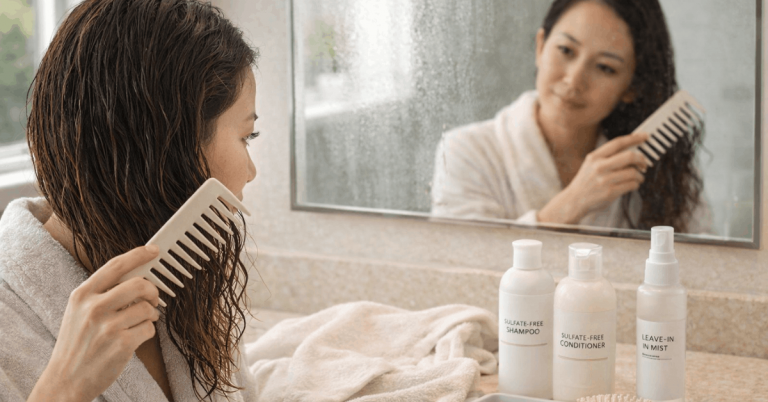
- Increased static and tangling despite careful detangling and wide-tooth combs
These symptoms overlap with other conditions. But if your routine includes daily shampooing, that’s the first variable to change.
Also read: How to Maintain Healthy Hair With Minimal Effort
My Problem With the “Just Use Dry Shampoo” Advice
I think the universal recommendation to bridge wash days with dry shampoo is overhyped, especially since products like Batiste and Dove Dry Shampoo leave starch-based residue that builds up on the scalp over consecutive days without periodic clarifying.
Every article about washing hair less says the same thing: grab dry shampoo. And sure, powders and sprays absorb surface oil and add grip. They work for a travel day or a busy morning.
The problem is that dry shampoo does zero cleaning. It masks oil. Starch particles sit on the scalp, mix with dead skin cells, and create a film that can clog follicles and cause irritation. Relying on it for three or four consecutive days defeats the purpose of reducing chemical exposure to your scalp.
A better approach during the transition period is water rinsing. Running warm water through hair removes sweat, salt, and visible dirt without detergent. Pair it with a scalp massage using fingertips (no nails), and the scalp stays comfortable without adding product residue.
Does water rinsing feel weird at first? Absolutely. But the scalp adjusts faster than most people expect.
Smarter Washing Technique: Even at the Same Frequency
Cutting back on wash days is only half the equation. How you wash matters just as much as how often.
Shampoo Goes on Roots Only
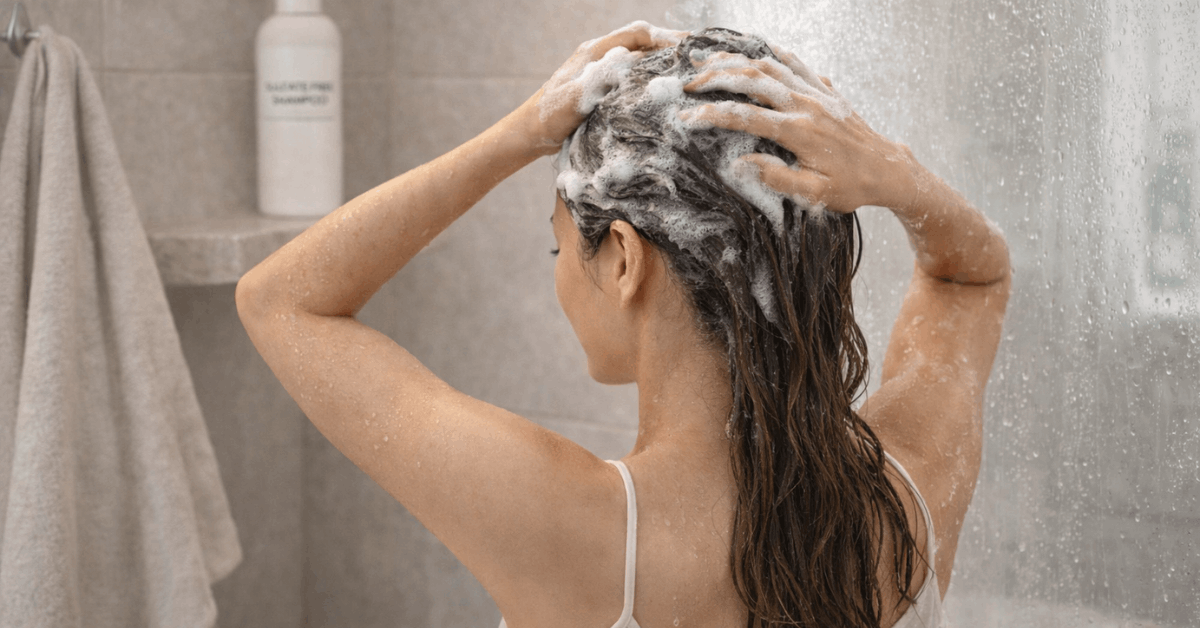
Apply shampoo directly to the scalp and roots. Massage gently with fingertips. Let the suds travel down the mid-lengths and ends during rinsing. This delivers cleaning where oil, sweat, and dead skin collect while protecting fragile ends from unnecessary detergent contact.
Temperature Matters More Than Product Price
Scalding water lifts the cuticle and strips moisture. Warm water gets the job done without the damage. Cold water at the end of a rinse can help close the cuticle slightly, adding a bit of smoothness.
Conditioner Placement Depends on Texture
For straight and fine hair, conditioner belongs on mid-lengths and ends only. Adding it to the roots weighs everything down. Curly and coily textures often benefit from root-to-tip conditioning, since the entire strand needs moisture that sebum alone can’t deliver.
One ingredient to watch: silicones. Non-evaporating silicones build up over time if you’re skipping traditional shampoo. A silicone-free conditioner avoids that accumulation between washes.
Co-Washing, Water-Only, and the Alternatives That Work
Reducing shampoo frequency opens the door to other cleansing methods. Each one solves a specific problem.
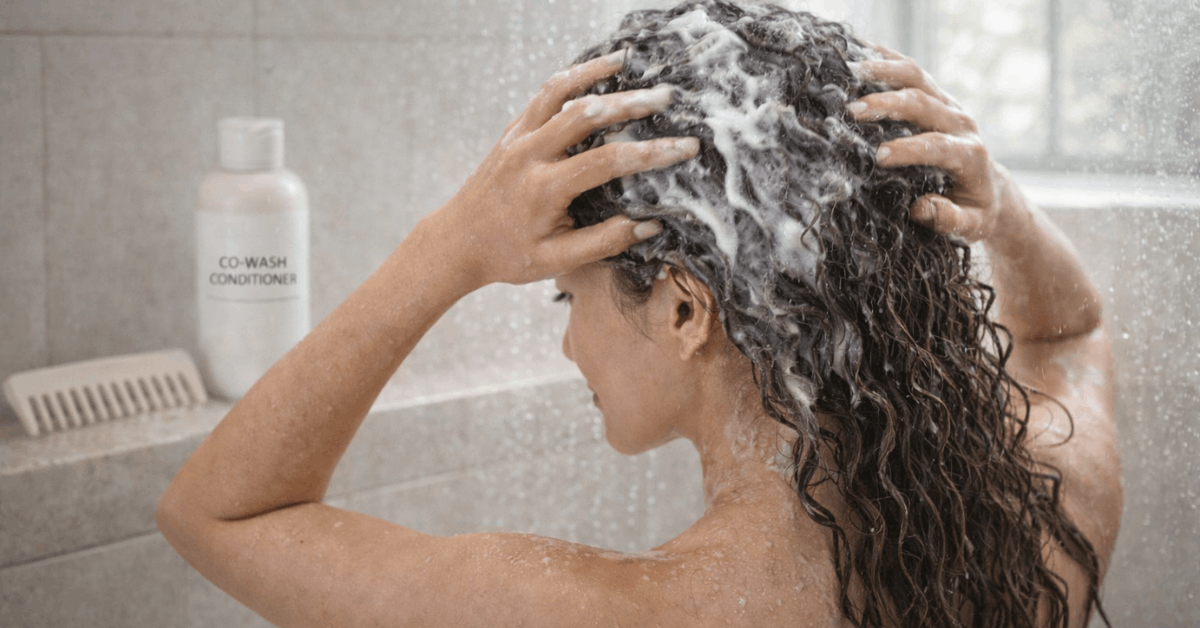
Co-washing uses a conditioner or a detergent-free cream in place of shampoo. It suits curly, wavy, and dry hair that loses softness after even mild shampoos.
The catch: scrub the scalp thoroughly, let the product sit briefly, and rinse until water runs clear. Skip conditioners loaded with non-evaporating silicones, or buildup will leave hair limp within a week.
Water-only rinsing removes sweat, salt, and surface debris. People committed to this method report calmer curls over time, though limited research backs the claims. Pairing water rinses with an occasional gentle cleanser keeps odor and biofilm in check.
Neither method replaces shampoo entirely for every hair type. Straight and fine hair still benefits from periodic detergent-based cleansing. The goal is frequency reduction, not elimination.
A Four-Week Plan to Stop Overworking Your Hair
Shifting from daily washing to a healthier cadence takes patience. This step-by-step timeline keeps the transition manageable:
- Weeks one and two: Extend the gap between washes by one day. Use a water rinse or scalp massage on off days.
- Week three: Swap one weekly shampoo session for co-washing. Focus the conditioner on mid-lengths and ends.
- Week four: Add a clarifying shampoo once or twice per month to remove product buildup. Track sweat, weather, and styling product use to fine-tune the schedule.
Active days with intense training or long helmet sessions can still include a light shampoo. The point is to stop defaulting to a full wash every single morning.
City pollution and pollen also justify an extra rinse on bad air quality days. A microfiber towel or soft cotton T-shirt during drying cuts friction, which matters more than people realize for preventing breakage.
Questions People Ask About Avoiding Overworking Hair
Q: Can washing hair every day cause hair loss?
Daily shampooing doesn’t directly cause hair to fall out. But chronic cuticle damage from aggressive washing leads to breakage, which thins the appearance of hair over time. Reducing frequency lets the strand rebuild its protective layer between washes.
Q: How do I know if my scalp is overproducing oil because of overwashing?
If your hair feels greasy within 12 hours of a wash, it’s a strong signal. The scalp ramps up sebum production when it’s stripped too often. Try extending one day between washes for two weeks and see if the greasiness calms down.
Q: Is co-washing safe for fine hair?
It can be, but product choice matters. Lightweight co-wash creams without heavy silicones work better on fine strands. A monthly clarifying shampoo prevents the buildup that makes fine hair look flat and lifeless.
Q: Should I stop using hot tools if I’m trying to reduce hair damage?
Cutting hot-tool use helps, but it’s not all-or-nothing. Lowering the temperature setting and using a heat protectant reduces cuticle stress. Pairing fewer wash days with fewer heat-styling sessions gives the hair shaft time to recover.
Q: Does hard water make overwashing worse?
Hard water deposits minerals on strands, adding stiffness and dullness. If your tap water is mineral-heavy, a clarifying rinse with diluted apple cider vinegar every couple of weeks can help remove buildup between shampoos.
Conclusion
Healthy hair depends on a clean scalp, not a stripped one, and daily shampooing crosses that line for most textures. The four-week transition plan works because it retrains both the scalp and the habit at the same pace.
Dry shampoo fills a gap on busy days, but water rinsing and co-washing handle the longer stretches without residue buildup. Start by skipping one wash this week, then let your hair tell you what it needs next.