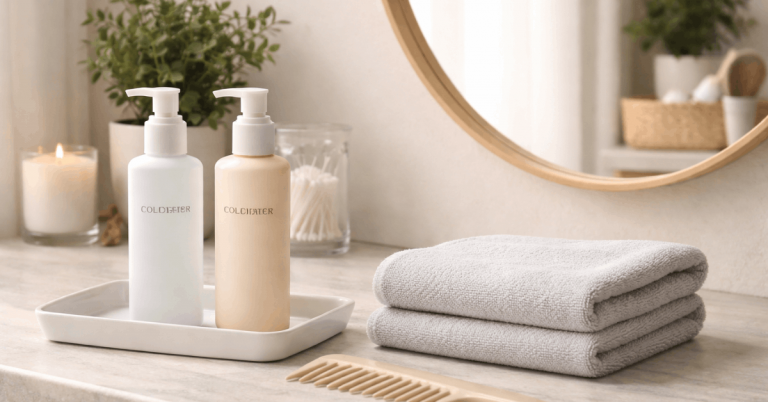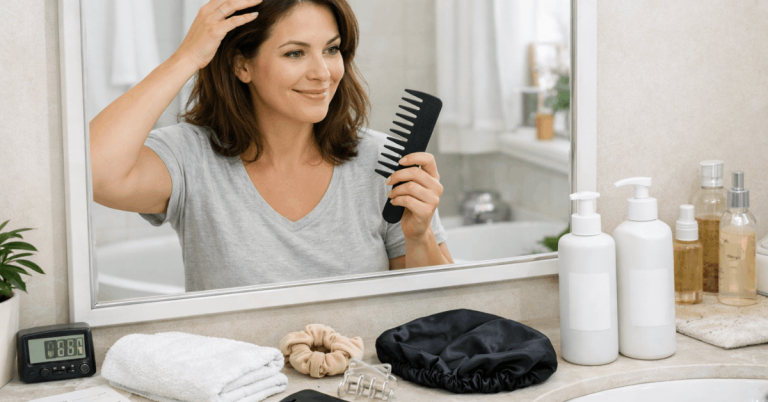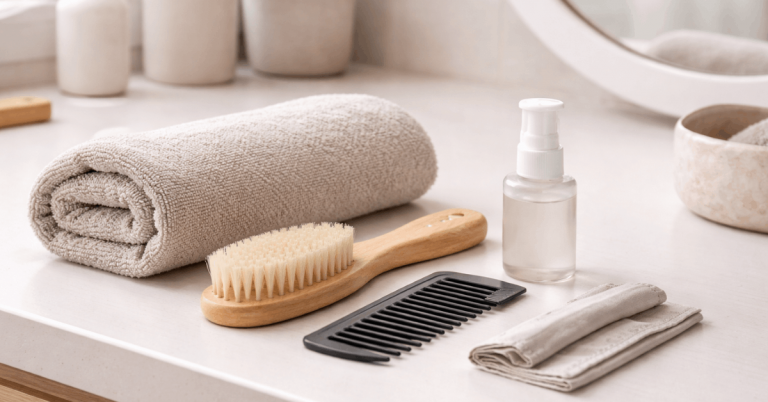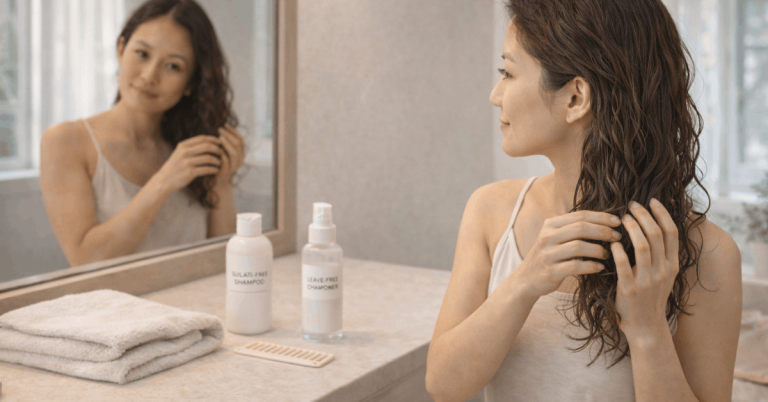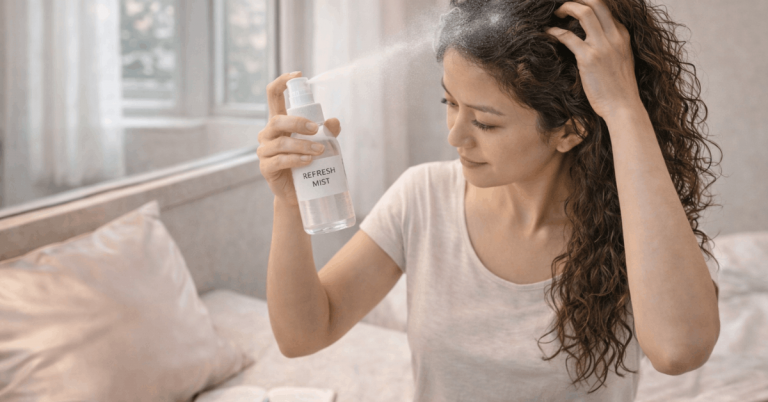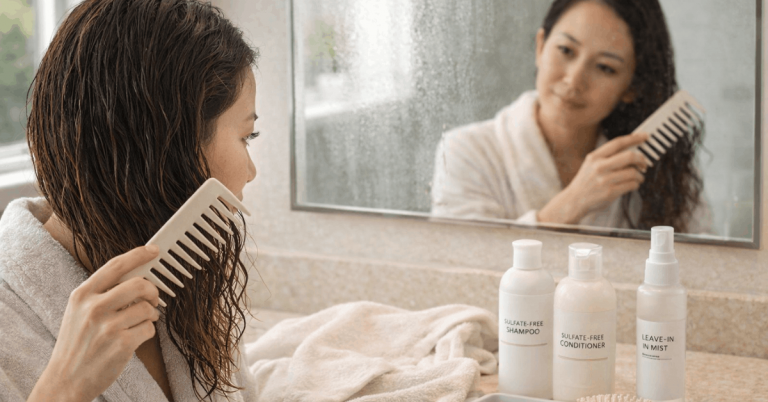
A minimal kit is not about owning the fewest bottles. Keep what earns its place: products you finish, tools that feel good, and steps for your week. How to build a minimal hair care kit starts with your real routine, not a shelf copied from a video.
This approach can suit students, parents, and travellers, and anyone who feels buried under half-used bottles. A smaller set makes reactions easier to notice and replacements easier to plan. When each item has a purpose, daily care feels lighter and your bathroom stays clearer.

Start With the Hair You Have Now
Before choosing anything, watch what happens between wash days. Does your scalp become oily after workouts, tight after hot showers, or flaky when the air turns dry? Those details beat labels claiming to suit everyone. Scalp comfort should shape your wash schedule.

Look at the lengths separately. Rough ends, nape tangles, fading colour, and flat roots may have different causes. Keep a short note for a week if you are unsure. You may find that the real trigger is humid weather, heat styling, or product residue rather than a missing treatment.
Pay Attention to the Day After Washing
Freshly washed hair can hide problems because conditioner has made everything feel smooth. Notice what happens after it dries: does it puff up, fall flat, feel heavy, or knot around the collar? Those clues show how hair responds and where your routine needs help.
Porosity labels can be useful, but they are not a shopping list. A lightweight leave-in may work for hair that feels coated, while a richer cream may suit dry ends. Test one change at a time and trust repeat results over packaging promises.
Build the Core Before You Add Extras
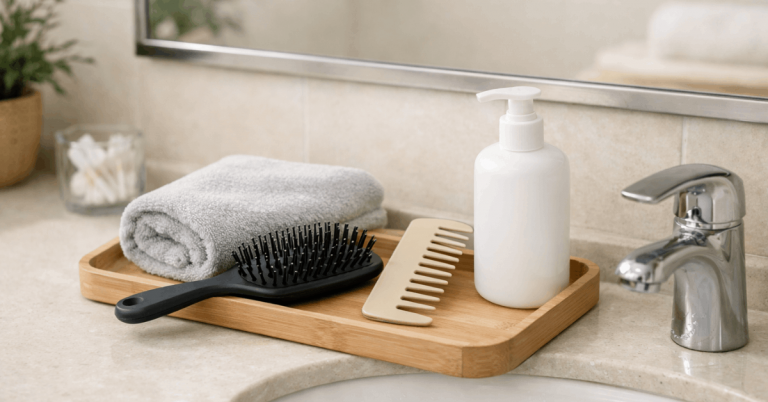
Most people can begin with four basics: shampoo, conditioner, a detangling tool, and one styling or leave-in product. Add heat protectant if you regularly dry, curl, or straighten. This covers cleaning, softness, and protection without creating a long wash day.
Your kit may look different if you swim, colour your hair, wear braids, or live in high humidity. Still, start small. Four useful items beat twelve possibilities. It keeps product tracking simple and prevents duplicate purchases.
Choose a Cleanser You Will Keep Reaching For
A shampoo should clean the scalp without making your lengths feel stripped after every wash. Some people need a lighter option after regular exercise; others need more moisture around dry, textured, or processed hair. Check the directions and intended use before adding it to your regular rotation.
SheaMoisture Raw Shea Butter Deep Moisturizing Shampoo is one official example for dry or damaged hair. It will not suit every texture, budget, or wash schedule. Read the product details, then judge whether the formula feels comfortable and the results stay consistent.
Give Detangling Its Own Place
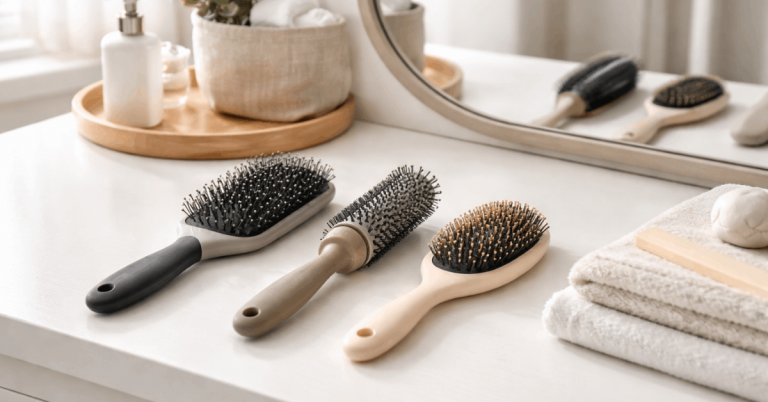
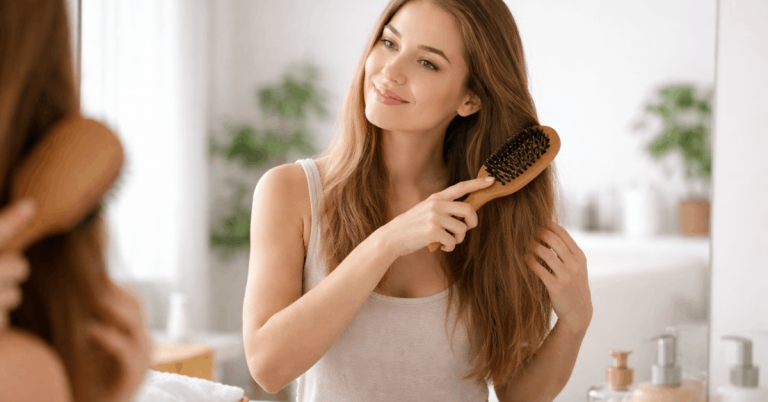
A wide-tooth comb, fingers, or a flexible brush can work well when matched to your hair and the moment. Wet, conditioned curls may need sections and slip, while fine hair may respond better to light strokes. Gentle detangling relies on lower tension, not a drawer full of brushes.
Tangle Teezer’s Ultimate Detangler is an official wet-hair brush example with two-tiered teeth. It may suit someone who detangles during conditioning or after a shower. Check the handle, tooth spacing, and cleaning needs. The best choice gives more control and less pulling.
Let Your Styling Tools Match Your Schedule
A minimal kit should support a few looks you can repeat, not demand the same finish every morning. You may air-dry with leave-in, stretch hair with a dryer, refresh curls, or smooth only the front. Repeatable styles matter more than perfect results.
For some people, a dryer and clips are enough. Others may use a diffuser, simple flat iron, or flexi rods. Keep the tools that support a style you wear often. Store occasional items away, while keeping your daily brush easy to reach and easy to clean.
Use Heat With a Clear Reason
Heat can be useful when it saves time or creates a style you enjoy. It becomes rough on hair when you keep raising the temperature because your hair was not prepared. Towel-blot, detangle, apply protectant, and work in sections first. That reduces repeat passes and unnecessary stress.
Use the lowest setting that works, then let hair cool before deciding it needs another pass. If you notice dryness or snapping, reduce the frequency or choose a lower-heat look. Your routine should not become a daily repair job or a source of pressure.
Also Read: Hair Care Basics for Busy Mornings
Keep the Kit Clean Enough to Stay Useful
A small kit is easier to maintain, but it still collects hair, dust, conditioner, and styling residue. Remove hair from brushes, rinse combs, wipe cooled tools, and close product lids. These actions protect tool performance and limit old buildup on clean hair.
Store tools where they can dry after shower steam or wash day. Avoid damp brushes in sealed pouches and hot tools on towels. Once a month, inspect handles, teeth, cords, and blades. This quick check keeps the drawer calm and the kit dependable.
A Short Reset Stops Clutter From Returning
You do not need a major organizing day. Once a month, check what is empty, expired, broken, duplicated, or never used. Keep a written note of true replacements. That protects your budget and prevents panic shopping when a favorite item runs out.
- Wash brushes and combs.
- Check lids, cords, and dates.
- Remove tools you no longer use.
Finish what still works, discard damaged items, and leave space for the products you use without thinking. The aim is not a photogenic shelf. It is a kit that feels simple to use and easy to maintain.
Leave Space for Changes, Not Clutter
A minimal routine can change with dry weather, humid weeks, pool days, workouts, or a new haircut. Let one need guide one adjustment instead of restarting everything. Small changes give clearer answers because you can see what is helping.
Start with the item causing the most frustration today: a brush that pulls, a shampoo you avoid, or a product that does nothing. Replace it first. Over time, how to build a minimal hair care kit protects your time, budget, and hair.