A rushed morning rarely leaves room for a full wash and styling session. Hair care basics for busy mornings should solve the problems you meet most: flat roots, loose tangles, and hair that will not sit right. The goal is presentable hair, not a salon result before coffee.
This guide suits anyone juggling work, school, family, or a long commute. A short routine works best when it is planned around your real hair, not someone else’s schedule. Fewer choices mean less morning stress and more time to leave calmly. It also leaves less room for frantic last-minute choices that often create more work later.
Let the Evening Do Some of the Work
Hair is easier to manage when it is not trapped damp against a pillow. Give it time to air-dry, or use a cool dryer setting before bed. This reduces strange bends and tangles while protecting tomorrow’s texture and your morning time.

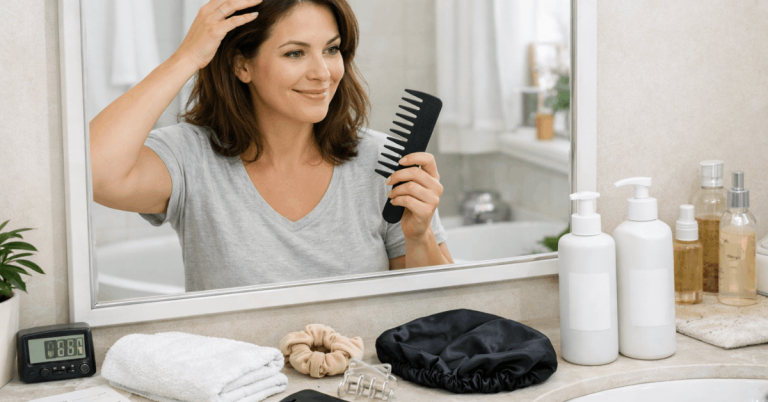
Think about night-time friction too. A loose braid, satin scrunchie, soft wrap, or bonnet may help keep lengths from rubbing against a pillow or collar. The aim is simple: wake up with fewer nape knots and less flattening at the crown.
Keep the Daily Tools in One Visible Spot
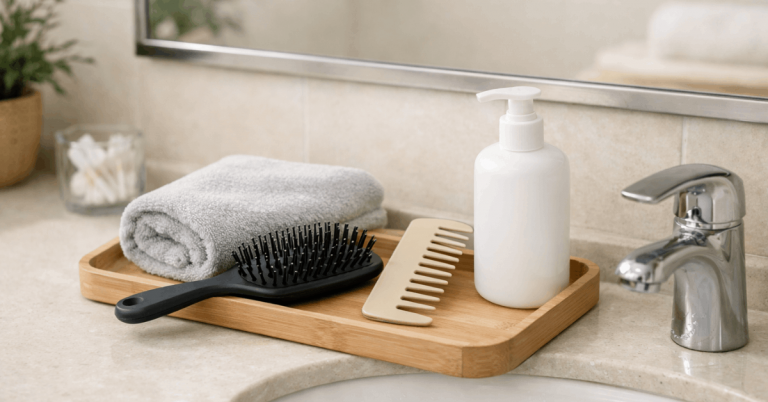
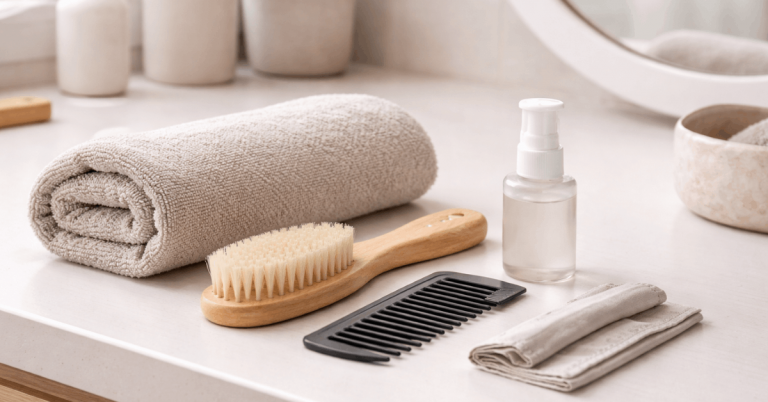
Searching through drawers is a quiet time-waster. Put your usual brush, clips, hair ties, leave-in, and root refresher in one tray near the mirror. A visible setup makes it easier to repeat a short routine without opening five different bottles.
Keep masks, spare tools, and occasional stylers somewhere else. The items within reach should handle your normal morning problems, not every possible one. Once a week, return loose pins and remove hair from the brush. That keeps daily tools ready and clutter out of sight.
Choose a Sleep Style That Does Not Pull
A tight bun may keep hair off your face, but it can leave a dent or sore hairline that needs fixing later. A loose braid, low tie, or wrap may work better. Look for lower overnight tension and less friction rather than a perfect style.
Curly or coily hair may respond well to a loose pineapple or satin wrap. Straight hair may only need gentle brushing and a soft tie at the ends. Try one change for several nights. Keep what gives you fewer surprise tangles without new scalp discomfort.
Refresh Roots Before You Commit to a Wash
Not every oily-looking root needs a full wash before leaving. A light brush, a new part, or a small amount of dry shampoo can sometimes buy you another day. This can save washing time and keep your lengths from extra handling.
Dry shampoo is a refresher, not a replacement for washing when the scalp feels itchy, heavy, or coated. Use a little, blend it through, and stop before residue reaches the hairline. That keeps second-day hair from becoming stubborn buildup.
Use Dry Shampoo With a Light Hand
Official product pages are useful for checking directions and ingredients. Batiste Original Dry Shampoo is one example marketed for refreshing roots between washes. It may suit a busy morning, but your scalp comfort and scent preference should decide whether it stays.
Shake the can, spray in small sections from a short distance, then wait before brushing it through. Aim to soften the look of oil, not recreate a fresh wash. A small amount gives a quicker refresh and less visible residue.
Treat Tangles Before They Become a Fight
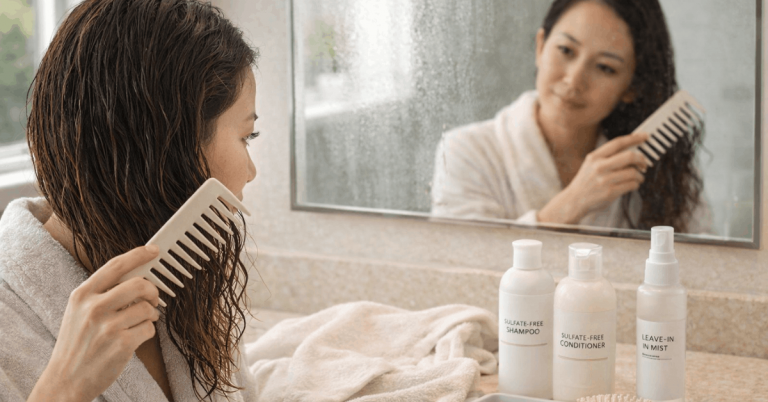
Tangles get harder when they are ignored until the last minute. If hair catches around the nape or ends, release it before adding heat or tying it back. Start at the ends, hold above the knot, and move up slowly. That reduces scalp pulling and breakage at the ends.
Fine hair may need only a few gentle strokes. Curls, coils, and dense hair often need smaller sections and some slip from leave-in conditioner. Fingers can free a knot before the brush touches it. The goal is smooth movement without a sore scalp afterward.
Keep One Brush for Fast, Gentle Detangling
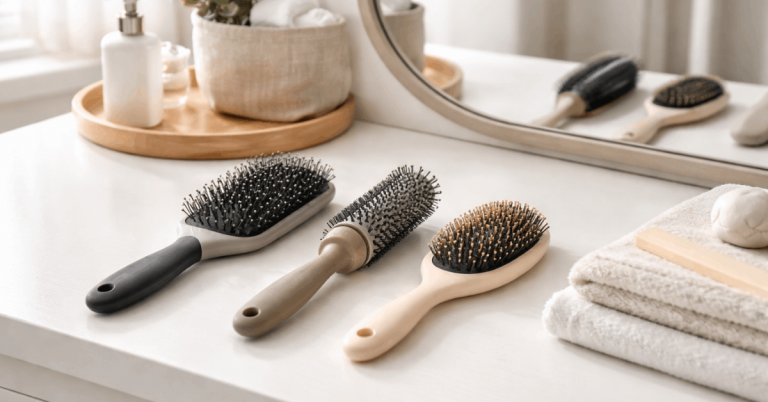
A brush that catches or scratches can make you postpone detangling until it becomes harder. Tangle Teezer’s Ultimate Detangler is an official wet-hair brush designed for detangling and smoothing. It may work well with conditioner, depending on your hair density and wash-day habits.
You do not need a new brush if yours already glides comfortably. Check that it is clean, dry, and free from bent teeth or cracked edges. Remove shed hair often. A well-kept brush saves more time than a drawer of backups.
Use Heat Only Where It Makes a Difference
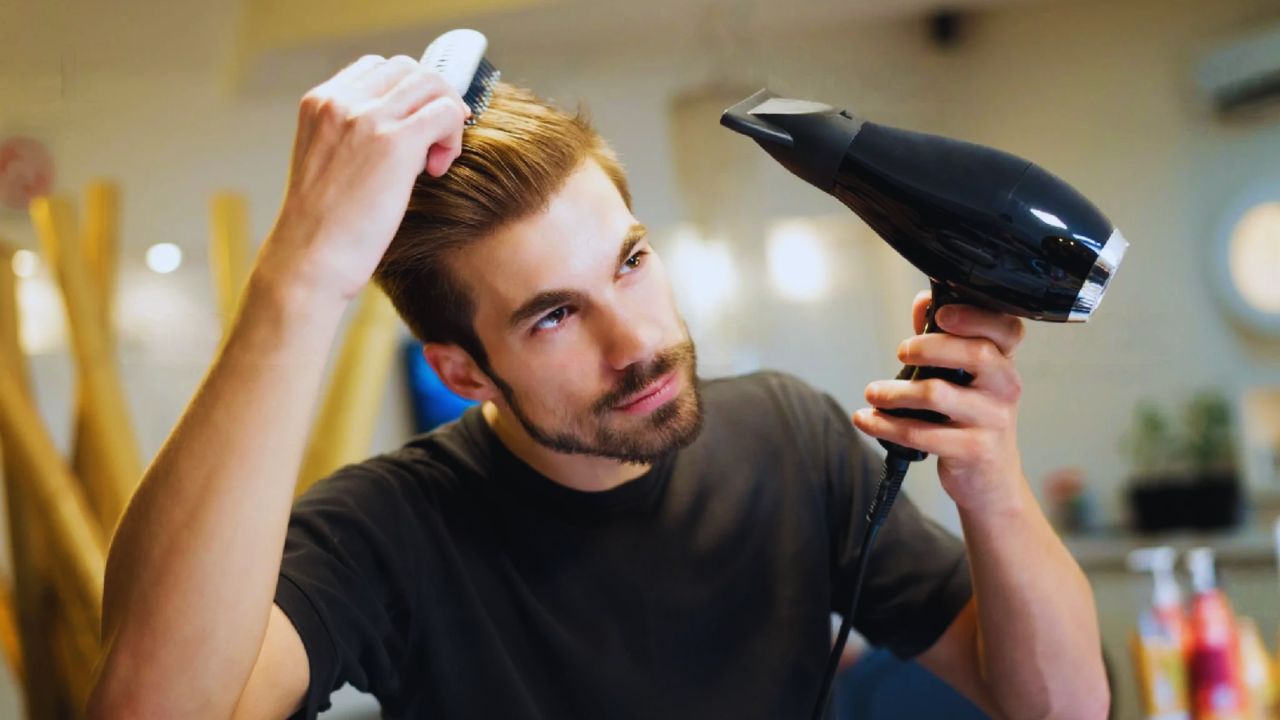
A full hot-tool session is rarely necessary when only the fringe, front pieces, or ends need attention. Apply protectant, choose a low setting, and focus on the sections people notice first. This limits repeat heat exposure and unnecessary styling time.
The same principle helps with drying. Let hidden layers air-dry when possible, then use a dryer or hot brush where shape matters. This can suit thick hair that would otherwise take too long. A targeted finish can look polished without becoming a twenty-minute project.
Also Read: How to Choose the Right Hair Brush for Your Hair Type
Keep a Two-Minute Style for Bad Days
Some mornings will not cooperate, even with preparation. Keep one style you can do quickly: a low bun, claw-clip twist, loose braid, or simple ponytail. It should feel comfortable enough for the day and avoid tight hairline tension or aggressive brushing.
Use this short check before leaving:
- Roots feel comfortable, not overloaded.
- Knots are released at the nape.
- The style is not pulling.
- Hot tools are off and cooling.
When those basics are covered, stop adjusting. A finished-enough look protects your morning energy better than another five minutes of picking at hair that already looks fine.
Keep the Routine Light Enough to Repeat
The best morning plan is one you can follow when tired, late, or out of patience. Keep wash days flexible, refresh only when needed, and save masks or major styling for slower days. That supports everyday grooming without turning personal care into pressure.
Choose one habit to improve this week: set out tools, protect hair overnight, detangle earlier, or use less heat. Give that change time to work before adding another. Hair care basics for busy mornings should make room for your actual life, not fill it with new rules.