A routine that works in July can feel wrong by November. Humidity, indoor heating, rain, sun, and changes in wash frequency all alter how hair behaves. Hair care tips for changing seasons mean noticing those shifts before they become dry ends or scalp discomfort.
This guide suits anyone whose hair suddenly feels limp, static, greasy, rough, or harder to detangle. You do not need a complete shelf reset every few months. A few well-timed changes in washing, brushing, and protection can keep your routine more comfortable through normal weather swings.
Read the Weather Through Your Hair
Your hair gives practical clues before it needs a new product. Static after a sweater, a tight scalp after the heater runs, or roots that turn oily after humid commutes are patterns worth noticing. Treat those small changes as information, not proof your routine has failed.
Look at your environment as well as your strands. Pool water, hats, scarves, workouts, and sleeping with damp hair can change texture. Once you know what causes the problem, make a targeted adjustment instead of adding several products at once.
The Months When Hair Feels Dry and Charged
Cooler air and indoor heating can leave lengths rougher, especially with hot water or frequent heat styling. Use comfortably warm water, condition mid-lengths and ends, and avoid hard towel rubbing. Those habits protect surface moisture without turning every wash into a treatment day.
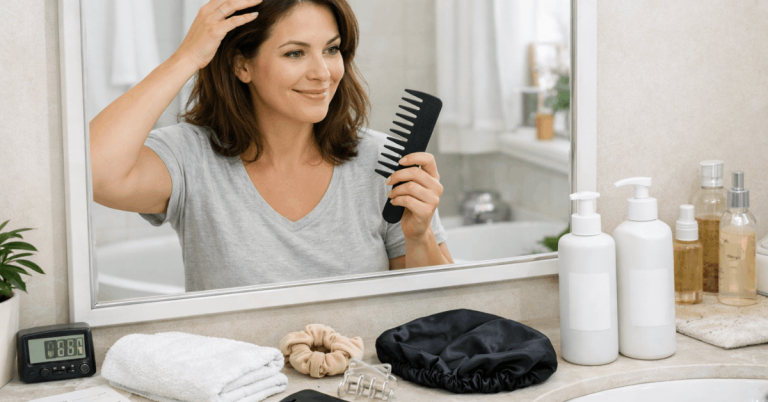
Static is also a friction problem. A soft wrap, loose protective style, or satin pillowcase may help more than heavy oil each morning. Secure hair gently beneath scarves or hats, and check the nape first if knots return. It gets extra rubbing during cold-weather days.
The Months When Heat and Humidity Take Over
Warm weather can mean sweat near the scalp, more washing, and frizz the moment you step outside. Instead of layering rich products, start with a lighter conditioner and rinse well. You may need cleaner roots while still keeping soft lengths.
For outdoor time, swimming, or humid commutes, choose a simpler style rather than fighting the weather. Loose braids, clips, and air-drying can reduce heat sessions. Check buildup around the hairline, where sunscreen, sweat, and stylers mix. A cooler routine is easier than chasing a perfect finish.
Put Tools Where They Do the Most Good
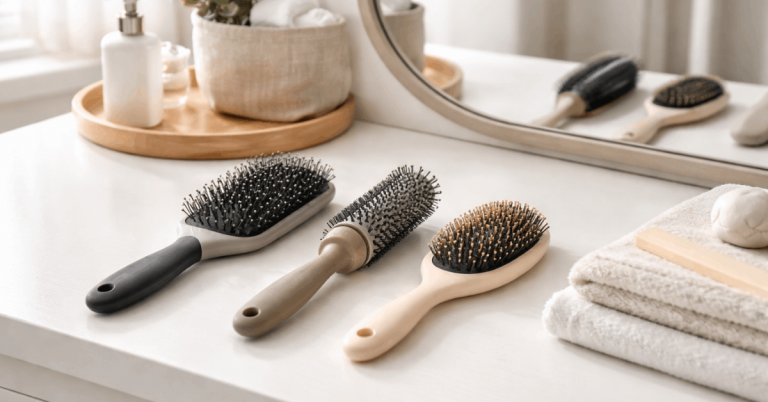
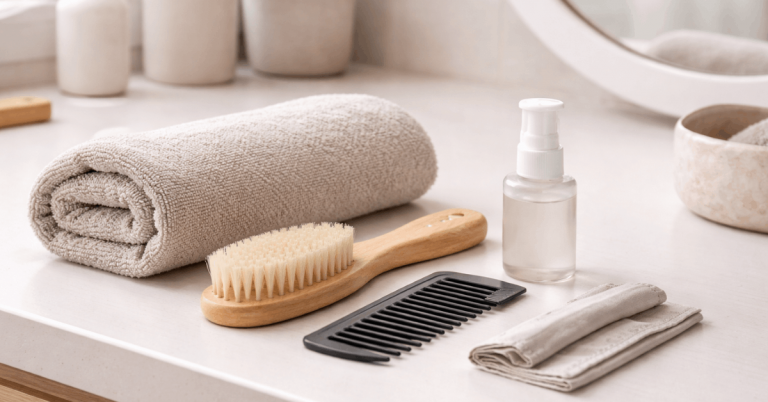
Seasonal care is not only about bottles. The right brush, comb, towel, or dryer attachment can make a routine gentler without another product. Think about the tool that gives you trouble: maybe it pulls on damp hair, traps product, or makes you rush. That is the useful place to start.
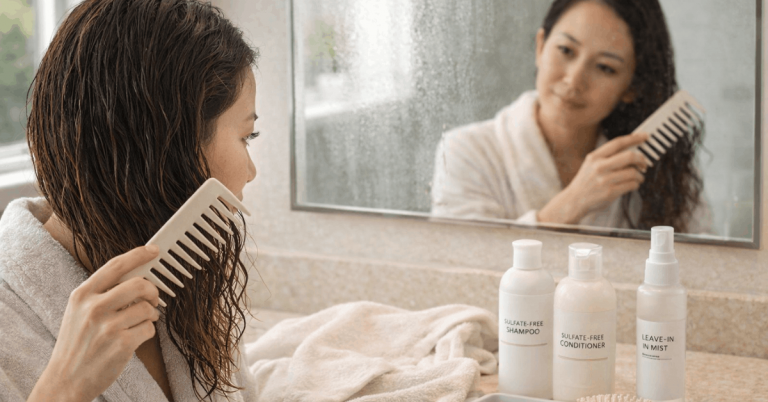
Choose tools for the situation, not a vague promise. A wide-tooth comb can distribute conditioner through curls, while a flexible wet-hair brush may suit post-swim hair. Keep handles, pins, and attachments clean so they glide. A well-kept tool can beat a new gadget.
A Brush Can Change the Feel of Wash Day
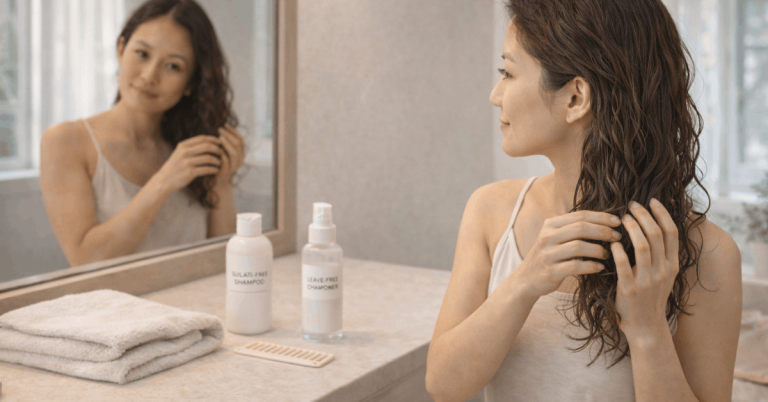
For hair that tangles after a shower, use enough conditioner or leave-in to create slip. Work from the ends upward in small sections, holding hair above a knot to spare the scalp. This is gentle technique before it is expensive equipment.
Tangle Teezer’s Ultimate Detangler is an official product page to compare for wet hair and shower use. Its two-tier teeth detangle and smooth. Check whether the handle, tooth spacing, and brush size fit your density and wash-day routine.
A Leave-In Can Bridge Heat and Sun
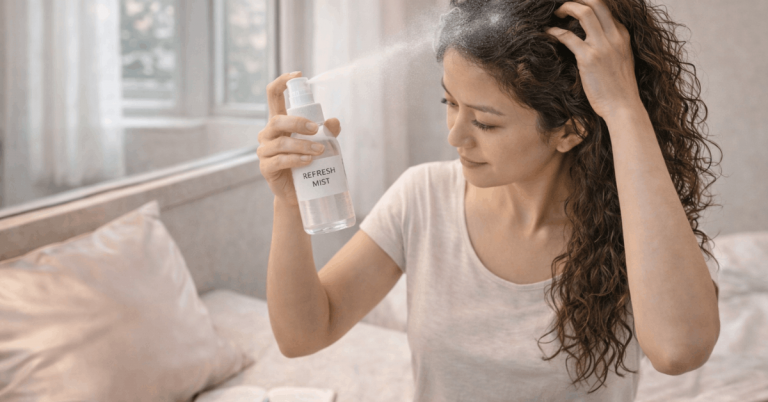
A lightweight leave-in can help when hair needs detangling, feels dry after time outside, or will be heat-styled. Do not layer five products. Use a small amount through rough areas, then see how your hair responds. Less product gives clearer feedback.
Living Proof Leave-In Conditioning Spray is an official example combining conditioning, detangling, and heat and UV protection. It may suit someone who wants fewer steps, but check directions and ingredients. Treat it as a practical option, not a seasonal requirement.
Keep Seasonal Changes Small Enough to Track
Changing shampoo, mask, brush, styling method, and wash schedule in the same week makes it hard to know what helped. Pick one adjustment, use it consistently, and give hair time to show a pattern. One clear change is easier to assess than a complete reset.
In dry months, add conditioner to the ends and reduce hot-tool passes. In humid weeks, wash after heavy sweating and try a lighter leave-in. Small moves protect what already works. Seasonal care should feel adaptable, not complicated.
A Short Reset Between Seasons
At the start of a new season, check what is nearly empty, what you never use, and which tool has become hard to clean. A few minutes is enough to spot what is working and what is wearing out.
Keep the reset brief:
- Clean brushes, combs, and dryer attachments.
- Check for dull blades or bent bristles.
- Move heavier products away from daily reach.
This is not a reason to discard everything. It makes the bathroom drawer support your current routine. A cleaner brush or easier-to-reach clip may solve a daily annoyance before you spend on another replacement.
Also Read: How to Build a Minimal Hair Care Kit
When the Scalp Starts Asking for Attention
Hair changes often begin at the scalp. In winter, it may feel dry or tight; in summer, sweat and buildup can make it uncomfortable. Avoid scratching with nails or adding strong treatments without a reason. First check wash frequency and residue near the roots and your hairline.
If flaking, soreness, persistent itch, or sudden shedding returns, a dermatologist or qualified clinician can offer individual guidance. That is useful when ordinary adjustments do not help. Seasonal shifts can be normal, but ongoing symptoms need more than guesswork and stronger products.
Let the Next Change Be Practical
The best seasonal routine works when life is busy, weather changes overnight, or a favorite product runs out. Keep basics reliable: cleanse the scalp when needed, condition the lengths, detangle gently, and protect before heat. Those steady habits make it easier to respond without overreacting.
For your next wash day, choose one detail to watch: static, nape tangles, oily roots, dry ends, or heat use. Make one adjustment and see how it feels over several days. Hair care tips for changing seasons should give you a clearer routine, not another rulebook. It should fit your weather, schedule, and the hair you have.