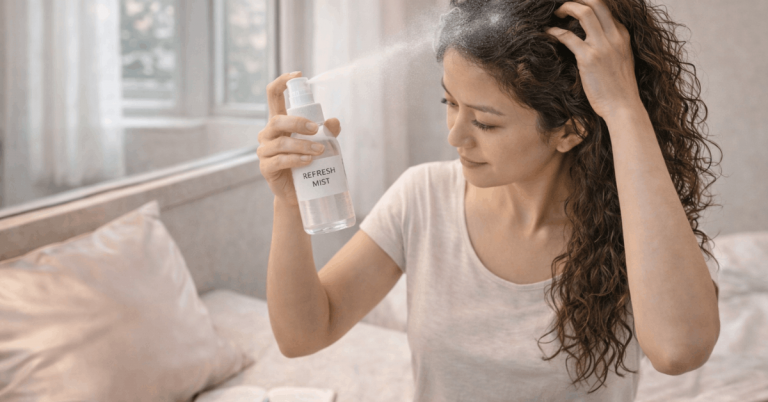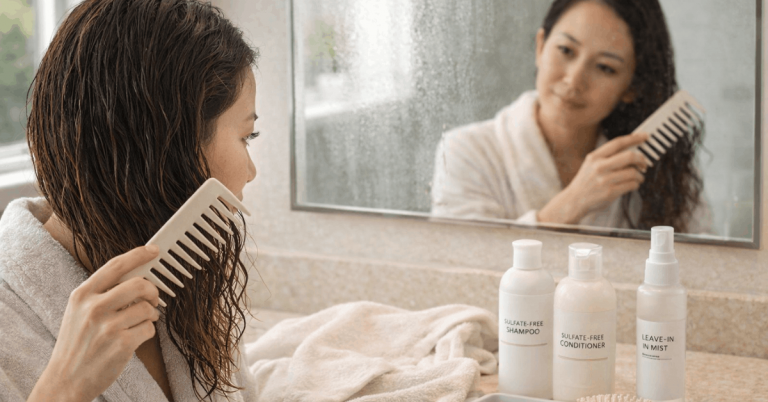
A drawer full of styling tools, each promising salon results. And every single morning, you still reach for the same brush and call it done.
The gap between owning hair tools and using them regularly is where low-maintenance routines fall apart. Tools that collect dust are just expensive clutter.
Finding the best hair tools for low-maintenance routines means picking fewer items that earn a permanent spot in your morning. No more gadgets. Less.
This is the part that trips people up: low-maintenance does not mean low quality. It means the tool does its job fast enough that skipping it feels harder than using it.
Hair Tools That Earn Daily Use and the Ones That Don’t
The difference between a tool that sticks and one that gets abandoned comes down to one thing: how many steps does it add? A tool that heats up in 60 seconds and works in one pass will survive the 6 a.m. rush. A tool that requires sectioning, multiple passes, and a cool-down period will not.
Fast-Heating Tools vs. Multi-Step Tools
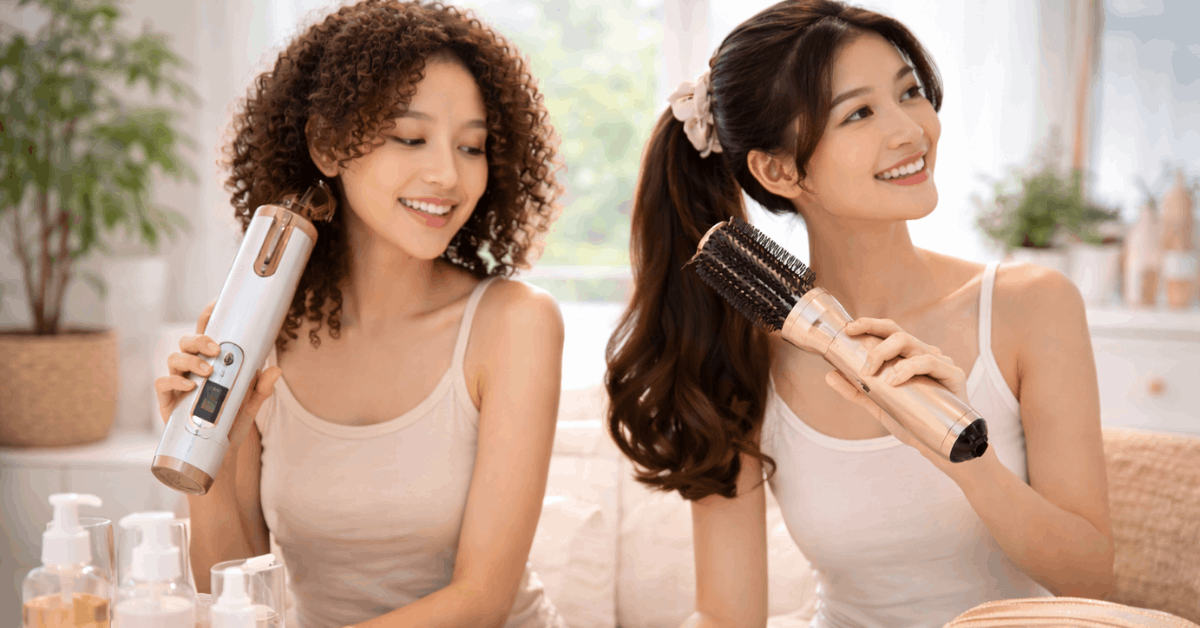
I think the Revlon One-Step blow-dry brush is a good example of this divide. It combines drying and smoothing into one motion, and it heats up in under 30 seconds. That single-pass design is why it remains one of the top-selling styling tools on Amazon years after launch.
But a ceramic flat iron that needs preheating, sectioning, and post-styling cooldown? That’s a three-step commitment disguised as one tool. If your goal is speed, count the actual steps, not the number of devices.
Built-In Safety Features That Save Mental Energy
Auto shut-off matters more than wattage if you’re the kind of person who leaves the house wondering if you left the iron on. Lower heat settings protect your hair, but they also protect your morning from anxiety spirals.
Tools with adjustable temperature controls let you dial down to the minimum effective heat. Fine hair rarely needs anything above 300°F. Thick or coarse hair can go higher, but even then, 400°F handles most textures without the burning smell.
Best Brushes for Everyday Hair Routines
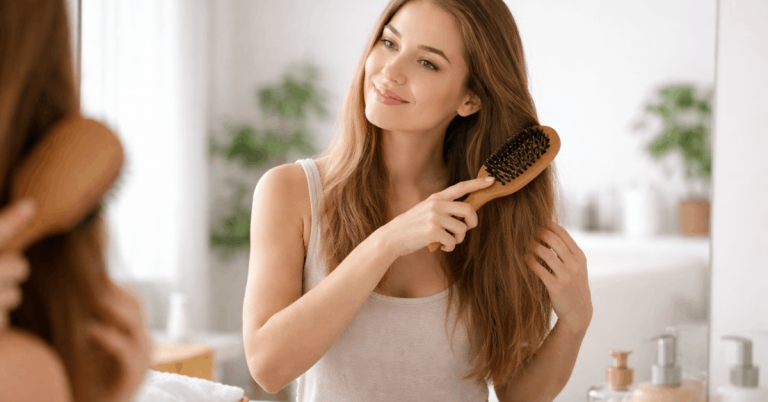
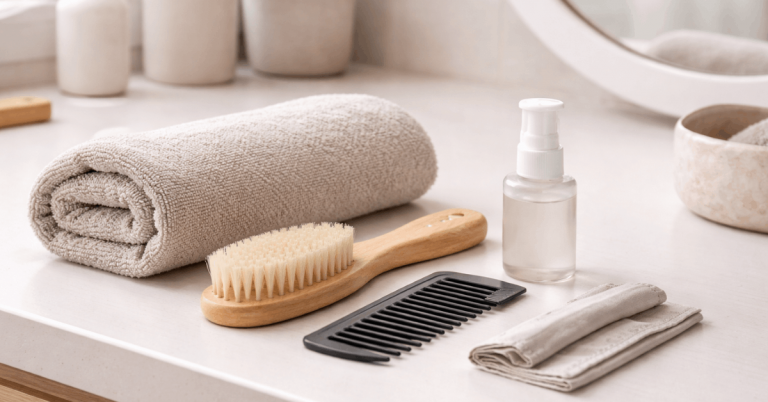
Brushes are the tools people underestimate the hardest. A brush does not need a power cord to be the most time-saving item in your routine. The right one removes knots, distributes oils, smooths flyaways, and shapes your style. All without plugging anything in.
Detangling Brushes for Wet and Dry Hair
The Wet Brush and Tangle Teezer dominate this category for a reason. Their flexible bristles bend around knots instead of ripping through them. That means less breakage and less time fighting tangles after a shower.
I would pick a detangling brush as the single most useful hair tool for someone who wants a faster morning. It works on wet hair right out of the shower, on dry hair before bed, and on second-day hair that needs reshaping. One brush, three daily uses.
Cushion Brushes and Round Brushes
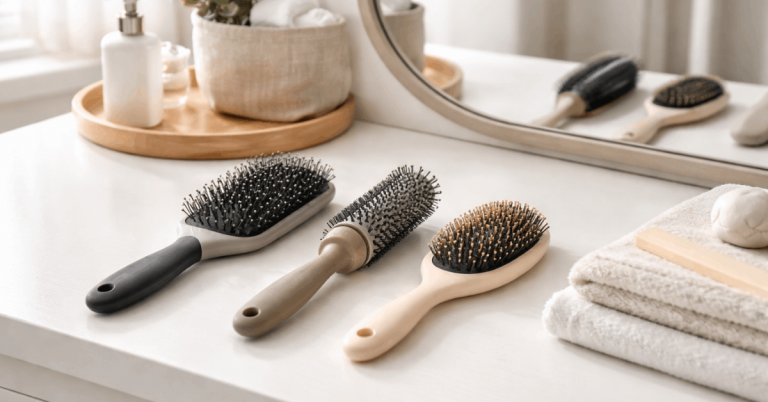
Cushion brushes work best for straight or wavy hair. The padded base flexes against the scalp, which reduces static and pulling. These are the brushes that make a quick once-over feel like an actual styling step.
Round brushes with ceramic barrels pair well with a blow dryer to create volume while drying. They cut two steps into one. But they do require some technique, so if coordination at 7 a.m. is not your strength, a cushion brush is the safer pick.

Self-Cleaning Brushes
A brush clogged with old hair and product buildup stops working properly. Self-cleaning brushes have retractable bristle pads that let you peel collected hair off in one motion. Less cleaning time means the brush stays in rotation instead of getting tossed in a drawer.
Styling Tools That Cut Your Routine in Half
Beyond brushes, a few powered tools genuinely reduce total styling time. The trick is picking ones that combine steps rather than adding them.
The tools worth keeping do two things at once. The tools worth skipping do one thing slowly.
Blow-Dry Brushes and 2-in-1 Stylers
A blow-dry brush like the Revlon One-Step dries and smooths simultaneously. For someone who would otherwise need a blow dryer in one hand and a round brush in the other, this cuts the routine roughly in half.
2-in-1 straightener and curler combos switch between straight and wavy looks without swapping tools. These are particularly useful for travel or small bathrooms where counter space is tight.
A quick comparison of common styling tool types:
| Tool Type | Heat-Up Time | Steps Required | Best For |
|---|---|---|---|
| Blow-dry brush | ~30 seconds | 1 (dry + smooth) | Medium to thick hair |
| Flat iron | 30-60 seconds | 2-3 (section + pass + cooldown) | Straightening all types |
| 2-in-1 styler | ~45 seconds | 1-2 (style + optional touch-up) | Travel, limited storage |
| Ionic compact dryer | ~15 seconds | 1 (dry only, reduces frizz) | Quick air-dry assist |
The blow-dry brush wins on step count for anyone who already blow-dries their hair daily.
Also read: What Your Hair Brush Says About Your Hair Health
Compact Dryers With Ionic Technology
Ionic dryers break water droplets into smaller particles, which means faster evaporation. A compact ionic dryer can shave minutes off drying time compared to a standard model, and the reduced frizz means less follow-up smoothing.
If your current dryer takes longer than 10 minutes on medium-length hair, an ionic upgrade is one of the few purchases that pays off in daily time savings.
Hair Tools for Specific Hair Types
Not every tool works across every texture. A titanium flat iron that glides through thick hair might fry fine strands in a single pass. Matching the tool to the hair type prevents damage and wasted time on techniques that fight your natural texture.
Fine or Thin Hair Tools
Boar bristle brushes distribute natural oils from root to tip without pulling or stretching fine strands. Low-heat flat irons set below 300°F smooth without scorching. Small round brushes add volume at the root, which fine hair loses within hours of washing.
The common mistake with fine hair: using tools designed for thick hair at lower settings. The tool itself matters, not just the temperature dial.
Thick or Coarse Hair Tools
Wide-tooth detangling combs reduce snagging on thick hair. High-watt dryers (1800W and above) cut drying time on dense hair by a meaningful margin. Titanium flat irons distribute heat evenly across the plate, which means fewer passes to get the same result.
Curly or Coily Hair Tools
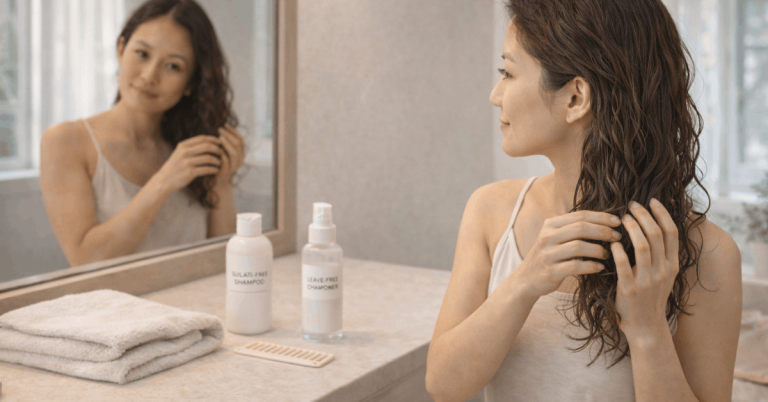
Diffuser attachments spread airflow across curls instead of concentrating it in one spot. This preserves curl shape and reduces frizz. Denman brushes define curl clumps during styling. Steam straighteners smooth without stripping moisture the way dry-heat irons do.
I think the Denman D3 brush is underrated for curly routines because it defines curls during detangling, which eliminates a separate styling step.
Accessories and Storage That Protect Your Routine
Tools are only half the equation. How you store them and protect your hair between uses determines whether your routine stays fast or slowly gets longer as damage accumulates.
Certain accessories remove entire steps from your routine:
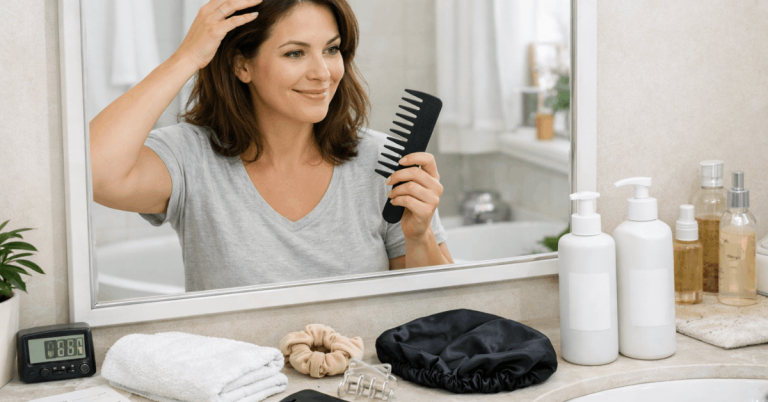
- Silk scrunchies avoid the creases and breakage that regular elastics cause, which means less morning repair work
- Satin pillowcases or bonnets preserve your style overnight, so second-day hair needs minimal touch-up
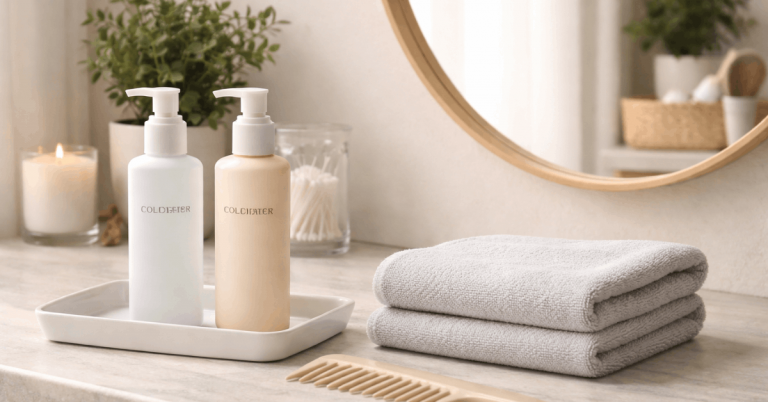
- Quick-dry microfiber towels cut drying time and reduce friction that causes frizz
- Hair claws and clips create updos in seconds and section hair faster than rubber bands
And storage is where most routines quietly fall apart. If tools are buried in a drawer or tangled in cords, they don’t get used. A few simple fixes keep everything accessible:
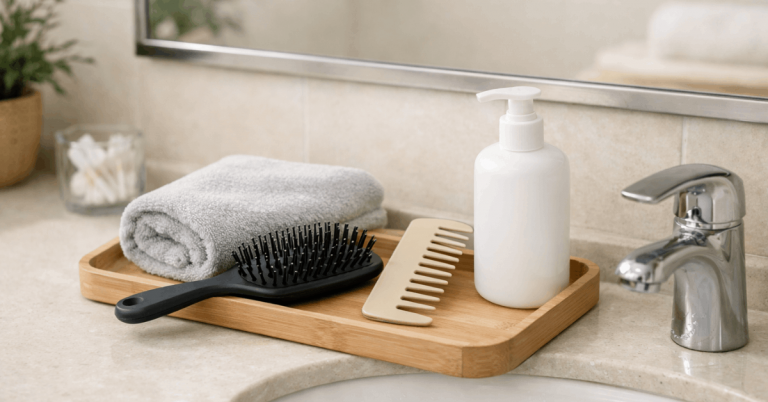
- Heat-resistant trays let you set down hot tools without waiting for cooldown
- Drawer dividers separate brushes, clips, and accessories so nothing gets lost
- Cord organizers prevent the tangled mess that makes people skip the blow dryer entirely
- Padded travel pouches protect tools on trips and double as bathroom counter organizers
When to Replace Hair Tools (Signs to Watch)
Old tools slow your routine down. Bent brush bristles pull instead of smooth. Scratched flat iron plates catch and snag hair. A dryer that overheats or shuts off mid-use adds time and frustration.
I would replace brushes every 6 to 12 months if the bristles have lost their shape, based on daily use. Flat irons and curlers should be swapped when the plates show visible scratches or heat unevenly. Dryers that take noticeably longer than when they were new are losing motor efficiency.
A worn tool doing damage to your hair creates a cycle: more damage means more repair steps, which means a longer routine. Replacing a $15 brush saves more time than buying a $300 styling gadget.
Skipping Heat Entirely: Low-Heat and No-Heat Hair Tools
I disagree with the popular advice to invest in a high-end blow dryer as your first low-maintenance tool. The Revlon One-Step and Dyson Airwrap get recommended constantly, but they still require daily heat styling.
A detangling brush, silk pillowcase, and leave-in conditioner remove more total minutes from a weekly routine than any heated tool because they work while you sleep and during steps you’re already taking.
Paddle brushes smooth air-dried hair without heat. Leave-in conditioners detangle and protect, which reduces the need for a follow-up styling pass. Steam tools give smoothing results at lower temperatures than traditional flat irons.
Low-temp irons (set below 300°F) now produce results comparable to older high-heat models because plate technology has improved. If you haven’t tested a newer low-temp iron, the difference from even a 2022 model may surprise you.
Questions People Ask About Low-Maintenance Hair Tools
Q: How often should I clean my hair brushes? Once a week is a solid baseline. Pull out trapped hair after each use, then wash the bristles with warm soapy water weekly. Buildup from oils and product residue makes even a good brush perform like a bad one.
Q: Are expensive hair dryers worth it for a low-maintenance routine? Not always. A compact ionic dryer in the $40-$60 range handles daily use well. The main upgrade worth paying for is faster heat-up time and lighter weight, both of which affect whether you bother using it at all.
Q: Can I use the same brush on wet and dry hair? Depends on the brush. Detangling brushes like Wet Brush and Tangle Teezer are designed for both. Standard paddle brushes and boar bristle brushes should only be used on dry hair because wet hair stretches and snaps more easily.
Q: Do satin pillowcases make a real difference? They reduce friction by a noticeable amount compared to cotton. The result is less frizz and fewer tangles in the morning, which means less brushing and styling to fix overnight damage. It is one of the cheapest time-saving swaps available.
Q: What is the single best low-maintenance hair tool to start with? A flexible detangling brush. It works on every hair type, wet or dry, costs under $15, and removes the most common time drain: fighting knots and tangles every morning.
Conclusion
The best low-maintenance hair routine is built around fewer tools that get used daily. Matching each tool to your specific hair type prevents damage and wasted effort.
Stop chasing gadgets and start keeping a small, reliable kit that fits your morning. The tools collecting dust in your drawer are telling you something worth listening to.