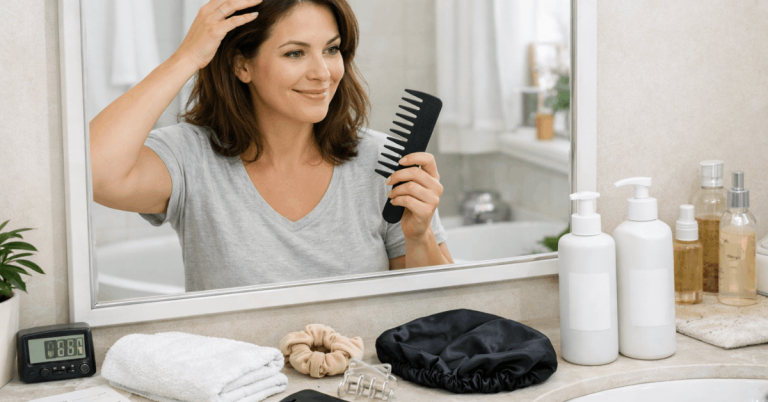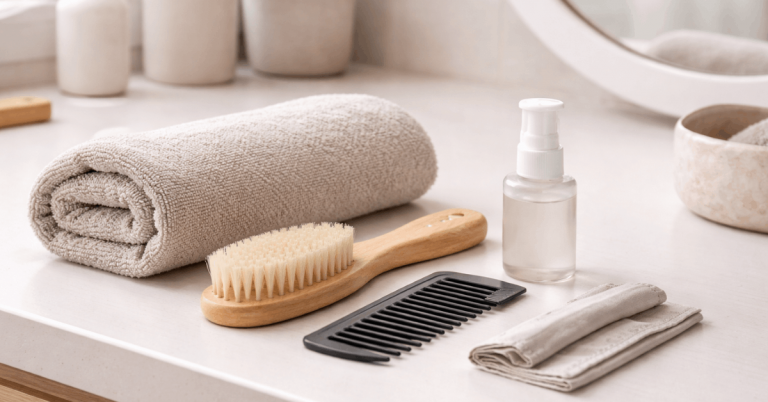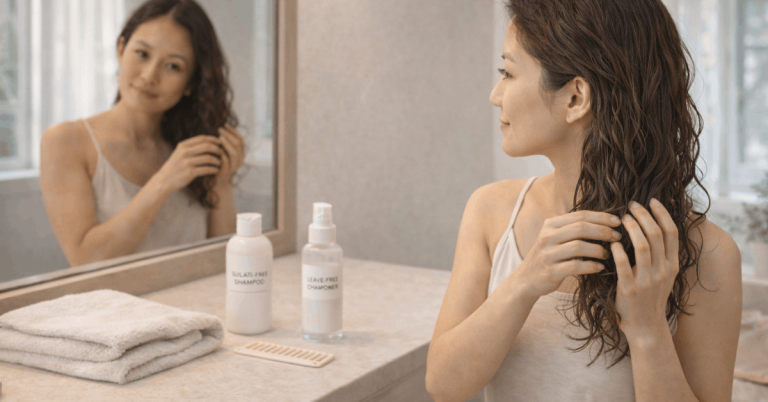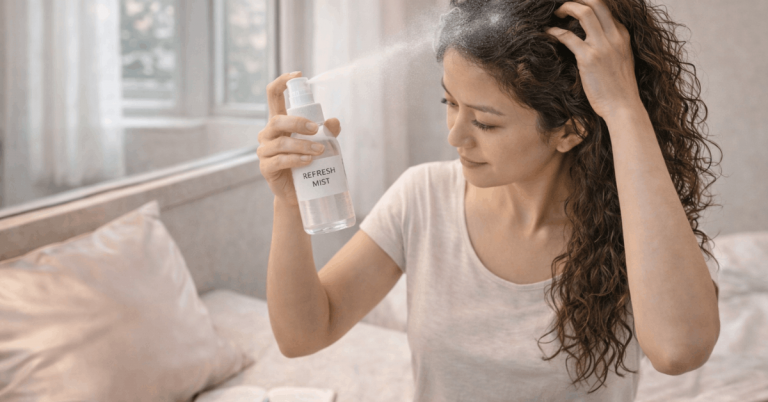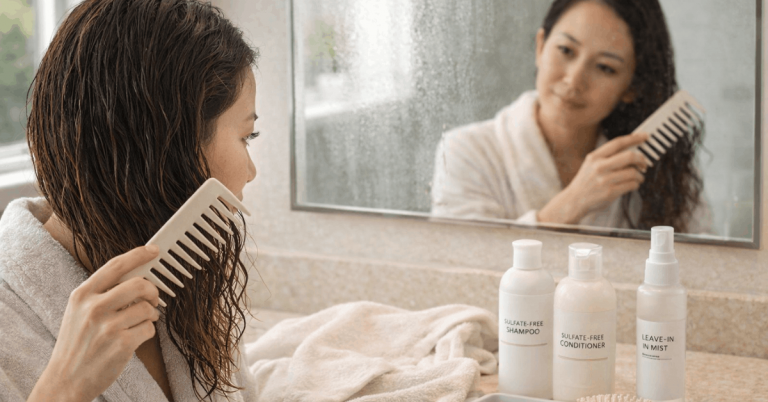
Tiny broken pieces stuck between bristles. Greasy film coating the pad after three strokes. Frizz that somehow gets worse the more you brush. Sound familiar?
That brush in your hand is giving you a daily report card on your hair health. Trouble is, nobody teaches you how to read it.
Every pass through your hair tells a story about breakage patterns, oil distribution, and scalp condition. The brush collects evidence. The question is whether you’re paying attention.
I think the answer for most people is no. And that single blind spot causes more bad-product purchases and unnecessary salon visits than almost anything else in hair care.
How to Read Your Hair Brush Like a Diagnostic Tool
The stuff caught in your brush bristles after a single session is a snapshot of your hair’s current state. Not yesterday’s state. Not what your shampoo bottle promises. The real, measurable condition of your strands right now.
A clean brush running through healthy hair should collect full-length shed hairs and nothing else. The average scalp sheds around 50 to 100 hairs per day, and those hairs should look intact from root to tip. That’s normal turnover.
Short Broken Fragments on the Brush Pad
Numerous tiny snapped pieces signal mechanical breakage. This usually comes from rough strokes, inflexible bristles, or brushing too fast through tangles. The fragments are short because they broke mid-shaft rather than falling out naturally at the root.
If your brush pad looks like a lint trap full of confetti-sized hair bits, the brush (or your technique) is the problem. Not your conditioner. Not your genes.
Greasy Residue Coating the Bristles
A sticky, oily film on the brush pad points to product buildup and infrequent brush cleaning. That residue gets redeposited onto your hair and scalp every time you brush, creating a dull film that no amount of dry shampoo will fix.
Tenderness or Pain During Brushing
Scalp soreness while brushing means either too much tension in your strokes or an irritated scalp that needs gentler tools and slower passes. Pain is a signal worth taking seriously. Pushing through it because you’re in a rush just accelerates the damage cycle.
Does Brushing Actually Help Your Hair?
This part trips people up because the answer is conditional. Brushing done right spreads sebum, your scalp’s natural conditioner, toward the mid-lengths and ends where it belongs.
The result? Lengths feel smoother and look more reflective without appearing greasy at the roots. When that distribution works, the effect is the kind of natural shine that expensive serums try to replicate. Matte, flyaway ends paired with oily roots is a classic sign of poor sebum distribution, not a “dry hair type” problem.
But brushing done wrong creates breakage, strips curl definition, and irritates the scalp. The difference between the two comes down to three factors: handle grip, bristle type, and stroke length.
How Hair Brushing Reduces Breakage
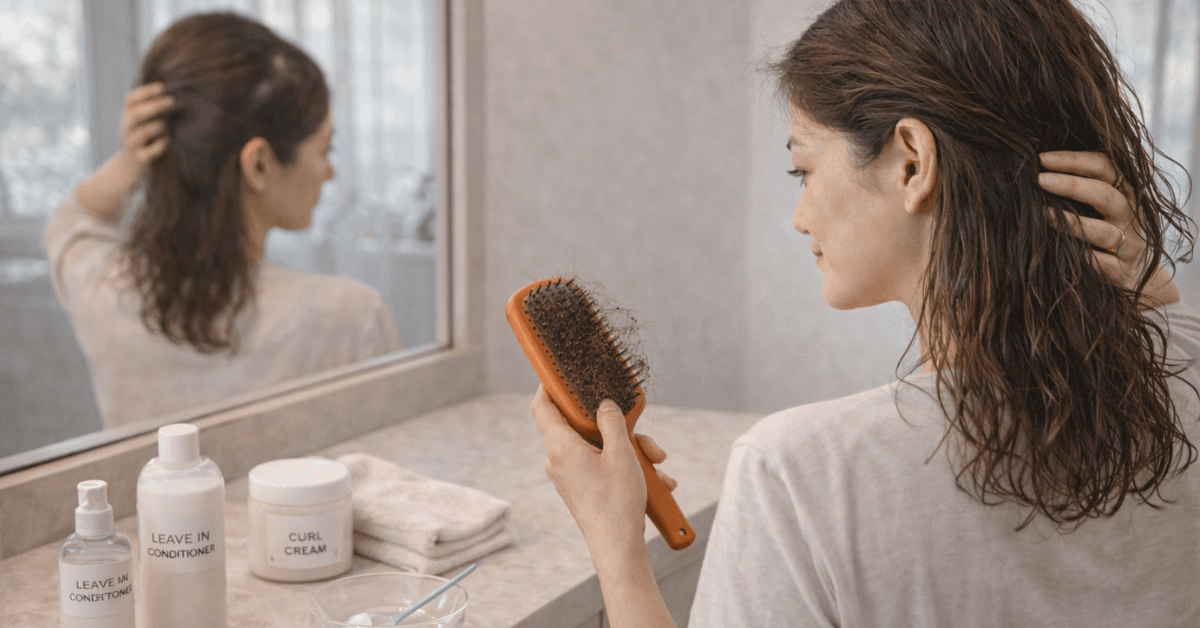
Regular detangling reduces friction between strands during styling and sleep. Even product application improves when a brush distributes leave-ins and heat protectants evenly across each section, preventing hot-spot damage during blow-drying.
Routine observation also catches early warning signs. Breakage bands (a specific section of hair where all the strands are the same short length) usually indicate damage from a heat tool or chemical treatment at a specific point in time. Spotting that early prevents repeating the mistake.
How Often Should You Brush Your Hair?
Old advice about counting 100 strokes per night is outdated for a good reason. That kind of repetitive handling creates friction damage on almost every hair type. But the correction has swung too far in the opposite direction.
I think the popular advice to “brush less” has been overcorrected because bloggers stopped distinguishing between frequency and force.
A light morning pass for alignment and a gentle nighttime pass for oil distribution is a solid baseline for straight and wavy textures. The damage comes from aggressive yanking, not from consistent gentle passes.
Straight or Slightly Wavy Hair
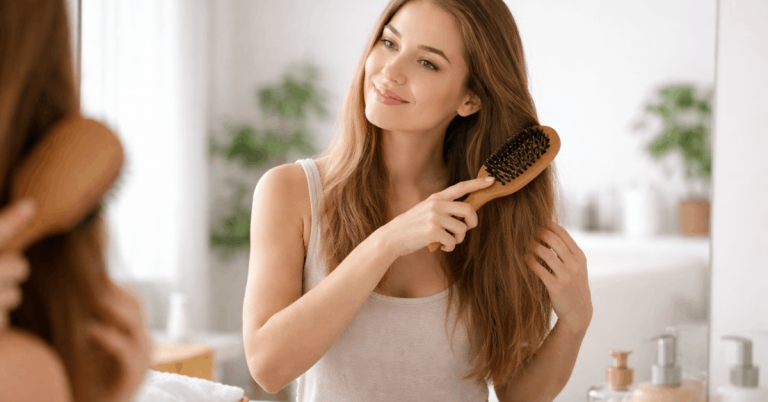
Light brushing once or twice daily keeps alignment and shine on track. A flexible pad brush or cushioned paddle controls tension across each section. Start a few inches above the ends, sweep downward, and step up toward the roots only after the lower section is smooth.
Curly Hair
Dry brushing on curl patterns is a recipe for frizz and lost definition. Detangle on wash days using conditioner slip, then reshape curls with fingers or a wide-tooth comb. Between washes, refresh with hands, water, or leave-in product rather than running a brush through.
Fine or Thinning Hair
Soft bristles and fewer passes work best here. Lift at the roots with minimal tension to avoid widening part lines. A single light nighttime pass can distribute natural oils without flattening whatever volume you’ve built during the day.
| Hair Type | Brushing Frequency | Best Tool | Biggest Risk |
|---|---|---|---|
| Straight/Wavy | 1-2x daily | Flexible pad or cushioned paddle | Over-brushing at the crown |
| Curly | Wash days only | Wide-tooth comb with conditioner | Dry brushing destroying curl pattern |
| Fine/Thinning | Once daily, gentle | Soft bristle brush | Tension widening the part line |
The pattern here is that texture dictates tool and frequency, not the other way around.
Also read: How to Reduce Hair Breakage With the Right Tools
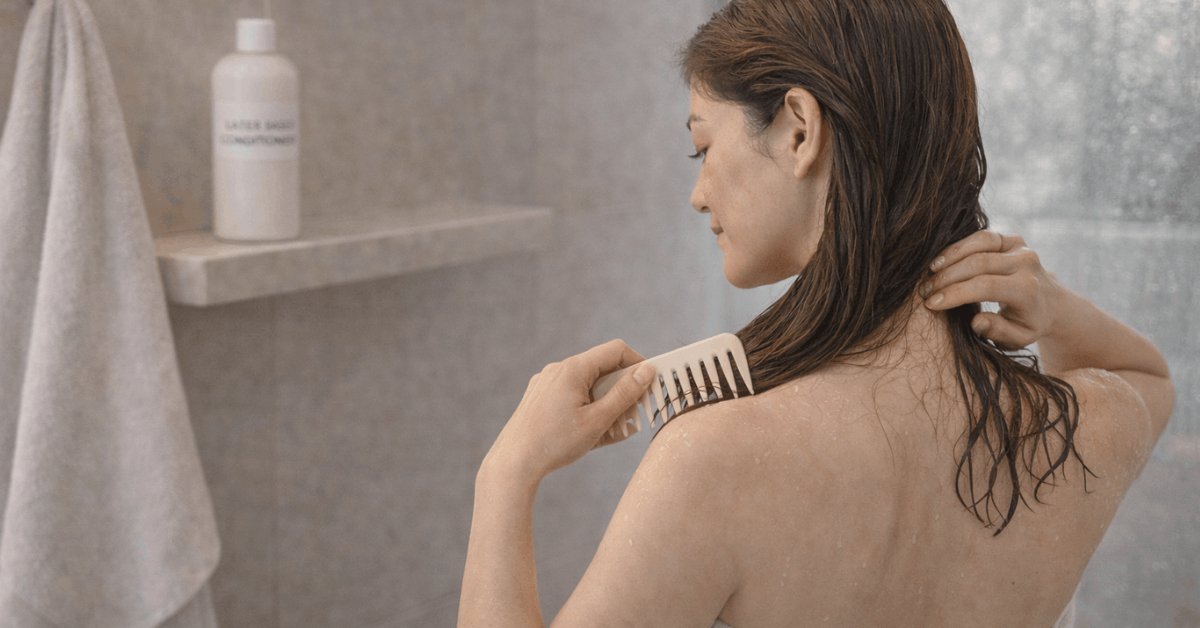
How to Brush Wet Hair Without Breaking It
Wet hair fibers swell and the outer cuticle lifts slightly, which makes strands more elastic and more fragile at the same time. Slow pace, generous slip, and short strokes protect the structure while still getting tangles out.
I think the blanket rule to “never brush wet hair” causes more breakage than it prevents, because it pushes people to rip through dry tangles with stiff-bristle brushes instead.
A wide-tooth comb on wet, conditioned hair creates less friction than a paddle brush on dry knots. The science backs this up: conditioner slip during detangling lowers the force required to pass through each strand.
The technique for wet detangling works in stages:
- Start at the ends using a wide-tooth comb, working in small sections
- Add conditioner or a detangling spray to increase glide between strands
- Use short downward strokes, loosening knots with fingers rather than forcing tools through
- Move up an inch at a time only after the section below is completely smooth
Picking the Right Brush for Your Hair Type
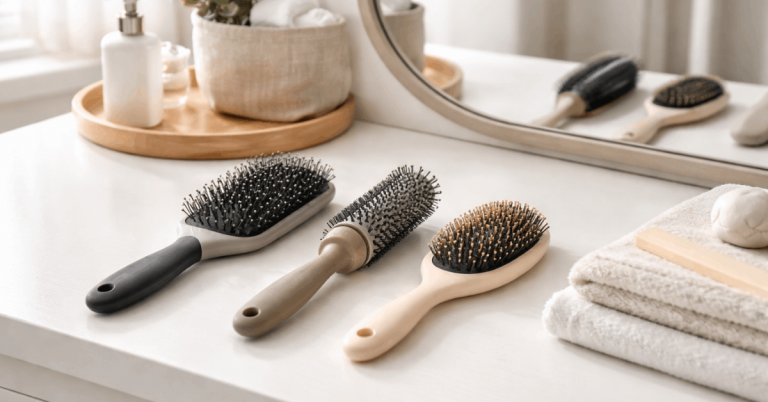
Tool choice changes outcomes even when technique is careful. Flexible cushioned pads, polished tips, and appropriately spaced bristles all limit the peak forces hitting each strand during a stroke.
Natural-bristle brushes distribute oils well on straight or wavy hair but can snag on curls. Flexible pin or cushioned paddles handle long, dense lengths without excessive tension. For wet sessions, a specialized detangler or a shower-safe comb tends to outperform standard brushes.
Some people gravitate toward British-style natural-bristle designs for shine. Others prefer lightweight detangling brushes for speed. Neither is universally better. Test any new tool in a small section first to confirm glide and comfort before committing to a full head of hair.
How to Clean Your Hair Brush and Why It Matters Weekly
Residue on a dirty brush travels right back onto your hair. That cycle dulls shine, clogs pores on the scalp, and makes every styling product less effective. A quick weekly cleaning habit breaks the loop.
The process takes about five minutes:
- Pull shed hairs from the bristles after each use to prevent compaction at the base
- Soak the bristle area once a week in lukewarm water with a small amount of gentle shampoo
- Scrub along the pad and between rows using a soft toothbrush to lift residue
- Rinse, shake off excess water, and dry bristle-side down on a clean towel
Replace any tool that loses tips, bends permanently, or scratches the scalp despite careful handling. A damaged brush does more harm than no brush at all.
When Hair Brushing Stops Being Enough
A brush can spread oil, reduce tangles, and catch early signs of breakage. But it cannot diagnose or treat underlying conditions.
Increased shedding that persists for several weeks, widening part lines, or patchy loss deserves a dermatology review. Conditions like iron deficiency, thyroid disorders, or medication side effects all produce hair symptoms that no brush technique can fix.
Sudden loss after illness, pregnancy, or major stress may be a temporary shedding phase, but confirmation from a professional rules out anything more serious.
Coconut oil used as a pre-wash treatment can reduce protein loss in damaged fibers, according to cosmetic science research published through the Journal of Cosmetic Science.
A small amount applied before shampooing reduces friction during wet detangling and may improve softness after rinsing. Keep the quantity light to avoid weighing hair down or leaving residue that clogs your brush.
The American Academy of Dermatology has a dermatologist finder tool for anyone dealing with persistent shedding or scalp changes that go beyond normal daily turnover.
Questions People Ask About Hair Brush and Hair Health
Q: Can brushing your hair too much cause hair loss?
Excessive brushing causes breakage, which looks like hair loss but is a different problem. True hair loss originates at the follicle level, while brush damage snaps strands mid-shaft. Reducing brush passes and switching to a gentler tool usually stops the breakage within a few weeks.
Q: How do I know if my hair brush is causing breakage?
Check the brush pad after each session. Full-length hairs with a white bulb at the root are normal shed. Short fragments without a bulb are snapped pieces, and those point to mechanical breakage from the brush, the technique, or both.
Q: Should curly hair ever be brushed?
Detangling curly hair works best on wash days with conditioner slip and a wide-tooth comb. Dry brushing disrupts curl clumps and creates frizz. Some curl types tolerate a wet brush during conditioning, but fingers remain the safest option between washes.
Q: How often should I replace my hair brush?
A well-maintained brush can last about 6 to 12 months. Signs that it needs replacing include missing or bent bristle tips, a cracked pad, or a scratchy feeling against the scalp. Cleaning extends lifespan, but once the structural integrity breaks down, the brush starts creating the damage it was supposed to prevent.
Q: Does the type of bristle material really matter?
Boar bristles distribute oils well on straight hair but can pull and snag on tighter curl patterns. Nylon pins glide through thick hair more easily. Mixed-bristle options split the difference for wavy textures. Testing a new bristle type on one section before full use prevents committing to a tool that fights your texture.
Conclusion
The brush sitting on your bathroom counter tells you more about your hair than any product label can. Learning to read what it collects changes how you approach every other step in your routine.
A clean tool, the right bristle type, and slow sectional passes do more for long-term hair health than the most expensive treatments. Start checking that brush pad tomorrow morning and see what story your hair is telling.