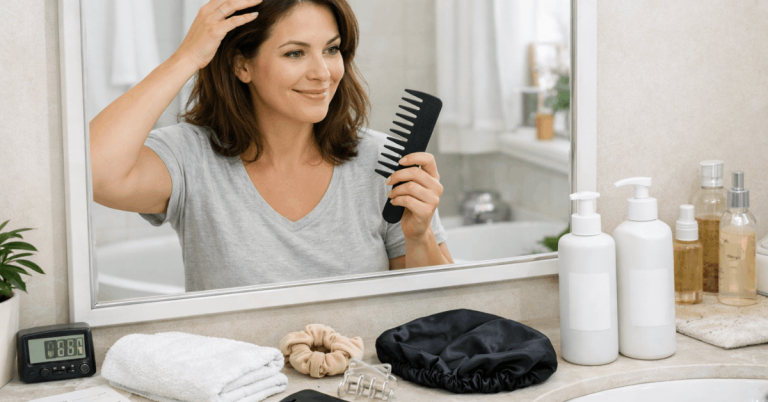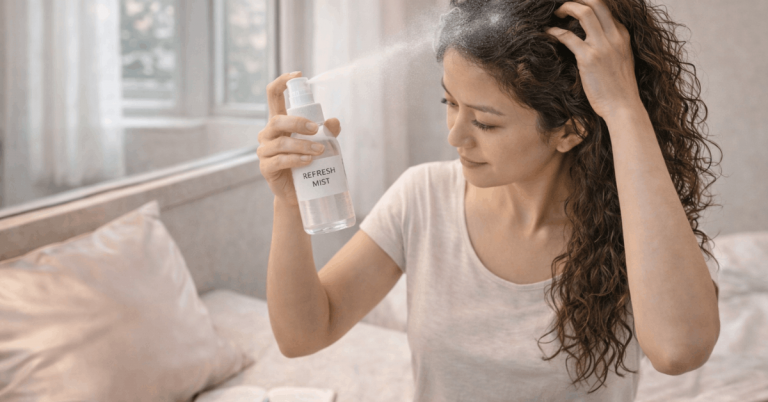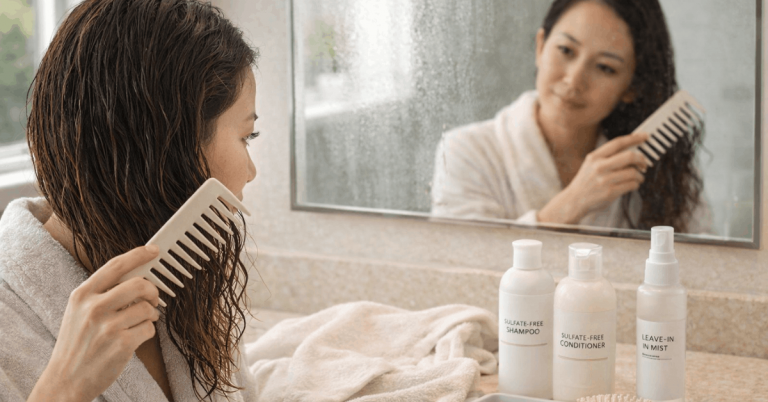
Tangles rarely appear because you have done one thing “wrong.” Wind, dry ends, a rough towel, sleep, and product residue can all make strands catch on each other. How to detangle hair without causing damage starts with lowering friction, not trying to pull through it faster.
This guide is useful for anyone who finds loose hair in the brush, feels pain at the nape, or spends too long fixing the same knots. The aim is less breakage and a calmer routine, whether your hair is fine, wavy, curly, coily, colour-treated, or simply tired after a busy week.
Why Some Knots Seem to Return So Quickly
Hair tangles when individual strands rub, twist, and catch around rougher areas of the cuticle. Dryness can make this worse, but so can a heavy product that leaves lengths sticky. Before adding a new treatment, notice the pattern of tangling and the moments it worsens.
A knot after swimming needs a different approach from one that appears near the collar after sleeping. Tight ponytails, backpacks, scarves, and windy commutes can all create friction. These small details help you prevent repeat knots instead of treating every snag like a separate hair emergency.
Your Texture Changes the Starting Point
Fine hair may knot in a few loose strands and snap when it is pulled too quickly. Curly and coily hair often tangles where shed strands stay within the curl pattern. Start with your texture, then choose moisture and sections that make sense for the hair you actually have.
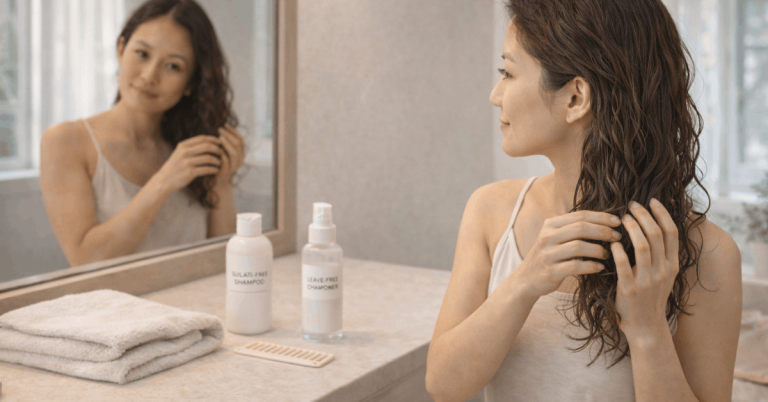
Straight or wavy hair may be easier to detangle while slightly damp, provided it is not soaking and stretched. Curls and coils often respond better to a conditioned wash-day routine, worked in smaller sections. There is no universal rule; scalp comfort and the amount of resistance should guide your pace.
Start at the Ends and Move Up Slowly
Beginning at the roots pushes loose knots toward the bottom, where they collect into a larger problem. Start near the ends, release what you can, then move upward a little at a time. This is the core of gentle detangling, and it matters more than the brand of brush in your hand.
Use one hand to hold the section above the knot while the other works below it. That keeps the pull from travelling to your scalp. If a knot will not release, pause, add more slip, and tease it apart with fingers. Slow progress is safer than snapping through a section.
A Short Order for a Hard Knot
When a knot feels stubborn, returning to the same order keeps frustration from taking over. Use this brief sequence before you reach for a stronger tool. It supports patient handling and reduces unnecessary pulling:
- Add slip to the tangled area.
- Hold the hair above the knot.
- Loosen the ends first.
- Move upward in short passes.
Once the knot releases, comb through the section gently before moving on. Do not keep brushing the same place after it is smooth; extra passes add friction. A calm method feels slower at first, but it can leave you with fewer broken strands and less soreness afterward.
Pick a Tool for the Moment You Are In
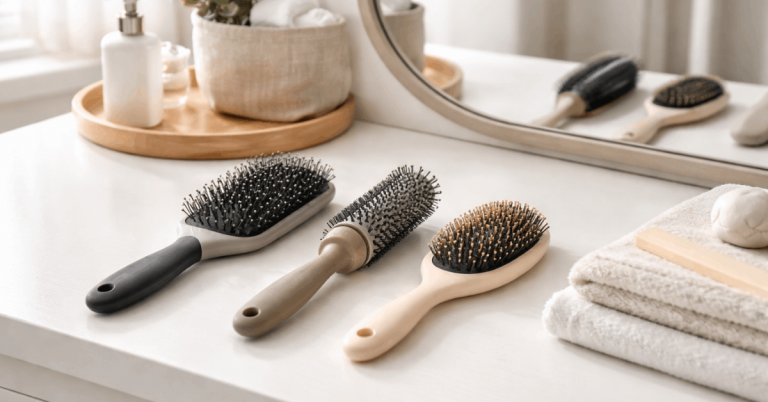
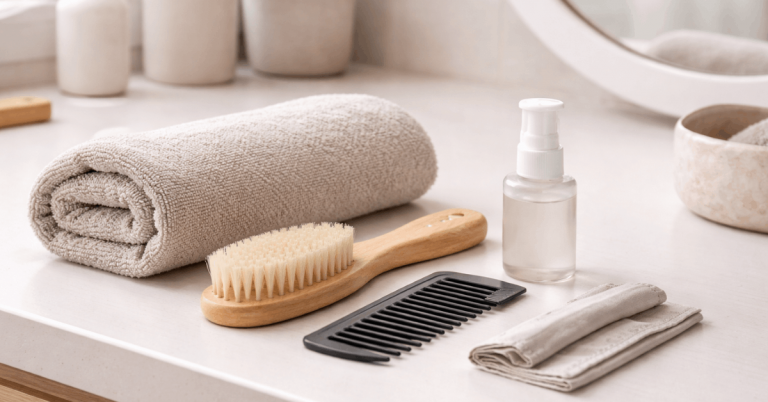
The best tool depends on whether hair is wet, conditioned, dry, fine, dense, or tightly curled. A wide-tooth comb can be useful for distributing conditioner, while a flexible brush may suit post-wash detangling. Choose the tool for its actual job, not because it claims one-size-fits-all results.
Tangle Teezer’s Ultimate Detangler is an official wet-hair brush example with two-tiered teeth designed for detangling and smoothing. It may suit people who work through conditioner in the shower. Check whether its handle, tooth feel, and your hair density match your usual routine.
When Curls Need More Space Than a Standard Brush
Tight curls and coils often need room around the strands, plus enough product slip to avoid disturbing curl clumps. A tool with flexible bristles can be useful during a conditioned routine, but fingers may still be better for the first pass through dense tangles and shed hair.
PATTERN’s Shower Brush is a direct official example designed for curly, coily, and tight textures. The brand describes flexible bristles and a comfortable handle; use that as a feature checklist, not a promise. The better tool is the one that leaves curl definition intact without causing pain.
Keep Tomorrow’s Knots From Starting Tonight
After detangling, do a small amount of prevention while hair is already smooth. A loose braid, satin scarf, bonnet, or satin pillowcase can reduce overnight rubbing. You do not need a complicated protective style; you need something that limits friction at night and hair wrapping.
During the day, be mindful of collars, scarves, hoodies, and straps that rub the same area. If the nape tangles repeatedly, use a little leave-in on that spot or wear hair in a lower-friction style. These habits make daily maintenance easier and reduce aggressive brushing.
Also Read: Hair Care Tips for Changing Seasons
Children and Sensitive Scalps Need Extra Patience
Detangling a child’s hair can become upsetting when it happens only after knots have built up. Work in short sessions, use a product with enough slip, and stop before the scalp becomes sore. A calm voice and a predictable routine support scalp comfort as much as the right tool does.
Adults with tender scalps can use the same approach. Avoid tight holding, fast strokes, and long sessions when hair is dry. If tangling becomes suddenly severe, hair is breaking in patches, or the scalp is itchy or painful, ask a stylist or dermatologist for individual advice rather than stronger products.
A Better Detangling Routine Feels Quieter
Healthy detangling is usually less dramatic than people expect. Start with slip, use smaller sections, work from ends upward, and choose a tool that matches the moment. How to detangle hair without causing damage becomes easier when you stop treating every knot like a test of strength.
Pick one change for your next wash day: section hair more carefully, switch to fingers first, or protect the nape overnight. Watch what happens for a week before changing anything else. That simple attention can bring less pulling and more confidence to a routine that once felt exhausting, without making wash day harder. It is a small habit that better protects your time, comfort, and hair.