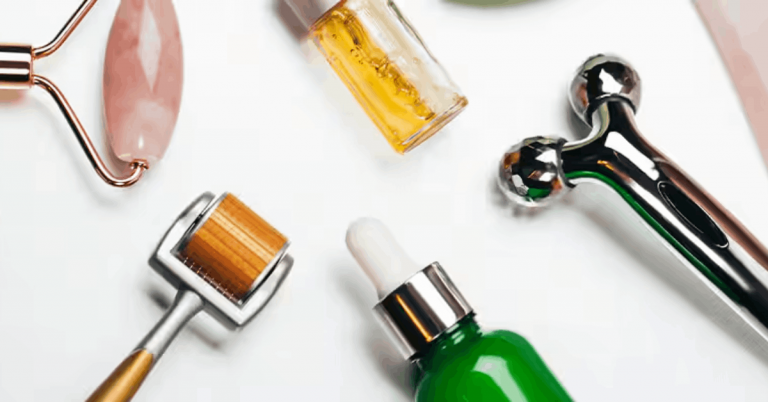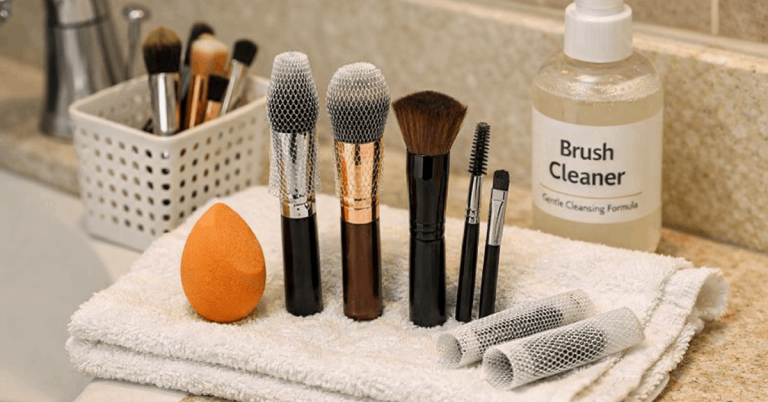
Beauty tools work best without yesterday’s makeup, hair product, or trapped moisture. Residue, shed hair, and damp storage can change brushes, sponges, rollers, and heated tools.
A simple care system keeps application smoother, detangling easier, and storage less frustrating. Use daily resets, weekly washing, and monthly checks that fit a routine.
Why Maintenance Changes Daily Results?
Buildup develops gradually, so a tool can look fine while starting to drag or smell stale. Treat tool hygiene and careful storage as maintenance, not rescue work.

Residue Changes How Tools Behave
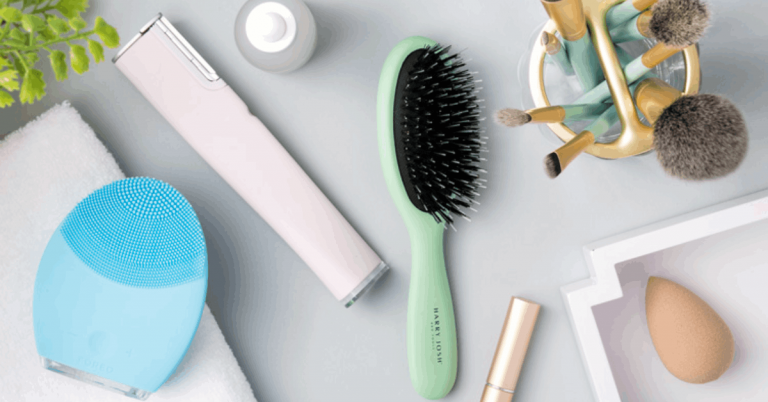
Hairbrushes collect oil, lint, dry shampoo, and loose strands that can return to clean hair. Makeup brushes and sponges hold foundation, powder, and cream that affect the next application.
Rollers, tweezers, facial tools, and lash curlers may lose smooth contact when film remains. Removing it protects predictable results, comfortable contact, and familiar tools.
Notice the Small Signs Before They Worsen
A catching brush may need trapped hair and dust removed. A sponge that stays stiff, smells unusual, or rinses cloudy may need washing or replacement.
Heated plates that smell of burned product should be cleaned only when unplugged and cool. These changes are maintenance signals, useful clues, and reasons to act early.
Use a Daily, Weekly, and Monthly Rhythm
Short tasks are easier to repeat than a reset that keeps getting delayed. Divide tool care into small routines that fit your bathroom or vanity.
- Daily: remove hair and residue.
- Weekly: wash product-contact tools.
- Monthly: inspect wear, cords, and storage.
Start With a Fast Dry Reset
Pull loose hair from brushes with fingers, a pick, or tissue before it compacts. Wipe nonporous surfaces, and press used sponges into a clean towel if washing must wait.
Leave items exposed to air instead of sealing them warm or damp. This limits hardened buildup, stale odors, and rushed cleaning later.
Also Read: Simple Skincare Routines That Actually Work

Set Aside Time for a Full Weekly Wash
Weekly washing removes residue a dry wipe cannot lift from bristles, sponge pores, or tool edges. Use mild cleanser, lukewarm water, and controlled rinsing to protect glue, pads, handles, and moving parts.
Dry washable items fully before returning them to a holder, drawer, or pouch. This reset supports cleaner application, smoother handling, and less surprise buildup.
Use Monthly Checks to Catch Wear Early
Look for bent bristles, cracked rollers, loose cushions, sharp comb seams, or tools that keep an odor. Inspect heated appliances for frayed cords, bent plugs, loose attachments, and lint in dryer filters.
Replace damaged items when they snag hair or scratch skin, rather than forcing them to last. A regular check protects safe use, steady performance, and your budget.
Clean Makeup and Skincare Tools by Material
Different materials need different water, pressure, and drying times. Match the cleaning method to the tool surface instead of soaking everything together.
Wash Makeup Brushes Without Soaking Their Bases
Use lukewarm water and gentle cleanser, keeping the ferrule and handle as dry as possible. Work cleanser through bristles, then rinse until water runs clear and foam is gone.
Real Techniques Miracle Deep Cleansing Gel is one option for brushes, sponges, and puffs when you prefer a dedicated cleanser. Reshape the head and dry it flat or bristles-down to protect brush shape, the glued base, and the handle.
Treat Sponges, Rollers, and Tweezers Differently
Wet a makeup sponge, add cleanser, and press it slowly without twisting. Rinse until water and bubbles run clear, then towel-press and air-dry in a ventilated area.
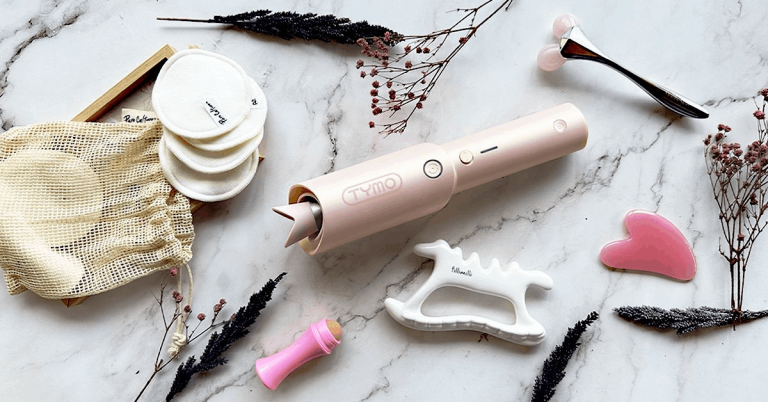
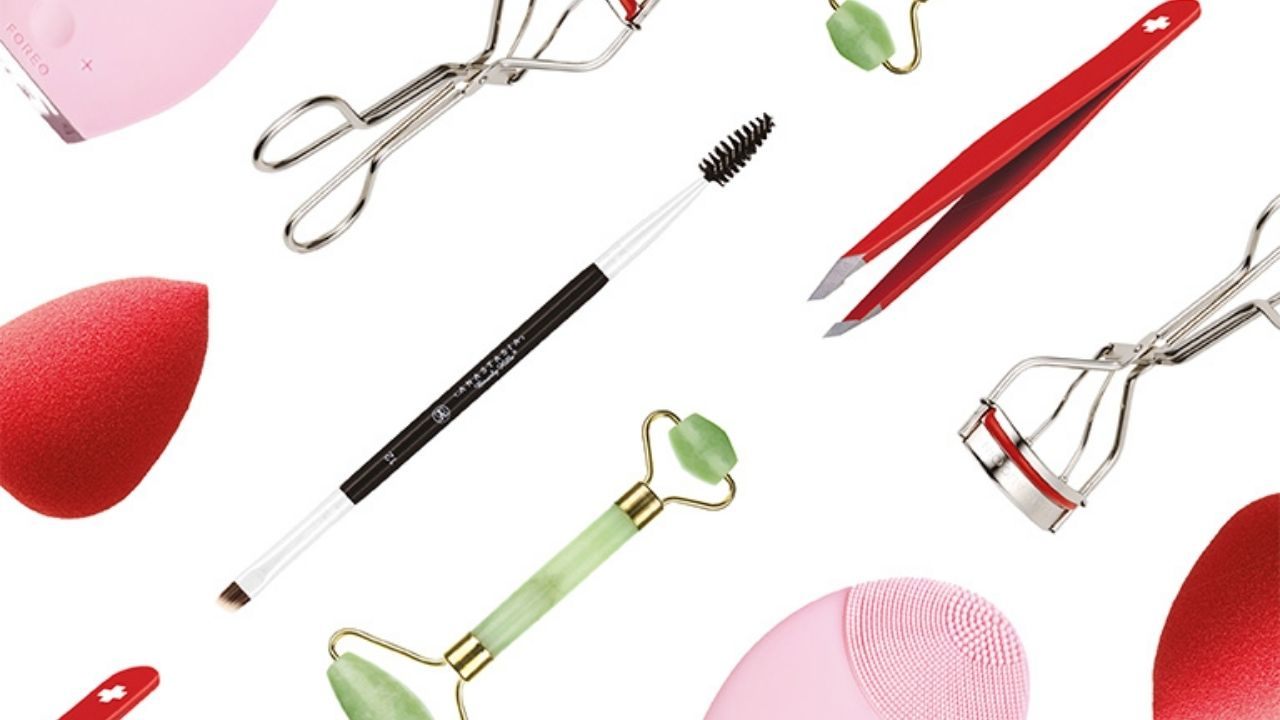
Wipe rollers, silicone pads, tweezers, and lash curlers as their instructions require, especially around batteries or moving parts.
Replace pieces that stain, tear, crack, or smell because rough surfaces, old residue, and trapped moisture are difficult to manage.
Maintain Heated Hair Tools Without Water Damage
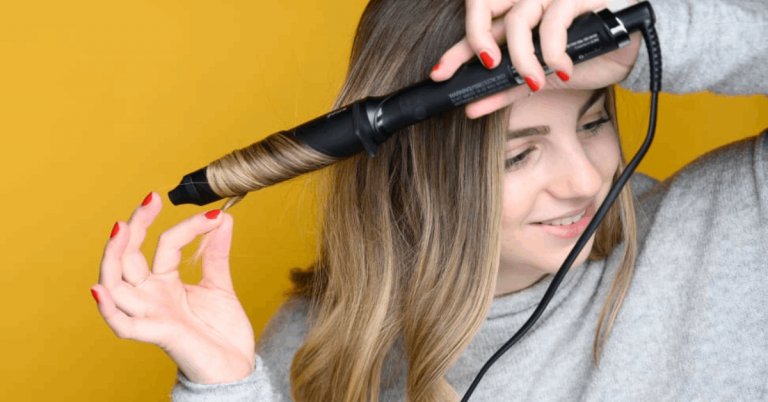
Hair appliances need special care because water does not belong near plates, controls, or electrical parts. Wait for full cooldown and use minimal moisture before wiping.
Clean Plates, Barrels, and Attachments Carefully
Unplug the appliance and let it cool before removing hair, lint, or styling residue. Wipe plates or barrels with a barely damp cloth, then dry them immediately.
Use manufacturer-approved methods for stubborn buildup, and never spray cleaner onto the device. This protects smooth surfaces, even heat, and safer styling.
Inspect Cords and Filters at the Same Time
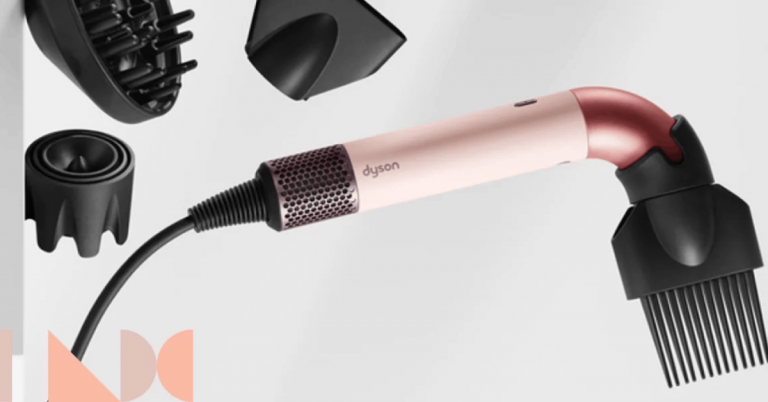
Check cords for fraying, sharp bends, exposed wiring, or looseness near the base and plug. Clear dryer filters and diffuser bowls as directed so blocked airflow does not tempt you to use more heat.
Stop using a tool that sparks, overheats, smells electrically hot, or shows damage. These checks support longer tool life, steady airflow, and safer mornings.
Store Tools So the Cleaning Lasts
A washed brush can become dirty again in a damp drawer or overfilled pouch. Use airflow, separation, and a clear home for every category.
Keep Hair, Makeup, and Skincare Tools Apart
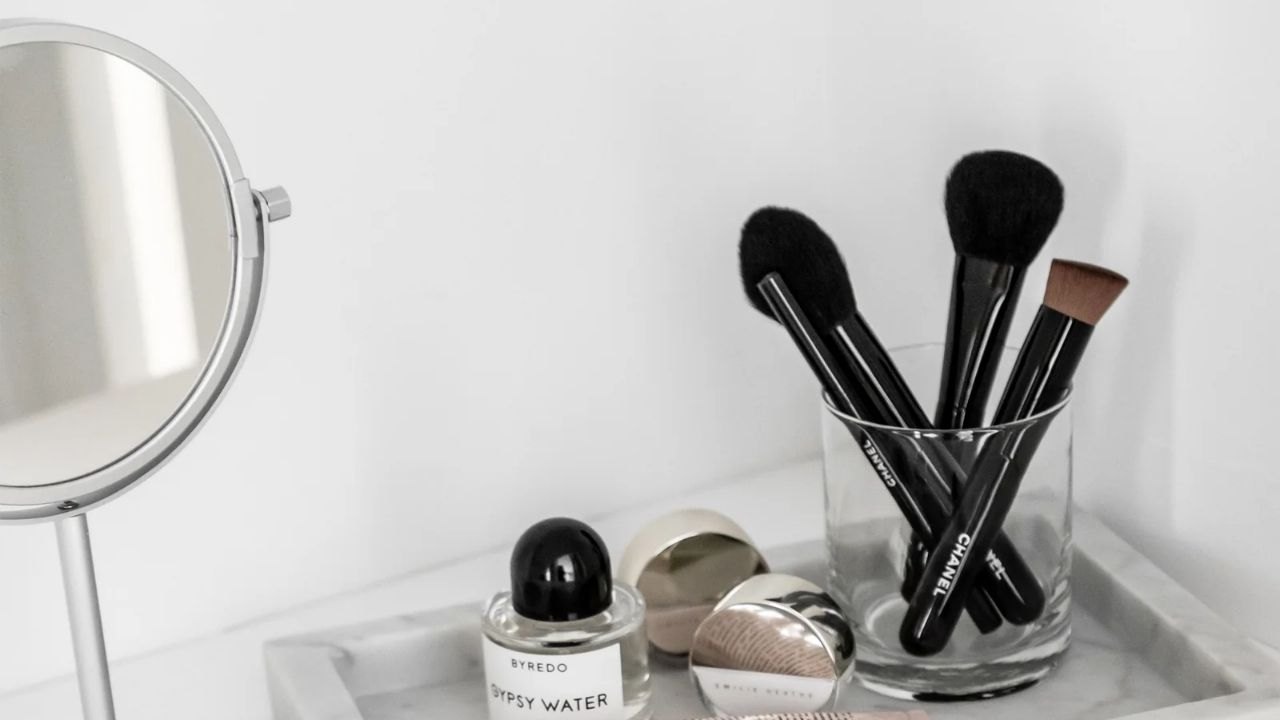
Store brushes in dry holders where bristles are not pressed against counters, bottles, or other tools. Give skincare devices a separate tray, and move items away from shower steam when possible.
Keep makeup sponges outside sealed containers until they are fully dry. This reduces cross-contact residue, bathroom humidity, and forgotten tools in drawers.
Also Read: Simple Skincare Routines That Actually Work
Pack Travel Tools Without Trapping Moisture
Use mesh pouches, brush sleeves, or divided cases so tools are not crushed by cosmetics, cords, or leaks. Let heat tools cool before using a heat-safe sleeve, and keep sponges in ventilated containers.
Carry a clean cloth for quick wipes after workouts, trips, or spills. These habits protect clean surfaces, tool shape, and a calmer routine away from home.
Conclusion: Make the System Easy to Repeat
Tool care works when it joins something you already do, such as wash day or clearing the bathroom counter.
Begin with daily resets and weekly washes, plus a monthly date you will remember. Replace tools that snag, crack, stay musty, or no longer operate safely.
With steady care, simple storage, and consistent habits, your tools remain ready for daily use even through crowded weeks, travel, or unexpected schedule changes.