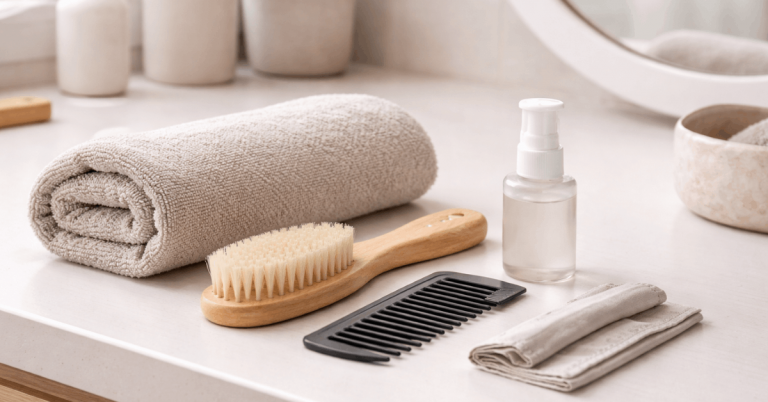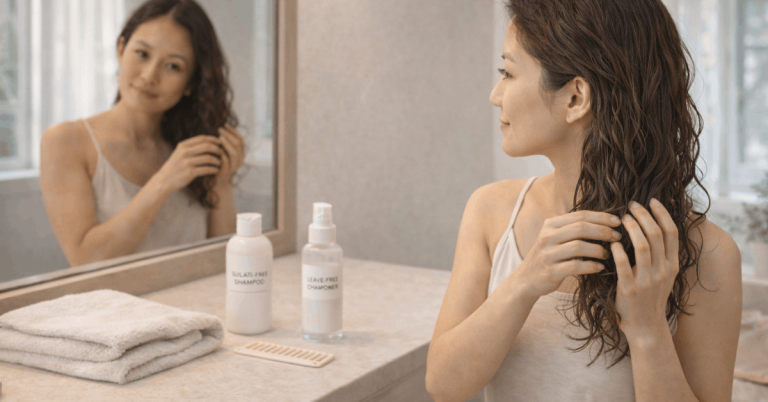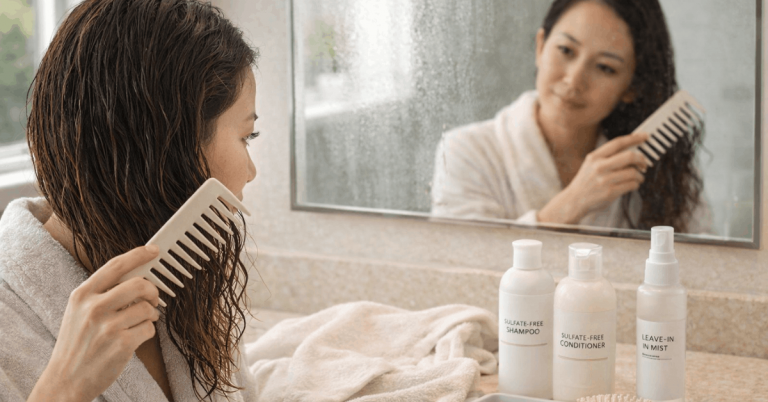
The brush on your counter shapes more than a finish before you leave. It decides how much pulling happens at the ends, whether your scalp feels scratched, and how easy it is to keep a style looking presentable. The right hairbrush for your hair type should fit your everyday routine, not just look convincing in its box.
That matters most when a brush becomes part of your autopilot. You reach for it half-awake, after the gym, or while rushing out. A tool that feels wrong can turn a small knot into a frustrating task. Start by noticing where it catches and when your hair resists rather than assuming your hair suddenly needs more products.

Let Your Texture Set the Starting Point
Hair labels can be useful, but they do not tell the story. Fine strands may tangle easily yet become limp under heavy brushing; thick hair may hide knots underneath a smooth top layer. Watch how your hair behaves after washing, sleeping, and wearing it down. That gives you better clues than a broad hair-type chart.
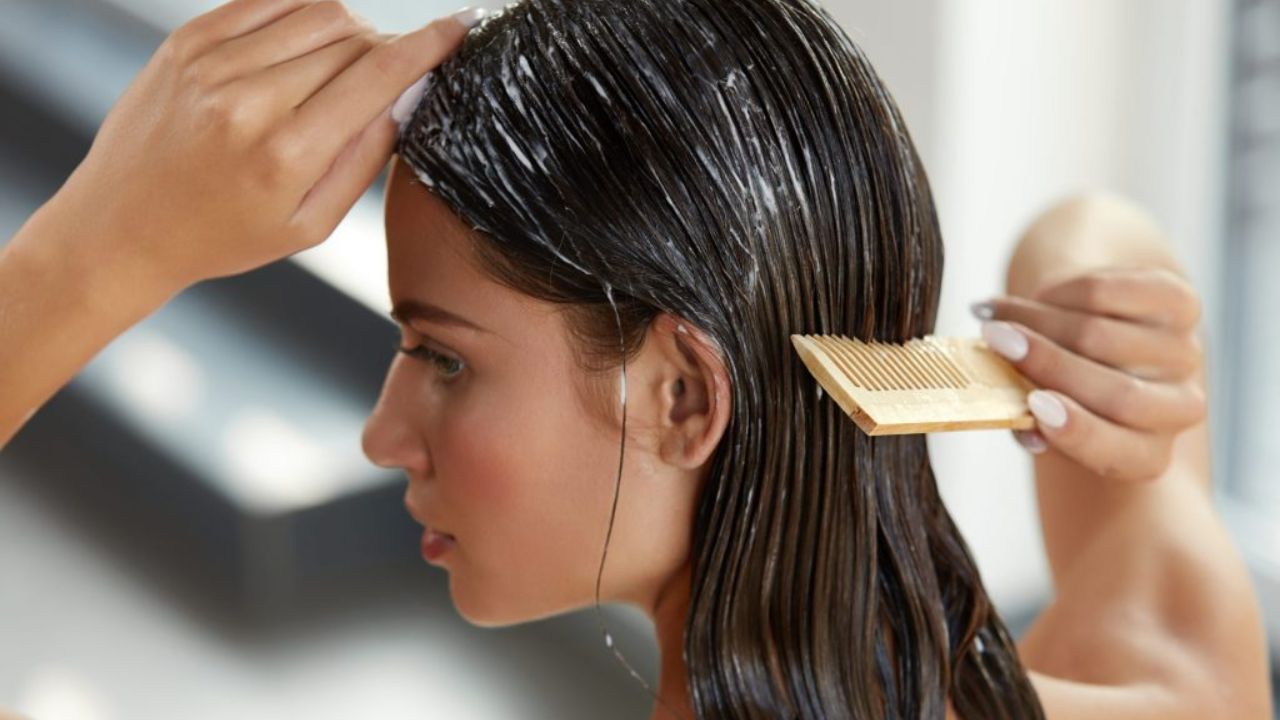
Texture is only one part of the decision. Length, colour treatment, scalp sensitivity, and how often you use heat change what feels comfortable. A short bob may need a small brush for control, while waist-length hair may need a wider surface to move through sections. Aim for comfortable movement and manageable tension.
Fine, Straight, or Easily Flattened Hair
Fine or straight hair often benefits from a brush that does not yank or press the scalp too hard. A soft bristle or flexible-pin style may smooth the surface without making roots look greasy. The key is not to keep brushing for shine. Too many passes can leave flat roots and extra static.
A paddle brush can be practical for longer, straight lengths because it covers more hair without demanding a lot of force. If your ends snap or catch, slow down at the bottom before moving upward. You are looking for gentle contact and steady glide, not a perfectly polished finish after every stroke.
Wavy, Curly, and Coily Hair Need More Room
Waves, curls, and coils ask for more patience than a standard dry brush can offer. A tool with wider spacing or flexible teeth can work better when hair is damp and has enough conditioner or leave-in for slip. Divide hair before you begin. That protects curl pattern and scalp comfort.
Finger detangling can be the best first step when shed hair has collected inside dense curls. It lets you feel a knot before pulling at it with a tool. Once the first resistance is gone, use the brush or comb in small sections. The goal is less breakage and better control, not rushing through a full head in one pass.
The Shape of a Brush Changes the Job
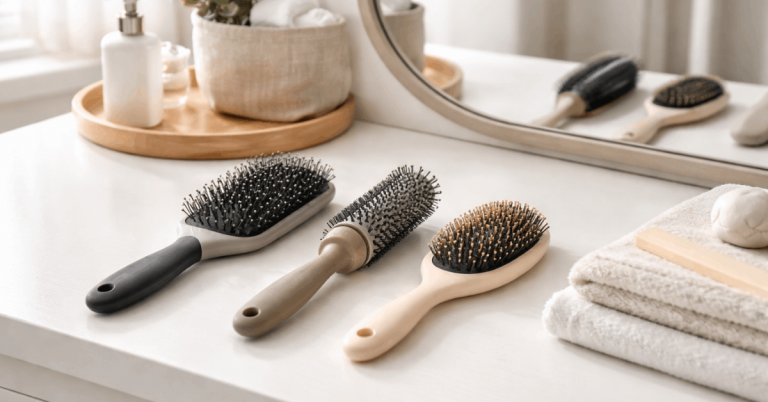
A brush need not do everything. Paddle brushes are useful for smoothing longer hair, vented brushes can help move air while blow-drying, and round brushes are made for shaping rather than casual detangling. Buy according to the moment you repeat most often. That is a more useful test than owning every brush shape or chasing one perfect tool.
Bristles matter too, but no material wins for everyone. Flexible plastic teeth may suit a slippery wash-day routine, while mixed or natural-style bristles may work for a smoother dry finish. Hold the handle, inspect the tips, and check how it feels against your hand. Good design means less wrist strain and less scalp pressure.
Where Brush Design Meets Everyday Styling Needs
Tangle Teezer’s Ultimate Detangler is designed for wet hair and shower use, with teeth for detangling and smoothing. It may be worth comparing if conditioner is part of your detangling routine. Pay attention to the handle shape and tooth flexibility, not just the colour options.
Denman’s D3 Original Styler 7 Row is a different kind of example: a multi-purpose brush used for detangling, blow-drying, styling, and curl definition. That does not make it right for every head of hair. It shows why brush purpose and your styling habits should come before price or popularity.
Your Scalp Gets a Vote Too
A brush can be technically right for your length and still feel wrong at the roots. A sensitive, flaky, or irritated scalp may react badly to sharp tips, rigid bristles, or fast brushing. Use a light hand and stop if brushing leaves lasting redness, soreness, or a burning sensation. Those are useful signals and not something to ignore.
Oily roots need care too. Overbrushing may spread oil down the hair and make you wash more often than you want. Instead, brush only enough to release tangles or shape your hair. Keep the tool clean so it does not transfer old product or oil back onto fresh strands. That protects scalp balance and your wash schedule.
A Short Check Before a Brush Comes Home
Before you buy, inspect the brush like something you will use when you are tired and rushed. Look for rough seams, bent pins, sharp edges, or a handle that feels slippery. A pretty brush that hurts your hand will stay in the drawer. Prioritize daily comfort and easy cleaning.
Use this brief check in the store or on an official product page:
- Does it suit wet, dry, or styled hair?
- Are the bristles or teeth smooth?
- Can you clean it without a struggle?
A brush should make one job easier, not promise to solve every hair concern. If the answer is unclear, leave it for now. You can always add a tool later when you know the gap. That avoids duplicate purchases and bathroom clutter.
Also Read: How to Protect Hair While Sleeping
Make the Brush Earn Its Place
Brushes last longer when loose hair and product residue are removed regularly. Pull shed hair out after use, rinse washable styles as directed, and let them dry fully before storage. A dirty base can make even a good brush drag. Maintenance preserves smooth movement and cleaner contact.
Replace a brush when teeth are bent, pins are missing, the cushion is split, or the handle has cracked. Do not wait until it causes pain. The right hairbrush for your hair type is not the most expensive item in the aisle; it is the one that makes care feel calmer every day and easier to repeat.