Best Detangling Brushes Start With Your Hair
The best detangling brushes are not chosen by colour or a celebrity post. Choose one by how gently it moves through your texture when knots and limited time are real. Fine strands, waves, curls, coils, and dense hair need different amounts of flex and spacing.
Notice when tangles appear, whether you detangle wet or dry, and your scalp’s tolerance for tugging. A good brush should make the routine more controlled, not turn knots into arguments. Design helps, but patient technique does most of the protecting.
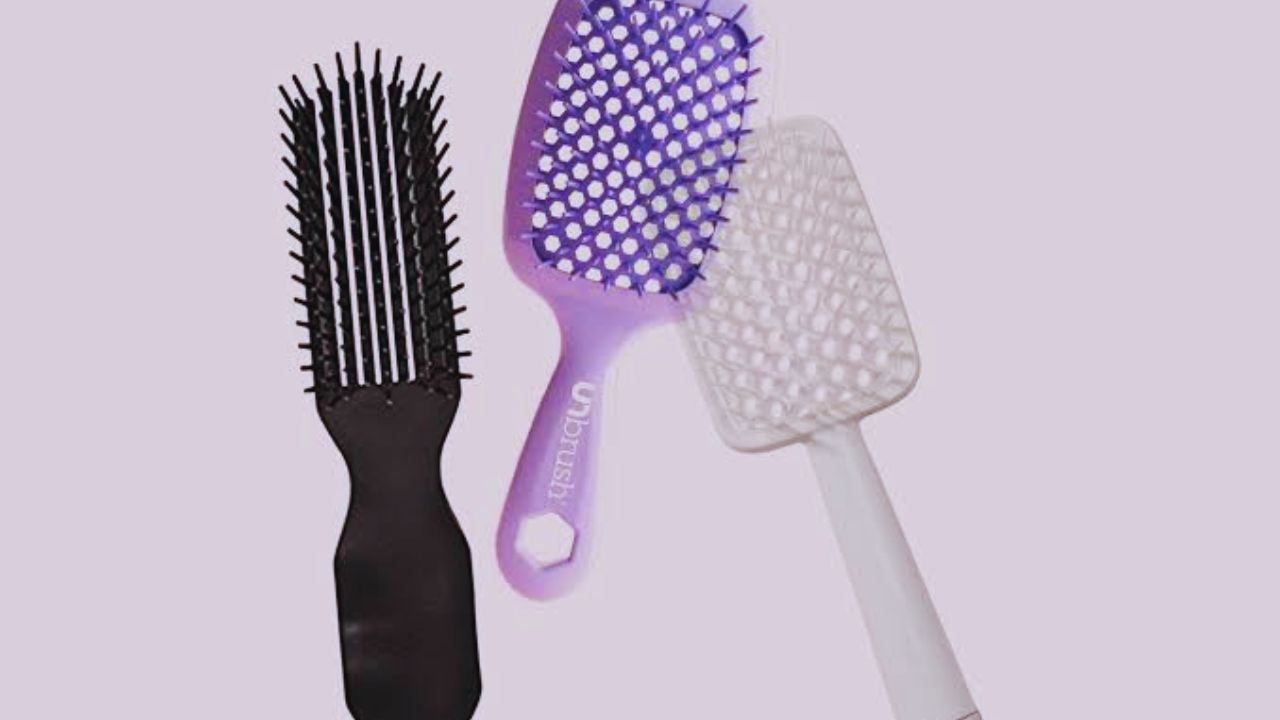
Details That Keep Knots From Causing Damage
A useful detangler separates a knot gradually rather than forcing a full section through. Flexible pins, rounded tips, and open spacing reduce the sharp pull that causes yanking. This matters on wet hair, when strands stretch and need gentler handling.
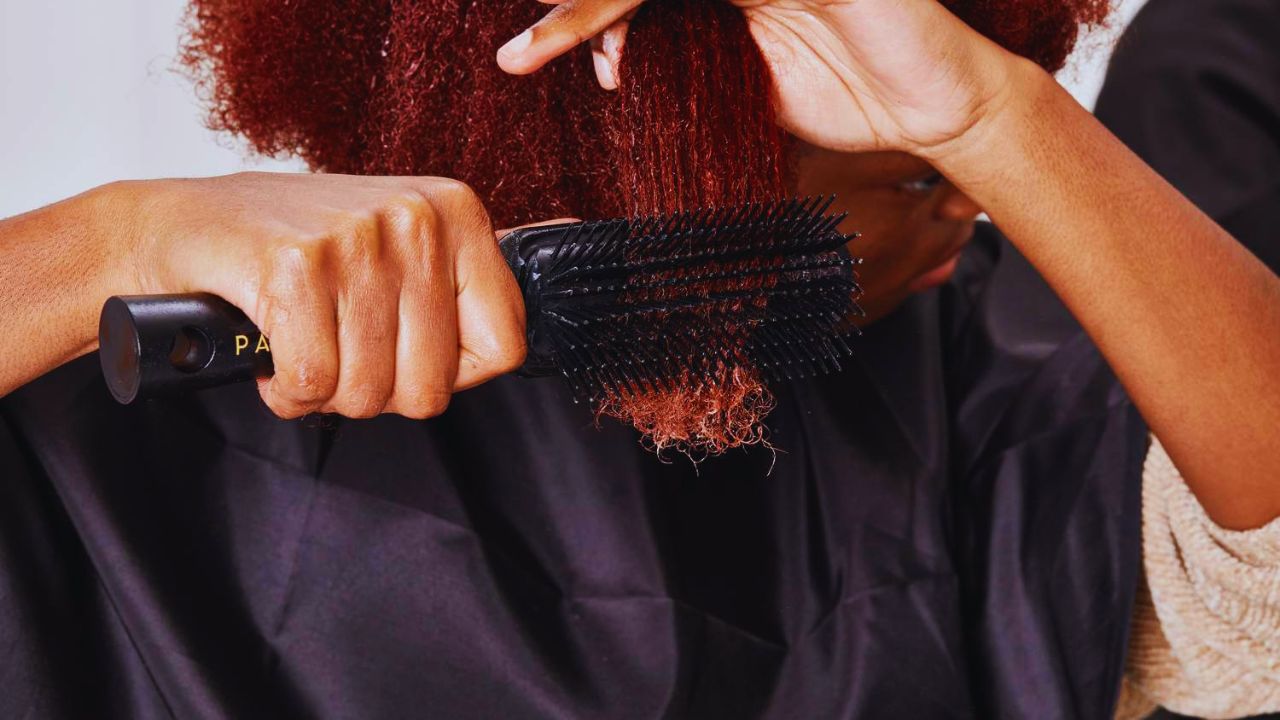
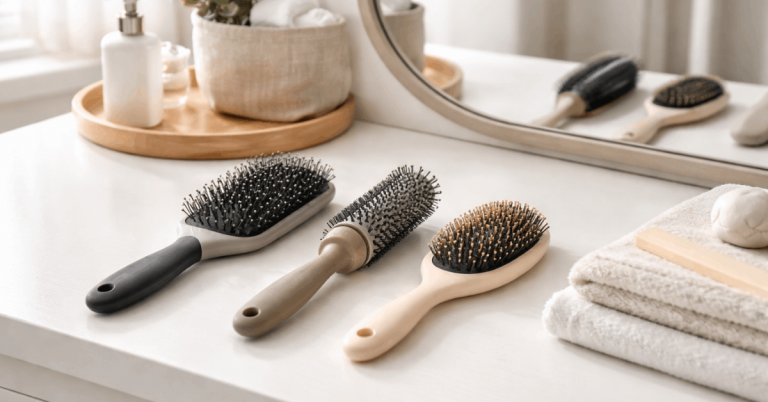
Shape matters. A wide paddle can cover dense sections quickly, while a slim head reaches roots and behind ears. Choose a steady handle and rinseable body. These details improve wash-day control when conditioner makes everything slippery.
Fine or Fragile Hair Needs Softer Flex
If hair snaps, is bleached, or feels weak at the ends, avoid tools that promise to power through tangles. Look for pins that bend before they drag. Hold hair above a knot to protect the scalp area.
Softer, flexible teeth can be more forgiving than stiff bristles or narrow rows. Use conditioner when needed, but do not soak hair just to brush harder. The goal is length retention, not speed.
Curls and Coils Need Space and Slip
Curly and coily hair knots where strands wrap around each other, after workouts, styles, or several days unwashed. One large bundle can pull apart curl groups. Add slip, divide hair, and work through small sections.
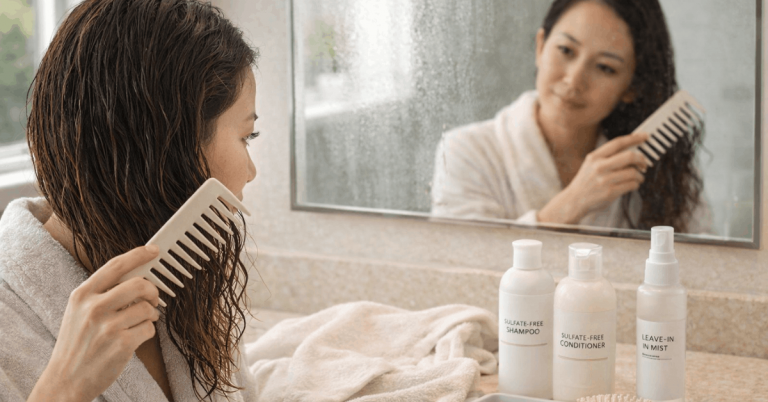
For textured hair, a wide-spaced tool or flexible brush can be easier when hair is wet and conditioned. Dermatologists advise washing-day, sectional detangling and avoiding dry brushing to limit more frizz and breakage. Take extra care at the nape and crown, where knots often hide.
Dense Hair Needs Reach, Not Force
Thick hair needs a brush long enough to reach below the surface layer. A small tool can glide over the top, leaving knots underneath and adding tension. Separate hair first, then work through a lower layer before moving upward.
A larger paddle can suit long, dense hair, while a vented body rinses after conditioner. The brush should feel substantial without tiring your wrist. When a section resists, make it smaller or add more slip; aim for steady progress, not a tug-of-war.
Two Official Brushes Worth Comparing
No brush is right for every head of hair, but official pages reveal more than clips. Check whether a model is for wet hair, which textures the company names, how it should be cleaned, and whether the handle fits your routine. Start with hair condition, then consider design.
The examples below serve different needs. One uses two-tier teeth for wet detangling, while the other is built for curls and coils with flexible bristles. Treat them as reference points, not a reason to replace a brush that already works.
Wet-Hair Option for Easily Tangled Lengths
Tangle Teezer’s Ultimate Detangler is designed for wet hair and shower use. Its official page describes long teeth for detangling and shorter teeth for smoothing. That may suit someone who wants a wet-hair brush for conditioner distribution and post-rinse knots.
A product description cannot predict how your scalp will feel after a week. Check teeth firmness, cost, return policy, and cleaning instructions. If you notice soreness or more broken strands, stop and reassess instead of accepting extra pulling.
Section-Friendly Brush for Curls and Coils
PATTERN’s Shower Brush is designed for curly, coily, and tight textures. Its flexible bristles and comfortable handle may help when you work conditioner through sections. It may fit people who prefer a shower routine rather than dry detangling.
The heavier build may not suit someone who wants a small travel brush or has very fine hair. Read the size and care information, then consider how often you will use it. The test is whether it gives your hands and scalp better control at usual snag points.
Technique Matters More Than the Label
A well-designed brush can still cause trouble when dragged from roots to ends in one impatient stroke. Begin at the ends, release the smallest knot, then move higher. This mirrors dermatologist guidance to work from lower sections first, reducing knot stacking and strain.
Use this short sequence before you start:
- Add conditioner or detangler for slip.
- Hold hair above a stubborn knot.
- Begin at the ends and move upward.
- Stop if your scalp becomes sore.
Slow passes are not a failure of the brush. They help you notice a snag before it becomes painful. For a child, partner, or client who finds detangling hard, use smaller sections and take breaks. That protects scalp comfort and makes the next session easier.
Keep the Brush Clean Enough to Glide
Brushes collect shed hair, conditioner, oils, lint, and styling residue. When buildup stays between pins, the tool can drag and transfer old product back onto clean hair. Remove loose hair after use, then wash the brush with lukewarm water and gentle shampoo. This keeps the pin base easier to inspect.
Let the brush dry fully before putting it in a closed drawer or damp shower corner. Look for bent pins, cracks, or a cushion that no longer springs back. Cleaning will not rescue a poor tool, but it extends the life of a well-matched brush and keeps the surface smoother.
Also Read: How to Simplify Your Hair Care Routine
Choose for a Routine You Can Repeat
The right brush fits the hair you have now, not a hairstyle you hope to try one day. Fine or treated hair often benefits from softer flex; curls and coils need slip, spacing, and sections; dense hair needs reach without force. If your brush scratches, pulls, or makes you avoid wash day, that is useful feedback.
Buy only after you can name the job the brush needs to do. Then use it with conditioner, patient sections, and a clean surface. The best detangling brushes make gentle care easier to repeat, leaving less pain, less rushing, and fewer reasons to fight with your hair.