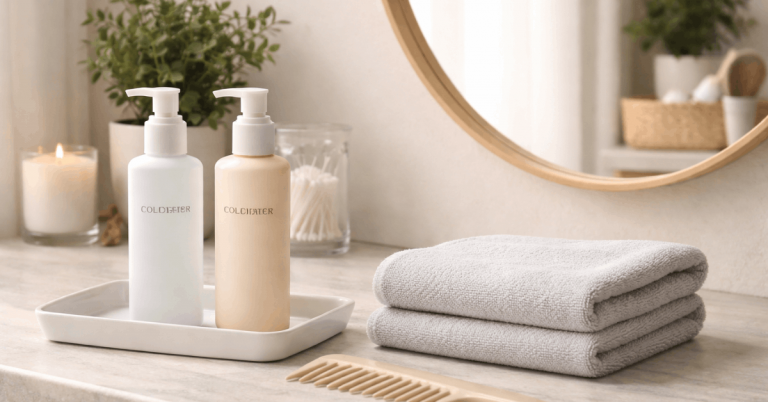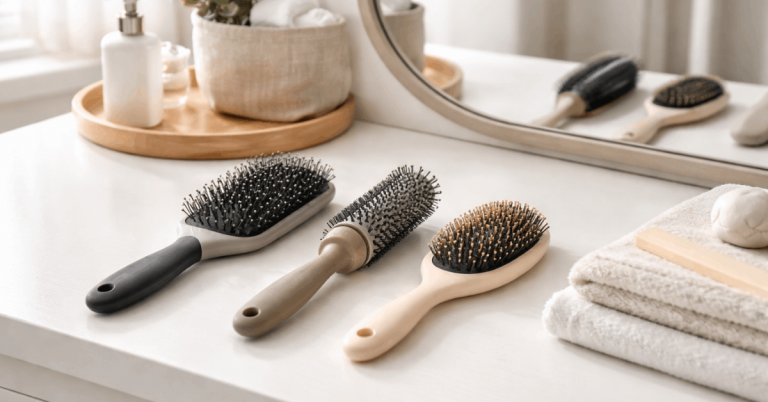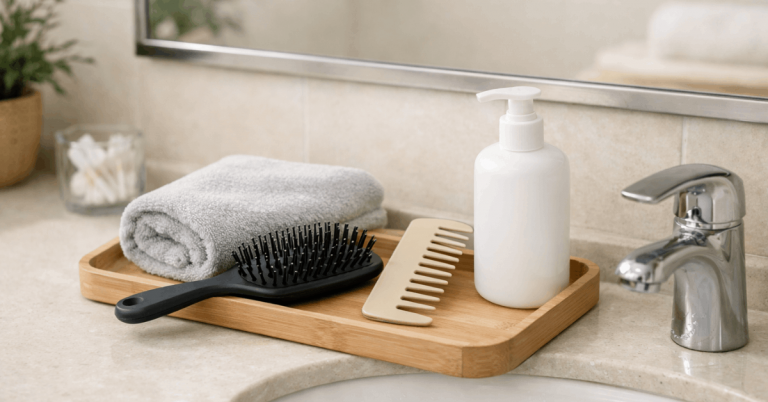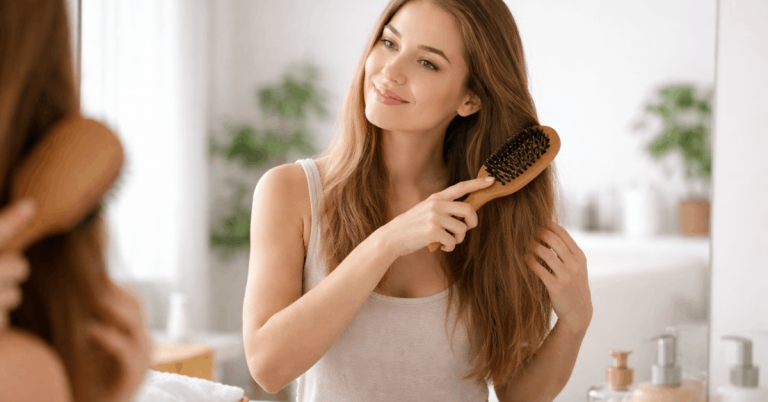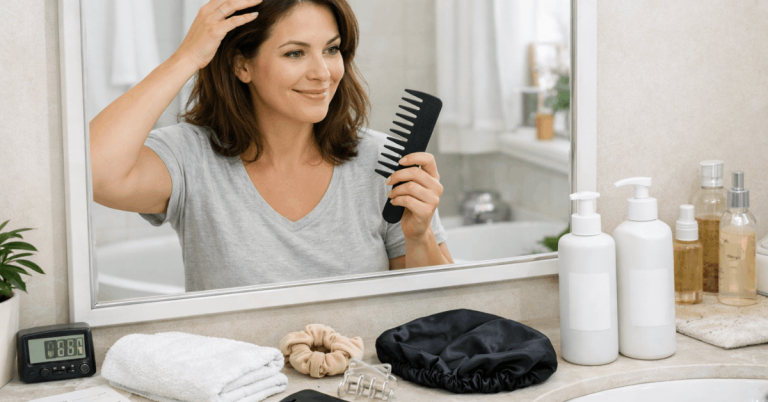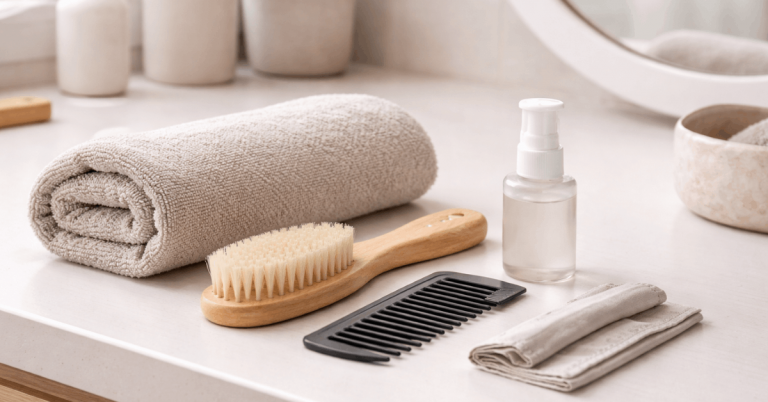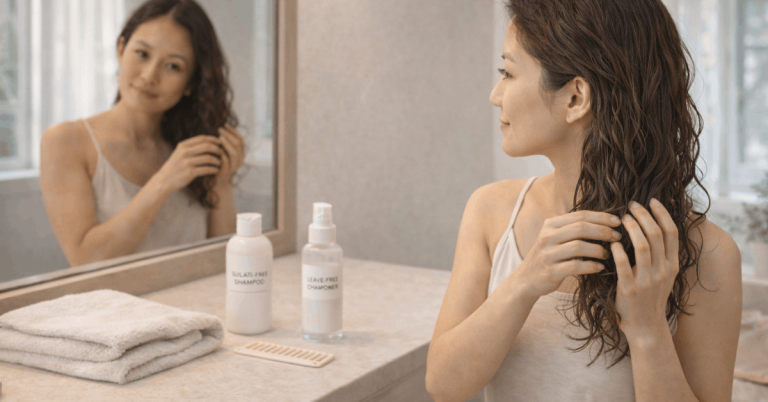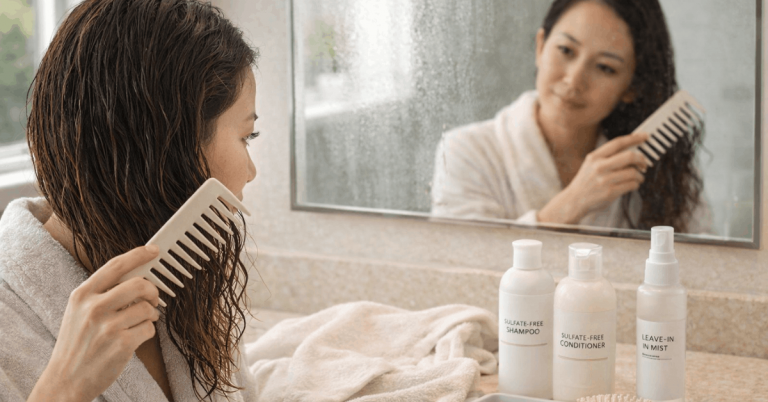
A hair routine gets tiring when every wash day starts with decisions. Unused bottles and tools can make basic care feel heavy. How to simplify your hair care routine means keeping useful steps and letting go of extra clutter.
This is for anyone who buys products after trends, struggles to finish what they own. It is a repeatable system that fits your texture, schedule, and real hair concerns.
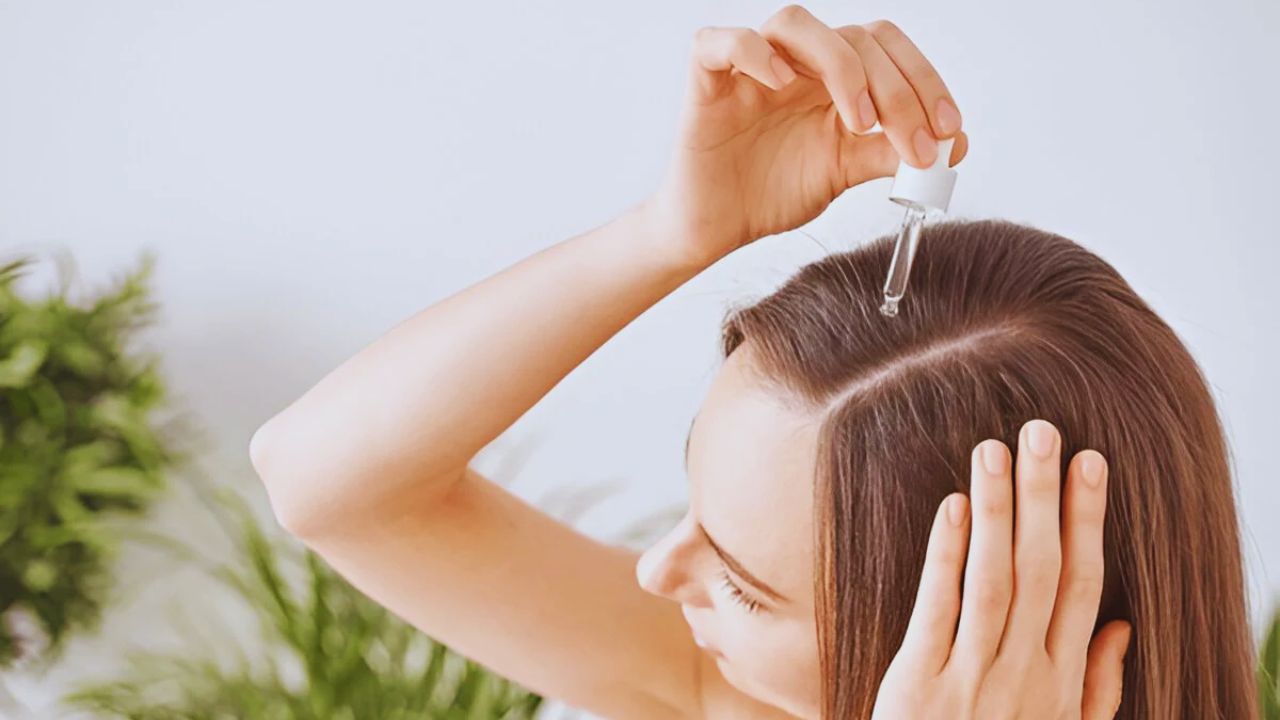
Start With Your Own Hair
Your hair does not need the same schedule as someone else’s. Straight hair may get oily quickly; curls and coils may need more slip. Notice what happens after workouts, washing, sleep, and styling. Those daily patterns matter more than viral advice.
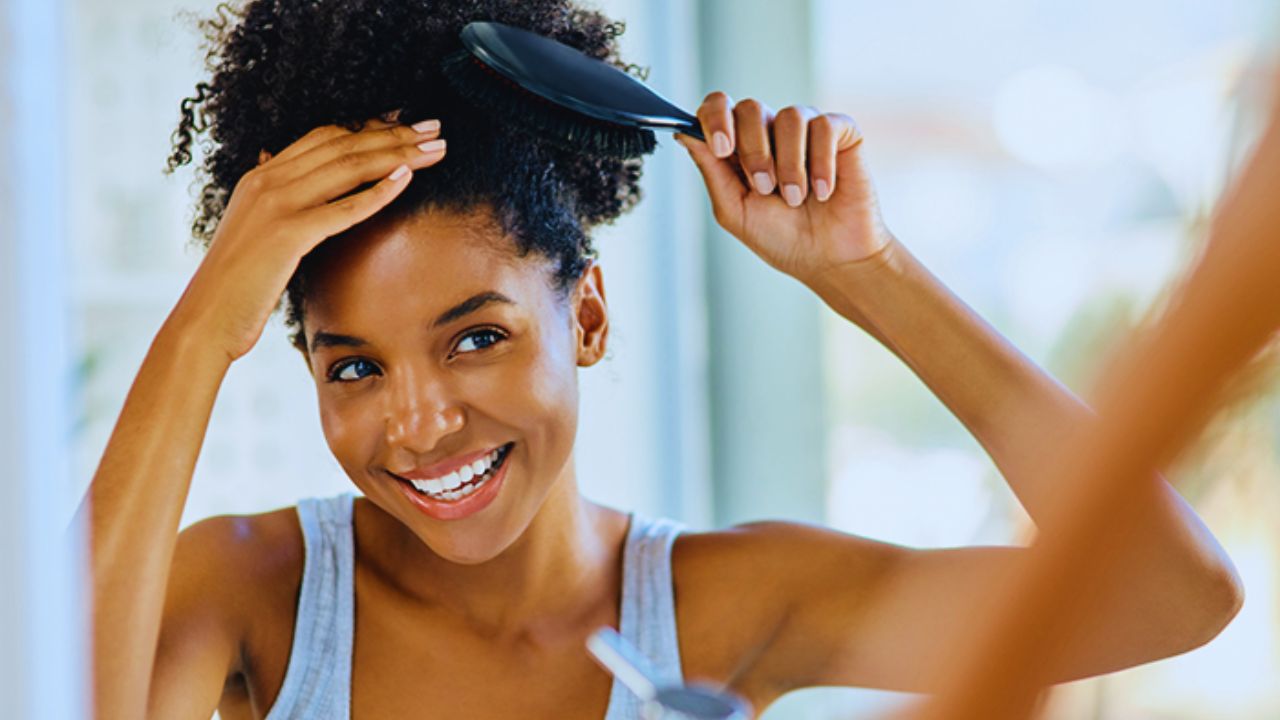
Your scalp gives clues. Mild oiliness is different from ongoing soreness, sudden flaking, or unexplained shedding. Persistent symptoms deserve professional advice. For ordinary care, treat the scalp and lengths as connected, but remember they can have different needs.
Separate Root Care From End Care
Roots are closest to oil, sweat, and styling residue. Ends are older and take the most friction from towels, pillows, clothes, and heat. Cleaning for scalp comfort while conditioning for softer ends is often easier than applying the same product everywhere.
Before buying a repair treatment, look at what happens around your hair each day. Hot water, rough towels, tight elastics, and rushed brushing can dry out ends. Fixing one everyday habit may help more than adding an expensive mask.
Remove Products That Only Create Decisions
Open bottles make a routine look more complex than it is. Check what you own for smell, texture, expiry dates, and whether you reach for it. Keep formulas that solve a regular issue. This clears visual clutter and reduces duplicate buying.
Do not throw away a product that works simply because it is not new. Ask what job it does: cleanse, condition, detangle, style, or protect from heat. When two products overlap, finish one first. That means less buildup and a clearer baseline.
Build a Small Working Lineup
For most hair types, a short set of basics is enough to begin. The products may differ by texture, colour treatment, and lifestyle, but categories keep you grounded. Think of these as working essentials, not a list of mandatory purchases.
- Shampoo for your scalp
- Conditioner for slip
- One leave-in or detangler
- Heat protectant when styling
Masks, oils, and stylers can stay when they solve a named problem, such as dry ends after swimming. You do not need them every wash day. Separating essentials from extras keeps wash days calmer and makes spending easier to track.
Use Tools That Remove Steps
A brush, comb, towel, or dryer should make a repeated job easier. A wide-tooth comb can spread conditioner through curls, while a microfiber wrap reduces rough towel friction. Aim for fewer useful tools, not a drawer full of single-purpose gadgets.
Start with the step you dislike most. If detangling takes too long, improve the brush or sectioning before buying another cream. If drying feels endless, check airflow and heat settings. A tool earns space when it is quicker and gentler, not just new and attractive.
Match Your Detangler to Wash Day
Tangle Teezer’s Ultimate Detangler is an official product option for people who prefer to detangle while conditioning or after rinsing. It may suit that routine, but texture and sensitivity still matter. Look for smooth glide and comfortable scalp contact.
Whatever brush you own, begin at the ends and move upward in short passes. Hold hair above a stubborn knot so the pull does not reach your scalp. Patient detangling protects weaker lengths better than a costly brush used in a hurry.
Use a Dryer Brush Only When Needed
A dryer brush may help when you regularly dry and smooth hair in one session. The Revlon One-Step Volumizer PLUS is an official option to review. Check barrel size, heat controls, voltage, and return terms before expecting it to handle every styling goal.
Combined tools still need careful heat use. Apply protectant, use the lowest effective setting, and keep the brush moving. Fine, bleached, or dry hair may need partial air-drying first. Time saved is not worth rough ends or an overheated scalp.
Plan Around Hair Trouble
Forget a strict timetable if it never fits your life. Notice when hair becomes difficult: after workouts, swimming, humidity, commuting, or the night before washing. Planning around these real-life triggers gives you a routine that bends with your schedule.
Your rhythm may be simple: wash when the scalp needs it, detangle with slip, protect before heat, and take low-effort days between bigger routines. Frequency varies by activity and texture. The goal is a steady pattern, not a borrowed rule.
Handle Knots Before They Hurt
Shed hairs, friction, and residue can turn a small snag into a hard knot. A few calm minutes before bed, after swimming, or before washing can prevent that buildup. Use fingers first around the nape and crown, where hair becomes tighter and more tangled.
Curls and coils often need sections and slip. Straight or fine hair benefits from light strokes and less brushing. Methods vary, but the goal is the same: work on knots while they are small and loose, not matted and painful.
Also Read: Essential Beauty Tools for Everyday Use
Make Seasonal Adjustments, Not a Full Reset
Humidity, pool water, indoor heating, and colder weather can change how hair behaves. You may need lighter leave-in during humid months or more conditioning in dry weather. These are small adjustments, not proof that your routine has failed.
Try one seasonal change and give it a few uses. Rinse after the pool, swap a heavy cream for a spray, or cover hair in strong sun. This limits constant shopping and protects the habits already working.
Keep a Routine You Can Repeat
The best routine should survive travel, busy weeks, weather shifts, and a nearly empty bottle. Keep daily tools where you can reach them, clean brushes regularly, and replace essentials before they run out. These small systems make care more predictable.
Choose one thing to simplify this week: finish a duplicate product, clean your brush, improve your detangling method, or remove bottles that no longer help. That is how how to simplify your hair care routine becomes a lasting habit. Keep what serves your hair, and release the rest.