A time-saving beauty tool earns its place by easing one task you already do. It might cut drying time, smooth the pieces around your face, or make detangling less draining. Beauty tools that reduce styling time should feel helpful on an ordinary weekday, not just impressive in a product video.
Start by asking where your routine slows down. Thick hair that stays damp, knots near the nape, or switching between brush and dryer can all add minutes. A focused routine usually solves more than a drawer full of new gadgets. It also keeps you from buying something that promises speed but creates another task.
Notice the Point Where You Start Rushing
Before you buy anything, watch your routine for a few days. Are you drying the same section again and again? Are you fixing a style after the commute? That specific delay tells you what kind of tool or habit might actually help.
Look at what happens just before the slow part. A rough towel, an old brush, or too much product may be creating the problem. This quick check can stop you from buying duplicate tools when a small change in preparation would do more.
When Drying Takes Most of the Morning
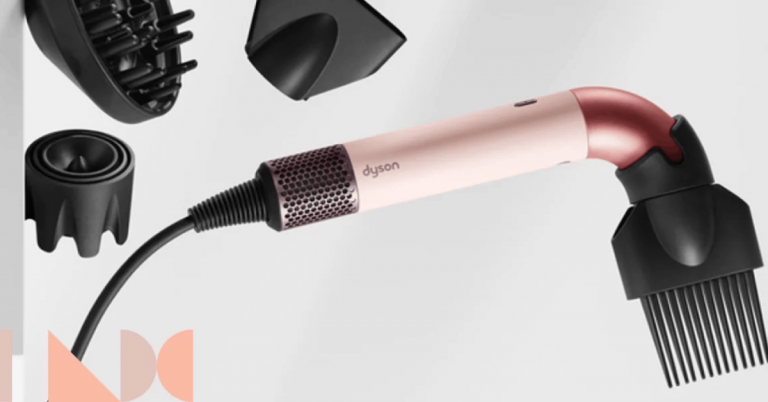
Fast drying is not only about power. Airflow, sensible heat, and a nozzle that suits your hair all matter. Press out water first, then work in sections so damp hair dries more evenly and spends less time under heat. For curls, a diffuser may help preserve the shape you normally wear.
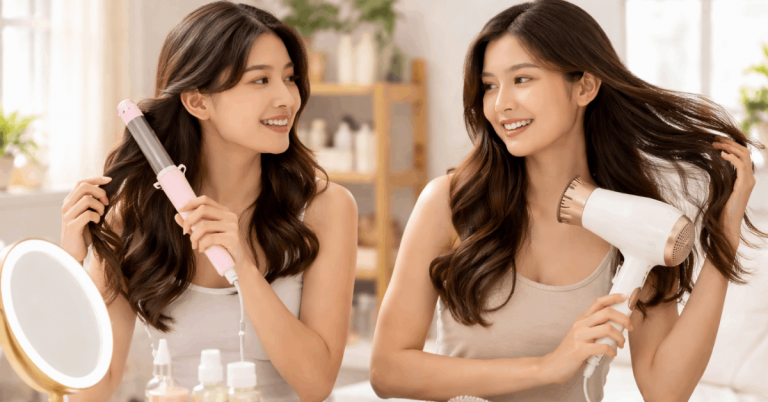
The Dyson Supersonic Nural is one official product page to review if drying is your biggest delay. Compare its attachments, local voltage, warranty, and storage needs. The best dryer is one whose controls and weight fit your hands and routine. Consider travel too; a powerful dryer that stays in a drawer saves nothing.
When a Dryer Brush Removes a Step
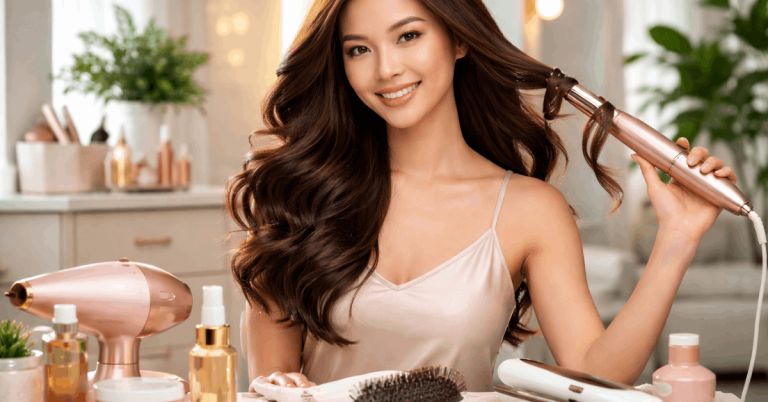
A dryer brush can be useful when holding a round brush and dryer at the same time feels slow or awkward. It may suit shoulder-length or longer hair when you want a smooth finish or soft volume. Use it on partly dry hair to reduce repeated heat exposure. It is usually better for smoothing than for creating a very defined curl pattern.
The Revlon One-Step Volumizer PLUS is another official product page worth comparing. Check the barrel size, heat choices, cord length, and how it fits your storage. A combined tool should remove a step, not add a new learning curve.
Make the First Few Minutes Count
Styling often becomes slow before the hot tool is even on. Rubbing hair with a bath towel, skipping detangling, or spraying product only over the surface creates extra work later. Start with better preparation instead of reaching for more heat.
Press out water with a microfiber towel or soft T-shirt, then detangle from the ends upward. Apply protectant in sections, not only on the top layer. That helps tools move through hair with fewer repeat passes and leaves the finish more even.
A Short Reset for Rushed Mornings
A familiar order helps when you are short on time. It keeps you from grabbing three products at once or heating a tool before your hair is ready. This lowers morning decisions and keeps the routine calm.
- Press out excess water.
- Detangle ends before roots.
- Apply heat protectant in sections.
- Start with the hardest area.
The list is short because it should be easy to remember. Try one change at a time if your routine still runs long. That will show whether a prep habit is saving time or whether the tool itself needs replacing. It also prevents rushed tangles near the roots.
Let Small Tools Handle Small Problems
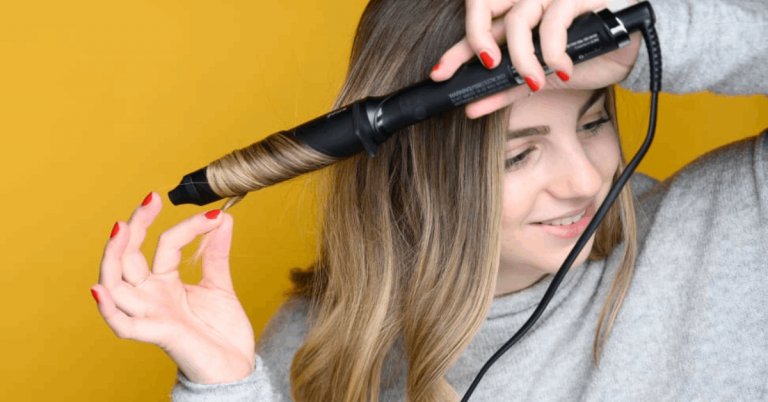
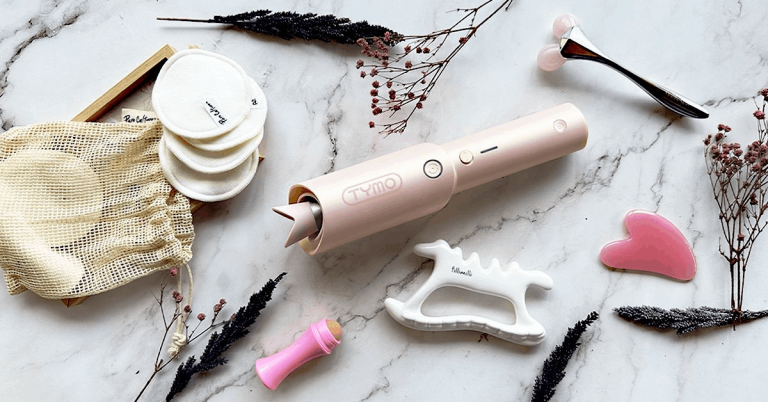
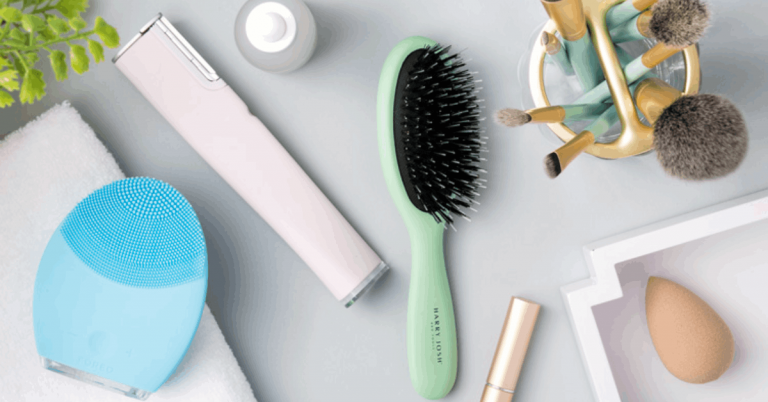
A compact straightener, mini curler, or smoothing brush can help with a bent fringe, uneven ends, or flyaways at the crown. It should not become the way you rebuild a whole style every morning. Keep quick touch-ups for the places that need them.
Hot tools are easiest to overuse when a two-minute fix becomes a daily restyle. Keep the device near a mirror only if you can use it safely, read the controls easily, and let it cool properly. That makes it a controlled shortcut, not a rushed risk. Never leave a heated tool on towels, tissue, or a crowded counter.
Give Your Style a Better Night Shift
Some useful shortcuts are not electrical. A satin pillowcase, bonnet, loose braid, claw clip, or soft scrunchie can reduce friction while you sleep. The aim is not perfect hair; it is keeping enough overnight shape that you do not start from zero.
Dry shampoo may stretch a style for some people, but it does not replace washing a scalp that feels uncomfortable or heavy. Use a light amount at the roots and brush it through. A lighter refresh is easier than trying to rescue several days of buildup. If oil or product makes hair feel limp, wash sooner rather than adding more spray.
Also Read: How to Detangle Hair Without Causing Damage
Keep the Tools You Depend On Ready
A dryer filter clogged with lint, a brush packed with shed hair, or a sticky hot-tool plate can quietly slow everything down. Remove hair after use, wipe heat tools once cool, and follow the manufacturer’s cleaning instructions. This protects tool performance without turning maintenance into another project.
Pick one evening each week to reset the tools you use most. Let them cool and dry before storage, especially after humid showers or workouts. That small routine can prevent last-minute problems when you are already late. A tidy drawer also makes clips and attachments easier to find.
Choose the Shortcut You Will Repeat
The fastest tool is not always the newest or most expensive one. It is the one that fits your hair, your grip, your storage, and the time you actually have. Start with the step that causes the most frustration. That is where a useful upgrade may earn its place.
Give a new tool or method a week or two before deciding it has failed. Notice whether you need fewer passes, less product, or less rushing at the door. Beauty tools that reduce styling time should create breathing room, not pressure to style more. Write down the one change that helped, so you are not guessing later.