Hair damage rarely starts with one mistake. It usually builds through small repeated stresses: hot tools, tight ponytails, rushed detangling, rough towel drying, or chemical services placed too close together.
This guide is for anyone who wants to style their hair while keeping breakage and dryness in check.
The focus is on realistic habits, not a product heavy routine that works only on quiet weekends.
Notice What Your Hair Is Reacting To
Look at Where the Problem Shows Up
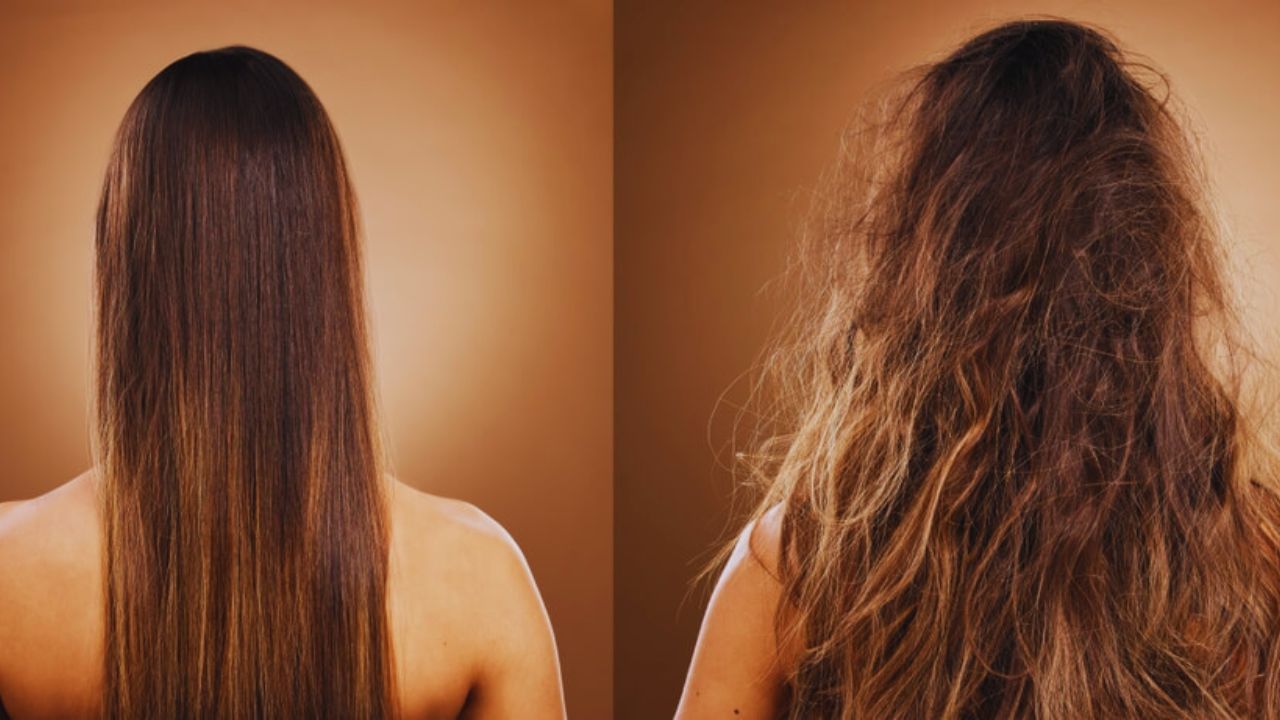
Breakage at the crown may come from tension, while dry ends often reflect older heat and color exposure.
A tender scalp, itchy patches, or extra shedding needs a different response than simple frizz.
Notice when the problem began, where it appears, and which styling habit came before it. That specific observation is more useful than buying a treatment for every rough hair day.
Clean Should Not Mean Stripped
Hot water, harsh shampoo, and washing can leave hair dull and harder to comb.
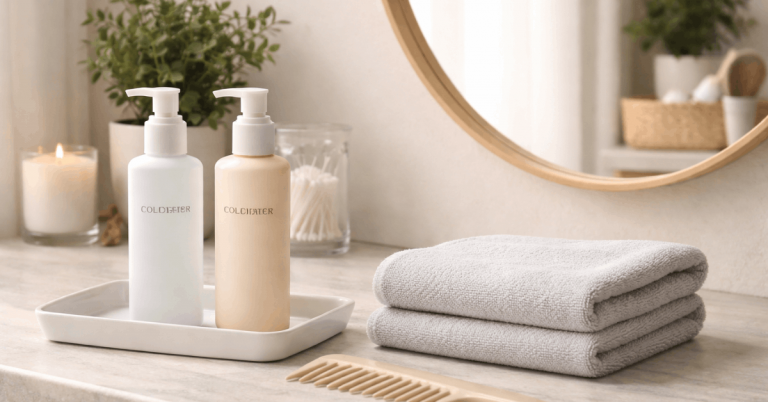
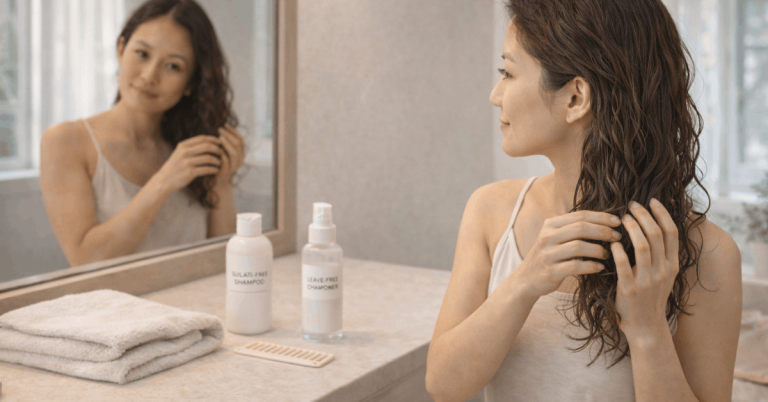
Massage shampoo into the scalp, where oil and sweat collect, then let the foam rinse through the lengths without scrubbing them. Use fingertips rather than nails when the scalp feels sensitive.
The goal is comfortable cleanliness, not a squeaky finish followed by heavy product buildup.
Make Heat Styling Less Harsh
Lower the Temperature Before You Add Another Pass
A flat iron or curling tool does not need its highest setting to create a smooth look.
Start with moderate heat, work in sections, and move slowly enough that you avoid repeating the same pass. Fine, bleached, dry, or fragile hair usually needs less heat than dense or coarse hair.
This protects surface smoothness while keeping the finished style polished.
Prepare Hair Before It Meets the Tool
Apply heat protectant through the mid lengths and ends, then detangle before using a styling iron.
Hair should be fully dry before a flat iron or curling wand touches it; pressing damp hair can cause rapid damage. Wipe buildup from plates and barrels, since residue can make tools drag.
These steps make heat protection part of the process, not a last minute thought.
Build Heat Free Days Into the Week
After blowouts or straightening, give hair a break from direct heat.
Loose braids, pinned twists, soft rollers, or leave in conditioner can create shape without forcing the same finish. The result may be softer and less polished, but that is not a failure.
Regular breaks reduce cumulative stress and preserve stretch and softness.
Reduce Pulling Before It Becomes a Pattern
Change Tight Styles and Repeated Parts
A sleek ponytail may be practical, but wearing it in the same place can strain the hairline and crown.
Rotate your part, lower the anchor point, and avoid sleeping with hair pulled tight overnight. A style that causes headaches, bumps, soreness, or pulling is too tight for regular wear.
Comfort is a sign of scalp friendly styling and a reminder that tension adds up.
Detangle With Enough Slip
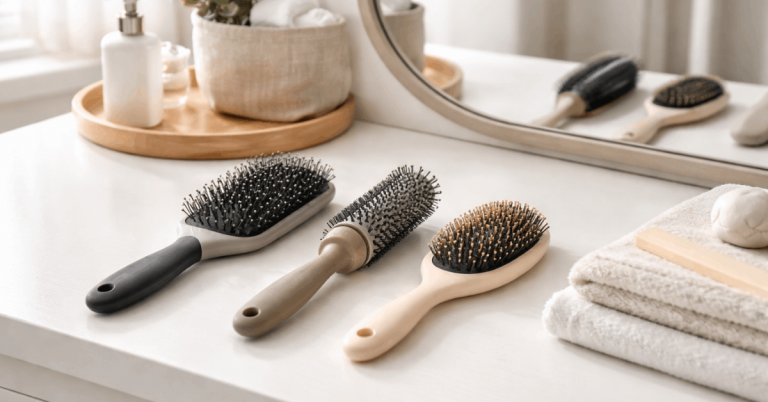
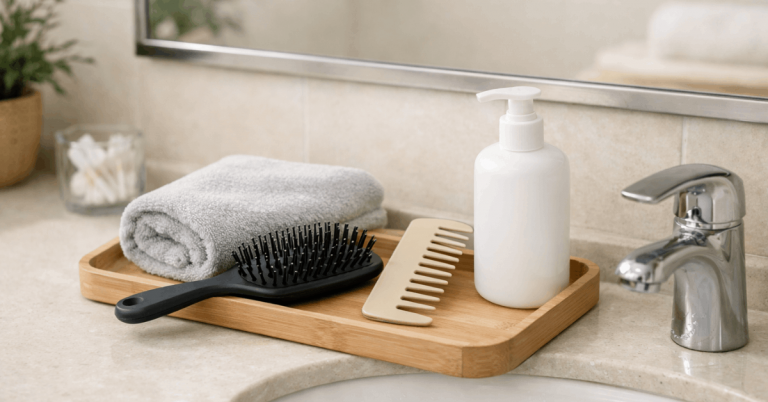
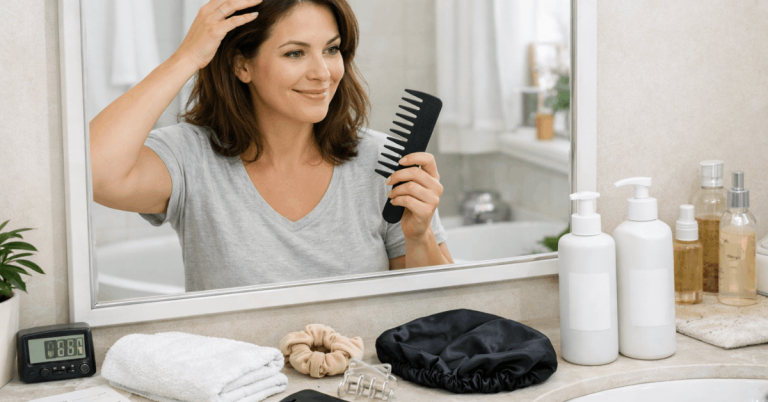
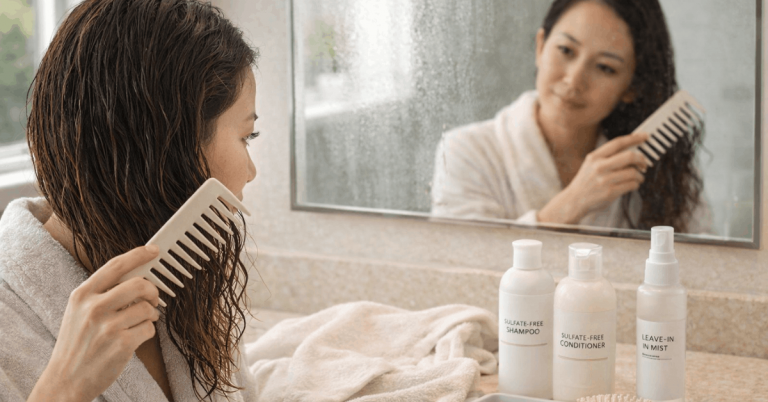
Start at the ends, loosen knots slowly, and work upward with a wide tooth comb. Leave in conditioner, detangling spray, or a little water can reduce force at stubborn knots.
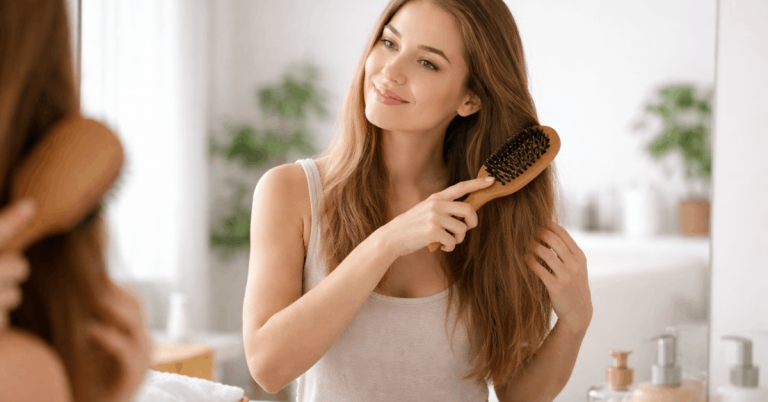
Textured hair may be easier to detangle damp, while fine hair often needs a lighter formula. Replace rushing and pulling with slow, steady movement.
Protect the Lengths on Wash Day
Keep Conditioner in the Routine
Conditioner softens hair after shampooing and makes combing easier.
Apply it from the middle down, follow the label time, and rinse until hair feels soft. A weekly mask may help after swimming, color, or extended sun exposure, but it does not replace regular conditioning.
Consistent moisture is often better than a rare rescue treatment followed by several dry washes.
Dry Gently While Hair Is Vulnerable
Wet hair stretches more easily, so rough towel drying can lead to snapping and frizz.
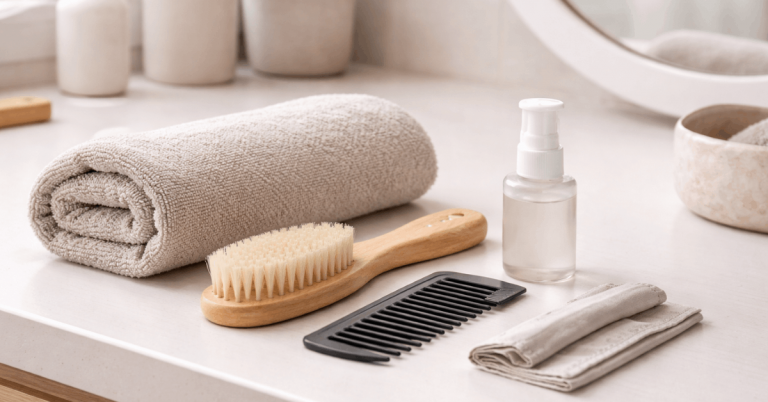
Press out water with a microfiber towel, then air dry partly before blow drying.
Avoid twisting hair into a very tight wrap for long periods, especially with dry ends. This reduces wet hair friction and gives fragile lengths more protection.
Also Read: Beauty Tools That Simplify Daily Routines
Treat Chemical Services as a Schedule, Not a Shortcut
Give Color and Lightening Enough Space
Color, bleaching, relaxing, and smoothing treatments can affect hair long after the appointment.
Ask whether only the roots need attention instead of processing the full length every time. Waiting longer between services may preserve softer ends and reduce uneven texture.
A thoughtful schedule protects previously treated hair while keeping new growth manageable.
Follow Instructions When You Treat Hair at Home
Home color and chemical kits should be used as directed, including patch testing and timing.
Leaving a formula on longer does not reliably create a better result, and adding another treatment immediately can make a problem worse.
Rinse promptly if your scalp burns, swells, or keeps itching, then seek professional advice. Following directions supports basic safety and prevents avoidable overprocessing.
Keep the Routine Small Enough to Repeat
Use Simple Checks Before You Buy Another Product
Before buying another repair mask or serum, review habits that may cause the problem.
A brief routine can protect hair without filling the bathroom with products you barely use. Start with the adjustments below, then watch how your hair responds.
They support long term strength and make daily styling easier to manage.
- Lower the heat before adding a new treatment.
- Loosen the style before blaming your hair texture.
- Trim frayed ends before splits move higher.
Ask for Help When the Scalp Is Involved
Sudden shedding, painful bumps, persistent itching, or a widening part should not be treated only with home remedies.
A dermatologist or qualified hair professional can help identify whether the issue needs more than a routine change.
Bring details about recent color, products, medications, and styling habits. That supports a more useful conversation and avoids endless trial and error.
Let the Small Changes Add Up
Healthier looking hair often comes from ordinary choices repeated over time, not a one day fix or a new product.
Keep heat controlled, give your scalp breaks from tight styles, and handle wet hair with patience each week. When hair starts snapping or feeling unusually rough, simplify the routine before adding more products.
Those habits protect lasting strength, keep your styling routine easier to live with, and prevent unnecessary daily stress.