A beauty tool should earn its place by solving a repeated problem: drying hair before work, calming a stubborn knot, or tidying brows.
It should not create another task through awkward charging, difficult cleaning, or attachments you never use.
This guide covers practical beauty tools for hair, skin, and basic grooming, including their limits. The aim is less clutter, less effort, and a routine that works on an ordinary morning.
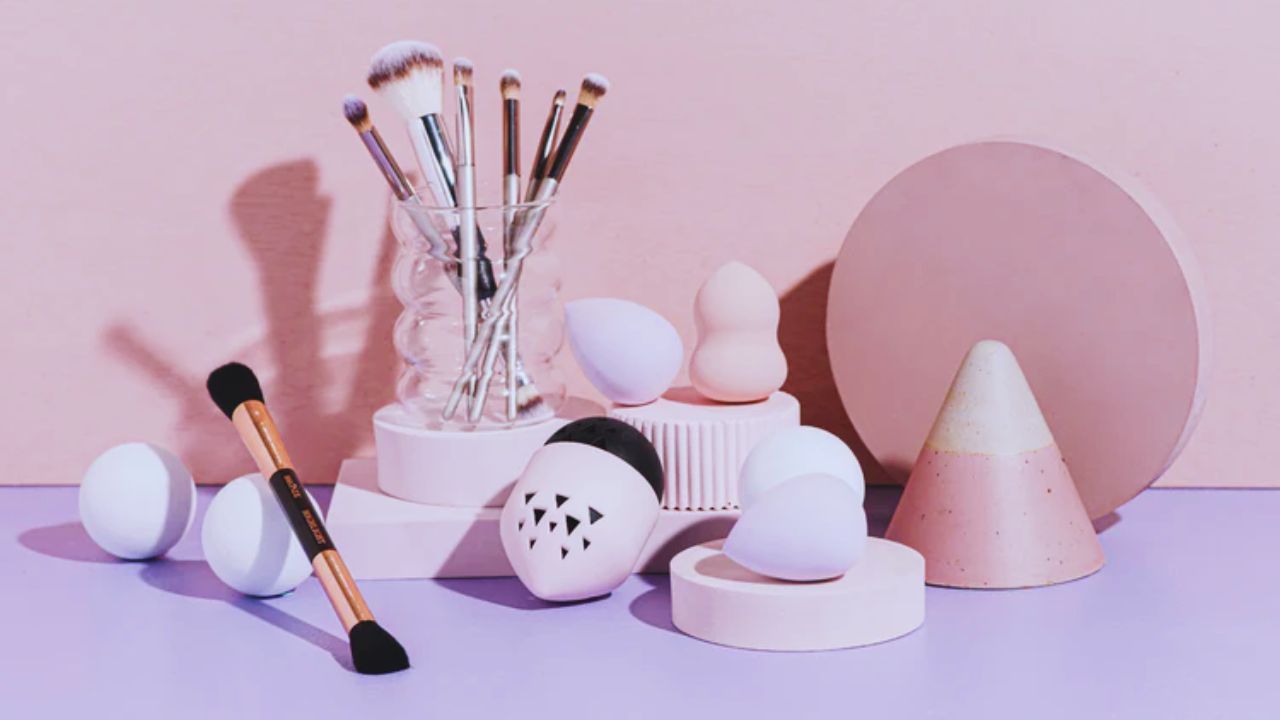
Start With the Step That Keeps Getting Rushed
Shop from the part of your routine that is skipped, delayed, or frustrating. That keeps the choice connected to real daily habits rather than a device that merely looks useful online.
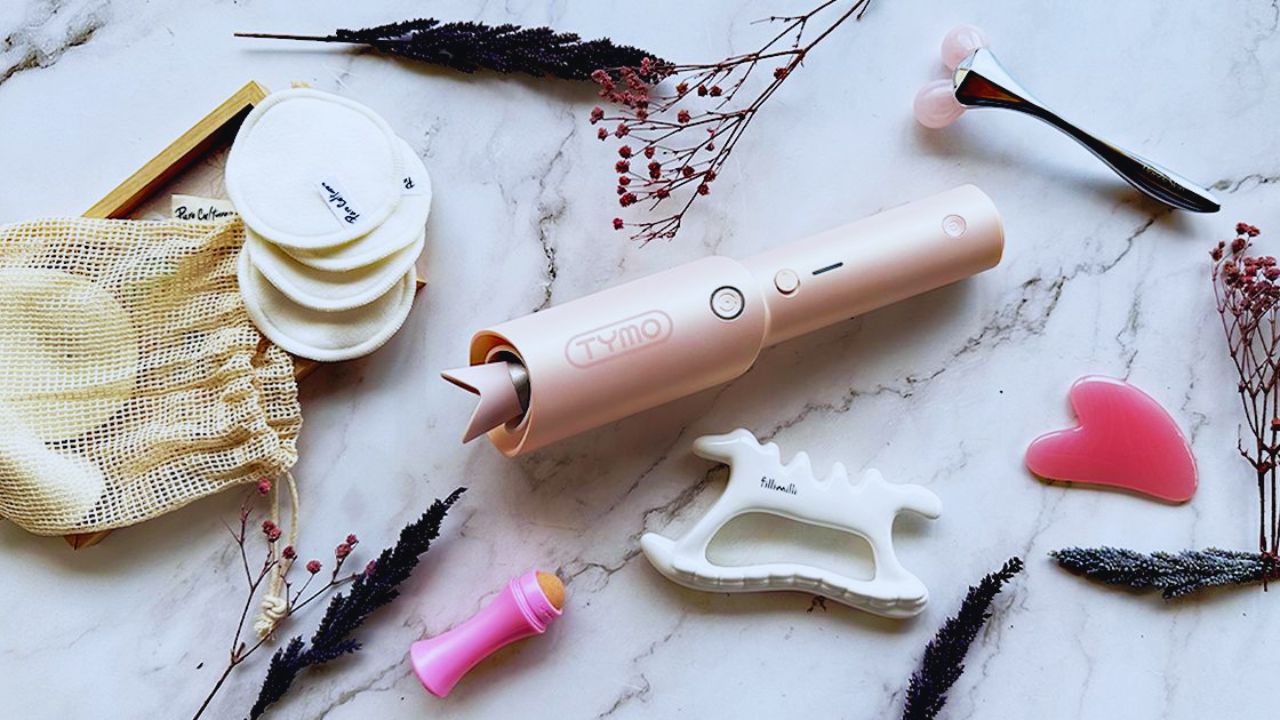
It also protects your time and budget from impulse buying. A tool that feels obvious on a hectic Tuesday is usually more valuable than one that needs special preparation.
Choose a Tool for a Specific Repeated Problem
Maybe your hair stays wet too long, tangles after washing, or loses shape during the day.
A useful tool should solve one regular problem you have, instead of promising a vague transformation.
You are more likely to use something that eases a daily annoyance than a device bought for an imagined routine.
Include Cleaning and Storage in the Decision
Speed is not the whole story. A device should be easy to hold, clean, charge, and store; otherwise, convenience fades after the first week.
Check its grip, cleaning instructions, power source, and whether parts are easy to find. Those details reveal whether daily usefulness will outweigh the maintenance burden.
Hair Tools That Save Time Without Pulling
Hair tools can make busy mornings smoother, but they should not demand harsh heat or rough handling.
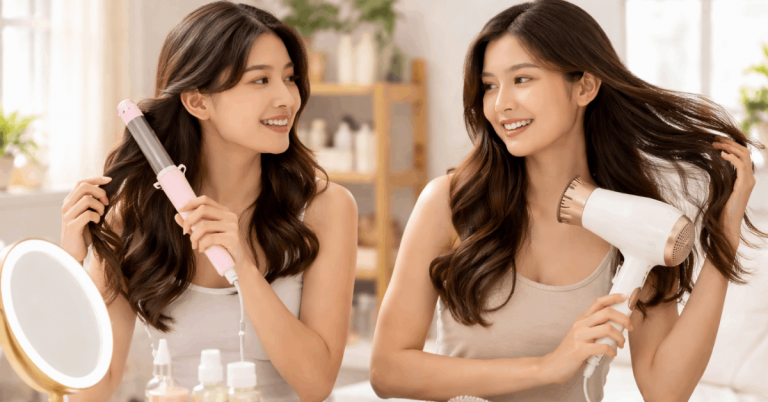
Good choices help with drying, detangling, and touch-ups while respecting hair that is colored, dry, or fragile. Start with a tool you can use most mornings with realistic expectations.
Match Your Brush to the Job at Hand
A vent brush can help air move through hair and may shorten drying time.
A wide-tooth comb or flexible detangling brush is often better for knots after washing. Start at the ends and work upward in sections instead of dragging through the whole length.
This gives gentler control and reduces the unnecessary pulling that leaves strands around the sink.
Use Heated Brushes With Clear Limits
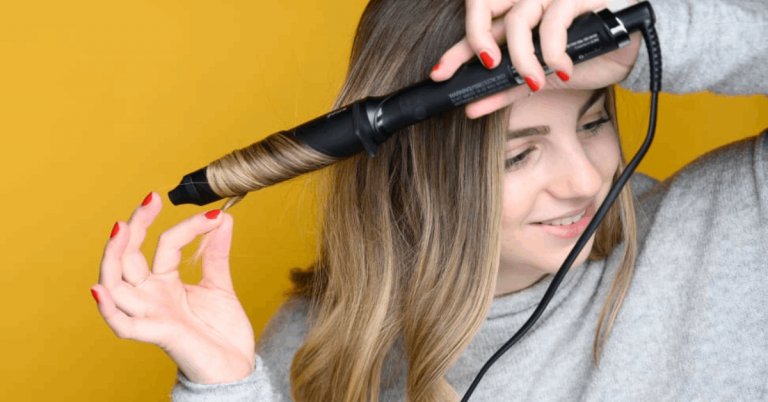
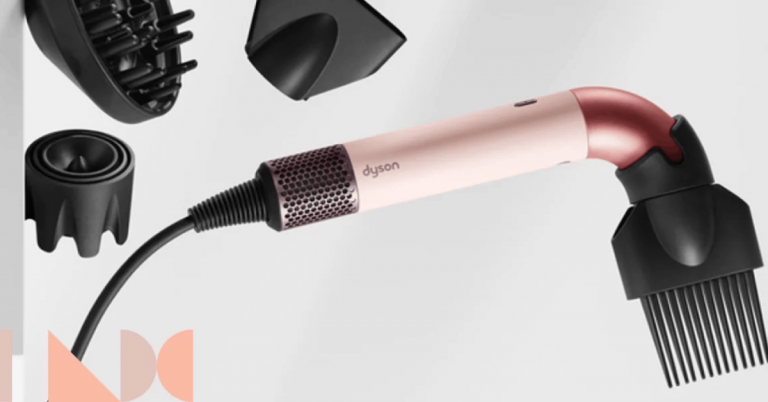
Heated brushes and dryer brushes can smooth mostly dry hair.
They still need heat protectant, clean surfaces, and a setting that matches your hair’s condition. Fine, bleached, dry, or brittle strands need lower heat and fewer passes.
Use them as occasional styling support, not a cure for every difficult morning or a replacement for basic care.
Skin and Grooming Tools That Earn Their Place
Devices work best when they support a step you already do.
Simple, easy-clean tools may make touch-ups more manageable, but they cannot replace cleansing, moisturizer, or sunscreen.
Keep the focus on comfortable daily care, not dramatic promises.
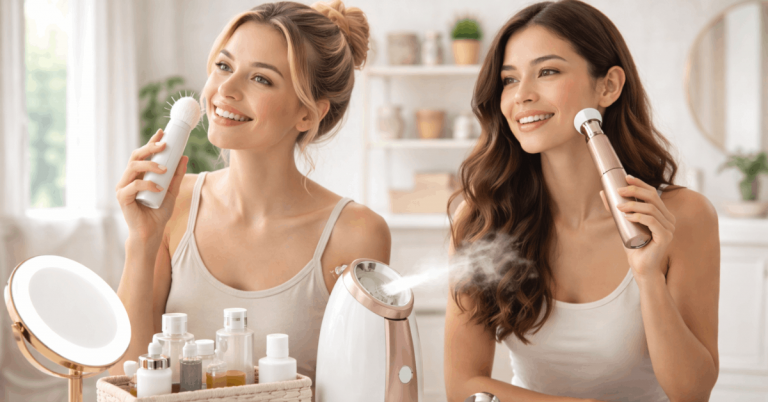
Treat Facial Devices as Optional Extras
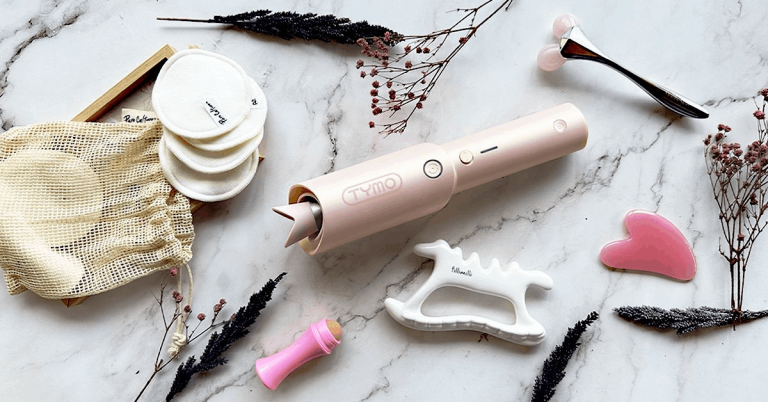
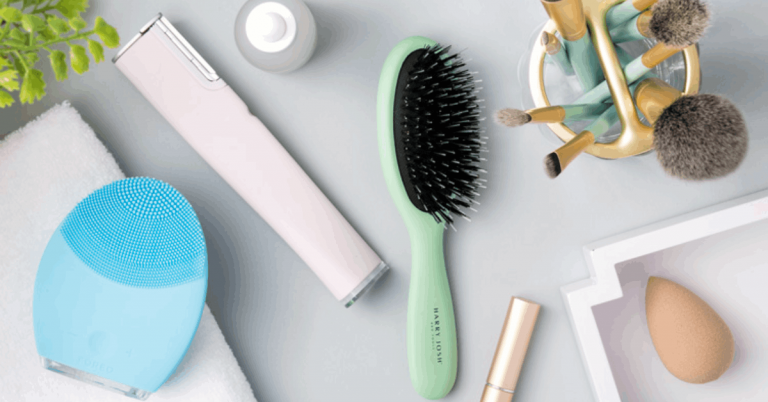
Hands and a suitable cleanser are enough for face washing, so silicone pads and cleansing brushes are conveniences rather than requirements.
A soft pad can feel pleasant around the nose or hairline, but pressure should stay light and it should be rinsed after use.
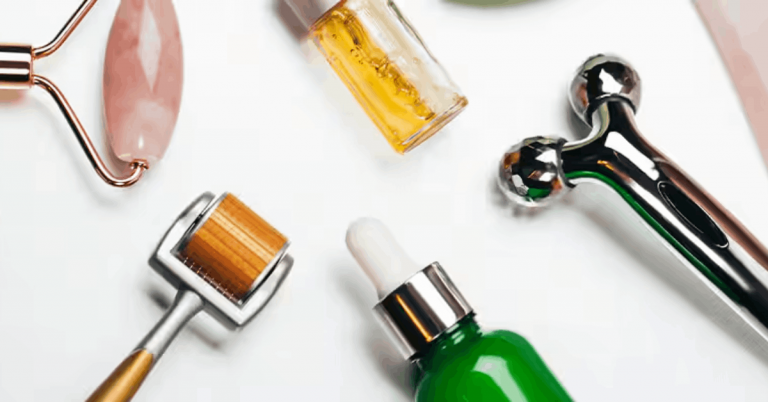
Cold rollers can feel refreshing after travel, yet they do not treat ongoing swelling. With these devices, gentle use and clean storage matter more than instant-result claims.
Choose Small Grooming Tools You Can Control
An eyebrow trimmer, nail file, compact mirror, or facial-hair remover can make home upkeep less intimidating.
Look for a stable grip, protective cap, and a head that can be cleaned without soaking electrical parts.
Move slowly near brows and the upper lip, where rushing can cause uneven results or irritation. Here, safe handling and steady control matter more than extra attachments.
Let Storage and Travel Guide the Final Choice
A tool only saves time when you can find it, store it safely, and take it when needed.
Storage often decides whether something fits your real schedule or disappears into bathroom clutter. Think about available space before buying.
Pack for the Touch-Ups You Really Need
Travel is a useful test because bags are small and routines are less predictable.
A foldable brush, mini nail kit, compact mirror, and charging cable can manage touch-ups without crowding your suitcase.
For cordless hair tools, check battery rules and plug compatibility before packing. A practical kit supports quick familiar care and leaves room for items you cannot replace.
Keep Daily Tools in One Visible Place
A tray, pouch, or drawer divider can stop cords, clips, and brushes becoming a pile you ignore.
Store heat tools only after cooling, and clean face-touching tools before putting them away.
Weekly, remove hair from bristles and wipe surfaces as instructed. This creates faster mornings and keeps your tools reliable.
Also Read: Hair Care Tools That Make a Real Difference
Pause Before Adding Another Device
A device can seem essential when it promises to combine several steps. Pausing before checkout helps you see whether it solves a real need or adds another object to manage.
That protects your available storage and keeps beauty spending realistic.
Use Three Questions Before You Buy
Picture the tool in an ordinary week, not a perfect one. Consider its task, what you own, and the upkeep it will require.
These questions can prevent an unused purchase:
- What task will this make easier?
- Can I clean it without extra hassle?
- Will I use it next week?
Buy for the Routine You Have Now
A high-powered styling device is not useful if you rarely style your hair, and a face gadget may not suit someone who struggles to cleanse consistently.
Buy for the habits you practice now, not for a routine imagined after a product video. Add something later when a clear need appears.
This makes your existing routine easier and future purchases more intentional.
Keep the Tools That Make Care Feel Lighter
The best beauty tools are the ones you reach for because they work, feel comfortable, and ask little in return. Keep pieces that reduce pulling, speed a familiar step, or make grooming easier to maintain.
When a device creates clutter, irritation, or more upkeep than value, set it aside. A smaller collection of well-chosen essentials makes personal care more manageable every day. The right tool should make care easier, not more demanding.