Hair advice is often passed around as a rule: wash less, brush more, rely on natural oils, or spend more on products.
Yet hair texture, scalp condition, and styling habits are too different for one rule to fit everyone.
This article separates familiar hair care myths from practical guidance. You will see what to watch before changing your wash routine, tools, or styling products.

Why Familiar Rules Can Work Against You
A useful routine starts with what your own hair does after washing, styling, and sleeping—not with a viral tip.
Fine strands, dense curls, color-treated lengths, and sensitive scalps react differently. Looking at the reason behind a rule helps you keep helpful habits and ignore the rest.

Your Scalp and Lengths Have Separate Jobs
Roots can look oily while the ends feel dry, especially on long or heat-styled hair.
That does not mean you need harsh shampoo through every inch or heavy oil at the scalp. Shampoo mainly removes oil and buildup from the scalp, while conditioner gives older lengths slip and softness.
Separating those jobs prevents unnecessary stripping and product overload.
Brushing Should Be Deliberate, Not Constant
Brushing can make hair look neater, but more strokes do not create stronger strands.
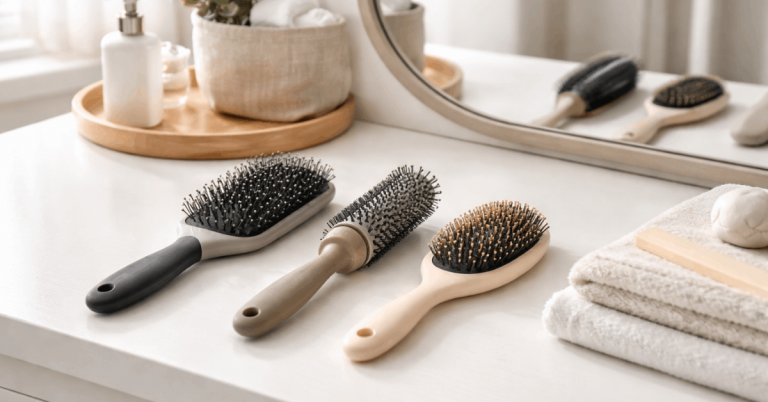
Frequent brushing and tugging increase friction, especially at dry ends and around the hairline. Think of brushing as controlled detangling, not a daily test of one hundred strokes.
Start at the Ends and Work Upward
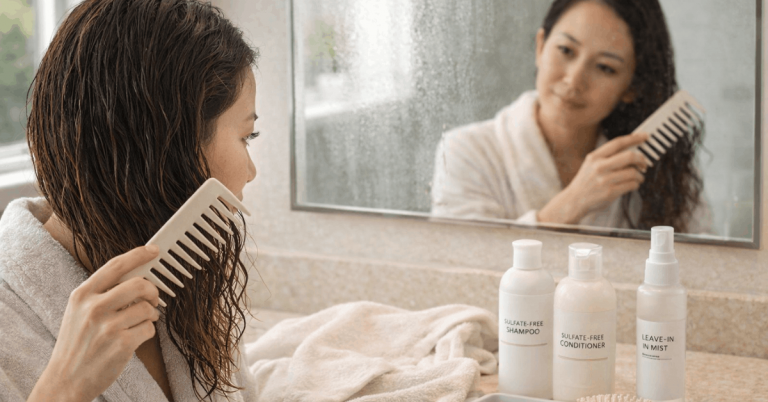
Use your fingers, a wide-tooth comb, or a flexible brush on the last few inches first.
Once that area moves freely, work higher instead of pulling one knot from root to tip.
A little conditioner, leave-in spray, or water may provide extra slip. This slower approach reduces snapping and tension.
Wet Hair Needs a Texture-Specific Approach
Wet hair stretches easily and can break when it is handled roughly, particularly if it is fine, bleached, or dry.
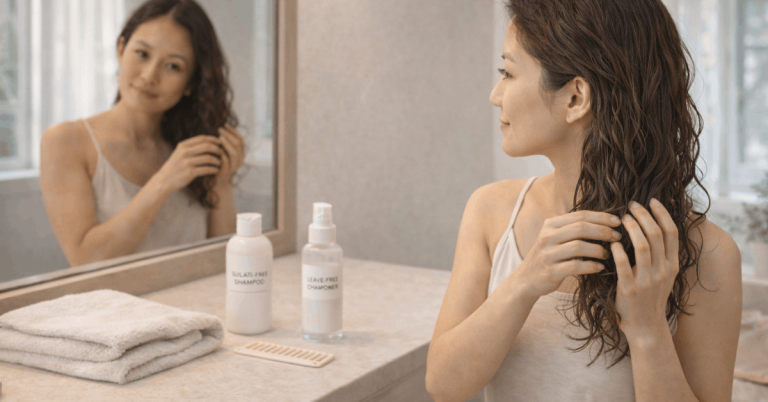
People with curls or coils may find that detangling while wet and conditioned is gentler than fighting dry knots.
The issue is not wet brushing alone; it is the tool used and the amount of conditioning slip. A stiff brush on soaked hair rarely makes a good first move.
Washing and Drying Need to Fit Your Week
The claim that everyone should wash only two or three times a week ignores exercise, oiliness, climate, product use, and scalp conditions.
Some people need more frequent shampooing, while others feel better with fewer washes. Watch for itching, odor, flakes, and visible buildup instead of following a fixed wash-day rule.
Frequent Washing Does Not “Train” Your Scalp
Your scalp’s oil production is largely shaped by biology, hormones, and skin type; skipping washes does not permanently retrain it.
Overly harsh cleansing can still leave your scalp or lengths dry, so select a formula that fits your needs.
Adjust frequency when sweat, flakes, or oil buildup changes. The aim is a comfortable scalp, not hair that feels stripped after cleansing.
Double Shampooing and Drying Are Situational Steps
A second shampoo can help after swimming, heavy dry shampoo, or several days of styling products, but one careful scalp cleanse is often enough.
Press water out with a microfiber towel or soft T-shirt instead of rubbing, and avoid tight wet buns.
Use a dryer on a moderate setting when needed, keeping it moving and using heat protectant. This limits rough wet handling as well as direct heat stress.
Products Can Improve Feel, Not Reverse Every Damage
A serum can smooth rough ends, and a mask can make hair easier to comb, but neither permanently joins a split strand.
Those temporary benefits still matter, yet they are not structural repair. Once an end divides, trimming removes the damaged section before it travels upward.
That is why regular maintenance often beats a dramatic repair claim.
Cuts Protect Length but Do Not Accelerate Growth
Hair grows from follicles in the scalp, so cutting ends does not change the rate of new growth.
Trims can make hair seem to grow better because fewer frayed ends break off before length becomes visible.
The timing depends on your cut, damage, and styling habits. Treat trims as damage control, not a route to faster growth.
Also Read: Beauty Tools That Save Time Daily
“Natural,” Expensive, and New Are Not Automatic Upgrades
Natural oils can weigh down fine hair or irritate a sensitive scalp, while costly products can still be wrong for your hair.
Hair also does not become immune to shampoo; weather, water, color treatment, and buildup can change what you need.
Switch formulas for a clear reason, such as irritation or flakes, rather than fear. Judge products by how your hair responds, not marketing language.
Use Small Checks Before Changing Everything
When hair feels off, replacing every product at once makes the cause impossible to find.
Keep your familiar basics steady, then change one habit, such as heat setting, wash frequency, or conditioner.
A brief note about reactions makes routine changes clearer and keeps money from going to waste.
Focus on the Habits You Repeat Most Often
Before chasing a new trick, review the everyday steps that create friction or buildup. This short check-in is meant to be flexible, not another strict plan.
It supports gentle handling while leaving room for your texture and schedule. Return to it monthly, especially after seasonal changes or new styling services.
- Detangle slowly with enough slip.
- Wash the scalp according to its needs.
- Lower heat before adding another product.
Know When Online Advice Is Not Enough
Persistent itching, painful bumps, sudden shedding, patchy loss, or a rapidly widening part need more than home experiments.
A dermatologist can assess whether a scalp condition, medication, or another health factor may be involved.
Bring notes about recent services, new products, and when the changes began. That creates better next steps than repeated purchases for a problem needing assessment.
Let Results Guide Your Routine
You do not need to follow every hair rule that sounds familiar. Keep the habits that leave your scalp comfortable and your lengths easier to manage, then reconsider the ones causing pulling, dryness, or buildup.
Be cautious with tight styles, high heat, and promises that one product will fix structural damage. A few thoughtful changes can give your hair steadier care than chasing a perfect routine ever will in ordinary daily life.