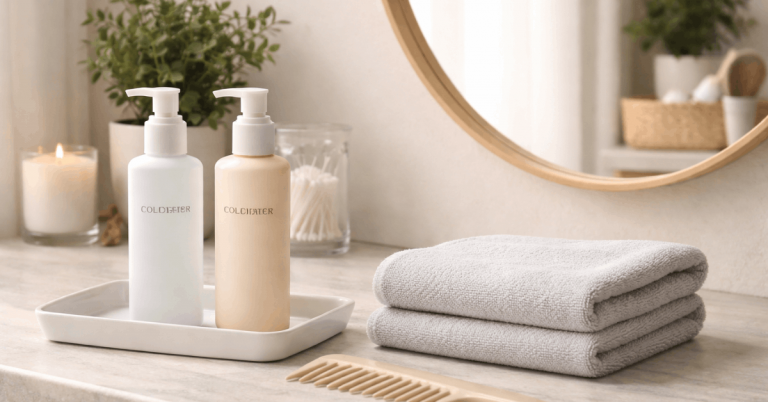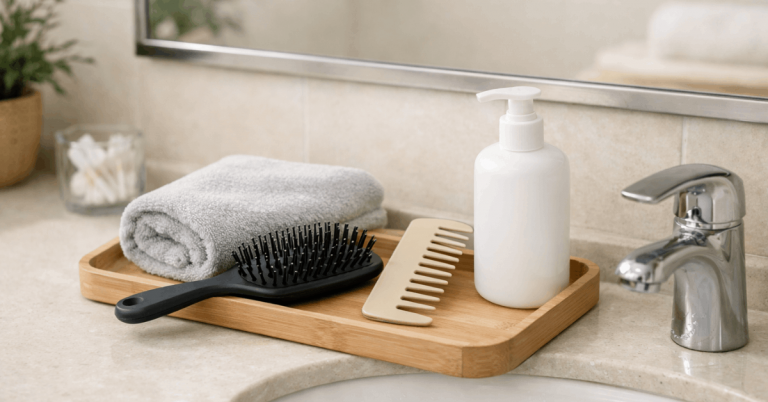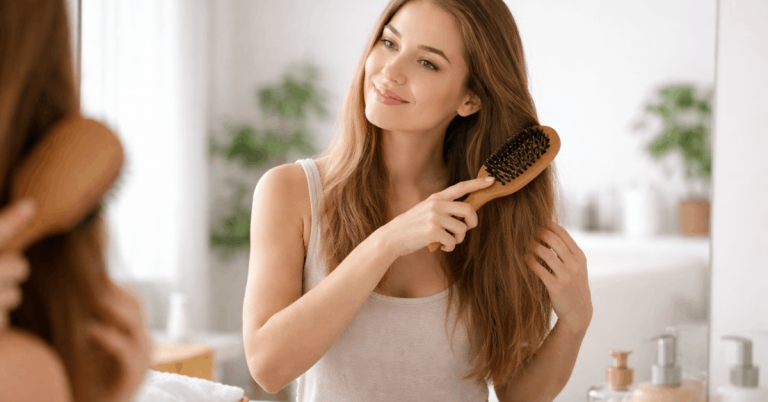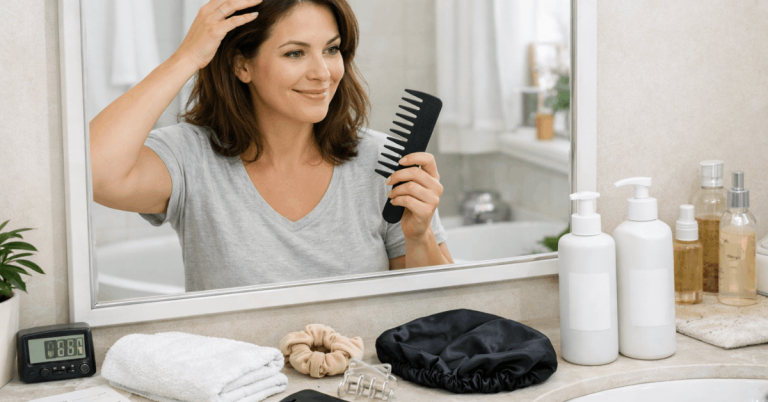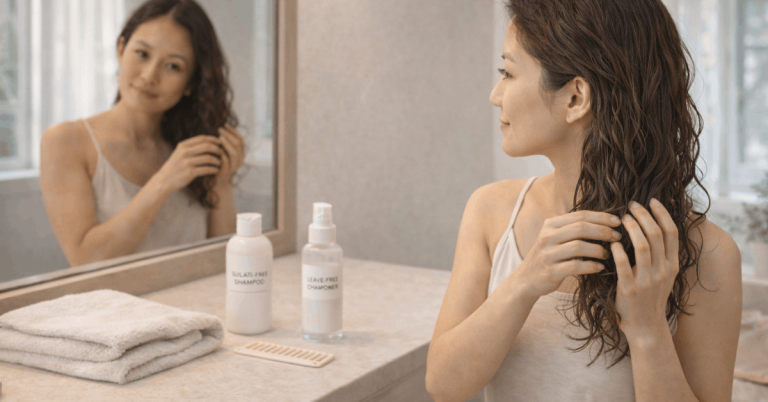
Tangled hair is a daily frustration for many. Learning how to detangle hair without causing damage is essential if you want healthier strands.
The wrong method or tools can lead to unnecessary breakage. This article walks you through the best ways to gently and safely detangle your hair.
Why Hair Gets Tangled Often?
Understanding why your hair tangles helps prevent it. The keyword is friction. When dry strands rub together, they create knots.
Fine, curly, or dry hair tangles faster than straight or oily hair. Environmental elements like wind or rough towels make it worse. Skipping conditioner also contributes to tangling.
Common Mistakes That Damage Hair
Using poor techniques or tools often leads to unnecessary hair breakage. Many people damage their hair by being too rough or using the wrong method.
Below are four common practices that you need to avoid to keep your strands healthy. Each one contributes to damage in different ways.

Brushing From Root to Tip
This method creates tension and stress on the strands. It pushes knots further down the hair shaft.
This increases pulling and can result in breakage. Always begin detangling at the ends, not the roots.
Using the Wrong Tool
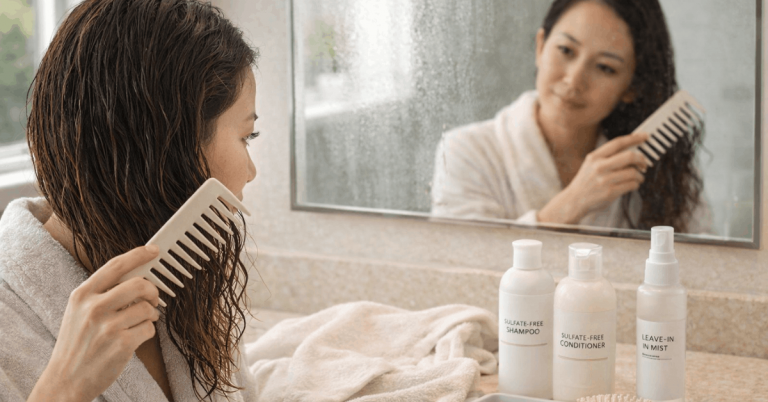
Fine-tooth combs or stiff brushes can worsen tangles. These tools increase snagging and friction, especially on wet or curly hair.
Use a wide-tooth comb or detangling brush instead. The right tool reduces strain on the hair.
Rushing the Process
Pulling too hard or moving too fast damages delicate strands. Rushing causes snapping, especially near the ends.
Take your time and apply a detangling product if needed. Slow movements result in fewer knots and less breakage.
Skipping Moisture Products
Dry detangling leads to more friction and breakage. Without moisture, the hair becomes stiff and vulnerable.
Always use a leave-in conditioner or detangling spray. This helps the brush glide and reduces damage.
Best Tools for Gentle Detangling
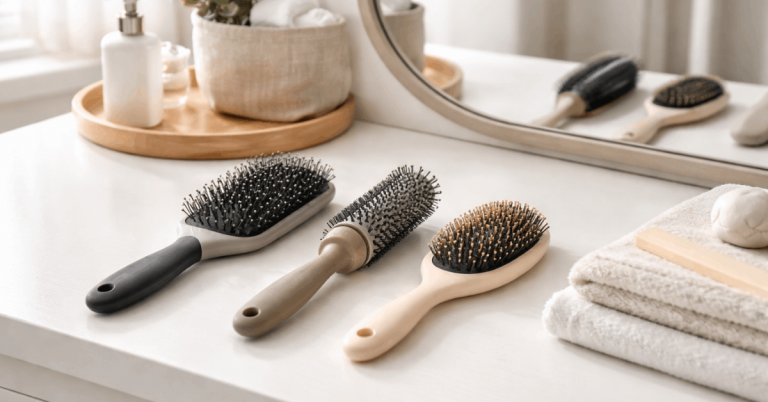
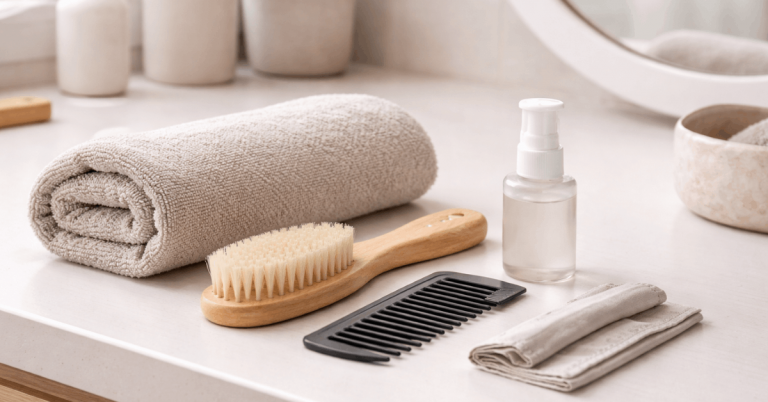
The right tool makes a big difference. Here are the ones that minimize breakage when detangling:
- Wide-tooth combs glide through knots without tugging hard. Best for wet or curly hair.
- Detangling brushes have flexible bristles that bend with your hair. They reduce tension.
- Finger detangling helps you feel knots better and reduces breakage.
- Brushes with cushioned bases protect your scalp and prevent pulling.
- Clean your tools weekly to avoid product buildup that snags hair.
Before You Start: Prep Is Key
Always prep your hair before detangling. This helps reduce tension and makes the process easier. Start by applying water or a spray-on leave-in conditioner.
Section your hair to control tangles better. Use clips to separate each part. Detangle one section at a time.
Step-By-Step: Safe Detangling Technique
A proper method prevents long-term damage. Follow these steps to detangle safely:
- Always start from the ends, not the roots. This avoids pushing knots down.
- Hold your hair midway to reduce scalp tension while brushing.
- Work your way up slowly as each section loosens.
- Reapply a small amount of product if hair feels dry or resistant.
- Detangle gently, don’t rip through knots. Be patient.
- Finish with a wide-tooth comb to smooth everything out.
Adjusting Based on Hair Type
Different hair types need different approaches. Curly, straight, and coily hair each responds to tools and products in its own way. Adjust your technique depending on how your hair behaves.
Straight Hair: Low-Frizz Focus
Straight hair needs minimal force. Use a paddle brush or wide-tooth comb with light leave-in spray. Detangle after showering while damp. Don’t wait until it dries.
Curly Hair: Moisture Is Essential
Curly hair tangles more, so moisture matters. Use a detangling brush with conditioner or oil.
Never detangle dry curls. Always section your hair for better control.
Coily Hair: Small Sections Work Best
Coily textures are fragile and dense. Always finger detangle first with the product. Use small sections and work slowly. Twist each section after detangling.

Use the Right Products
Some products help reduce breakage. These formulas create slip, which lowers friction.
- Conditioners with oils hydrate the hair, making it easier to brush.
- Detangling sprays are lightweight and coat strands without buildup.
- Leave-in conditioners help with long-term softness and manageability.
- Natural oils like argan or jojoba add shine and flexibility.
- Avoid alcohol-heavy products or strong gels when detangling.
Aftercare to Prevent New Knots
After detangling, protect your results. Proper aftercare lowers future tangles.
- Sleep on satin or silk pillowcases to reduce friction overnight.
- Use protective styles like braids or low buns to keep strands in place.
- Apply a small amount of leave-in product daily to maintain moisture.
- Avoid constant brushing throughout the day.
- Healthy hair starts with prevention.
Quick Tips for Detangling Kids’ Hair
Children’s hair is delicate and requires a gentle method. Make detangling quick and painless.
- Use kid-friendly products with soft scents and safe ingredients.
- Detangle during bath time with conditioner in the hair.
- Use distraction techniques like stories or cartoons.
- Praise cooperation and avoid tugging. Be calm and patient.
- Consistency makes it easier over time.
Spotting Damage From Improper Detangling
Watch for signs your current method may be harmful. Quick corrections help restore hair health.
- You see lots of breakage or shedding after brushing.
- Your hair feels rough, weak, or thin in areas.
- You hear snapping sounds while detangling.
- Split ends and knots return too fast after brushing.
- Switch tools or techniques if these signs appear often.
How Often Should You Detangle Hair?
The right frequency depends on your texture. You don’t need to detangle daily.
- Straight or fine hair may need detangling every 1–2 days.
- Curly or thick hair can go 2–4 days between detangling sessions.
- Coily hair benefits from weekly or wash-day detangling.
- Always detangle before shampooing to reduce breakage.
- Frequency is about balance, not strict rules.
When to See a Stylist?
If at-home methods aren’t working, seek professional advice. Some damage needs deeper care.
- If your hair mats often or stays tangled no matter what
- If detangling causes pain or visible damage
- If you need help choosing the right tool or product
- If breakage increases even after improving your technique
- Stylists can offer solutions specific to your hair type.
Final Words: Keep Hair Strong and Tangle-Free
Detangling doesn’t have to damage your hair. Learning how to detangle hair without causing damage is about patience, tools, and technique.
Stick with a routine that works for your hair type. Over time, your strands will stay smoother, healthier, and easier to manage.