Choosing the correct brush for your daily routine matters more than you think. The right hairbrush for your hair type affects how your strands look, feel, and grow.
Using the wrong tool can lead to damage, breakage, and scalp irritation. This guide helps you pick a brush that suits your specific hair type.
Understanding Hair Brush Types
Each brush is made for a different job. The materials and shape determine its function. Here are the most common types and what they do best.

Paddle Brush
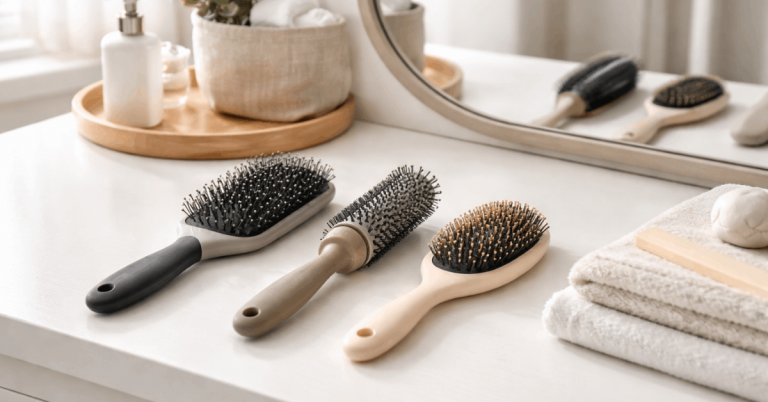
This brush has a flat, wide surface. It works well for straight, long, or slightly wavy hair. It smooths and detangles without much pulling. Ideal for everyday brushing and finishing looks.
Round Brush
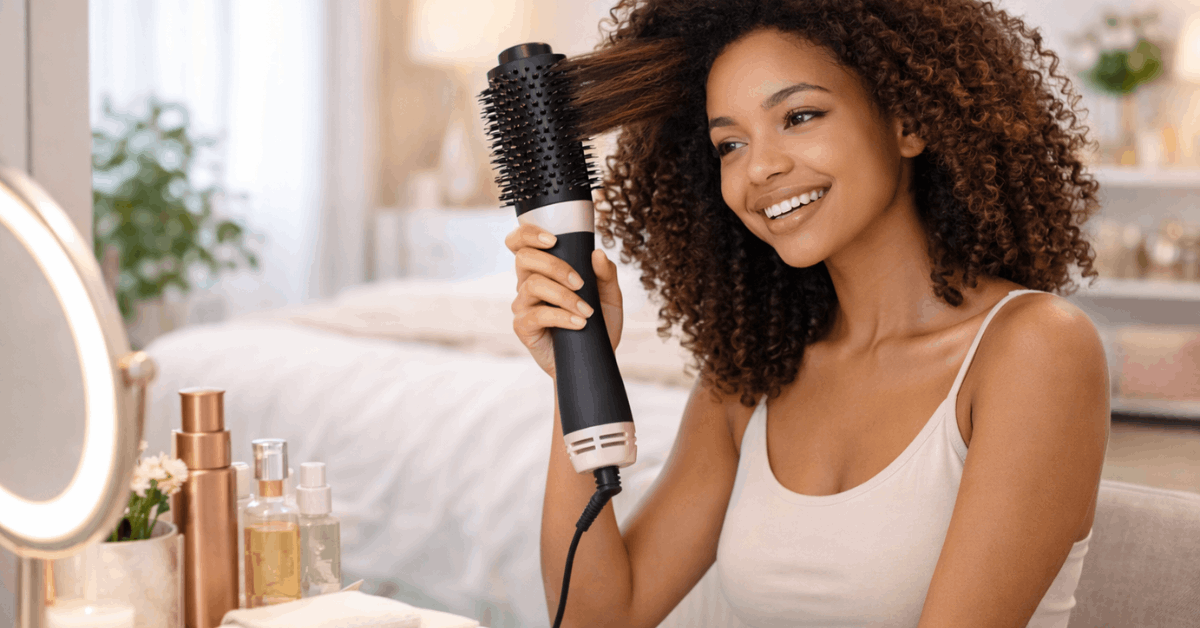
Used mainly for styling, this brush helps create volume or curls. It’s best used with a blow dryer. Choose ceramic or metal if you’re styling with heat. Works well on medium to long hair.
Boar Bristle Brush
Made with natural bristles, it distributes oils from the scalp. It adds shine and reduces frizz. Great for fine or damaged hair. It isn’t ideal for thick or curly hair.
Know Your Hair Type Before Choosing
Your hair’s texture and condition determine the best brush. Understand your strands before buying a tool. This prevents hair damage and improves your routine.
Straight and Fine Hair
Choose soft or boar bristle brushes. These smooth the hair without static. Paddle brushes are also gentle and efficient. Avoid stiff or metal bristles.
Thick and Wavy Hair
Use nylon bristles for better control. Mixed bristle brushes also help detangle. Paddle and vented brushes are practical choices. Round brushes work for styling.
Curly or Coily Hair
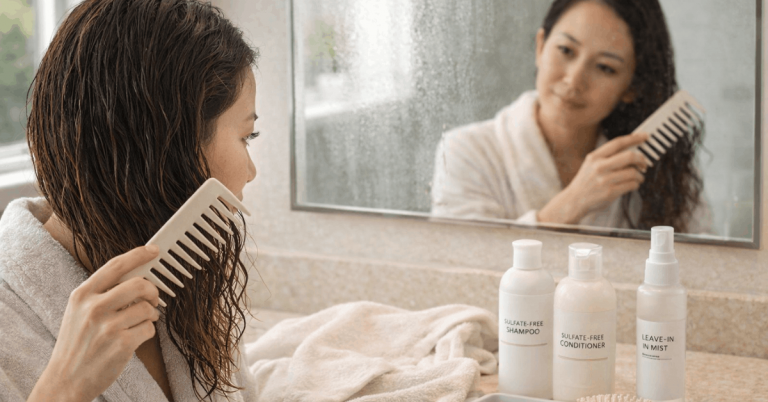
Use detangling brushes with flexible teeth. Wet brushes or wide-tooth combs are best. These prevent breakage and manage knots. Avoid boar bristles, Byrdie.
Two-in-One: Brush Function and Hair Type Match
Some brushes can work across hair types but still have specific functions. Matching the brush to your needs helps reduce hair stress and saves time.
Vented Brushes for Quick Drying
These are best for fine or flat hair. The vents allow airflow during blow drying. They reduce heat damage while adding lift. Ideal for daily use and quick styling.
Detangling Brushes for Wet Hair
Wet hair is fragile, so use a brush with soft, flexible bristles. These brushes reduce tension and pulling.
They suit all hair types, especially curly or fragile strands. Always start from the ends, SELF Magazine.
Teasing Brushes for Volume
Teasing brushes work for updos and volume. They have narrow, dense bristles. Use them on dry hair only. Great for short to medium hair.
Brush Care and Maintenance
A dirty brush spreads oil and product residue. Clean your brush regularly for hair and scalp health. Here’s how to keep it in good shape, Allure.
- Remove hair strands after every use. This avoids buildup and keeps bristles aligned.
- Wash weekly with shampoo and warm water. Soak the brush, scrub gently, and rinse.
- Dry flat, bristle-side down. This prevents water from damaging the base.
- Replace brushes every 6–12 months or if bristles are worn out.
Matching the Brush to Your Scalp Condition
Your scalp affects which brush works best. Consider oil levels and sensitivity. Choosing based on scalp comfort reduces irritation.
Oily Scalp
Use a boar bristle brush to distribute oils. This balances the scalp over time. Don’t overbrush, or it may look greasy. Clean your brush more often.
Dry or Flaky Scalp
Pick soft bristles to avoid scratching. Avoid brushes with sharp or hard edges. A cushioned base helps reduce scalp pressure. Moisturize your scalp before brushing.
Sensitive or Itchy Scalp
Use silicone or looped bristle brushes. These are gentle and flexible. They reduce discomfort and minimize static. Test the brush on your hand first.
Practical Tips for Buying the Right Hair Brush
It helps to test a brush before buying. Look at the build, shape, and how it feels in your hand. The right brush should feel comfortable and match your goals. Good Housekeeping.
- Don’t pick based on looks alone. Focus on function and comfort.
- Use a heat-resistant brush if styling with hot tools.
- Short hair needs smaller brushes, while long hair does better with wide ones.
- Avoid cheap brushes that pull or snap your hair.
Myths About Hair Brushes You Should Ignore
Some hairbrush beliefs are outdated or inaccurate. Let’s go over common myths so you can avoid mistakes and improve your daily routine.
One Brush Works for Everyone
One brush does not fit all hair types. You need to match it with your hair to avoid breakage and styling frustration.
Thick hair needs strong bristles while fine hair requires soft ones. Ignoring your hair type leads to poor results.
Brushing More Is Always Better
Brushing 100 times a day is harmful, not helpful. It can lead to damage and scalp irritation.
Gentle brushing once or twice daily is enough. Over-brushing can weaken your hair.
Natural Bristles Are Best for All
Natural bristles aren’t always better. They work well for fine or straight hair, but not for curly or thick textures.
Some hair types need nylon or mixed bristles. Choose bristles based on performance, not popularity.
Cleaning Your Brush Is Optional
You must clean your brush to prevent product buildup and oil transfer. A dirty one ruins your hair routine and clogs your scalp.
Clean weekly with warm water and shampoo. Replace it when the bristles wear out.
When to Spend More on a Hair Brush?
Not all brushes are equal. Some cost more for good reasons. Know when to upgrade for long-term benefits.
- Pay more for heat resistance if you style often. These last longer and protect your strands.
- If you have fragile hair, invest in quality materials. They reduce breakage.
- Premium brushes often last years, unlike cheaper ones. Over time, they save money.
- You don’t always need the most expensive, just the most effective.
Final Thoughts on Choosing the Ideal Hair Brush
Picking the right hair brush for your hair type changes how your hair looks and behaves. Matching your hair and scalp needs with the right tool makes everyday care easier.
Avoiding common mistakes and maintaining brush hygiene brings visible results. Small changes in your tools lead to healthier, smoother, and easier-to-manage hair.