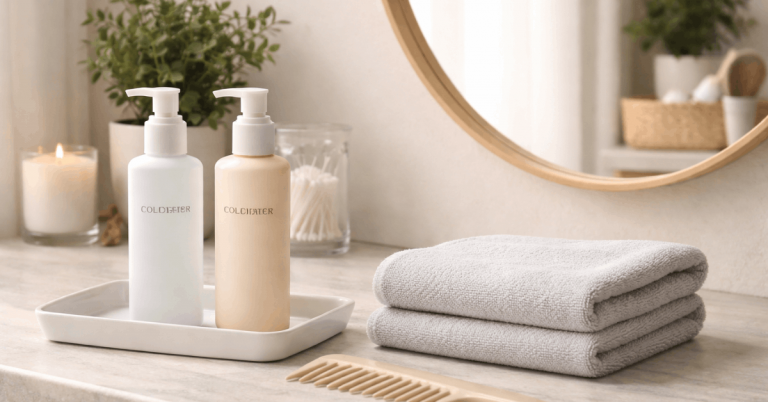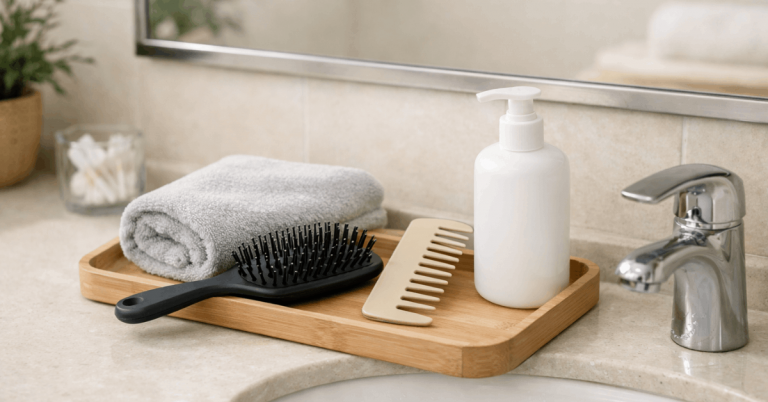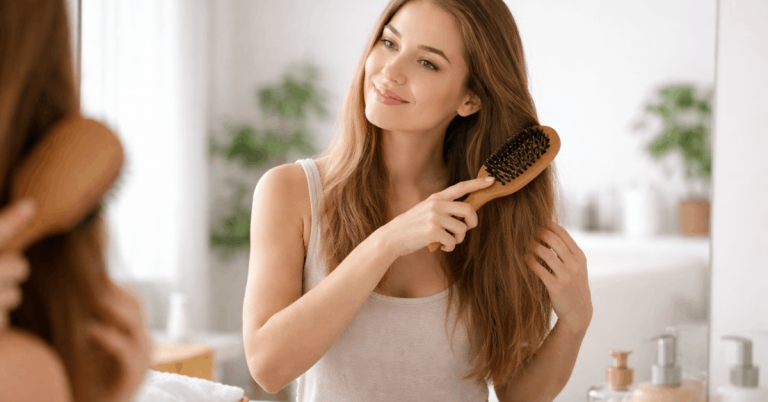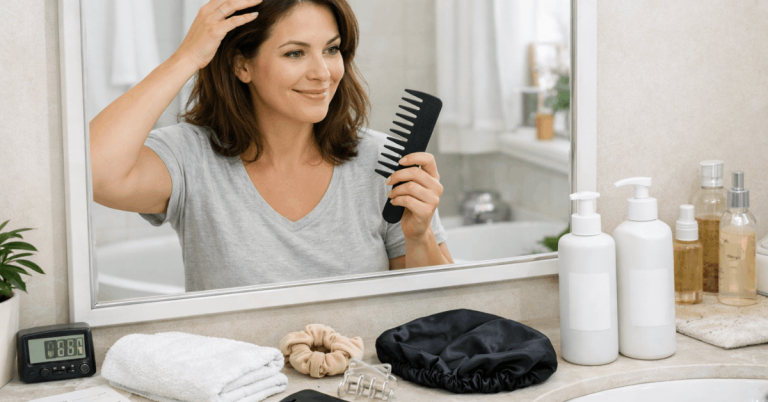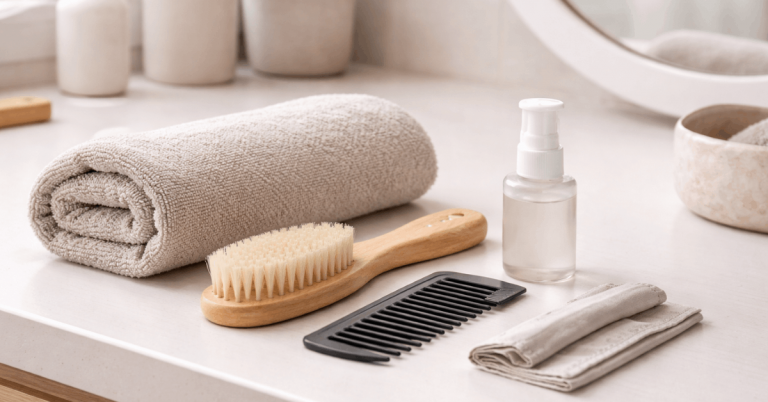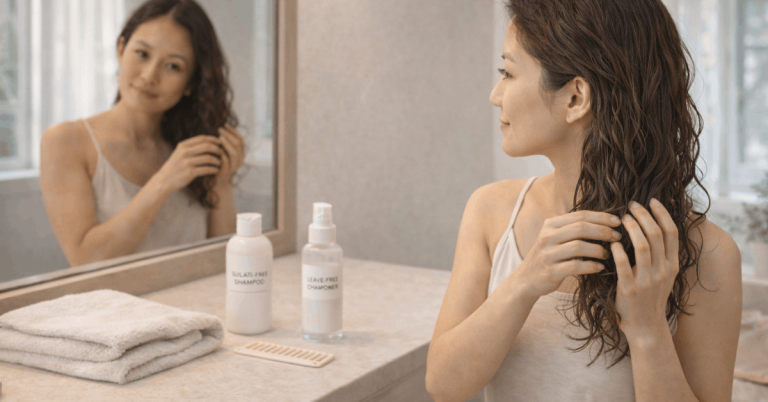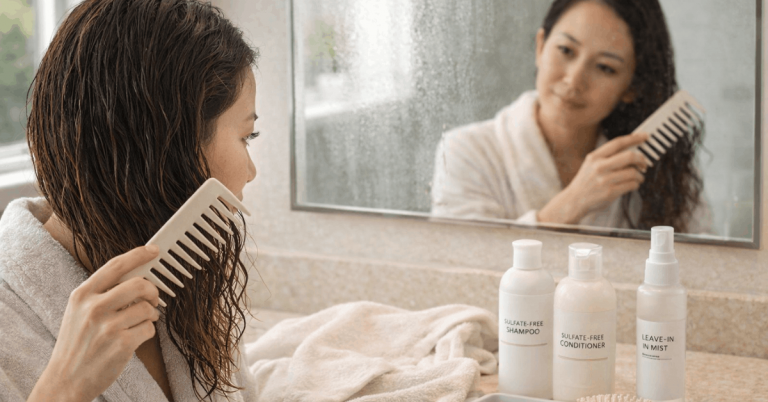
You don’t need a full shelf of products to get better hair. The keyword here is consistency with simple habits that improve hair texture.
This article shows you how everyday choices can make your hair smoother and stronger. You’ll learn how to build those habits using tools, routines, and low-effort care.
Know Your Hair’s Natural Texture
It’s important to know what kind of hair you have before changing your routine. Texture refers to more than just curl type; it includes smoothness, thickness, and shine.
If your hair feels rough, dry, or tangled often, it likely needs help with moisture or protection. Improving texture doesn’t mean changing your hair type.
It means keeping strands healthy and manageable over time. Everything starts with understanding your baseline.

Daily Washing Habits Make a Difference
Small adjustments to how you wash your hair can improve its feel and strength. Focus on frequency, water temperature, and gentle product use.
Wash Less Frequently
Washing daily strips the natural oils that protect your hair shaft. For most hair types, 2–3 times a week is ideal. Less frequent washing allows your scalp to maintain balance.
If your scalp gets oily fast, try using a mild dry shampoo. Be consistent and give your scalp time to adjust. You’ll notice a smoother texture with fewer washes.
Use Sulfate-Free and pH-Balanced Shampoo
Sulfates dry out your scalp and cause frizz or roughness. Choose a sulfate-free shampoo that also lists its pH level between 4.5 and 5.5. Look for calming ingredients like aloe, oat protein, or panthenol.
These support your scalp barrier while cleansing. Avoid anything with a strong fragrance or alcohol. Stick with formulas made for daily or frequent use.
Rinse With Cool Water
Hot water can lift cuticles, creating a coarse surface. Cool or lukewarm water smooths the hair shaft and seals in moisture. End your wash with a final cool rinse for better shine.
It also reduces tangles and frizz after drying. This simple switch helps maintain long-term softness. Try it for two weeks and observe the difference.
Use Tools That Treat Your Hair Gently
How you brush and dry your hair affects the health of each strand. Using the right tool can prevent breakage and improve softness.
Use a Wide-Tooth Comb or Boar Bristle Brush
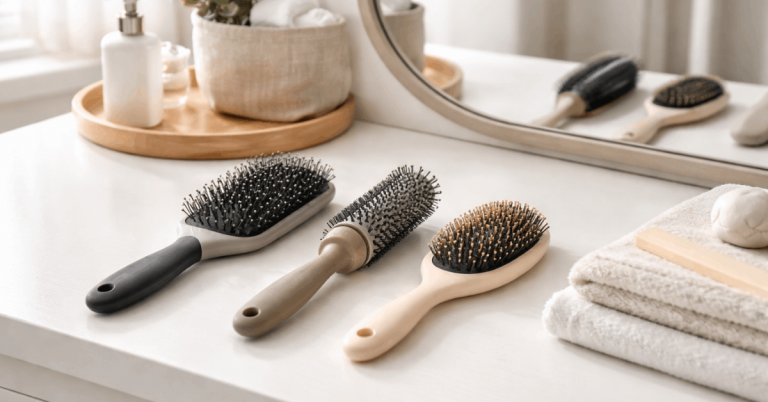
A wide-tooth comb is the safest tool when your hair is wet. It glides through tangles without snapping strands. A boar bristle brush is ideal for dry brushing.
It spreads natural oils from root to tip and enhances shine. Avoid rough plastic bristles that tear or snag. Stick to natural materials for daily brushing.
Detangle Starting From the Ends
Don’t brush from scalp to tips in one go. Start mid-shaft or near the ends and gently move up. This reduces breakage and split ends. Work in small sections if your hair knots easily.
It’s a slower method, but the long-term results are worth it. Always brush slowly and never force through tangles.
Styling Habits That Impact Texture Over Time
Even small changes in how you style your hair can keep it healthier. Focus on reducing damage and adding protective steps.
Use a Heat Protectant
Always apply a heat protectant before using a flat iron, curling wand, or blow-dryer. It forms a barrier between heat and your hair. Look for sprays with silicones, keratin, or hydrolyzed silk.
These coat the hair strand and prevent moisture loss. Don’t skip this step – it’s non-negotiable. Apply evenly and let it absorb before heat styling.
Reduce the Heat Level
You don’t need the highest setting for styling. Use 280°F to 320°F for most types. High heat thins and weakens the outer layer of hair.
This causes a rough texture and makes damage build up faster. Lower heat maintains elasticity and softness. Check your tool settings and turn them down permanently.
Style Less Often
Daily heat styling isn’t sustainable for healthy texture. Cut back to 2–3 times a week and use alternatives. Try heatless curls or leave-in styling cream instead.
Air-drying with a microfiber towel also helps. If you do style often, be sure to deep condition once a week.
Hair Hydration and Leave-In Care
Moisture is critical for a smooth, touchable texture. Use lightweight products that lock it in without buildup.
Apply a Lightweight Leave-In Conditioner
A good leave-in makes brushing easier and adds softness. Choose one with water-based ingredients and minimal oil. It should absorb fast and not weigh hair down.
You can apply it daily on damp hair or refresh curls between washes. Leave-ins also reduce static and protect during sleep. Always comb through after applying.
Add Oil to the Ends
Dry ends ruin the feel of your hair. Use a drop of argan, jojoba, or camellia oil just on the tips. It seals cuticles and prevents moisture from escaping.
Focus only on the bottom third to avoid greasy roots. Oils also help reduce friction and frizz throughout the day. Keep a travel-sized bottle with you if needed.
The Tools You Use Matter
Your tools shape your daily habits. Choose ones that match your texture and care goals.
Microfiber Towel
Regular towels rough up the cuticle. A microfiber towel reduces frizz and absorbs water gently.
Pat, don’t rub your hair dry. Let it air-dry from 70% damp. This simple switch smooths texture faster than the product alone.
Silk or Satin Pillowcase
Cotton pulls moisture from your hair while you sleep. Switch to silk or satin pillowcases to reduce friction. They keep hair smoother, shinier, and less tangled overnight.
It’s a cheap upgrade that helps your routine work better. You’ll wake up with fewer flyaways and breakage.
Hair-Friendly Brushes and Accessories
Use silk scrunchies instead of regular ties. Avoid anything with metal parts or rubber. A detangling brush with flexible bristles can reduce damage during styling.
Keep your tools clean to avoid product buildup. Replace worn-out brushes every few months.
Key Daily Habits to Build Texture Long-Term
This section groups small habits that create real texture improvements. These are simple, repeatable actions.
- Sleep with dry hair to avoid friction and kinks.
- Avoid brushing curly or wavy hair when dry.
- Don’t use old products – check for expiration dates.
- Limit product layering to avoid buildup.
- Drink enough water to support scalp and root health.
- Eat balanced meals to support hair growth internally.
- Keep your routine simple and consistent.
Internal Care: Hydration and Nutrition
You can’t ignore what you put inside your body. Hair texture depends on hydration, nutrients, and rest.
Hydrate Daily
Drink at least eight glasses of water per day. Dehydration shows up fast in hair and skin. If your lips feel dry, your scalp probably is too.
Carry a refillable bottle and track your intake. Add electrolytes if you sweat a lot. Hydration supports elasticity and softness.
Eat Enough Protein
Hair is made of keratin, a protein. Without enough dietary protein, growth slows and texture suffers. Eat eggs, tofu, lean meats, or legumes daily.
You don’t need supplements if you eat well. Stick with whole food sources first. Track your meals for a week to see if you’re meeting your needs.
Consider Key Nutrients
Iron, zinc, vitamin D, and biotin all affect your hair. Get tested if you have hair loss or scalp issues. Don’t self-medicate – talk to a healthcare provider.
Supplement only what’s missing. Stay consistent for at least 90 days to see results.

Track Progress and Make Minor Adjustments
Consistency gives you real results. But monitoring changes is just as important.
- Take progress photos every two weeks.
- Track how your hair feels after certain habits.
- Adjust if you notice more dryness, buildup, or breakage.
- Avoid making multiple changes at once.
- Focus on one or two habits until they stick.
Long-Term Texture Comes From Daily Wins
If you want a visible improvement, start with simple habits that improve hair texture. The second sentence matters; that’s where your results begin.
Better hair doesn’t come from doing more. It comes from doing the right things consistently and with intention.