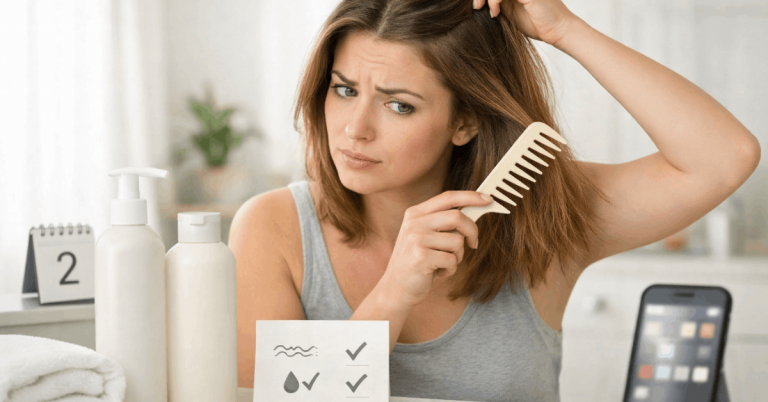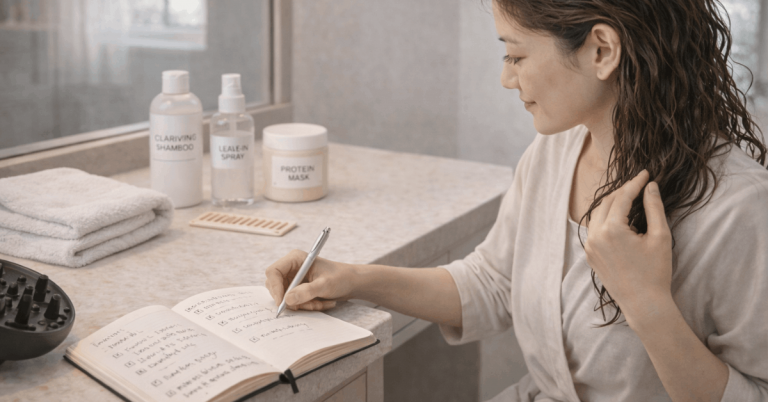
Hair breakage often comes from everyday habits, not extreme styling or chemical treatments.
Using the right tools makes a clear difference by reducing pulling, friction, and unnecessary stress during routine care.
This guide focuses on simple, practical tool choices that help keep hair stronger during daily routines.
Understanding Hair Breakage in Daily Care
Hair breakage usually comes from repeated stress during normal routines. Small daily actions affect hair strength more than occasional styling.
- Tension – Excess pulling stretches hair beyond its limit, causing snapping.
- Friction – Rough or worn tools slowly damage the hair’s outer layer.
- Force – Fast, heavy brushing places sudden stress on fragile strands.
- Tool mismatch – Using the wrong tool focuses pressure on weak sections.
- Wet handling – Wet hair is weaker and breaks more easily without gentle tools.
Breakage vs. Shedding
Hair loss does not always mean hair damage. Understanding the difference helps you choose the right tools and habits.
- Breakage – Short, uneven pieces caused by stress from brushing, heat, or tight tools.
- Shedding – Full-length strands that fall naturally as part of the hair growth cycle.
- Length difference – Broken hair appears shorter, while shed hair keeps its full length.
- Tool impact – Poor tools increase breakage but do not cause natural shedding.
- Routine focus – Reducing breakage depends on gentler tools and daily handling.

Choosing the Right Hair Brush to Prevent Breakage
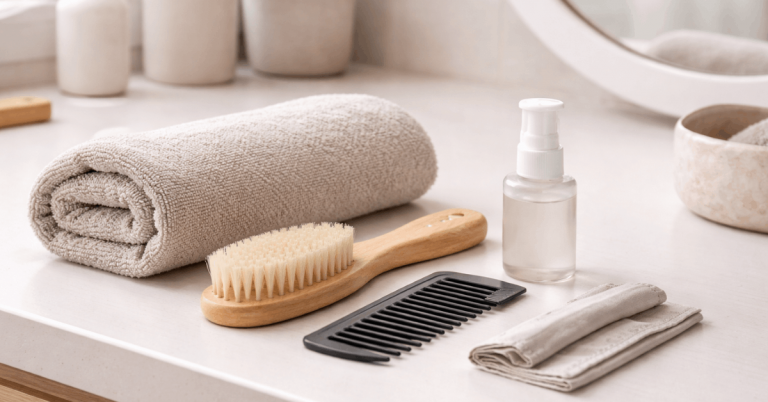
Hair brushes play a direct role in the amount of stress placed on your hair.
The right brush reduces pulling, spreads pressure evenly, and supports gentle daily care.
- Bristle flexibility – Soft, flexible bristles bend with hair rather than snap it.
- Brush shape – Wider brush heads distribute tension across more strands.
- Hair type match – Fine, thick, or curly hair each needs a different brush design.
- Bristle condition – Bent or broken bristles catch hair, causing unnecessary breakage.
- Everyday use – A gentle, well-designed brush protects hair during regular brushing.
Detangling Tools That Reduce Pulling
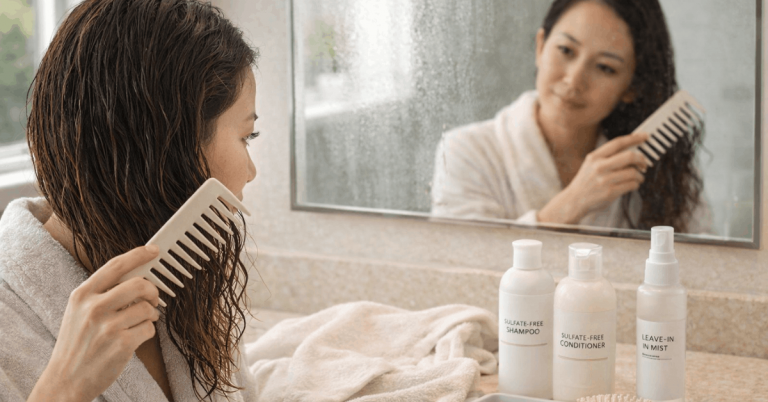
Detangling is when hair experiences the most tension during daily care. Using the right tools helps loosen knots gradually instead of forcing them apart.
- Wide-tooth combs – Large spacing allows knots to release with less resistance.
- Flexible detangling brushes – Bristles bend to follow knots instead of tearing through them.
- Rounded tips – Smooth ends reduce snagging and protect fragile strands.
- Lightweight tools – Lighter designs improve control and reduce accidental pulling.
- Controlled movement – Detangling tools work best when used slowly and gently.
Heat Tools and Breakage Control
Heat tools can weaken hair when used without care. The right features and habits help limit damage during everyday styling.
- Temperature control – Adjustable settings prevent excessive heat exposure.
- Even heat distribution – Consistent heat reduces hot spots that burn strands.
- Tool surface – Smooth plates or barrels lower the friction during use.
- Usage frequency – Less frequent heat use helps hair retain strength.
- Pre-drying habits – Allowing hair to partially air-dry reduces heat stress.
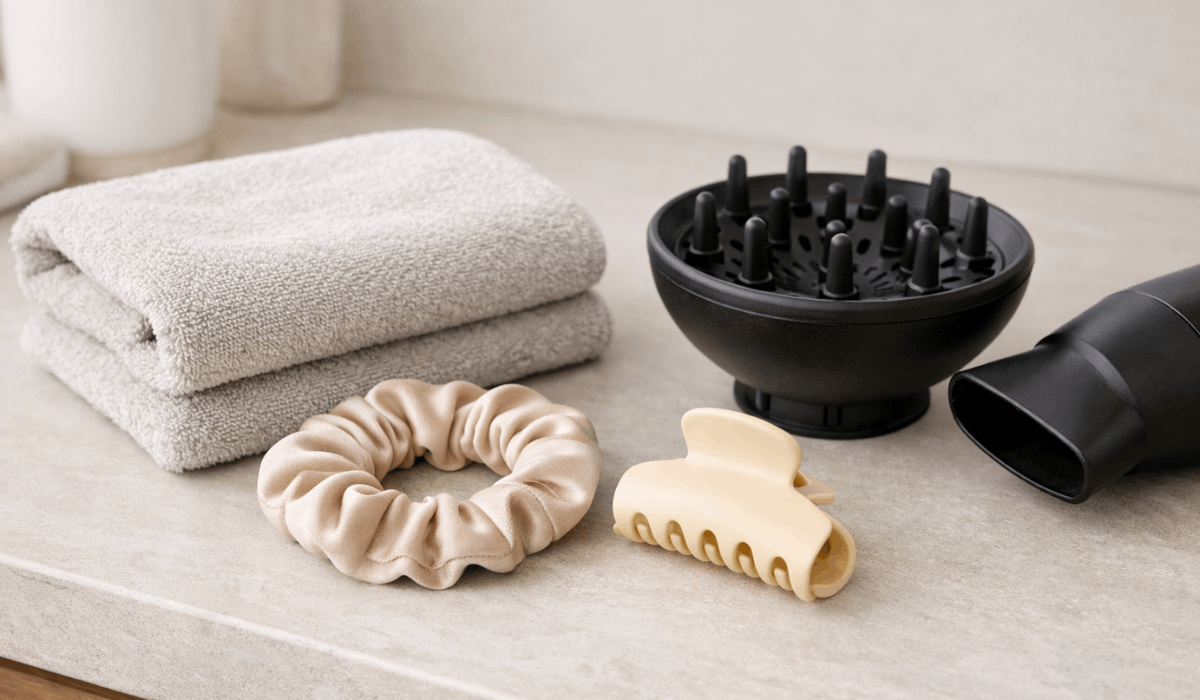
Hair Accessories That Help or Harm Hair
Hair accessories stay in contact with hair for long periods, which can lead to increased breakage over time. Choosing gentle designs reduces constant tension and friction.
- Fabric-covered ties – Soft materials reduce pulling and strand snapping.
- Low-tension designs – Gentle hold prevents stress at the roots and ends.
- Smooth clips – Rounded edges prevent hair from catching and tearing.
- Tight elastics – Strong grip increases breakage, especially with repeated use.
- Metal accessories – Exposed edges can weaken and damage hair strands.
Towel and Drying Tools That Prevent Breakage
Hair is most fragile when wet, making drying tools especially important.
Gentle materials and controlled drying methods help reduce stress on weakened strands.
- Microfiber towels – Soft fibers reduce friction compared to regular towels.
- Blotting method – Pressing water out prevents twisting and pulling.
- Air-drying first – Partial air-drying lowers heat exposure.
- Gentle airflow tools – Low heat and airflow reduce strand stress.
- Diffuser attachments – Even air spread limits direct heat damage.
Scalp Tools and Their Impact on Hair Strength
Scalp tools influence how hair grows and how strands respond to daily care. Gentle tools support healthy roots without stressing new growth.
- Soft scalp brushes – Flexible tips stimulate the scalp without scratching.
- Massagers – Light pressure improves circulation without pulling hair.
- Tool firmness – Rigid tools increase tension near the roots.
- Overuse risk – Frequent or aggressive use weakens hair at the base.
- Sensitive scalp care – Gentle designs protect fragile hair growth areas.
Tool Choices for Different Hair Textures
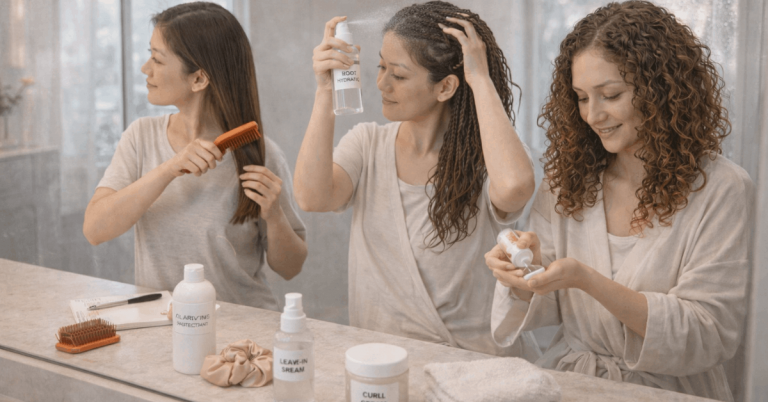
Hair texture determines how tools interact with each strand. Choosing tools that match texture reduces unnecessary stress and breakage.
- Fine hair tools – Lightweight brushes with soft bristles prevent snapping.
- Thick hair tools – Wider spacing helps move through dense sections gently.
- Curly hair tools – Flexible combs reduce pulling on natural bends.
- Coily hair tools – Extra-wide teeth help prevent tight patterns from straining.
- Mixed textures – Combining tools supports different areas of the head.
Maintaining Your Hair Tools for Better Hair Health
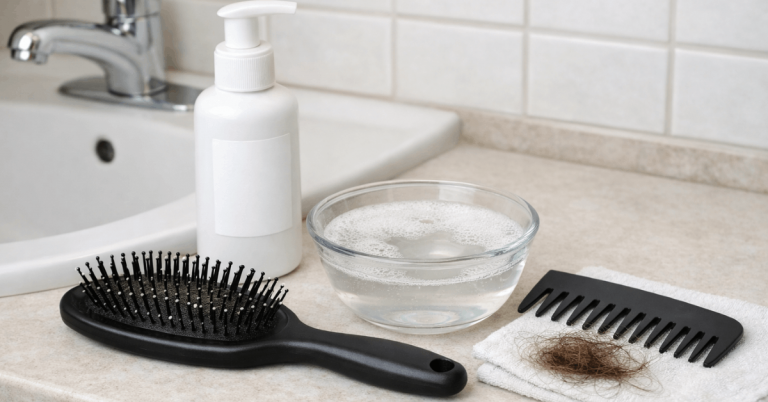
Hair tools affect hair condition long after purchase. Regular maintenance keeps tools smooth, clean, and safe for daily use.
- Cleaning buildup – Removing hair and residue reduces friction during brushing.
- Washing tools – Clean bristles and combs prevent oil and dirt transfer.
- Drying tools fully – Moisture weakens materials and damages hair on contact.
- Checking for damage – Bent or sharp edges increase the risk of breakage.
- Timely replacement – Worn tools should be replaced to protect hair health.
Building a Breakage-Reducing Daily Routine
Daily habits shape hair strength more than occasional treatments. Consistent, gentle routines reduce stress on hair throughout the day.
- Start from the ends – Detangling from the bottom prevents pulling at the roots.
- Use light pressure – Gentle movements protect fragile strands.
- Brush slowly – Controlled pacing reduces sudden tension.
- Limit tool switching – Fewer tools reduce repeated-handling stress.
- Nighttime care – Soft accessories and gentle brushing protect hair throughout the night.
Conclusion – Strong Hair Starts With Simple Tool Choices
Reducing hair breakage starts with understanding how everyday tools affect your hair.
Small changes in brushes, accessories, and daily habits can protect strands and improve hair strength over time.
Review your current tools and routines today and replace anything that causes unnecessary stress on your hair.