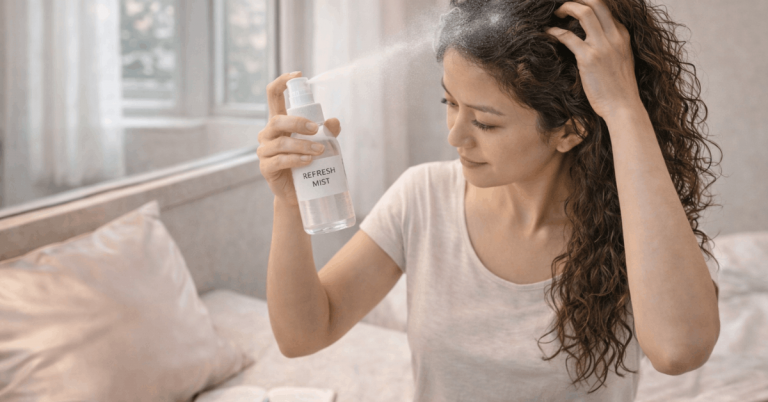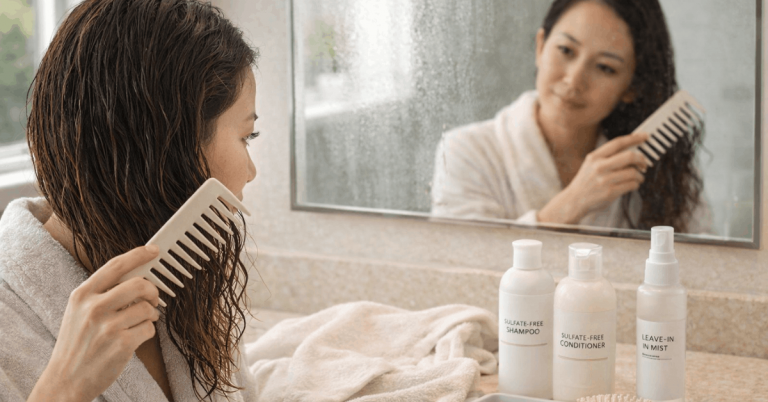
In daily routines, small habits either protect or punish hair fiber. Heat, tension, harsh formulas, and water temperature collectively raise porosity, dull shine, and invite breakage.
This guide will help you adopt routines that Prevent Hair Damage while still styling efficiently. Clear steps below balance results, time, and long-term hair health across all hair types.
Why Daily Styling Damages Hair
Repeated heat can lift the cuticle, the outer shield that locks moisture inside each strand. Mechanical forces such as tight ties, constant brushing, and extensions strain follicles and weaken mid-lengths.
Chemical services expand and reorganize hair’s internal bonds, which reduces strength when overused or layered too closely. Even very hot showers strip protective oils and accelerate color fade, especially on color-treated hair.
Heat Styling: Settings, Frequency, Recovery
A focused plan lets you style without sacrificing hair integrity. This section explains safer temperatures, pre-style protection, rotation schedules, and simple recovery tactics that restore softness after overuse.
Expect steadier results when tools and products play specific roles instead of overlapping randomly. Consistency matters more than constantly chasing new devices.
Set Safer Temperatures
Aim for moderate settings that match texture and density rather than defaulting to maximum heat. Keep passes slow and controlled instead of repeated quick swipes that compound exposure.
Reserve the highest settings for very coarse or resistant sections, not for entire heads. Finish with a cool shot to help smooth the cuticle surface.
Prep and Protect Each Session
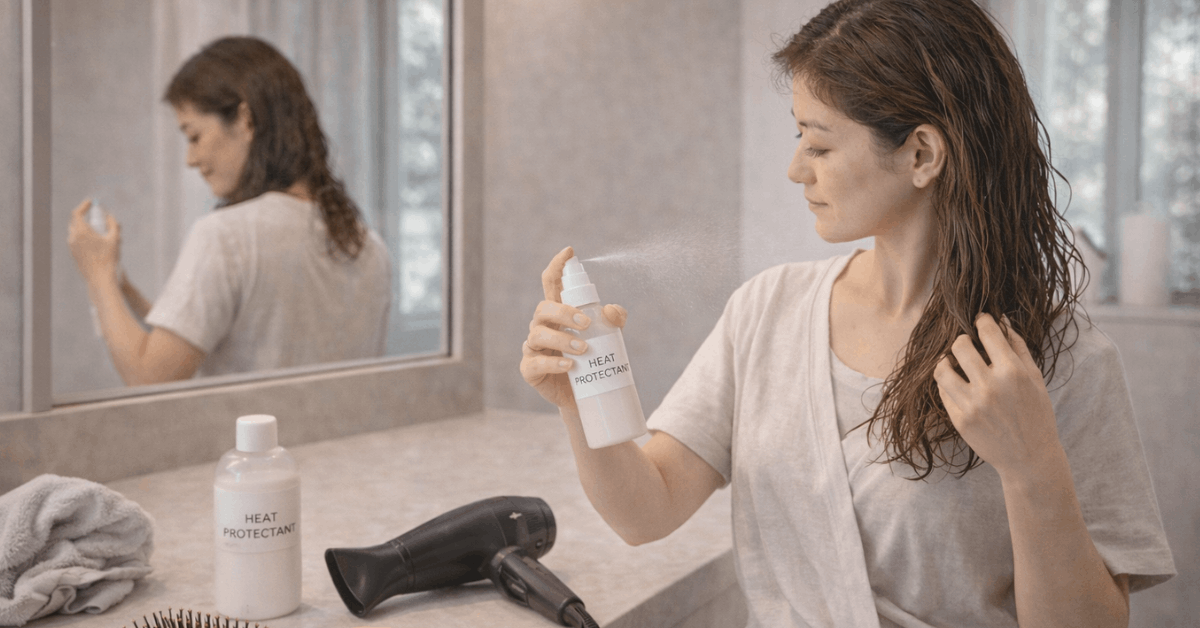
Apply a heat protectant spray from mid-lengths to ends, then detangle fully to prevent snagging on hot plates or brushes. Let hair air-dry to at least 70 percent before blow-drying; fully dry hair before any flat or curling iron.
Choose tools with accurate temperature control and clean plates or barrels regularly to avoid residue baking onto fiber.
Rotate Off Heat Weekly
Schedule heat-free days so hair recovers elasticity and moisture. On off days, set smoothness or shape using bendy rollers, braids, or clipping techniques while hair is slightly damp, not dripping wet. Pair these methods with a leave-in conditioner to reduce friction during manipulation.
Repair After Overuse
Work in a weekly deep conditioner orb and give priority to ends that show white dots or fraying. Trim on a regular cadence to remove split tips that otherwise unzip up the shaft. If sections feel brittle after a styling streak, pause irons entirely and focus on hydration for one to two weeks.
Styling Practices That Reduce Tension
Many breakage patterns come from tight holds, repeated parts, and accessories that catch or tug.
Small substitutions reduce cumulative stress without sacrificing neatness. Early adjustments also help prevent traction alopecia.
Loosen The Hold
Switch up parts and avoid daily tight ponytails, buns, or cornrows. Keep elastics slightly looser at the hairline and move the anchor point so the same follicles are not stressed every day.
Swap Accessories
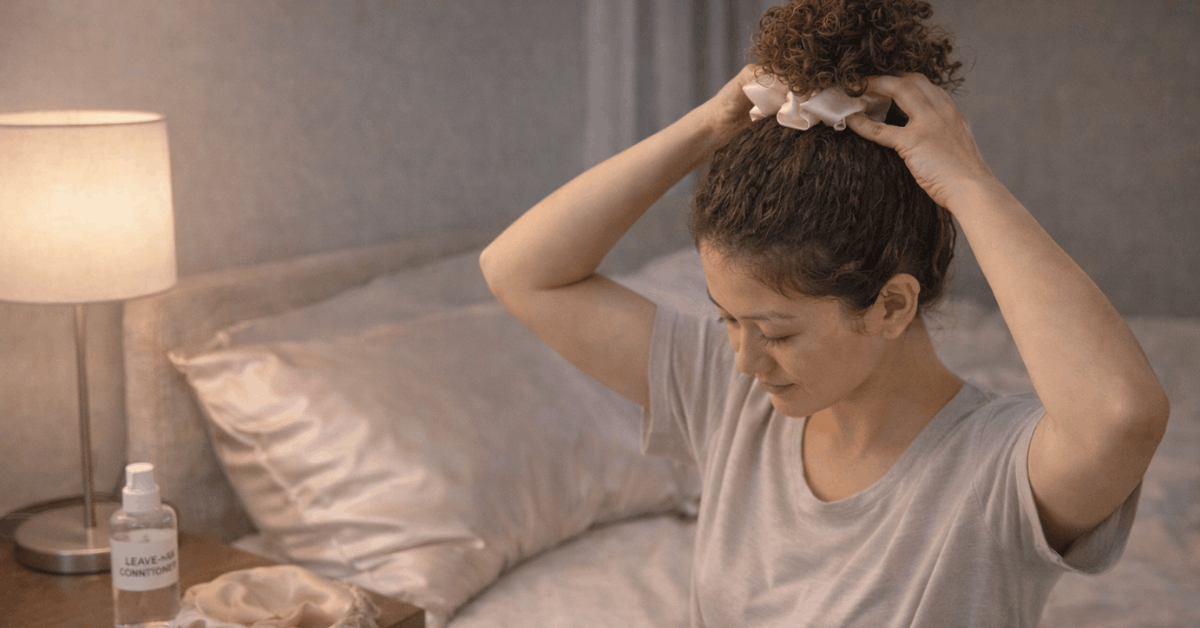
Use snag-free ties, covered elastics, or protective hairstyles secured with soft scrunchies. Choose rubberized bobby pins or coated clips instead of thin metal pins that can scrape the cuticle. Headbands can hold hair back without pulling, provided they fit comfortably.
Detangle Without Stress
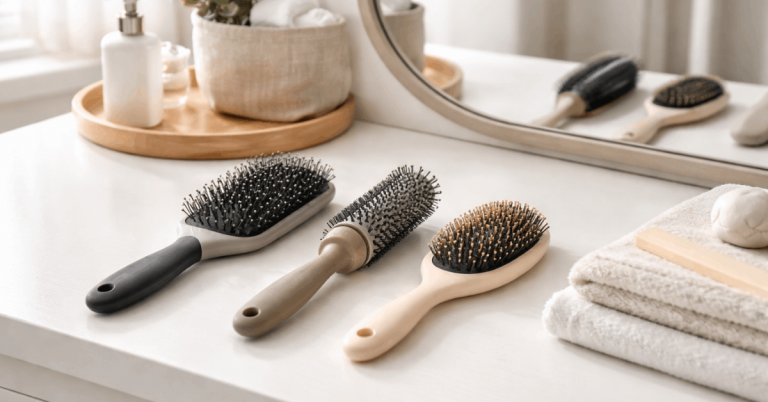
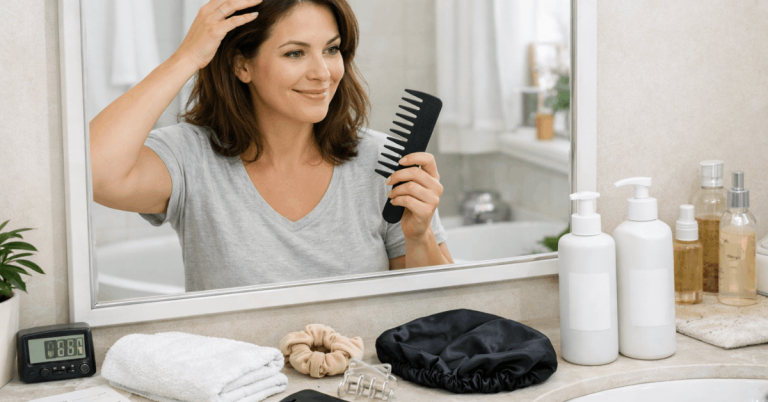
Start at the ends and work upward using a wide-tooth comb or flexible detangling brush. Add slip with a mist of water plus leave-in conditioner or a light detangling spray to reduce force at knots.
Limit Extensions and Weaves
Keep installs lightweight, maintain scalp hygiene, and cap wear at two to three months. Build in breaks between installs to lower risk of traction alopecia and monitor for tenderness or bumps along the hairline.
Product Strategy To Prevent Buildup
Layering many stylers in one session often leaves residue that dulls mid-lengths and irritates the scalp. Minimal formulas keep cuticles flatter and movement softer. Performance improves when products do double duty.
Keep It Simple
Pick one primary objective for the day such as frizz control or volume, then select the single best product for that goal. Alternate products across the week instead of stacking several at once.
Clarify Intelligently
Remove residue once weekly or as needed using a clarifying shampoo. Follow with a hydrating conditioner or mask so the clean slate does not feel stripped. A mild apple-cider-vinegar rinse can be used occasionally when diluted one-to-one with water, then followed by conditioner.
Layer For Function, Not Hype
Choose serums that smooth and add shine, or mousse that builds volume while taming flyaways, rather than combining multiple partial solutions. Apply the smallest effective amount to reduce weight and buildup over time.
Water, Washing, and Conditioning Habits
Cleansing technique shapes moisture balance as much as product choice. Good hygiene supports scalp comfort and reduces flaking that can mimic breakage. Consistent conditioner use protects the most vulnerable lengths.
Shampoo The Scalp
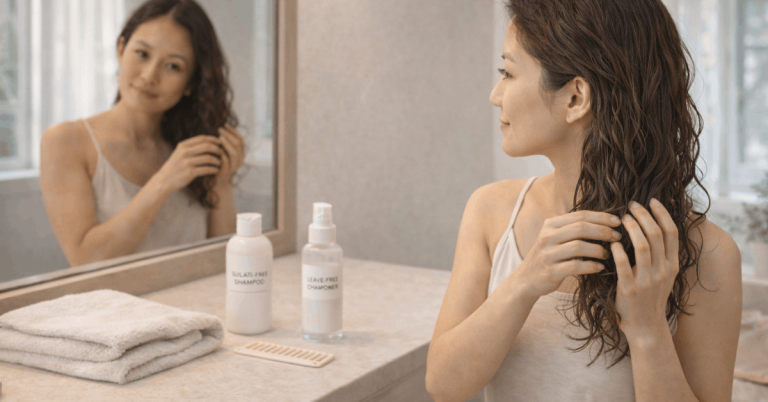
Massage shampoo into the scalp where oil and sweat collect, then let the lather glide through lengths during rinse-out. Skip aggressive rubbing along mid-lengths and ends to protect the cuticle.
Condition Every Wash
Work conditioner through mid-lengths to ends after each shampoo, then rinse thoroughly. On swimming days, cleanse promptly using a swimmers’ formula and follow with deep conditioning to offset pool chemicals.
Cooler Rinses Protect Color
Use lukewarm water during cleansing and rinsing to help preserve tone and reduce dryness. Hot water accelerates oil removal and can speed fade on color-treated hair, so reserve higher temperatures for body cleansing after hair is covered with a cap.
Dry The Gentle Way
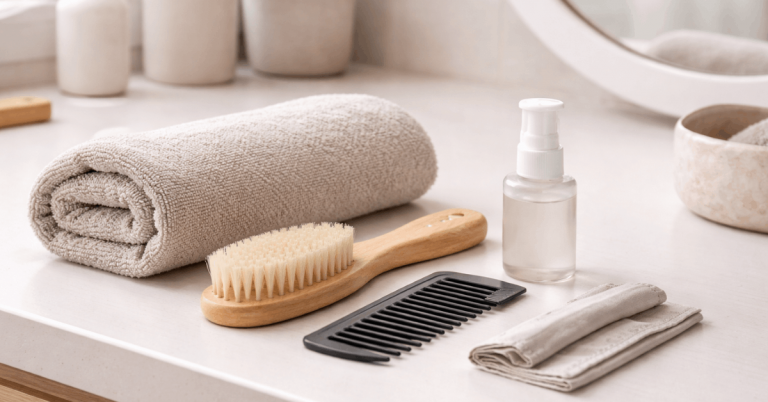
Wrap hair in a microfiber towel to absorb moisture quickly without roughing the surface. Avoid twisting tightly or rubbing; instead, press and blot. Let hair air-dry partially before blow-drying to shorten heat exposure.
Color and Chemical Services Done Right
Chemical changes alter internal bonds, so timing and aftercare decide whether hair stays flexible or turns fragile. Planning services prevents overlapping damage that is hard to reverse. Salon dialogue keeps expectations aligned.
Space Out Appointments
Extend intervals between touch-ups, especially during dry seasons. When refreshing permanent color, focus on roots rather than repeatedly pulling dye through ends.
Choose Gentler Formulas
Ask for ammonia-free options where suitable and avoid outdated ingredients that raise safety concerns. For at-home use, select mild developers and respect timing to limit over-processing.
Patch Test and Scalp Care
Perform a skin test per box guidance and watch for itching, burning, or redness. Keep the scalp moisturized between color sessions and schedule treatment masks weekly to maintain elasticity.
Shield From Sun and Heat
Use leave-in conditioner with UV filters during long outdoor time or wear a wide-brimmed hat. Reduce heat styling in the first week after chemical services to protect fresh color and keep cuticles smoother.
Track Progress and See A Pro
Regular checkpoints prevent routine drift and catch small problems quickly. Schedule trims to remove frayed ends that spread upward and to maintain shape so styling requires less heat.
Photograph hair and scalp in consistent lighting every month to spot trends in shine, density, and breakage. Plan salon assessments every three to four months for targeted advice, especially after major color or during seasonal shifts.
Last Thoughts
In practice, healthier hair comes from steady, low friction choices applied the same way each week. Match heat to texture, detangle in sections with slip, and replace tight holds with scalp friendly tools.
Keep product strategy simple, clarify on schedule, and space chemical services to protect elasticity and color. After small, consistent changes, styling stays efficient while porosity drops, shine returns, and breakage trends downward.