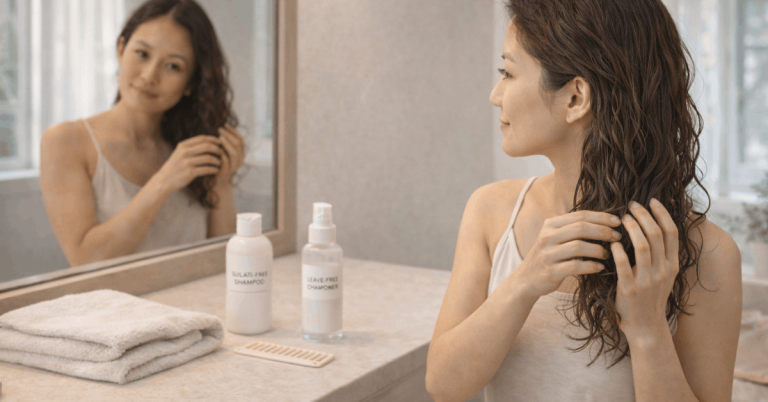
In daily hair care, small, consistent choices create softness that lasts. Keeping Hair Soft without thick creams or heavy oils comes down to technique, water management, and product weight.
Across hair types, scalp care, careful cleansing, and light hydration beat piling on residue. Aim for a simple, repeatable plan that preserves natural oils while preventing frizz and roughness.
Core Principles for Keeping Hair Soft
Start by identifying hair type and typical scalp behavior, since oil production and strand thickness drive product choice and wash frequency.
Straight or fine hair with an oily scalp may need more frequent cleansing, while dry, textured, or tightly coiled hair often benefits from fewer washes to preserve natural lipids.
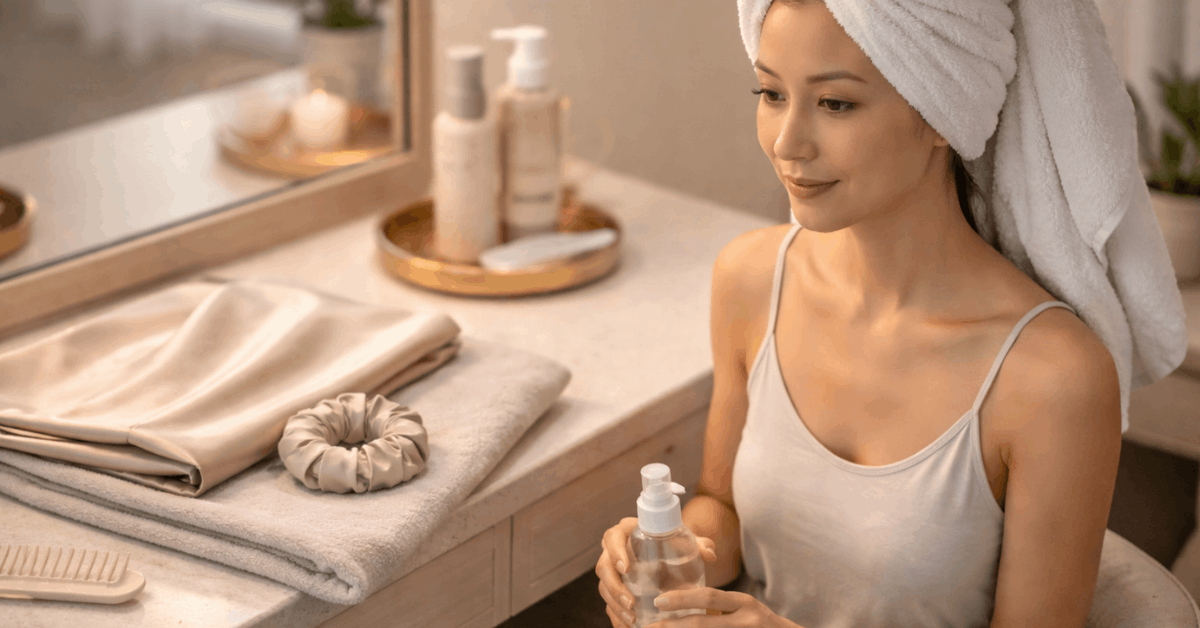
Apply shampoo to the scalp rather than the full length, then allow diluted suds to pass through the ends during rinsing to avoid overdrying. Follow with conditioner every wash, targeting only the ends for fine or straight hair and coating the full length for dry, wavy, curly, or coily patterns.
Handle wet hair carefully because fibers swell and weaken when saturated. Use a wide-tooth comb and start at the ends, working upward in short passes to reduce breakage.
For thick, curly hair, detangle in the shower while conditioner is still on the strands to lower friction; for straight hair, allow partial air-drying before combing to limit cuticle stress.
Lightweight Wash and Condition Strategy
A minimal, consistent wash routine keeps softness high without buildup or weight. This section breaks down cleansing choices, conditioning placement, and water temperature so softness improves quickly while staying light.
Match Cleansing To Scalp
Adopt scalp-first cleansing that targets sweat, oil, and product film while preserving mid-length moisture. A sulfate-free shampoo supports gentle cleansing because strong surfactants can strip protective oils and increase frizz.
For oily scalps, cleanse frequently enough to control residue, then balance with a light conditioner on the ends to avoid flatness. For dry scalps and coils, extend intervals while monitoring flakes, and introduce a periodic gentle clarify if styling residue accumulates.
Condition For Hair Type
Condition after every shampoo to add slip, reduce friction, and seal down lifted cuticles. Choose lighter lotions or a leave-in conditioner mist for fine hair that tangles easily, keeping application away from the scalp to maintain volume.
Choose richer creams for dense curls that need more slip, and distribute thoroughly from roots to ends when strands are very dry or highly porous. Keep combing inside the shower while the conditioner coats the hair, so detangling finishes with minimum damage.
Water Temperature Matters
Use lukewarm water for cleansing to avoid over-swelling the cuticle, then perform a cold-water rinse after conditioning to encourage smoother alignment and added shine.
Hot water opens the cuticle aggressively, which encourages moisture loss and can roughen the surface; cooler finishes help the strand surface lie flatter without adding any product weight.
Drying, Detangling, and Heat Control
Drying style and heat exposure change softness more than many leave-ins. The steps below favor lower friction and controlled temperature so strands stay smooth and light.
Towel and Air Drying
Choose a microfiber towel drying or a soft cotton T-shirt wrap to blot rather than rub, since aggressive friction raises frizz and lifts cuticles. Leave hair wrapped briefly to absorb excess water, then release and let air circulate rather than baking water out with prolonged high heat.
Detangling Technique
Work in sections and keep tension gentle, moving in short strokes from the ends upward.
Add a small amount of rinse-out conditioner in the shower when knots resist, then finish with hands to guide curl pattern or maintain alignment on straighter textures. Consistent, low-stress detangling preserves softness better than any heavy cream.
Heat Styling Limits
Limit blow-drying and hot tools, and always apply a light heat protectant spray set to tolerate the tool temperature chosen. Prefer low or medium heat and keep the tool moving to avoid hotspots that cause brittleness.
When possible, allow partial air-drying before finishing on low heat to reduce total exposure without sacrificing shape.
Nutrition, Sun, and Sleep Habits
Daily habits off the shower schedule influence softness and breakage. These small changes require no heavy products and compound results over weeks.
Diet Basics
Support hair fiber production with a balanced pattern that includes protein, iron sources, omega-3 fats, and diverse fruits and vegetables.
Supplements are unnecessary for most people who meet their needs through food, yet addressing a deficiency identified by a clinician can improve shedding and fiber quality.
Hydration also matters, since adequate water intake supports scalp comfort and reduces itch that can trigger mechanical damage.
UV Protection
Protect hair during long sun exposure because ultraviolet radiation weakens cuticles and fades color. Wear a hat, use shade, or apply a lightweight UV shield mist that will not coat strands heavily. Saltwater and chlorinated pools amplify dryness, so wet hair with clean water first and rinse promptly afterward.
Sleep Surfaces
Switching to a silk pillowcase benefits include lower friction, fewer overnight tangles, and better moisture retention compared to absorbent cotton. Secure longer hair in a loose braid or soft scrunchie to prevent nighttime knotting while avoiding tight styles that cause tension at the hairline.

Weekly Extras That Stay Light
Keep weekly treatments focused and light to avoid the heavy, coated feel many dislike. Choose masks labeled lightweight for fine or medium hair and richer masks for dense, coily textures, then apply mainly from mid-lengths to ends for ten to fifteen minutes.
Use small, palm-spread amounts of hair oil on damp ends only when needed, favoring fast-absorbing oils or esters that add slip without greasy residue.
Maintain regular trims every six to eight weeks to remove split ends that make hair feel rough, regardless of product choice. Schedule an occasional gentle clarify when styling residues build up, then follow immediately with a light conditioner to restore slip.
Quick Softness Routine Without Heavy Products
A simple, repeatable routine makes softness predictable while keeping weight off the hair. The steps below prioritize scalp care, light hydration, and low friction, then finish with protective habits that do not require thick coatings.
- Cleanse the scalp using scalp-first cleansing and a sulfate-free shampoo, then let the suds glide through the ends briefly.
- Condition based on hair type, using a light rinse-out for fine strands or a richer formula for coarse curls, focusing application away from the scalp as needed.
- Perform a cold water rinse to help the cuticle lie flatter and reduce surface roughness without extra product.
- Blot using a microfiber towel drying, detangle gently from the ends upward, and limit hot tools while applying a minimal heat protectant spray.
- Sleep on silk or satin to lower friction, then refresh in the morning using a leave-in conditioner mist focused on the mid-lengths and ends.
Evidence Basis and Expert Notes
Dermatology guidance consistently advises shampoo on the scalp, routine conditioning for detangling and moisture, and gentle handling while wet.
Professional associations also recommend heat moderation, UV protection during prolonged exposure, and trimming to remove split ends that no topical can repair.
Nutrition affects hair primarily when deficits exist, so balanced eating patterns and medical evaluation for suspected deficiencies are more reliable than unsupervised supplementation.
Last Thoughts
In everyday care, your softness comes from steady habits, not heavy coatings or complicated hacks. Start your routine scalp-first in the shower, keep water lukewarm, then seal cuticles with a cool rinse.
Detangle your hair in sections from the ends, favor microfiber blotting, and limit heat with a light protectant.
Protect your strands in the sun, sleep on silk, and schedule trims so rough ends stop undoing progress. Keep your plan simple and repeatable, and softness will last without weight, frizz, or breakage.