Cakey foundation at 2 PM is almost never a technique problem. Nine times out of ten, the brush or sponge did the failing, and the product just took the blame.
That realization changes how you think about beauty tools that last. Suddenly, the $6 sponge pack from the checkout aisle looks less like a bargain and more like a recurring expense.
Durable tools apply color evenly, blend without dragging skin, and hold their shape across hundreds of washes. Cheap ones splay, shed, and warp within weeks.
This guide breaks down materials, replacement timing, and the small details that separate tools built to perform from tools built to sell.
Which Beauty Tool Materials Hold Up Over Time
The difference between a brush that lasts three years and one that falls apart in three months usually comes down to two things: the fiber type and the metal holding everything together. Knowing what to look for takes about 30 seconds per tool.
Synthetic Brush Fibers vs. Natural Hair
Synthetic fibers absorb less product and dry faster than animal hair, which makes them a better match for liquid and cream formulas. Soft, tapered synthetics also reduce skin irritation while keeping enough snap for precise placement.
I would pick a synthetic brush over a natural hair brush for any cream or liquid formula after seeing how much less product a synthetic wastes per application. The pickup is more efficient, and the drying time after washing is noticeably shorter.
Natural hair still has a place for loose powder work, but for the way modern makeup leans (tinted moisturizers, cream blushes, liquid bronzers), synthetics handle the job better and last longer.
Ferrule Quality and Double Crimping
The ferrule is the metal sleeve connecting the bristles to the handle. Brass or aluminum ferrules with firm double crimping reduce shedding and wobble over time. Single-crimped ferrules loosen after repeated washing, which is when brushes start losing bristles mid-application.
A balanced handle with even lacquer coating resists swelling and paint chips too. These details sound minor until you’re fishing a loose bristle off your eyelid during a timed morning routine.

Sponge Cell Structure and Replacement Timing
Not all sponges are built the same inside. Hydrophilic polyurethane foams rebound well and tolerate frequent washing, which keeps the texture uniform week after week.
Consistent pore size matters because uneven cells trap pigment in some spots and tear at stress points in others. A latex-free makeup sponge rinses cleaner and avoids common skin sensitivities.
Expect about three months of solid performance under gentle daily rinsing and complete air-drying between uses. Once tearing starts or the bounce feels flat, the sponge is done.
Stainless Steel Eyelash Curlers and Precision Metal Tools
Metal tools get overlooked in beauty tool discussions, but they’re where the biggest quality gap shows up. A cheap curler can pinch skin, crimp lashes at wrong angles, and lose spring tension within weeks.
What Makes a Good Eyelash Curler
A stainless steel eyelash curler with a firm, smooth spring and a rounded clamp lifts lashes cleanly at the base. Tight hinge tolerances prevent lateral wiggle, which is the movement that pinches skin or bends lashes off-axis.

Replaceable silicone pads protect lash cuticles and should be swapped every three to six months. Once a pad goes rigid, it starts cutting rather than curling.
Curler curvature should match eye shape too. Rounder eyes pair well with steeper curves, while flatter lids need a wider arc that reaches all lashes evenly. This matching detail rarely appears in product descriptions, so testing the curve against your eye line is worth the effort.
Tweezers That Stay Sharp
Slant-tip tweezers with tight alignment remove hair at the root without snapping. Hardened steel resists bending over years of use, and periodic sharpening restores a crisp grip.
I would spend $20 on one pair of tweezers made from hardened stainless steel over buying a $7 pair every six months. The sharpening option alone makes the math work after the first year.
Heat Tools: Cords, Coatings, and the Parts That Fail First
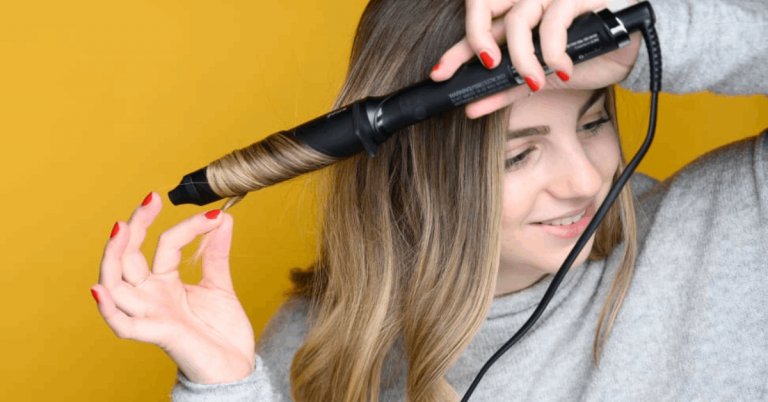
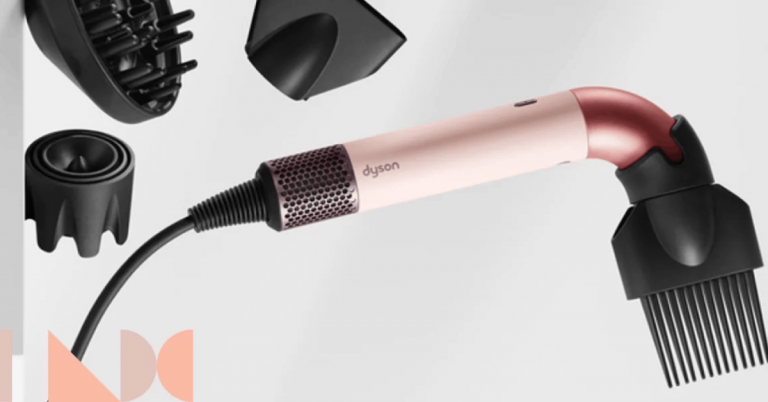
Flat irons, curlers, and hot brushes have more failure points than any other beauty tool category. The coating wears, cords fray, and temperature control drifts. Knowing which parts matter most can save hundreds of dollars in replacements.
Ceramic or tourmaline coatings help keep temperature stable across the plate surface and reduce hotspots that burn hair or melt product residue. Even heating also means fewer passes per section, which reduces heat damage over time.
Three signs point to a heat tool built for longer use:
- Strain-relief cords that flex at the base without crimping the internal wires
- Auto-shutoff features that protect against accidental burns and overheating
- Clear temperature steps (not just vague “low/medium/high” settings) that let you dial in the right heat for your hair type
Multi-year warranties on motors, heaters, and electronics signal that the manufacturer expects the tool to last. Keep proof of purchase and register the tool if extended coverage is offered.
Also read: How to Keep Hair Soft Without Heavy Products
Beauty Tool Buying Checklist: Signals to Check at the Store
A few quick checks separate tools worth keeping from tools headed for the trash within weeks. These work whether shopping online or testing in person.
Moderate heft without top-heavy balance keeps control steady through long blending sessions. A brush that feels soft at the tip while holding backbone at mid-shaft will place and diffuse pigment without splaying.
For curlers and tweezers, test alignment and closure. Clean, even contact reduces tugging and premature wear.
Look for these details on the product page or packaging:
- Steel grades and fiber types listed plainly (vague “premium materials” claims mean nothing)
- Replacement pads, guards, or spare parts available separately
- Warranty terms spelled out with coverage duration and what’s included
- Return policies that allow exchange if a tool arrives misaligned or sheds in the first wash
Matching Tools to Skin Type and Formula Preference
Sensitive or acne-prone skin does better with ultra-soft synthetics and gentle domed shapes that glide without micro-scratching. Cream-heavy users should favor tighter, shorter fibers that resist saturation. Powder-forward routines do better with fluffier, longer cuts that diffuse product quickly.
Travel kits need compact handles and protective caps. Home stations benefit from full-size grips for better control. Building a kit around your routine and skin type beats buying a pre-made set where half the brushes sit unused.
I think the common advice to “invest in a full brush set” wastes money for the average person, because sets include brushes designed for techniques and products that don’t match every routine.
The raw content here lists 8 specific tools, and even among those 8, the fiber length, density, and shape vary based on whether the user favors cream or powder formulas. A targeted 4-tool kit built around personal formula preferences outperforms a 12-piece set gathering dust in a roll bag.
Cleaning, Storage, and the Maintenance Schedule That Keeps Tools Alive
Dirty tools wear out faster and transfer bacteria to skin. The cleaning process is simple, but consistency makes the difference between a brush that lasts years and one that dies in months.
How Often to Clean Each Beauty Tool Type
Foundation and concealer brushes need weekly soap-and-water washes to remove oils and pigments. Sponges clean best immediately after use, then dry completely in open air. Spot-clean alcohol sprays can refresh powder brushes between deep washes.
Metal tools tolerate 70% isopropyl alcohol after cleaning. Brief contact with disinfectant does not corrode quality steel. Avoid alcohol on lacquered handles.
Heat tools should be unplugged and cool before wiping plates with a soft cloth. Residue left on plates scorches at the next session and damages the coating.
Storage Mistakes That Shorten Tool Life
Dry tools upright in a ventilated space so moisture does not pool at the ferrule or pad seams. Covered containers block dust without trapping humidity.
Avoid storing tools near showers. Steam softens glues and warps wood handles over time. Mesh guards on round brush heads preserve the shape during drying.
| Tool Type | Weekly Care | Replace/Service Timeline |
|---|---|---|
| Sponges | Rinse after each use, deep cleanse monthly | Replace around 3 months |
| Foundation Brushes | Wash with gentle soap | Replace if shedding persists after cleaning |
| Curlers/Tweezers | Alcohol sanitize, check pad alignment | Replace pads every 3-6 months; sharpen tweezers as needed |
| Heat Tools | Wipe plates when cool, inspect cord | Service under warranty if heat fluctuates |
The biggest takeaway from this table: sponges and curler pads are the only consumable parts, while everything else can last years with basic upkeep.
Cost Per Use: When Cheap Tools Are the Expensive Option
Across a year, a reliable brush set and one resilient sponge often cost less than repeated replacements of cheaper kits. Serviceable designs reduce waste because pads, guards, and bags swap in while the main body keeps working.
Refillable cleaning soap and a washable tool pouch lower ongoing costs too. Modern synthetics labeled as cruelty-free brush fibers now meet professional standards while staying easier to sanitize than animal hair.
Packaging choices matter. A tool sold with spare parts and a clear warranty policy signals a manufacturer willing to back the product past the checkout.
Questions People Ask About Beauty Tools That Last
Q: How long do makeup brushes last if washed regularly?
A well-made synthetic brush washed weekly and stored dry can last 3 to 5 years. The ferrule crimping and fiber density matter more than the brand name.
Q: Are expensive beauty tools always better than drugstore ones?
Price alone means nothing. Check the ferrule material, fiber type, and whether replacement parts exist. A $15 brush with brass ferrule and double crimping can outperform a $40 brush with a loose single crimp.
Q: How do I know when to replace a makeup sponge?
Once the bounce feels flat, tearing appears, or the sponge holds stains even after deep cleaning, it’s done. That usually happens around the three-month mark with daily use.
Q: Can I sharpen my own tweezers at home?
Hardened stainless steel tweezers can be sharpened, but professional sharpening gives a more precise edge. Some brands offer mail-in sharpening services that extend the tool’s life for years.
Q: Do ceramic flat irons last longer than titanium ones?
Ceramic coatings tend to distribute heat more evenly, which reduces wear on hair and on the plates themselves. Titanium heats faster but can develop hot spots over time. The cord and internal heating element usually fail before the plates do on either type.
Conclusion
The beauty tools that last longest share three traits: quality materials, replaceable wear parts, and simple maintenance routines. Ferrule crimping, sponge cell structure, and steel grade tell you more about longevity than packaging ever will.
Building a kit around your specific formulas and skin type beats buying a generic set every time. Start with four tools that match how you use makeup, and let the rest follow.