Many people unknowingly follow routines that harm their hair rather than improve it. The internet is full of advice, but not all of it is backed by facts. Hair care myths are false beliefs that persist.
This article will help you identify what’s outdated or inaccurate, so you can stop wasting time and protect your hair.
Brushing 100 Times Makes Hair Shinier
This belief comes from a time when shine was associated with constant brushing. People still think brushing often leads to healthier strands.
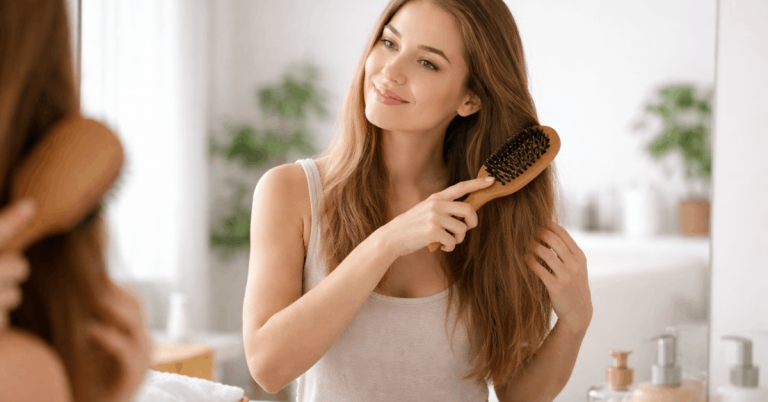
Too much brushing actually weakens the hair shaft. It causes friction that leads to breakage and split ends.
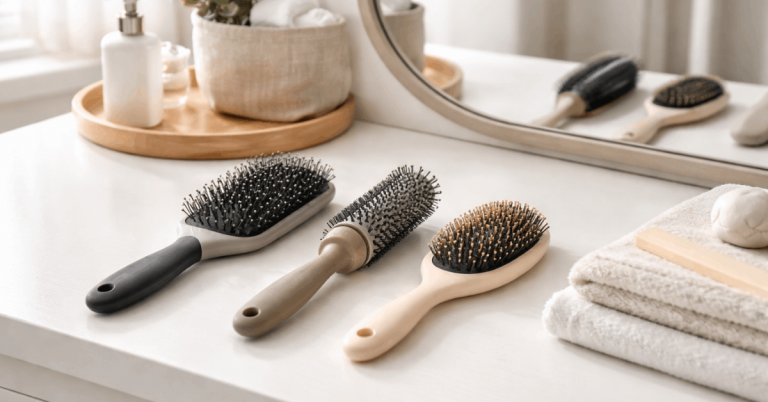
Instead of more brushing, focus on brushing with purpose. Use soft-bristled or detangling brushes when necessary.

Split Ends Can Be Fixed With Products
Some products claim they “repair” split ends, but that’s misleading. These products only seal ends temporarily for cosmetic effect.
The only real fix is cutting off the split parts. No oil or serum can undo broken hair.
The best approach is prevention through hydration and reduced heat use. Use tools that cause minimal stress during styling.
Oily Hair Should Be Washed Daily
Washing hair too frequently can worsen scalp oil production. Daily washing strips away the natural oils your scalp needs.
When you remove too much oil, your scalp produces more to compensate. This creates a cycle that leads to greasy roots and dry ends.
Instead, wash 2–3 times a week. Use a scalp brush to clean gently without over-cleansing.
Cutting Hair Promotes Faster Growth
Cutting your hair doesn’t influence the root or growth speed. Growth happens at the scalp, not the ends.
Trims keep your hair healthy by removing damage. While it may feel like it’s growing faster, you’re simply avoiding split ends.
Regular cuts every 8–10 weeks help preserve shape and volume. It’s about maintenance, not speed.
The Truth About Blow Drying vs. Air Drying
Some people believe air drying is always safer than heat styling. That’s not entirely true in every case. When you leave hair damp for long periods, it swells and weakens the shaft.
This can lead to frizz and fungal scalp issues. According to the Cleveland Clinic, controlled blow drying on a low-heat setting can be safer. Always use a heat protectant if you’re using a dryer.
Heat-Free Methods Aren’t Always Better
You might think skipping heat is safer, but moisture retention matters too. Hair left damp too long stays in a fragile state.
Use microfiber towels to gently absorb water. Avoid tight buns or braids on wet hair.
If air drying, use leave-in conditioner to coat the strands. Alternate between air drying and low-heat tools when needed.
Double Shampooing Is a Must
Many believe they need to shampoo twice during every wash. This started as a salon method, but it’s not necessary for everyone.
If you don’t use heavy products or sweat excessively, one wash is enough. Overwashing can dry out both the scalp and strands.
Double shampooing works only if there’s excess buildup. Customize your wash based on your lifestyle.
Hair Gets Used to Shampoo Over Time
This myth claims your hair becomes immune to shampoo. That’s not how shampoo works. What actually changes is your hair’s condition or environment.
Weather, diet, and stress impact how your hair reacts. You only need to switch shampoos if your scalp changes or irritation occurs. Stick to what works until it no longer does.
Natural Oils Are Always Safe
Natural doesn’t always mean suitable for your hair. Oils behave differently depending on hair type.
Heavy oils like coconut or castor can clog the scalp or weigh down fine hair. Some oils are better for ends, others for scalp use.
Always test a small amount before applying all over. As Healthline explains, focus on oiling based on your hair type and overall care plan.
Understanding Hair Porosity
Porosity affects how your hair handles oils. High-porosity hair absorbs fast but loses moisture quickly. Low-porosity hair repels water and oil, causing buildup.
Choose lighter oils for low-porosity strands. For high porosity, richer oils provide better sealing. Know your porosity to use oils effectively.
Cold Water Makes Hair Shinier
Cold water isn’t a miracle for shine. It does not seal the hair cuticle as often claimed. Shine comes from smooth cuticles, which result from healthy conditioning.
Rinse with cool water only after using conditioner. It can help reduce frizz, but won’t replace good product habits. Focus more on moisture than temperature.
Towels Are Safe for Drying
Traditional towels can roughen up the hair surface. The texture causes frizz and even small tears. Instead, use microfiber towels or soft cotton shirts.
These materials reduce friction and help your hair stay smooth. Always squeeze gently rather than rubbing. Letting it partially air dry before combing also helps.
You Can Train Hair to Be Less Oily
Your scalp produces oil based on hormones and biology. You can’t train it to slow down oil production. Skipping washes may make oil look worse, not better.
Adjusting wash frequency is useful, but it won’t change your scalp permanently. Manage oil with balancing shampoos and scalp-friendly brushes. Clean your brush regularly to avoid reapplying oils.
Tool Hygiene Matters
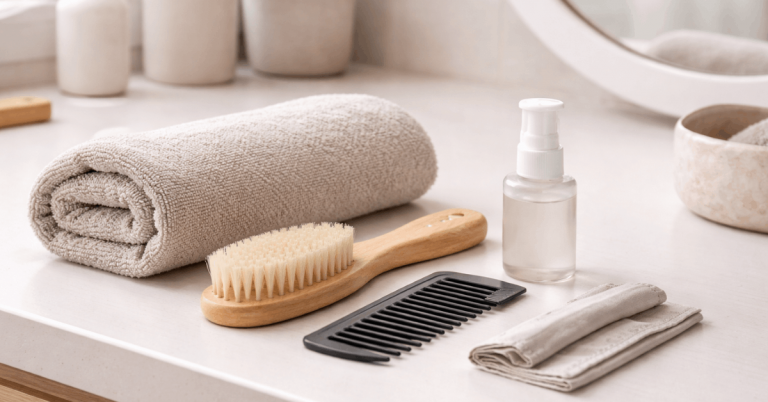
Brushes and combs carry product, oil, and dust. Using a dirty tool can spread buildup back onto clean hair. Wash your brush weekly with warm water and mild soap.
Remove trapped hairs daily. Keep your hair tools dry and stored properly. According to the American Academy of Dermatology, clean tools help maintain healthy scalp conditions.

Expensive Products Are Always Better
Price does not guarantee better results. Many affordable products work well with the right routine. Focus on ingredients and formulation, not branding.
Read the label and match it to your hair’s needs. Don’t assume costly means more effective. A solid brush and good habits go further than luxury bottles.
Shaving Makes Hair Thicker
Shaving gives the illusion of thickness. That’s because the blunt ends look coarser when they grow back. Hair structure remains the same whether you shave or not.
Thickness depends on genetics and hormones. Avoid shaving for regrowth unless recommended. Try strengthening products and massages to support volume.
Let Go of What Doesn’t Work
Some beliefs about hair care stick around even without proof. It’s important to question what you’ve been told.
The phrase hair care myths reminds you to evaluate your routine. Focusing on facts and tools that match your hair type will bring better results.
Tips You Can Use Right Now
Make better choices by following straightforward tips that work for any routine. These reminders help simplify your approach and avoid common mistakes.
- Choose a brush that matches your hair type to reduce breakage.
- Wash your scalp, not just your strands, to remove buildup.
- Use cool water for the final rinse to help reduce frizz.
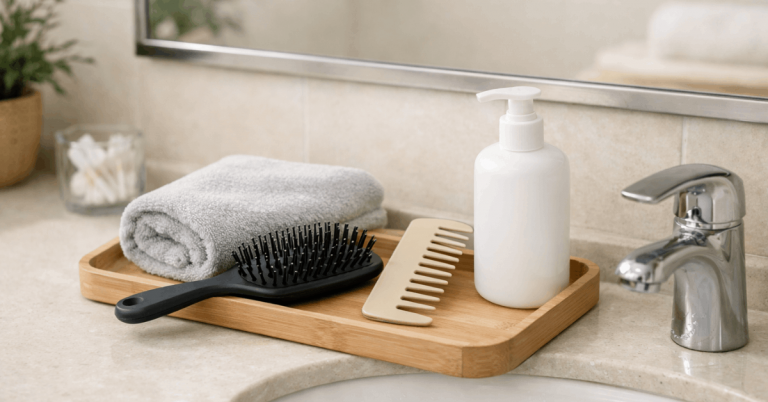
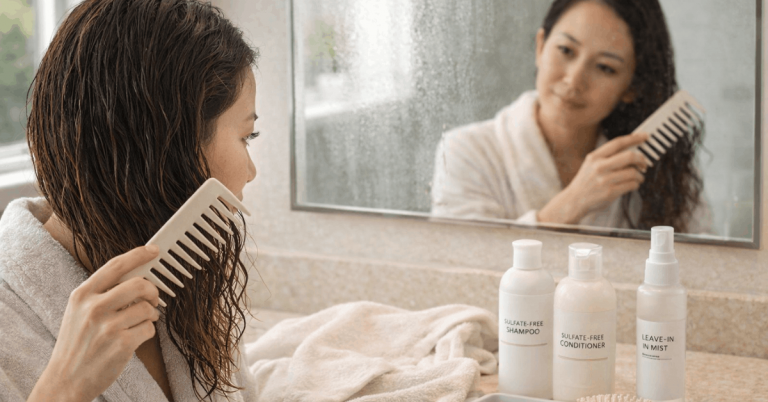
- Avoid brushing wet hair with a regular brush; use a wide-tooth comb.
- Use leave-in conditioner or heat protectant before styling.
- Clean your brushes and tools weekly to avoid product and oil transfer.
- Limit tight hairstyles that pull on the roots and cause stress.
- Stick with products that work instead of switching too often.
Better Results Start with Smarter Habits
You don’t need to follow outdated advice or routines that don’t serve you. Many hair care myths cause more harm than good, especially when followed without question.
Shift your focus to simple, proven steps that protect your hair. Take control of your care with accurate knowledge and well-matched tools.