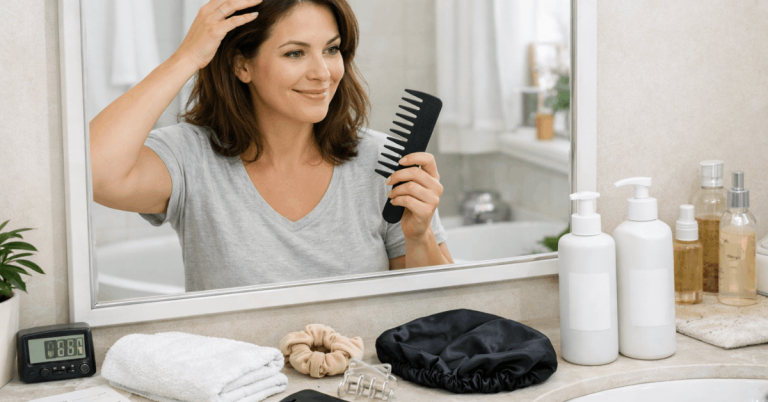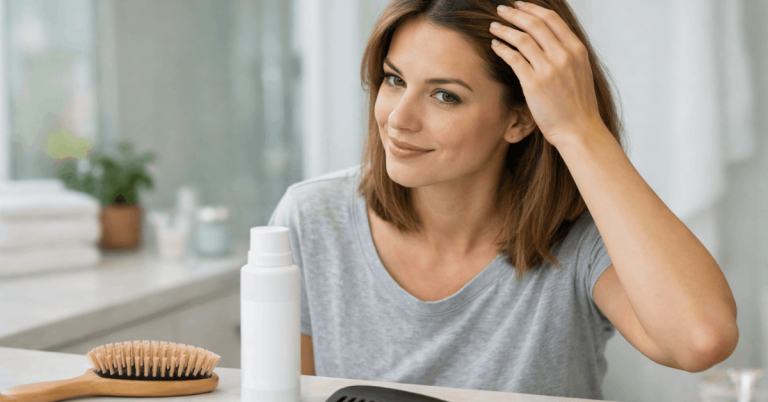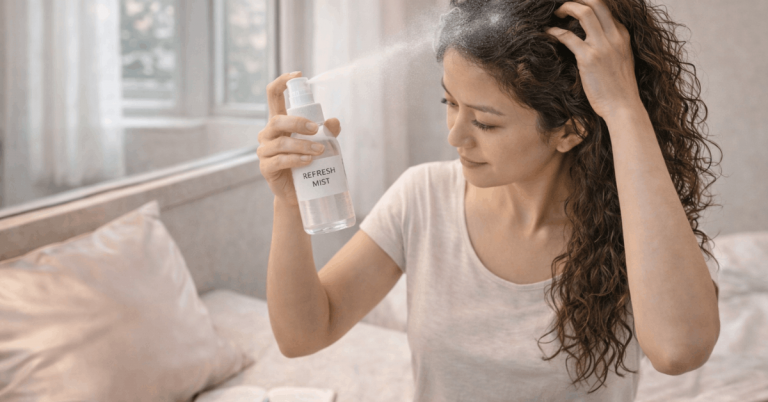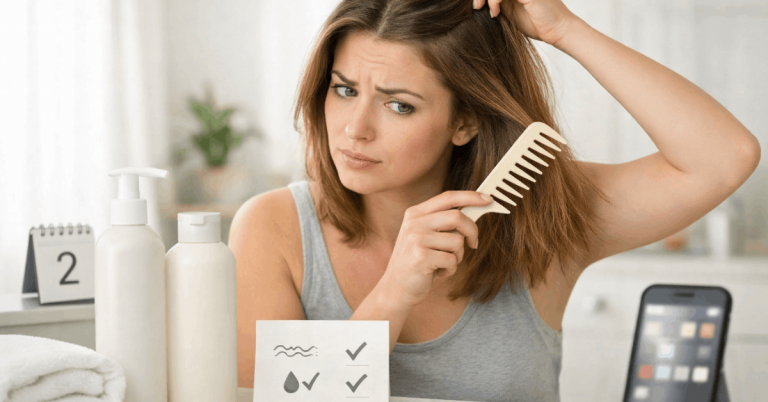
Short hair still requires consistent care to stay healthy and easy to manage.
This guide focuses on hair care essentials for short hair, using simple tools, practical routines, and everyday habits that fit real life.
You will learn how to protect your hair, maintain your scalp, and avoid unnecessary damage without adding extra steps to your routine.
Understanding the Needs of Short Hair
Short hair responds quickly to daily habits, products, and environmental contact.
Knowing how it behaves helps you adjust your routine and avoid common care mistakes.
- Oil reaches the ends faster: Natural oils spread quickly, making short hair look oily sooner. Washing habits need balance.
- The scalp is more exposed: Dryness and buildup are easier to notice. Scalp care becomes essential.
- Friction affects short hair more: Collars and pillows cause constant rubbing. This can lead to breakage.
- Product buildup shows faster: Excess product sits on the surface. Light use prevents residue.
- Growth patterns are more visible: Uneven growth stands out quickly. Regular trims maintain shape.
Essential Hair Brushes and Combs for Short Hair
Short hair relies on the right tools to stay neat and damage-free.
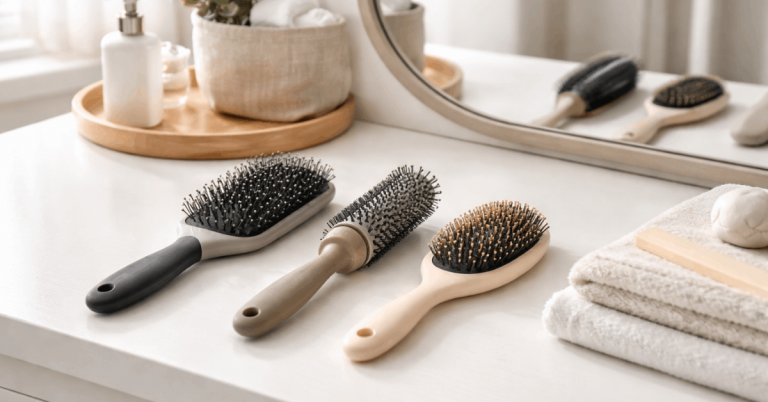
Using brushes and combs designed for shorter lengths helps control shape, reduce breakage, and support daily care.
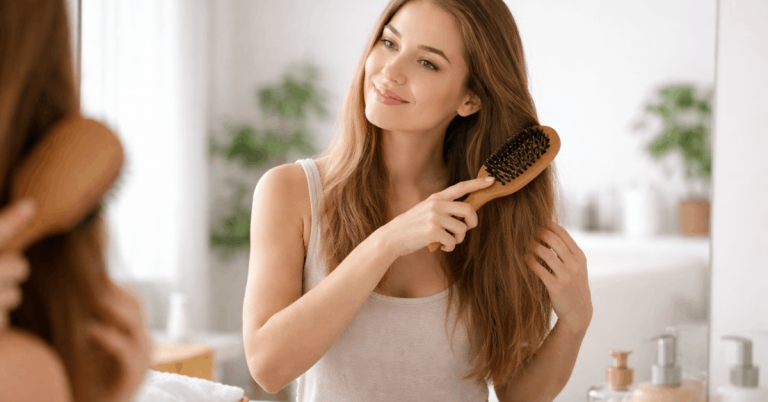
- Soft-bristle brush: Smooths short hair and evenly distributes natural oils. Suitable for daily grooming.
- Small paddle brush: Covers short sections efficiently without pulling. Useful for straight or slightly wavy hair.
- Grooming brush: Helps control edges and maintain clean lines. Works well for very short styles.
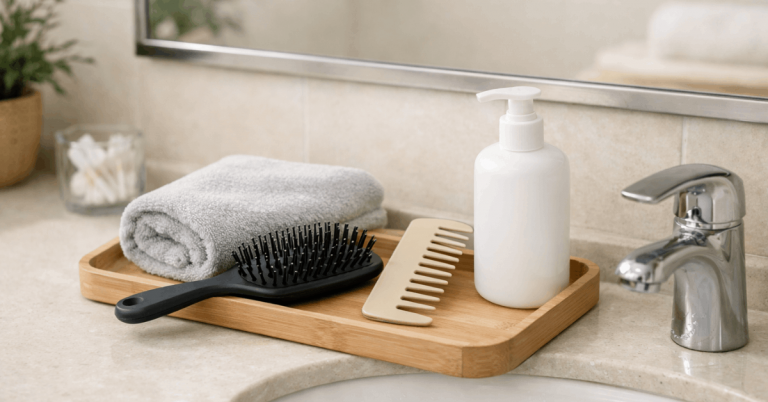
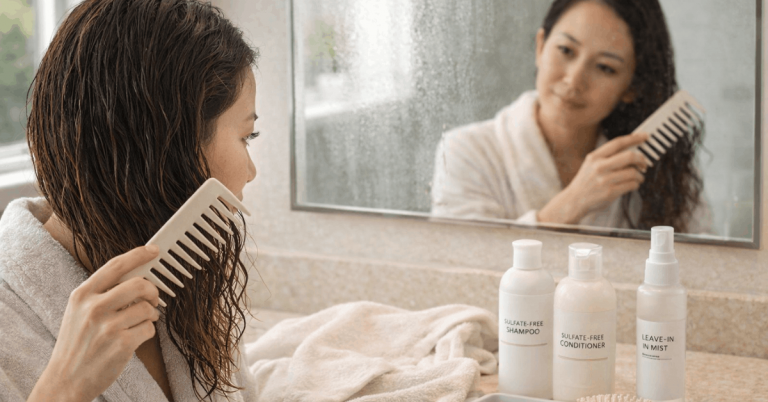
- Wide-tooth comb: Detangles gently without stressing the hair. Best used on damp or freshly washed hair.
- Fine-tooth comb: Shapes parts and refines details. It should be used lightly to avoid breakage.
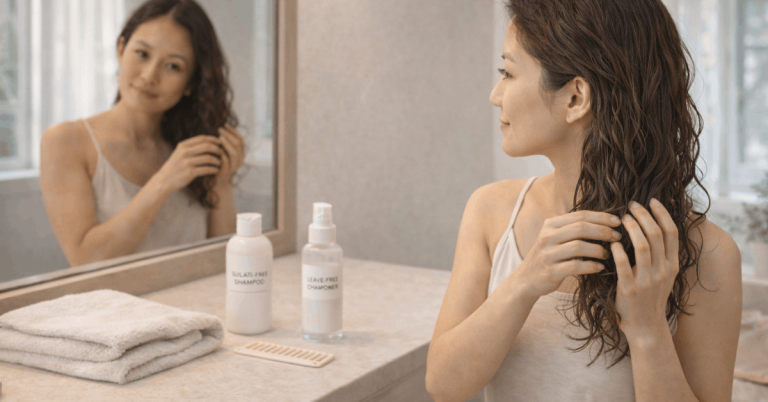
Washing Essentials for Short Hair
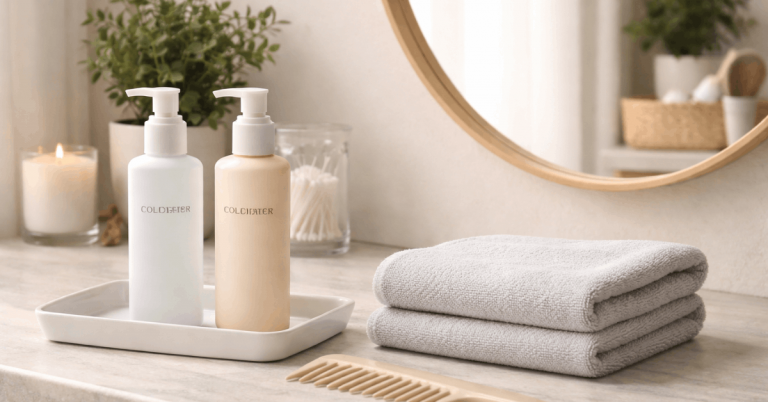
Washing plays a key role in keeping short hair fresh and manageable. Because oil and buildup appear faster, washing routines need to be simple and controlled.
- Washing frequency matters: Short hair can look oily quickly, but daily washing is not always necessary. Frequency should match your scalp and activity level.
- Use gentle shampoo: Mild formulas clean without stripping the scalp. This helps prevent dryness and irritation.
- Condition lightly: Short hair needs less conditioner than long hair. Applying a small amount prevents heaviness.
- Focus on the scalp: Proper cleaning helps keep hair healthier overall. Lengths need minimal attention.
- Rinse thoroughly: Product residue is more visible on short hair. Proper rinsing prevents buildup.

Drying and Post-Wash Care
Drying habits directly affect the health and appearance of short hair. Gentle post-wash care helps prevent breakage and keeps hair easy to manage.
- Avoid rough towel drying: Rubbing creates friction and weakens hair. Gently press out excess water instead.
- Use a microfiber towel: Soft fabrics reduce damage and absorb water efficiently. This limits unnecessary pulling.
- Air-dry when possible: Short hair dries quickly without heat. This helps reduce daily heat exposure.
- Use low heat when blow-drying: High heat dries hair too quickly and can cause dryness. Low settings offer better control.
- Handle hair gently when wet: Wet hair is more fragile. Light brushing or combing prevents breakage.
Everyday Styling Tools That Actually Matter
Short hair performs better with fewer, well-chosen tools. Limiting tools reduces friction, heat exposure, and daily stress on hair.
- Blow dryer: Useful for quick shape control. Low heat is usually enough.
- Round brush: Helps guide direction and light volume. Works best with minimal passes.
- Simple clips: Hold sections without pulling. Useful during drying or styling.
- Basic comb: Helps refine shape and parts. Should be used gently.
- Fewer tools reduce damage: Less handling lowers breakage and dryness.
When to Skip Heat Styling
Short hair does not need heat every day. Recognizing rest moments helps protect hair health.
- Hair feels dry: Dry texture signals heat fatigue. Heat should be paused.
- Loss of softness: Stiff hair often means overuse. Recovery time is needed.
- Shape holds naturally: Heat may be unnecessary. Air-drying may be enough.
- Scalp feels sensitive: Heat can increase irritation. Skipping heat helps.
- Heat-free days: Regular breaks support strength and moisture.
Product Essentials for Short Hair
Product control is critical with short lengths. Small adjustments make a visible difference.
- Small amounts work better: Short hair needs very little product. Overuse weighs hair down.
- Light textures matter: Lightweight products absorb more evenly. They reduce residue.
- Even application: Products should be spread lightly. Concentration causes buildup.
- Targeted use: Apply where needed, not everywhere. This prevents heaviness.
- Simple routines: Fewer products keep hair manageable.
Products to Use Sparingly or Avoid
Some products are harder to manage on short hair. Careful choices prevent visible buildup.
- Heavy oils: Sit on the surface and attract dirt. They make hair look greasy.
- Thick creams: Reduce movement and volume. Hair can look flat quickly.
- Waxes in excess: Build up easily on short hair. Removal becomes harder.
- Sticky formulas: Leave residue behind. Texture becomes uneven.
- Layered products: Multiple products increase the risk of buildup.
Scalp Care as Part of Short Hair Maintenance
The scalp is more visible with short hair. Scalp health affects overall appearance.
- Gentle washing massage: Light pressure cleans without irritation. It supports circulation.
- Consistent cleaning: Regular washing prevents buildup. Scalp stays balanced.
- Occasional clarifying: Helps when hair feels heavy. Should not be frequent.
- Rinse thoroughly: Residue is more visible with short hair. Clean rinsing matters.
- Avoid harsh scrubbing: Aggressive motion irritates the scalp.
Managing Dryness or Oil at the Scalp
Balance is more effective than adding products. Routine changes often solve issues.
- Adjust washing timing: Frequency affects oil and dryness. Timing matters more than products.
- Avoid overwashing: Excessive washing can dry the scalp. Oil production may increase.
- Limit scalp products: Too many products disrupt balance. Simplicity works better.
- Monitor seasonal changes: Weather affects scalp behavior. Routines should adjust.
- Watch scalp signals: Flaking or shine guides routine changes.
Nighttime and Daily Habits That Protect Short Hair
Daily habits have a strong impact on short hair. Small changes prevent long-term damage.
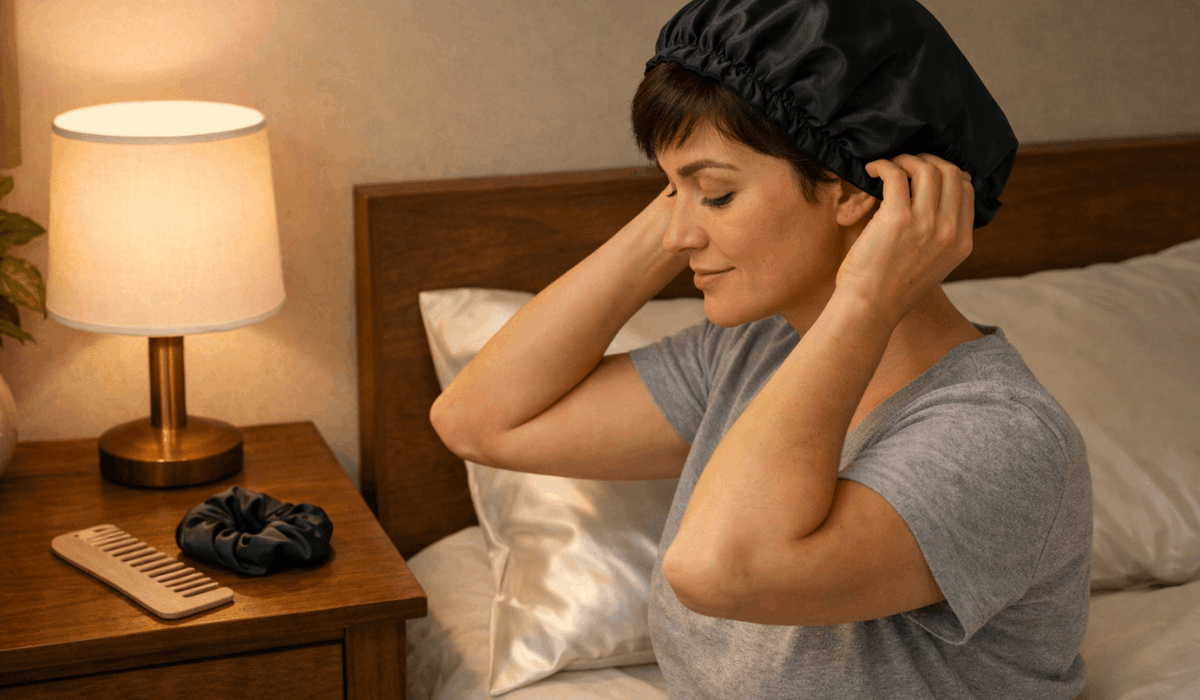
- Smooth pillowcases: Reduce friction during sleep. Hair breaks less.
- Loose sleep positioning: Avoid pressure on one area. Tension affects short hair quickly.
- Avoid sleeping on wet hair: Wet hair is fragile. Drying first prevents breakage.
- Gentle nighttime brushing: One light pass is enough. Over-brushing causes stress.
- Consistent habits: Repetition builds protection over time.
Daily Touch Habits to Avoid
Repeated contact weakens hair gradually. Awareness helps reduce damage.
- Over-brushing: Creates friction and stress. Short hair needs fewer strokes.
- Constant touching: Transfers oil from hands. Hair looks greasy faster.
- Tight hats: Increase friction and pressure. Edges suffer first.
- Frequent reshaping: Reworking hair causes breakage. Let hair settle.
- Pulling at ends: Weakens short strands. Gentle handling is safer.
Keeping Short Hair Tools Clean
Tool hygiene affects both hair and scalp health. Clean tools support better routines.
- Regular brush cleaning: Removes oil and product residue. Prevents re-transfer.
- Clean comb teeth: Hair and buildup collect easily. Cleaning keeps edges smooth.
- Use mild soap: Harsh cleaners damage tools. Gentle soap works well.
- Air-dry tools fully: Moisture causes residue and odor. Dry tools last longer.
- Set a cleaning routine: Consistency prevents buildup.
Replacing Worn Tools on Time
Old tools can damage hair without notice. Timely replacement protects short hair.
- Bent bristles: Pull and scratch hair. They increase breakage risk.
- Rough edges: Catch strands during use. Hair weakens over time.
- Loose handles: Reduce control. Styling becomes uneven.
- Discolored tools: Often signal buildup or wear. Cleaning may not be enough.
- Timely replacement: New tools protect hair better.
Conclusion: Building a Simple Short Hair Care Routine
Caring for short hair comes down to simple tools, controlled products, and consistent habits.
When you focus on gentle handling, clean tools, and balanced routines, short hair stays healthy and easy to manage.
Review your current routine and adjust your tools and habits to better support your short hair every day.