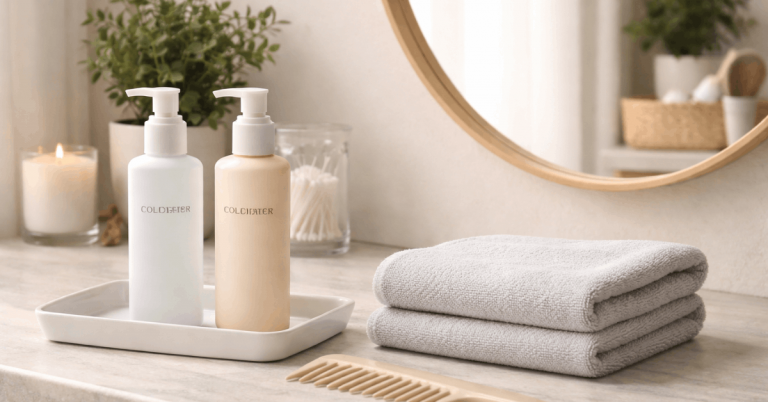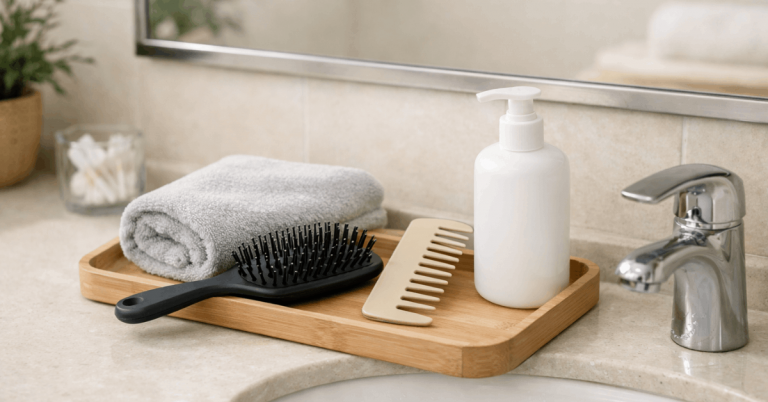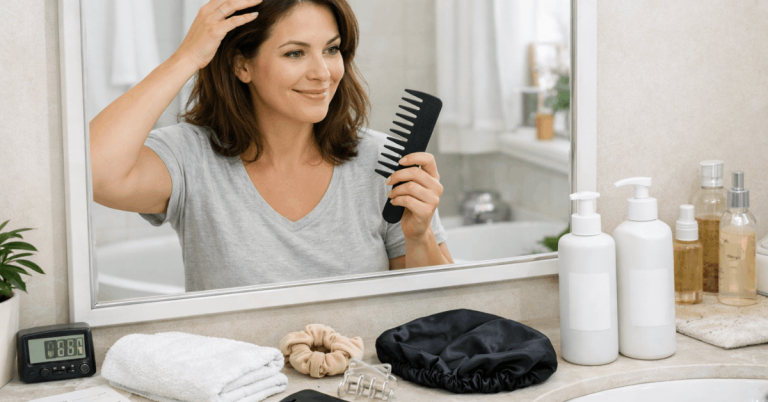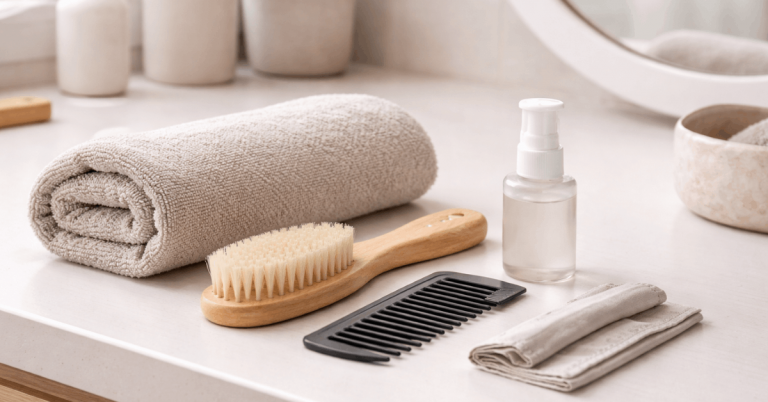
Maintaining long hair requires a consistent routine and the right tools. The phrase hair care essentials for long hair means more than just using shampoo and conditioner.
You need smart techniques and everyday habits to protect your length and prevent damage. This guide will cover exactly what you need for healthy, manageable long hair.
Understanding What Long Hair Needs
Long hair is more prone to tangles, dryness, and split ends. It also takes longer for natural oils to reach the ends.
That’s why it needs gentle handling and focused care. Knowing how to manage its length is the first step to reducing damage.
Daily Habits That Protect Hair Length
Small routines make a big difference. These daily habits help maintain strength and shine.
- Brush gently from the ends upward to avoid breakage. Use detangling sprays if needed.
- Avoid tying your hair too tightly. Use fabric scrunchies instead of elastic bands.
- Wash your hair two to three times a week. Over-washing can dry out the strands.
- Use a silk pillowcase at night. This reduces friction and prevents breakage while you sleep.

Tools That Make a Difference
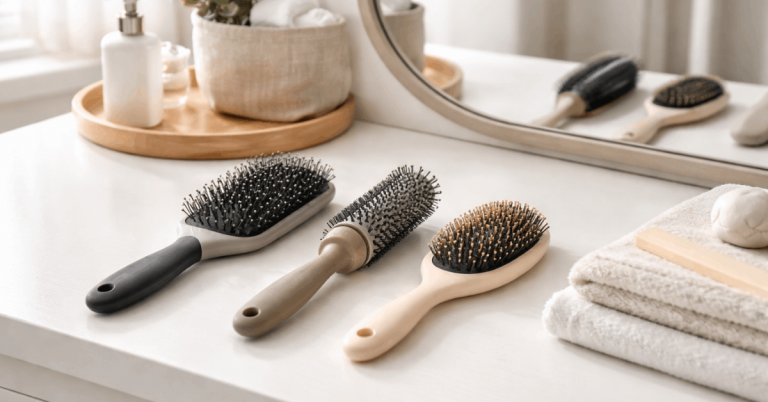
The tools you use daily can improve your hair health or harm it. Choose carefully.
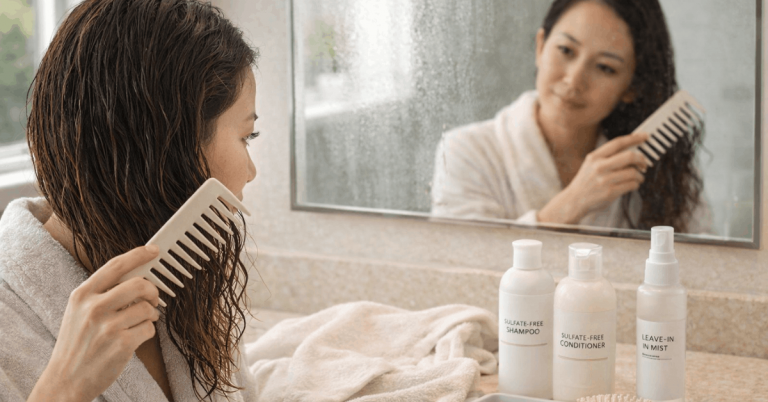
- Wide-tooth combs are ideal for wet hair. They prevent tearing and reduce stress.
- Paddle brushes with flexible bristles smooth out the hair gently.
- Boar bristle brushes help distribute natural oils from roots to ends.
Avoid brushes with metal tips or harsh bristles. They often cause unnecessary breakage.
Best Washing Practices
Clean hair is important, but so is protecting its natural moisture. Here’s how to get both right. Use sulfate-free shampoos to cleanse without stripping oils.
Look for moisturizing formulas with aloe, glycerin, or argan oil. Conditioner is essential for every wash. Focus it on the mid-lengths and ends, not the scalp.
Use cool water for the final rinse to seal the cuticle and enhance shine. Learn more about sulfate-free ingredients on the American Academy of Dermatology website.
Must-Have Treatments for Strength and Moisture
Your hair needs extra care weekly to stay strong. Alternate between hydration and repair. Use deep conditioning masks once or twice a week.
For dry hair, prioritize moisture-rich products with shea butter or coconut oil. If your hair feels weak or brittle, choose a protein treatment.
These repair the internal structure and reduce breakage. Limit protein use to once a week to avoid stiffness.
Styling Tools That Won’t Harm Your Hair
Many people with long hair rely on heat tools. The key is using them safely.
- Always apply a heat protectant before blow-drying, curling, or straightening.
- Use tools with adjustable temperature controls. Keep the heat below 350°F when possible.
- Let your hair air-dry halfway before blow-drying. This shortens heat exposure.
- Choose ceramic or tourmaline plates. They are gentler and help reduce frizz.
Building a Weekly Hair Care Routine
Creating a clear plan helps you stay consistent. Simplicity is key.
Wash your hair two to three times weekly. Condition every time. Add a deep conditioning treatment midweek.
Detangle daily and apply a light oil to the ends. Trim every 8–12 weeks to prevent split ends from traveling up the shaft.
Essential Hair Care Products
Knowing what to use keeps your routine efficient. Focus on multi-use items.
Invest in a quality leave-in conditioner for daily moisture. Dry shampoo helps extend the time between washes. A lightweight oil, like argan or jojoba, controls frizz.
Keep a UV protectant spray on hand if you’re outside often. All these support long hair without weighing it down.
Protecting Hair While You Sleep
Your nighttime habits matter. Long hair rubs against fabric, causing friction and knots.
Use a silk or satin pillowcase to reduce breakage. Alternatively, wrap your hair in a silk scarf. Loose braids or buns can prevent tangling.
Avoid sleeping with wet hair to stop breakage and scalp irritation. Consider applying a light oil treatment overnight once a week.
Proper Brushing and Detangling
Brushing long hair the wrong way leads to breakage. Follow this method.
Start by dividing your hair into sections. Always begin detangling from the ends and work upward. Use a wide-tooth comb or detangling brush designed for long hair.
Avoid brushing when the hair is soaking wet unless you use a wet-hair-friendly tool. Be consistent and gentle.
Foods and Supplements That Support Growth
Hair health starts inside. What you eat affects how your hair grows.
Essential Nutrients
Strong, long hair needs nutrients like biotin, zinc, and iron. They help support growth and reduce shedding.
Best Food Sources
Eggs, fatty fish, leafy greens, and nuts are excellent. These offer the proteins and vitamins your hair thrives on.
When to Supplement?
If your diet lacks key nutrients, you might consider a hair supplement. Look for ones with biotin, collagen, or keratin.
Ask your doctor before adding any new supplement. For additional nutritional guidance, visit the NIH Office of Dietary Supplements.
Trimming and Split-End Management
Long hair still needs trims. It prevents problems before they start.
Cutting a small amount every 8–12 weeks keeps your ends healthy. Watch for signs of split ends: fraying, tangling, or white tips. Don’t wait until the damage spreads.
Regular trimming reduces the chance of needing a major haircut later. Prevention always costs less than repair.

Lightweight Accessories That Help
Accessories affect breakage, comfort, and style. Some are better suited for long hair.
Use fabric scrunchies instead of elastic ties. They hold hair without snagging. Try clips and claws for gentle styling.
Avoid metal hair accessories that tug or cut. Keep microfiber towels on hand to dry gently without rough friction.
Common Mistakes to Avoid
Even solid hair routines can backfire with a few bad habits. These mistakes often go unnoticed but lead to damage over time.
- Avoid brushing hair aggressively when it’s wet; it can cause breakage and split ends.
- Don’t skip conditioning or deep treatments; your hair needs consistent moisture.
- Never tie your hair when it’s wet; this weakens the strands and causes breakage.
- Avoid excessive heat styling without a heat protectant.
- Don’t overuse dry shampoo; it can clog your scalp and lead to buildup.
Smart Practices That Work Long-Term
Consistency beats complexity. Long hair thrives on simple, repeated care.
Stick to your schedule. Choose products based on your specific hair type. Pay attention to how your hair reacts over time.
Adjust routines during seasonal changes. Trust the basics, and results will follow.
What to Remember Before You Go?
Taking care of long hair doesn’t have to be hard. The right hair care essentials for long hair make a huge difference in growth, texture, and overall health.
You just need the correct tools, smart habits, and weekly attention. Build a plan and stick to it; your hair will thank you.