In daily grooming, the humble brush offers a quick read on scalp balance, breakage risk, and shine. Treat the routine as a practical checkup for Hair Health Using Hair Brush rather than a thoughtless habit.
Small shifts in technique and tool choice often lift gloss, reduce snags, and calm frizz. Consistency matters more than force, and the right tool matters more than brand hype.
What Your Brush Reveals About Scalp And Strands
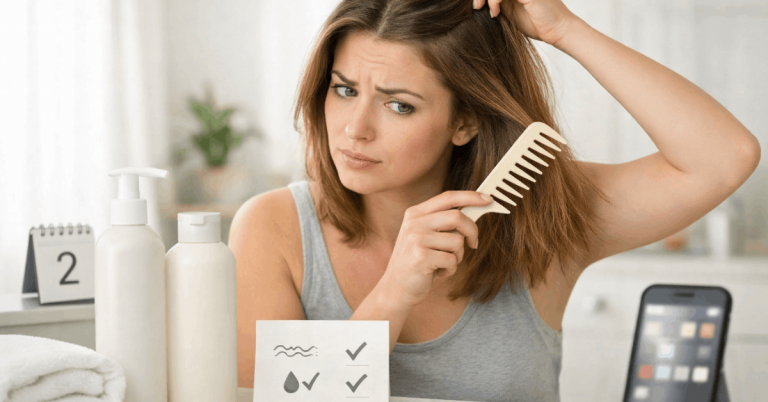
In clean condition, a brush should collect normal shed hairs without excessive short fragments. Numerous tiny snapped pieces signal mechanical breakage, often caused by rough strokes or hard, inflexible bristles.
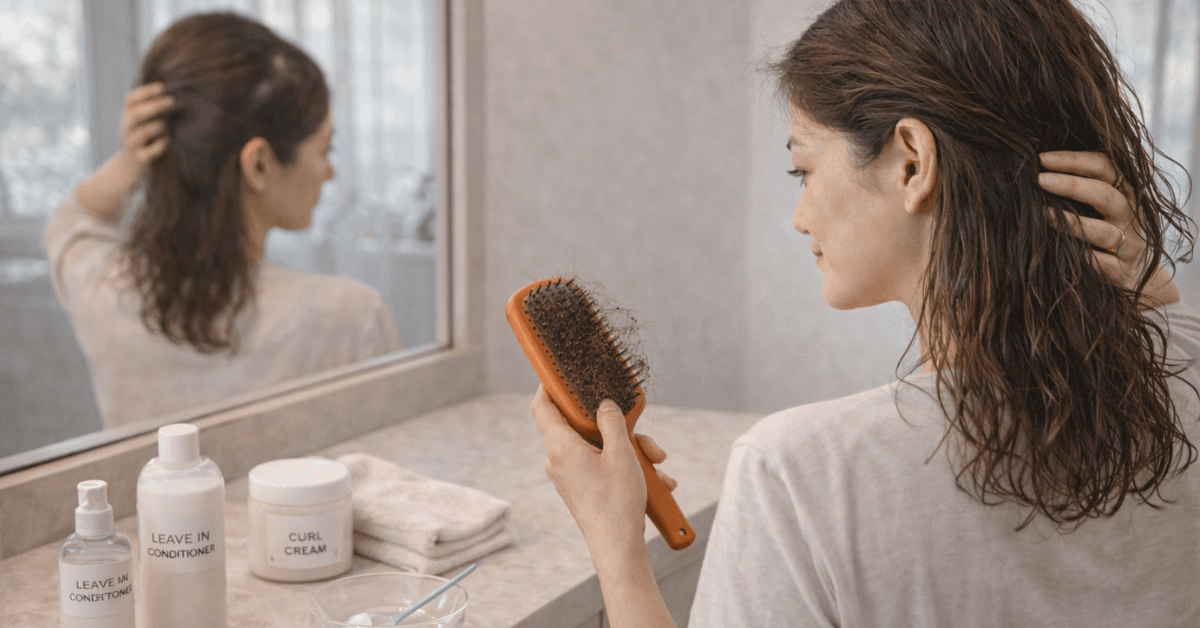
Greasy residue on the pad points to product buildup and infrequent cleaning, which can redeposit film on hair and scalp. Tenderness during brushing suggests either too much tension or an irritated scalp that may need gentler tools and slower passes.
Healthy Brushing
Healthy brushing spreads sebum, the scalp’s natural conditioner, toward the mid-lengths and ends.
When distribution works, lengths feel smoother and look more reflective without appearing oily at the roots. Matte, flyaway ends despite oily roots often indicate poor distribution, not a “dry hair” problem alone.
Core Benefits Of Brushing When Done Right
Clear intent turns brushing into care rather than damage. Handle, bristle type, and stroke length all influence outcomes, especially on wet, fragile fibers.
- Gentle strokes help distribute natural oils along the hair shaft, improving surface smoothness and visible shine.
- Light, consistent passes provide scalp stimulation benefits without scratching, which may support a healthier scalp environment.
- Regular detangling reduces friction between strands, which can reduce hair breakage brushing during styling and sleep.
- Even product spread improves performance for leave-ins and heat protectants, lowering hot-spot damage during blow-drying.
- Routine observation catches early signs of issues such as excessive shedding, flaky buildup, or breakage bands.
How Often Should You Brush
Healthy frequency balances oil distribution, detangling, and mechanical stress. Old rules that encourage counting strokes promote over-handling for many hair types.
A practical cadence is light brushing in the morning for alignment and at night for distribution, adjusting as needed for texture, porosity, and length. Excessive force or rapid, repeated passes drive breakage even when frequency appears modest.
Straight Or Slightly Wavy Hair
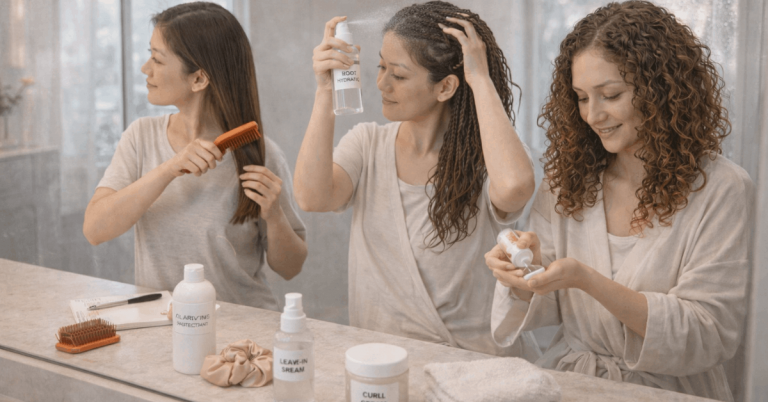
In most cases, light brushing once or twice daily keeps alignment and shine in check. Work in sections, start away from the roots, and avoid yanking through snags. A flexible pad brush or cushioned paddle keeps tension controlled.
Curly Hair
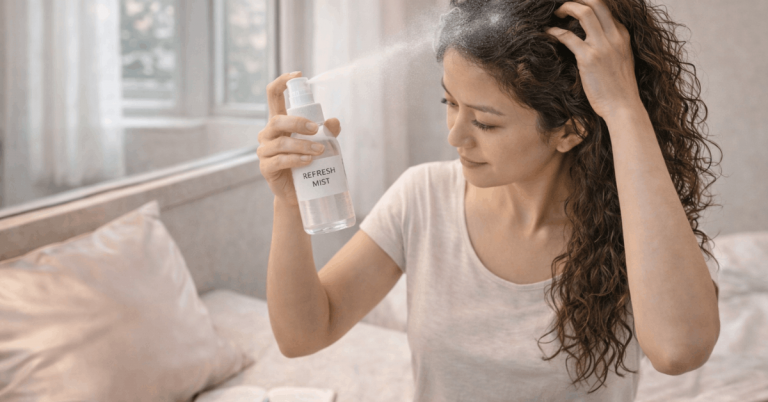
In curl patterns, dry brushing disrupts definition and encourages frizz. Detangle on wash days using slip from conditioner, then reshape curls with fingers or a wide-tooth tool. Between washes, refresh with hands, water, or leave-in rather than brushing.
Fine Or Thinning Hair
In delicate densities, use soft bristles and fewer passes. Lift at the roots with minimal tension to avoid widening part lines. A light nighttime brushing can help distribute natural oils without flattening volume.
How To Brush Wet Hair Without Damage
In a wet state, fibers swell and the outer cuticle lifts slightly, which increases snag risk. Slow pace, generous slip, and short strokes protect the structure while still removing tangles.
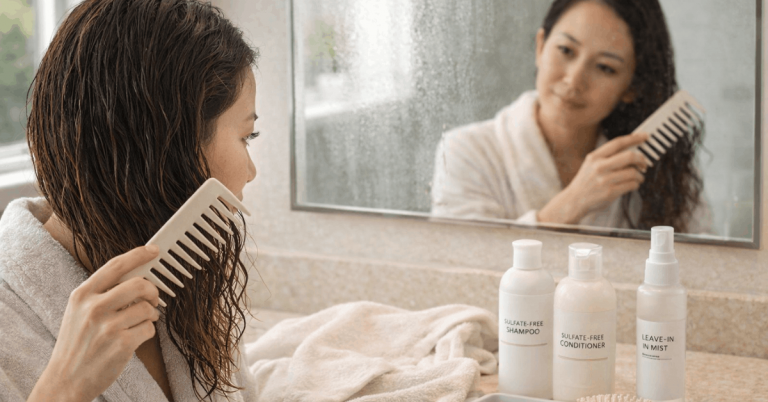
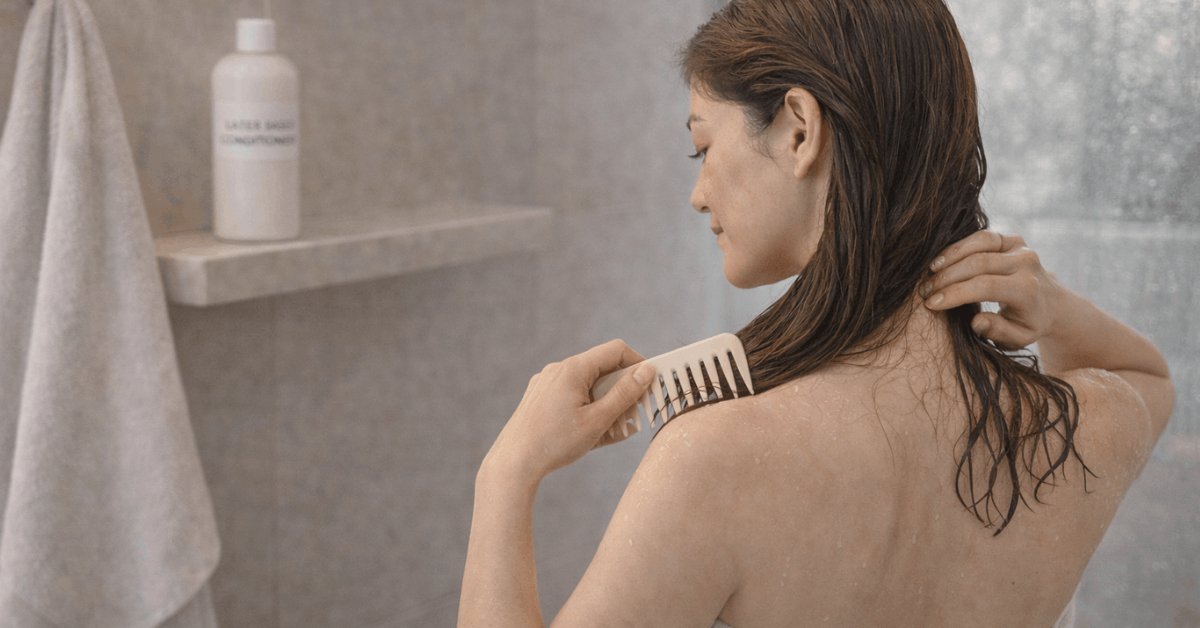
- Start at the ends using a wide-tooth comb for wet hair, working in small sections.
- Add conditioner or a dedicated detangler to increase glide and reduce snagging forces.
- Use short, downward strokes, loosening knots with fingers instead of forcing tools through.
- Move up an inch at a time only after the section below is smooth and free of knots.
- Finish with a few gentle, root-to-tip passes once all sections are detangled.
How To Brush Dry Hair For Less Breakage
In a dry state, hair tolerates more handling, yet leverage still matters. Begin a few inches above the ends, sweep downward, and only then step upward. If a brush catches, remove it, reset the section, and lighten grip.
Segment long hair into two to four zones to reduce repeated passes over the same area. For straightening and smoothing, hold the section lightly and let the brush guide rather than stretch.
Picking The Right Tool For Your Hair
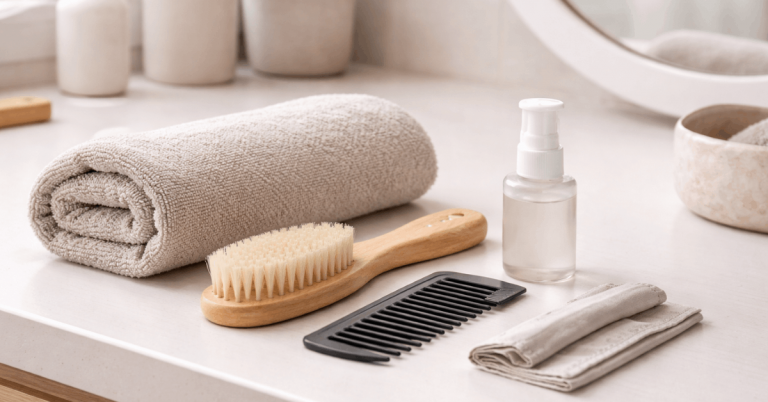
Tool choice changes outcomes even when technique is careful. Flexible cushioned pads, polished tips, and appropriately spaced bristles help limit peak forces on strands.
- Natural-bristle and mixed-bristle brushes can distribute natural oils effectively on straight or wavy hair.
- Flexible pin or cushioned paddles manage long, dense lengths without over-tension; a paddle brush for thick hair offers coverage without digging into the scalp.
- For wet sessions, the best brush for wet hair is often a specialized detangler or a tool labeled as shower-safe, although many will still benefit more from a wide-tooth comb for wet hair.
Popular examples include flexible-pin detanglers and shower-friendly combs, alongside classic paddles from salon brands.
Some consumers favor British-style natural-bristle designs for shine, while others like lightweight detangling brushes for speed. Preferences can vary; test in small sections first to confirm glide and comfort.
Clean Your Brush Like A Pro
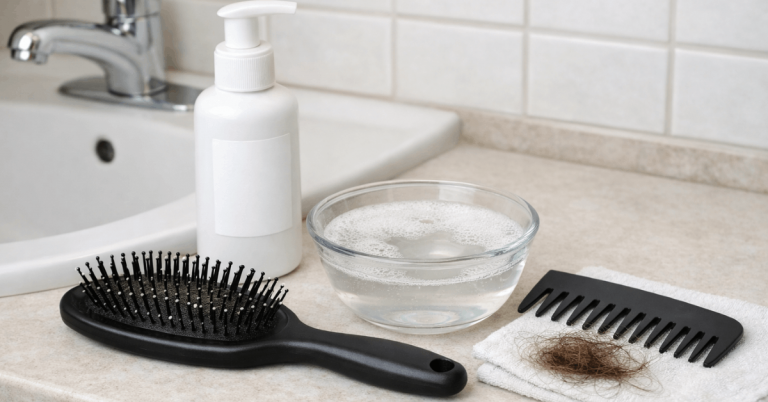
Infrequent cleaning causes residue to travel back onto hair, dulling shine and irritating the scalp. A short, repeatable process keeps tools sanitary and extends their life.
- Pull shed hairs after each use to prevent compaction at the base of bristles.
- Once weekly, soak the bristle area in lukewarm water with a small amount of gentle shampoo.
- Use a soft toothbrush along the pad and between rows to lift residue without scratching.
- Rinse thoroughly, shake off water, and dry bristle-side down on a towel to protect the handle.
Replace tools that lose tips, bend permanently, or scratch the scalp despite careful handling, and maintain a simple brush cleaning routine every week.
A Traditional Chinese Medicine Lens
In Traditional Chinese Medicine, hair reflects internal balance. Practitioners often link hair vitality to the quality of Blood and the functional states of the kidney and liver systems within TCM theory.
Thinning, excessive shedding, or early graying can signal broader imbalances in sleep, stress, or digestion that merit attention.
Dietary patterns that support overall nourishment, such as mineral-rich legumes and sea vegetables, are commonly recommended within this framework, alongside individualized herbal support under professional supervision.
Supportive Care Beyond The Brush
In practical routines, a low-heat approach, consistent use of leave-in conditioners, and occasional masks make brushing safer and more effective.
Research in cosmetic science notes that coconut oil can reduce protein loss in damaged hair fibers, thanks in part to its ability to penetrate the hair shaft.
Applying a small amount as a pre-wash treatment reduces friction during detangling and may improve softness after rinsing. Keep quantities light to avoid residue that can weigh hair down or clog brushes.
When To See A Professional
Increased shedding that persists for several weeks, widening part lines, or patchy loss deserves a medical review. Dermatology professionals can assess for scalp disorders, iron deficiency, thyroid issues, or medication effects.
Sudden loss after illness, pregnancy, or major stress may reflect a temporary shedding state that benefits from supportive care and time, yet still warrants confirmation. Gentle brushing protects what grows, but diagnosis and targeted treatment address underlying causes.
Last Thoughts
In everyday care, technique and tool choice turn brushing into a protective step rather than a source of damage. Light, sectional passes, appropriate tools for wet and dry sessions, and a weekly cleaning habit keep scalp and fibers in better condition.
Pay attention to what collects on the pad, how hair feels after brushing, and how frequently breakage shows. Treat the routine as maintenance for shine, comfort, and long-term resilience rather than a race through knots.