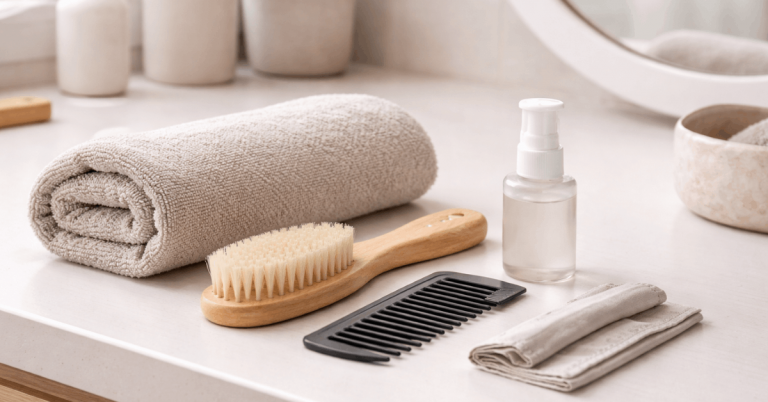
Choosing the right hair brush plays a direct role in how your hair looks and feels each day.
Best hair brushes for daily use focus on practical tools that fit into simple, everyday routines.
You will learn how small brush choices can improve comfort, control, and overall hair care results.
What Makes a Hair Brush Suitable for Daily Use
A hair brush used every day must support comfort, protect hair health, and work consistently without causing strain.
The following points highlight the key features that matter most for regular, everyday brushing.
- A comfortable handle and grip reduce hand and wrist fatigue during repeated use.
- A balanced weight allows easy control without pulling or dragging on the hair.
- Gentle bristles detangle hair without scratching the scalp or causing breakage.
- Flexible bristle movement adjusts to hair thickness, reducing tension while brushing.
- Smooth, rounded tips protect the scalp during frequent daily contact.
- Durable materials maintain performance even with regular use.
Common Hair Brush Types for Everyday Routines
Different brush designs serve different daily needs depending on hair texture, length, and routine.
These are the most commonly used hairbrush types for practical, everyday care.
- Paddle brushes provide quick detangling and smoothing for straight to slightly wavy hair.
- Round brushes support light shaping, volume, and controlled styling during daily routines.
- Vent brushes allow faster drying and lightweight handling after washing.
- Detangling brushes are designed to glide through knots with minimal pulling.
- Cushion brushes offer gentle scalp contact and added comfort during regular use.
Bristle Types Explained
The bristle material affects how a hairbrush interacts with your hair and scalp during daily use.
Understanding the differences helps you choose a brush that balances control, gentleness, and durability.
- Natural bristles help smooth hair and evenly distribute natural oils.
- Synthetic bristles provide effective detangling and consistent performance.
- Mixed bristles combine flexibility and control for versatile daily use.
- Soft bristles suit sensitive scalps and fine hair.
- Firm bristles manage thicker hair with better grip and structure.
Choosing the Right Brush Based on Hair Type
Hair texture and thickness affect how a brush performs during daily use.
Selecting a brush that matches your hair type helps reduce breakage and improve comfort and control.
- Fine or fragile hair benefits from soft, flexible bristles that reduce pulling and limit breakage during brushing.
- Thick or coarse hair requires firmer bristles and wider spacing to move through hair without excessive force.
- Curly or textured hair needs brushes designed to gently detangle while preserving its natural pattern.
- Straight hair works well with paddle or cushion brushes that provide even tension and smooth results.
- Wavy hair responds best to brushes that balance control and flexibility for everyday styling.
Brush Shape and Size Considerations
Brush shape and size influence control, comfort, and overall brushing results. Choosing the right proportions helps your brush work with your hair instead of against it.
- Head size matched to hair length helps balance coverage and precision during daily brushing.
- Smaller brush heads offer better control for short hair or detailed styling.
- Larger brush heads cover more area, reducing time for long or thick hair.
- Longer handles improve reach and stability during use.
- The ergonomic handle length reduces wrist strain during daily brushing.
Daily Brushing Habits That Prevent Damage
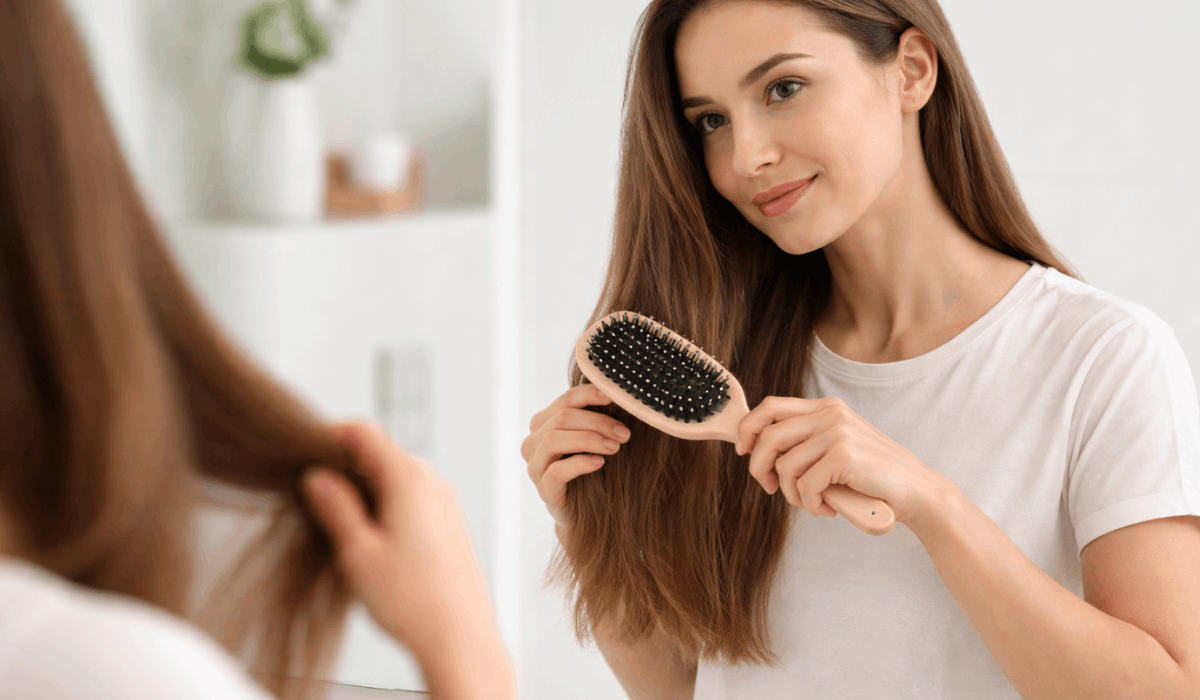
How you brush matters just as much as the brush you use. Proper technique helps limit breakage and protects hair structure over time.
- Brushing dry hair reduces stretching and breakage for most hair types.
- Using caution with damp hair reduces stress on strands when they are more fragile.
- Brushing at consistent times supports routine and reduces overhandling.
- Starting from the ends helps remove knots without pulling at the roots.
- Applying light, controlled pressure protects both hair and scalp.
Brushing and Scalp Health
Daily brushing affects scalp comfort and long-term hair health. Gentle contact supports circulation without causing irritation.
- Light scalp stimulation encourages blood flow without scratching.
- Even pressure distribution prevents sensitive spots and redness.
- Watching for soreness or itching helps identify overuse.
- Reducing frequency or pressure when discomfort appears.
- Adjusting technique to match scalp sensitivity.
Brushing Wet Hair Versus Dry Hair
Hair reacts differently to brushing depending on its moisture level. Understanding these differences helps prevent unnecessary stretching and breakage.
- Brushing wet hair increases the risk of damage because strands are more elastic.
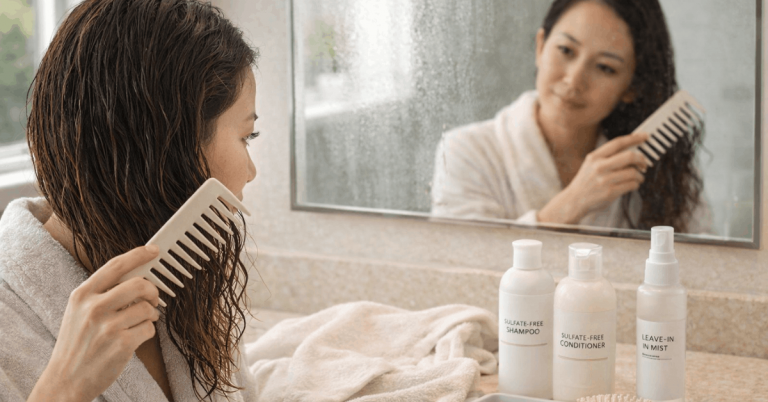
- Using wide-spaced or flexible brushes reduces stress when detangling damp hair.
- Allowing hair to partially dry improves control during brushing.
- Dry hair generally tolerates brushing better with less resistance.
- Adjusting the technique based on moisture levels protects the hair’s structure.
Using Hair Brushes With Styling Products
Daily brushing often goes hand in hand with styling products. Knowing how products interact with brushes helps maintain both hair health and tool performance.
- Brushing after product application can cause uneven distribution.
- Product buildup on bristles reduces brushing effectiveness over time.
- Using a minimal amount of product before brushing improves glide and control.
- Cleaning brushes more often prevents residue transfer to clean hair.
- Choosing product-compatible brushes supports daily routines.
Travel and On-the-Go Hair Brush Choices
Daily hair care does not always happen at home. Travel-friendly brush options help maintain routines outside familiar settings.
- Compact brushes improve portability without sacrificing function.
- Foldable or vented designs reduce bulk and drying time.
- Lightweight materials make brushes easier to carry daily.
- Protective covers help keep bristles clean during travel.
- Choosing durable designs supports frequent transport and use.
Cleaning and Maintaining Hair Brushes
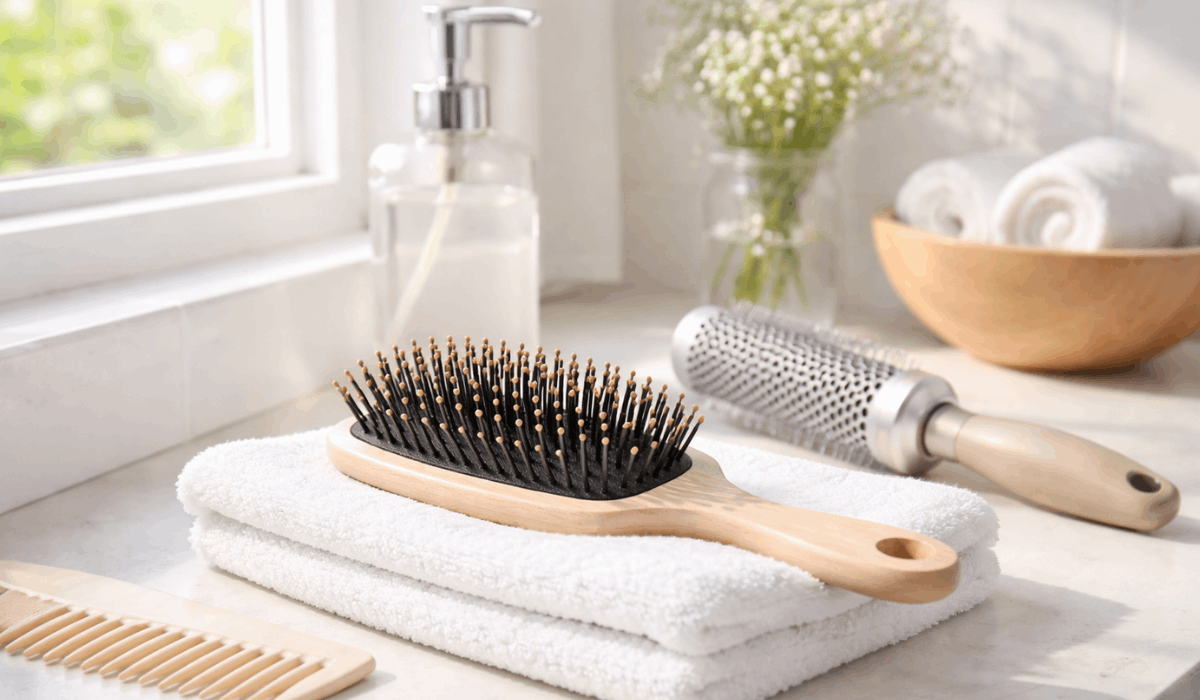
Clean brushes support healthier hair and longer tool life. Regular maintenance prevents buildup from transferring back to your hair.
- Removing trapped hair frequently limits oil and debris buildup.
- Cleaning brushes regularly to remove product residue and skin oils.
- Use simple cleaning routines that fit weekly schedules.
- Allow brushes to air-dry fully to prevent moisture damage.
- Storing brushes in dry, clean areas to maintain hygiene.
When to Replace a Daily Hair Brush
Hair brushes wear down with regular use, even with proper care. Knowing when to replace them helps maintain performance and hygiene.
- Bent or missing bristles reduce effectiveness and increase pulling.
- Loose or damaged cushioning affects control and comfort.
- Changes in brushing feel can signal reduced performance.
- Persistent buildup or odor indicates hygiene concerns.
- Replacing brushes periodically supports healthy daily routines.
Common Mistakes When Using Hair Brushes Daily
Small daily habits can lead to long-term hair and scalp issues. Avoiding common mistakes helps protect hair health.
- Using the wrong brush type causes unnecessary tension and breakage.
- Ignoring hair type needs reduces brushing efficiency.
- Overbrushing throughout the day stresses hair and scalp.
- Brushing too aggressively increases irritation and damage.
- Limiting brushing to what is necessary keeps hair manageable and healthy.
Final Section: Choosing a Practical Brush for Everyday Hair Care
Choosing the right hair brush supports daily comfort, protects hair health, and helps maintain consistent results over time.
Simple choices in brush type, bristles, and technique reduce damage and make everyday hair care easier.
Review your current hairbrush and adjust your routine, if needed, to support healthier daily brushing.