In many homes, Hair Care Routines plateau after a few good months, then slip into inconsistency that frustrates even careful planners. Results change because hair changes, environments shift, and habits drift in small ways that add up.
Treat the routine like a living system that needs periodic diagnosis, not a fixed recipe. Clear inputs, simple measurements, and timely adjustments restore predictable outcomes.
Protective styling without maintenance creates different needs than frequent washing. Seasonal humidity, stress, and water quality further move the goalposts. A reset is less about chasing the newest bottle and more about aligning methods to current conditions.
Why Hair Care Routines Stop Working
Real improvement starts once the cause is obvious, not guessed. Hair responds to hormones, weather, water, and handling. A routine that worked last year may underperform after a climate move, a new workout schedule, or a stretch of high stress that nudged shedding or frizz.
Seasonal and Environmental Shifts
Humidity swells the cuticle and amplifies frizz, while dry, heated air pulls moisture out and leaves strands brittle. UV exposure fades color and weakens bonds over long, unprotected periods. Hard water minerals bind to hair, reduce slip, and make conditioners feel ineffective.
Hormones, Stress, and Aging
Shifts in hormones or extended stress cycles alter density and oil production, which changes how often cleansing is required.
Aging gradually modifies texture, porosity, and shine, so the same products may need different frequencies or pairings. Consistent sleep and nutrition stabilize results more than any single bottle.
Habit Drift and Technique
Rushed detangling, aggressive towel rubs, and hotter dryers quietly increase breakage over weeks. Product layering that looked fine in month one can become sticky buildup in month three. Small lapses compound, so technique matters as much as product choice.
Diagnose The Real Problem
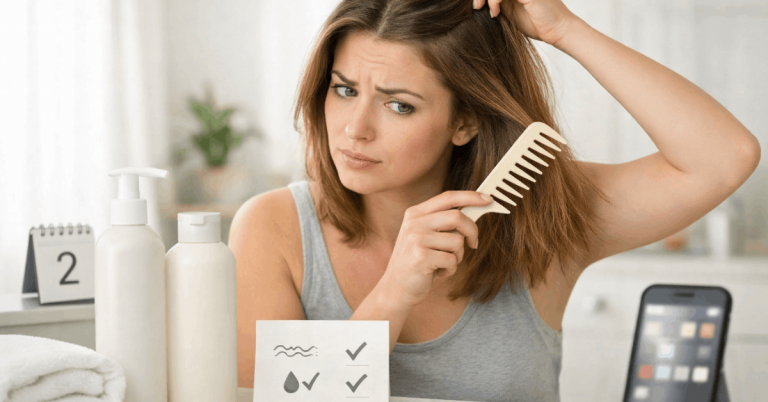
Effective fixes start with measurement, not guesswork. Keep a simple hair journal to track products, amounts, timing, and weather. Note how hair feels at roots, mid-lengths, and ends, then match that to how it behaves once dry and on day two.
Clarify what the scalp feels like after a full week, since flakes can signal dryness, buildup, or both. Observe whether hair resists water during wash, which hints at residue.
Consider a quick porosity test using a clean strand in water as a rough indicator of how quickly hair absorbs moisture. Results inform the product order and drying approach more than marketing claims do.
Reset Your Routine Step By Step
Clear structure makes the reset repeatable and easy to evaluate across two or three wash cycles.
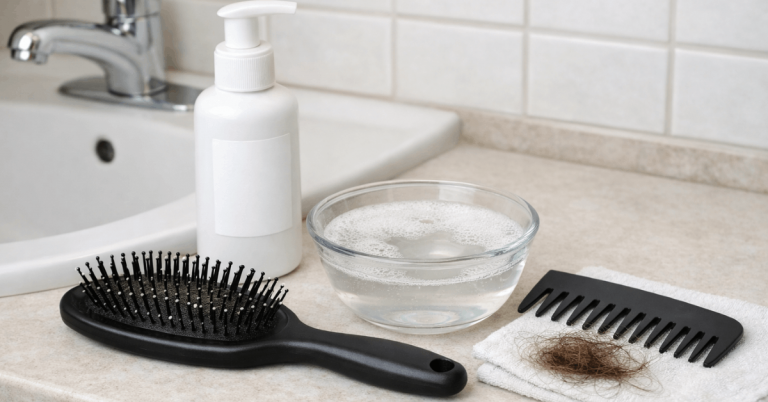
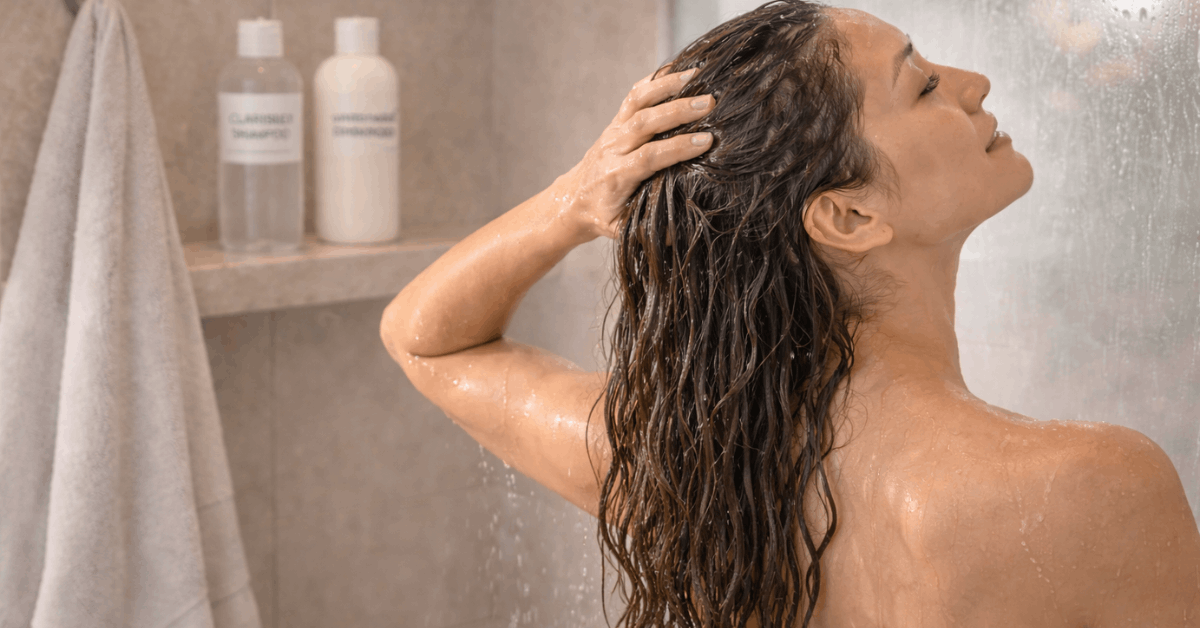
- Remove residue first: Use a chelating or clarifying formula to address hard water minerals and product film. Space this step every two to four weeks unless heavy swimming, heavy styling, or very hard water requires a slightly shorter interval.
- Rebalance moisture next: Choose a water-based conditioner that melts knots without heavy oils, then add a light leave-in to improve slip and flexibility. Seal lightly if ends feel rough, focusing on the last third of the hair.
- Reintroduce protein strategically: Treat protein as a strength booster, not a daily habit. Rotate a light protein mask if hair feels overly soft, stretchy, or breaks during detangling, then watch how the next two washes behave.
- Simplify styling layers: Pair one leave-in with one styler for two full washes to isolate effects. Reduce heavy creams if hair feels coated, and avoid stacking multiple anti-frizz serums that duplicate silicone content.
- Log settings and tools: Lower dryer heat, add a diffuser or nozzle, and keep the airflow moving rather than parked in one spot. Microfiber towels or cotton T-shirts reduce friction compared to terry cloth.
Products and Compatibility: What To Keep, What To Change
Thoughtful selection beats constant switching. Each formula solves a specific job, and the order matters as much as the label.
Water-Based Versus Oil-Based Choices
Hydration comes from water and water-loving ingredients, not oils alone. Oils help slow moisture loss but cannot hydrate on their own. If hair drinks leave-ins and still feels parched, the base routine likely needs more water-based layers and fewer heavy occlusives that block absorption.
Protein Moisture Balance
Protein fills weak points in the cuticle and improves elasticity when used in moderation. Excessive protein can make hair feel stiff and prone to snapping, while excessive moisture creates mushy, stretchy strands. Treat protein moisture balance as a moving target that you steer with small rotations rather than big swings.
Clarifying Shampoo Routine
Scheduled clarification prevents dullness and restores slip to conditioners that previously worked well. Keep a clarifying shampoo routine flexible, adjusting cadence for swim season, heat styling periods, or weeks of heavier styling products.
Product Buildup Removal
Residue from silicones, heavy butters, and sprays accumulates gradually, especially when layered often. Product buildup removal improves shine, reduces tangles, and lets leave-ins penetrate more effectively. Clarifying is most effective when followed by a nourishing conditioner that restores glide.
Adjust For Lifestyle and Styling
Small lifestyle patterns change what hair needs week to week. Routine success depends on fitting care into reality rather than forcing reality into care.
Protective Styles Maintenance
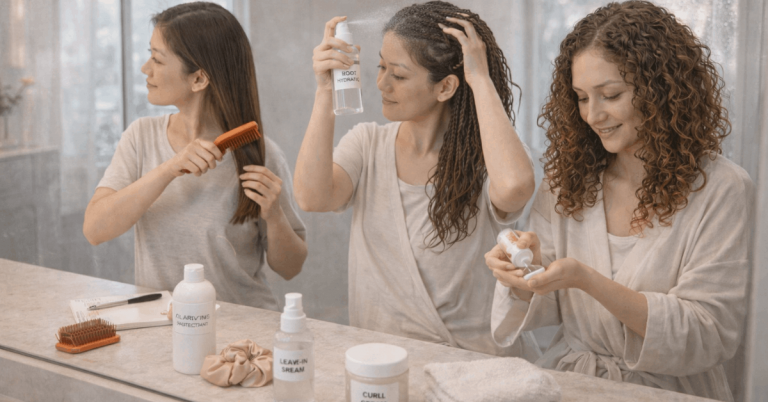
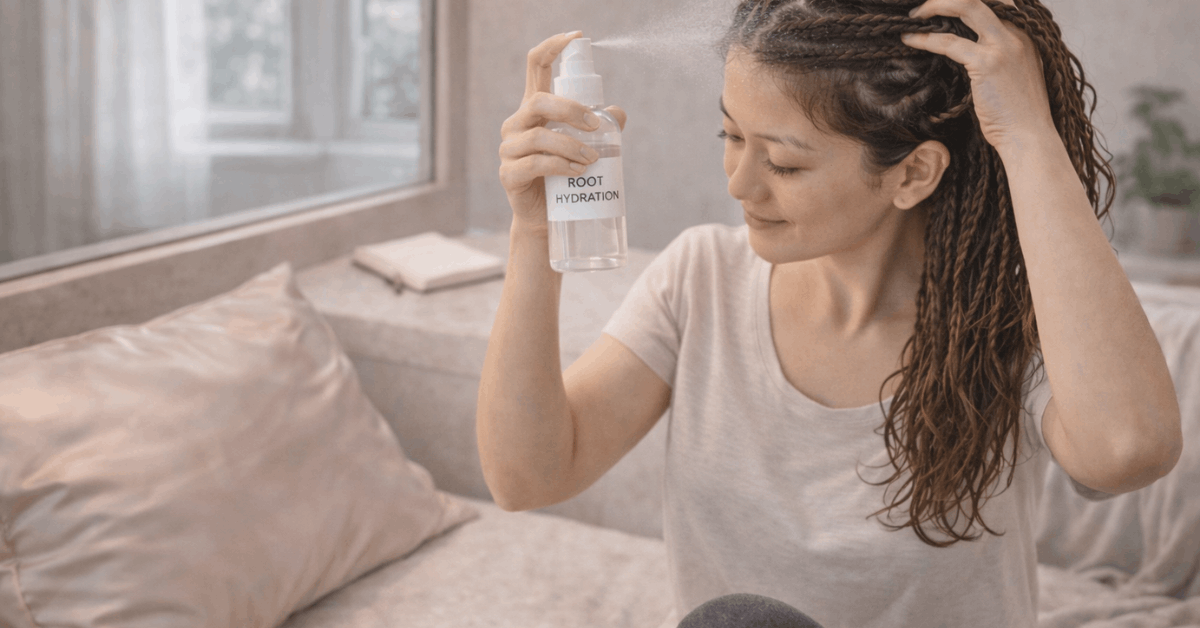
Long-wear protective looks safeguard ends, yet they still require scalp care, lightweight hydration, and edge protection. Protective styles maintenance includes gentle cleansing between installs, leave-in mists that do not twist hair tight, and a realistic removal schedule to avoid matting at takedown.
Exercise, Sweat, and Headwear
Frequent workouts increase salt on the scalp and along hairlines. A quick rinse or co-wash midweek restores comfort without a full shampoo. Looser headbands relieve friction, and satin or silk liners inside helmets reduce roughness on edges.
Travel, Climate, and Water Changes
Trips introduce new humidity, temperature, and water chemistry. A carry-on kit with a travel clarifier, a dependable leave-in, and a familiar styler prevents surprise bad hair days. Short adjustments to drying time and gel amount usually handle different climates well.
When Professional Support Helps
Skilled eyes spot shifts in density, scalp flaking patterns, and cuticle wear that are hard to evaluate alone. A stylist trained in scalp health can separate dry flakes from product residue and suggest targeted treatments.
Bond-building services help when lightening or frequent heat has weakened tensile strength. A trim schedule that respects growth rate and style goals prevents split ends from traveling up the shaft.
Consultation notes belong in the same journal as products and weather, since repeatable data supports better choices over time.
Quick Symptom-To-Fix Guide
A compact reference helps match what you see to what you change during the next wash.
| Symptom On Wash Day | Likely Cause | Fast First Fix |
| Hair feels coated, resists water | Residue or hard water minerals | Clarify once, then deep condition |
| Frizz spikes as hair dries | Humidity swelling or poor seal | Add light gel, reduce heavy creams |
| Stretchy, mushy breakage | Moisture overload | Rotate in a light protein mask |
| Stiff, squeaky strands | Excess protein | Increase water-based hydration, pause protein |
| Roots oily, ends dry | Scalp imbalance and product layering | Shorter wash cadence, lighter leave-in on roots |
Maintenance Habits That Keep Results Consistent
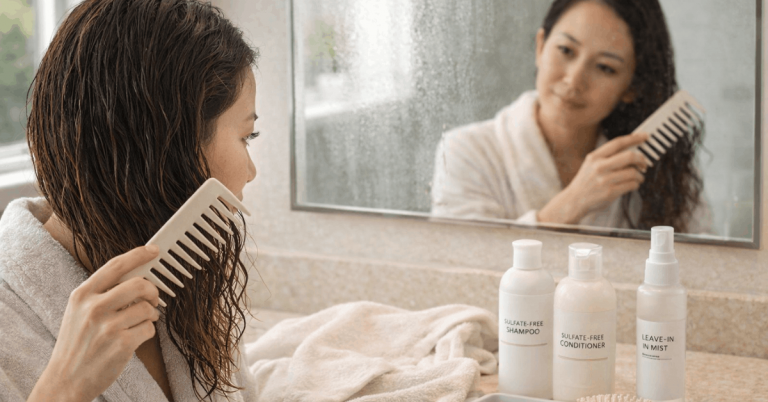
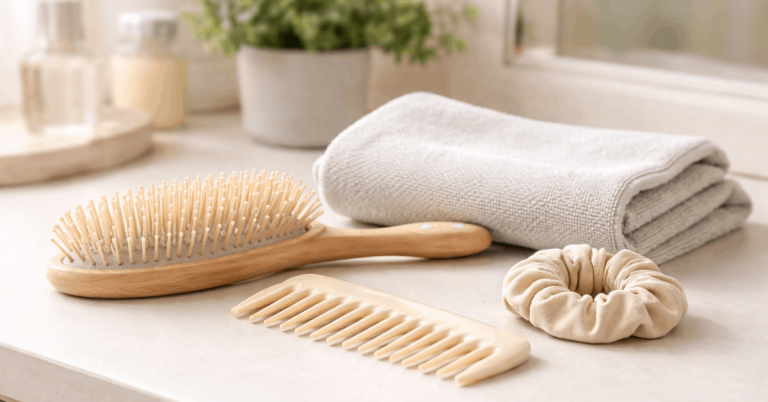
Simple habits preserve gains after the reset. Satin or silk pillowcases reduce friction at night and help styles last longer. Wide-tooth combs or fingers outperform small brushes during detangling, and patience during rinse-out preserves slip.
Heat styling damage drops when temperature, tension, and time are all minimized, and when thermal protectants are applied evenly to damp hair rather than in a rush at the end. Real consistency comes from small, boring wins repeated over months.
Practical Journal Template
Clean notes remove guesswork and speed up the next adjustment. A minimal template keeps entries short while capturing the variables that matter.
- Date, weather notes, and humidity range at your location.
- Products used, amounts, and order, including any masks or treatments.
- Tools and settings used during drying or heat styling.
- Day-of and day-two observations at roots, mids, and ends.
- Any lifestyle factors that changed that week, such as travel or workouts.
- Continuous tracking turns vague impressions into patterns that are easy to fix quickly.
Conclusion
Treat hair care like a living system that needs light, regular tuning. Keep tracking products, weather, and technique so patterns surface quickly and fixes stay targeted.
When results drift, clarify, rebalance moisture, and rotate protein in small, measured steps. In weeks packed with workouts, travel, or protective styles, adjust cadence and slip rather than chasing new bottles.
Consistency grows from simple habits, timely trims, and the occasional check-in with a trained stylist.