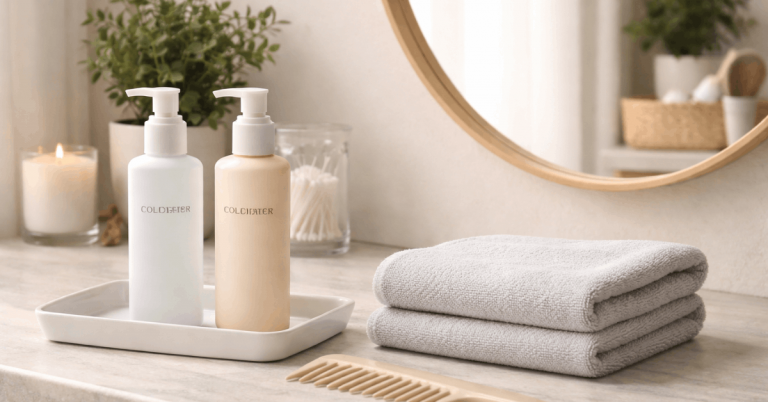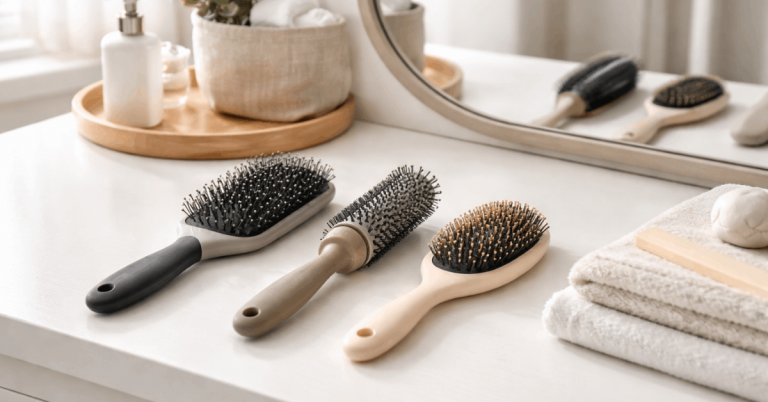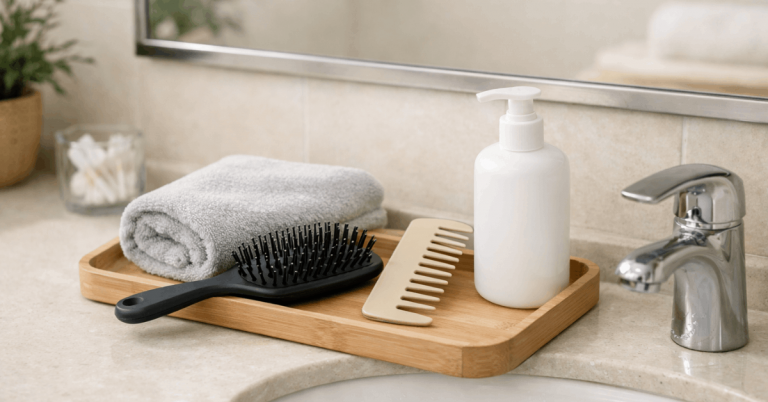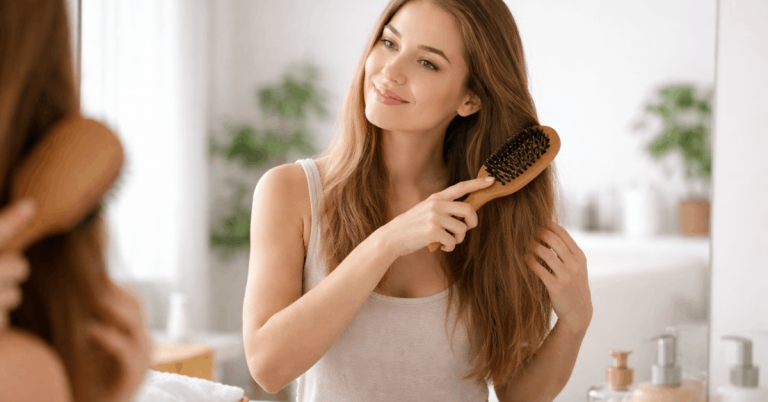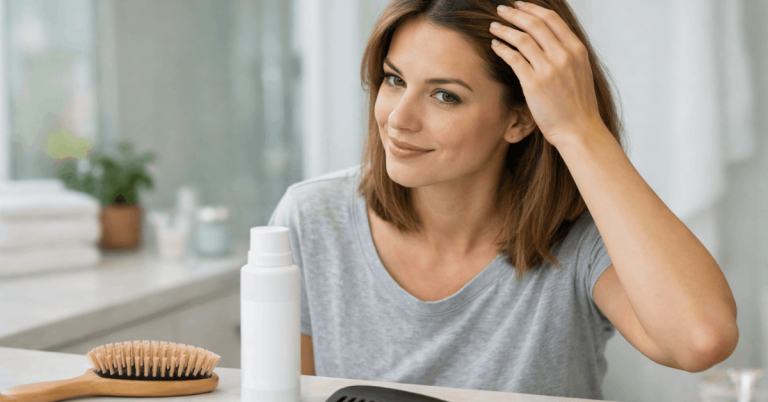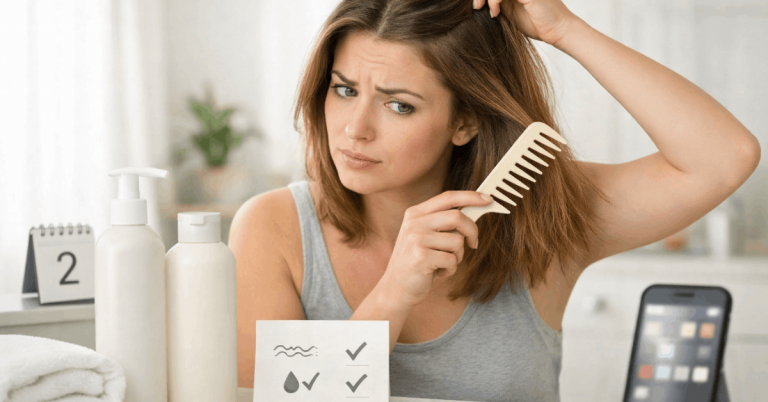
In humid air, dry hair swells as the cuticle lifts and grabs moisture, which makes frizz visible from root to tip. Practical ways to Reduce Frizz With Simple Habits start with moisture management, gentler cleansing, and smarter heat use rather than quick fixes that backfire.
Consistent care keeps cuticles flatter, improves shine, and reduces breakage that fuels flyaways over time. In hair science terms, the cuticle is a shingle-like outer layer that opens when pH skews alkaline or when strands are dehydrated.
Alkaline shampoos, high-alcohol styling products, and aggressive heat strip moisture and raise those scales. Acidic care, cooler rinses, and protective products help the cuticle lie flatter, which smooths texture and resists humidity better.
What Causes Frizz and Why Humidity Makes It Worse
Frizziness usually indicates dryness and a disrupted cuticle that no longer seals smoothly along the shaft. In sticky climates, airborne water pulls into the fiber, which expands the cuticle and makes strands lift away from their neighbors.
Raised cuticles scatter light, reduce slip, and increase tangling, which reads as dullness and halo frizz. Healthy hair tends to live near an acidic pH of roughly 4.5 to 5.5, which helps the cuticle remain compact and aligned.
Harsh cleansers such as sodium lauryl sulfate, high-hold alcohol gels, and daily hot tools all push hair toward dryness, making the frizz cycle repeat. Gentle surfactants, leave-in conditioning, and moderated heat settings shift the balance toward smoothness while preserving internal proteins.
Daily Basics To Reduce Frizz With Simple Habits
Daily routines either protect the cuticle or rough it up, so small choices matter across weeks.
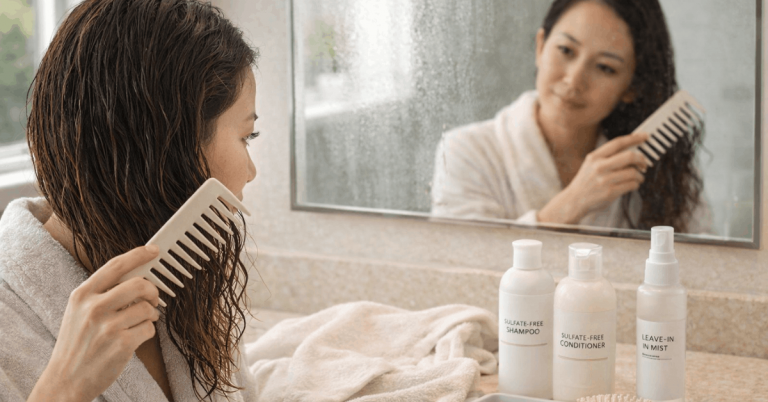
- Switch to a mild, sulfate-light formula, and space washes to avoid over-cleansing, then condition every wash from mid-lengths to ends. Building a sulfate-free shampoo routine supports moisture balance while reducing cuticle lift.
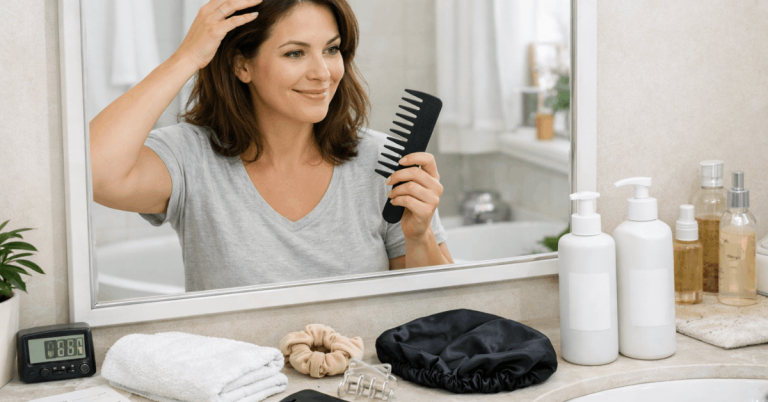
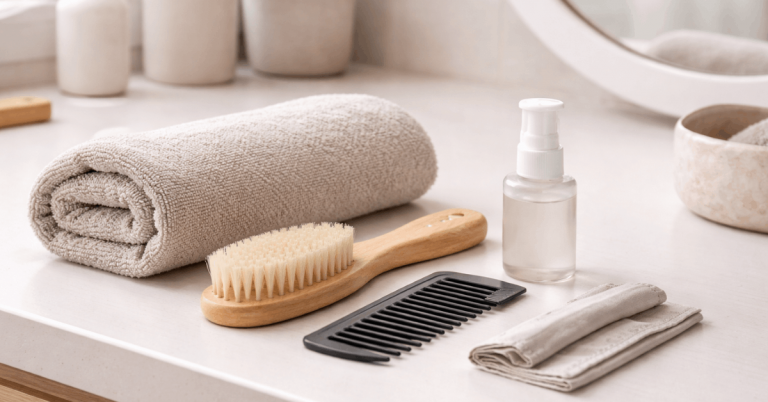
- Blot rather than rub after a shower using a microfiber towel or a soft cotton T-shirt, then detangle with a wide-tooth comb starting at the ends. Rough towel friction creates micro-lifts that feed halo frizz later in the day.
- Rinse on the cooler side and finish with a quick, cool shot after blow-drying, since lower temperatures help the cuticle lie flatter. A brief cool step also helps set shape without extra products.
- Work a light leave-in on damp hair for slip and humidity resistance; comparison shopping using the phrase Best leave in conditioner can surface options suited to your texture. Focus the application on mid-lengths downward to avoid scalp buildup.
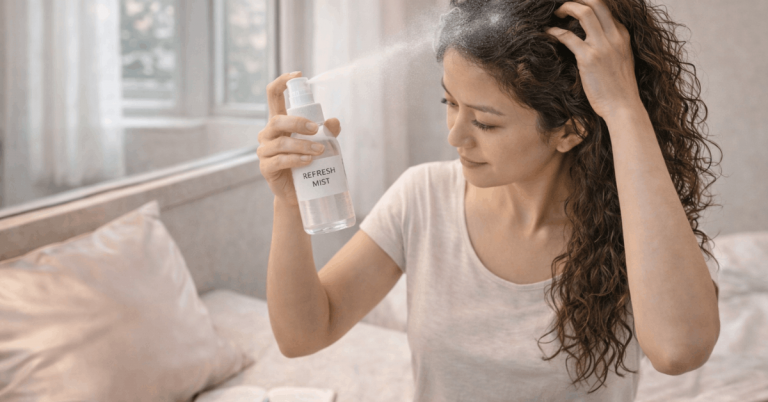
- Sleep on a smooth pillowcase and loosely secure hair to limit overnight friction, then refresh in the morning using a light mist and a pea-size leave-in rather than a full rewash.
Home Remedies That Add Moisture
Some kitchen-cabinet ingredients can support conditioning when used correctly and thoughtfully. Expectations should stay realistic, evidence varies, and patch testing is wise for reactive scalps or sensitive skin.
Keep applications modest, cleanse fully afterward, and stop any remedy that causes irritation. Consistency beats occasional heavy treatments that flatten hair or create residue.
Apple Cider Vinegar Hair Rinse
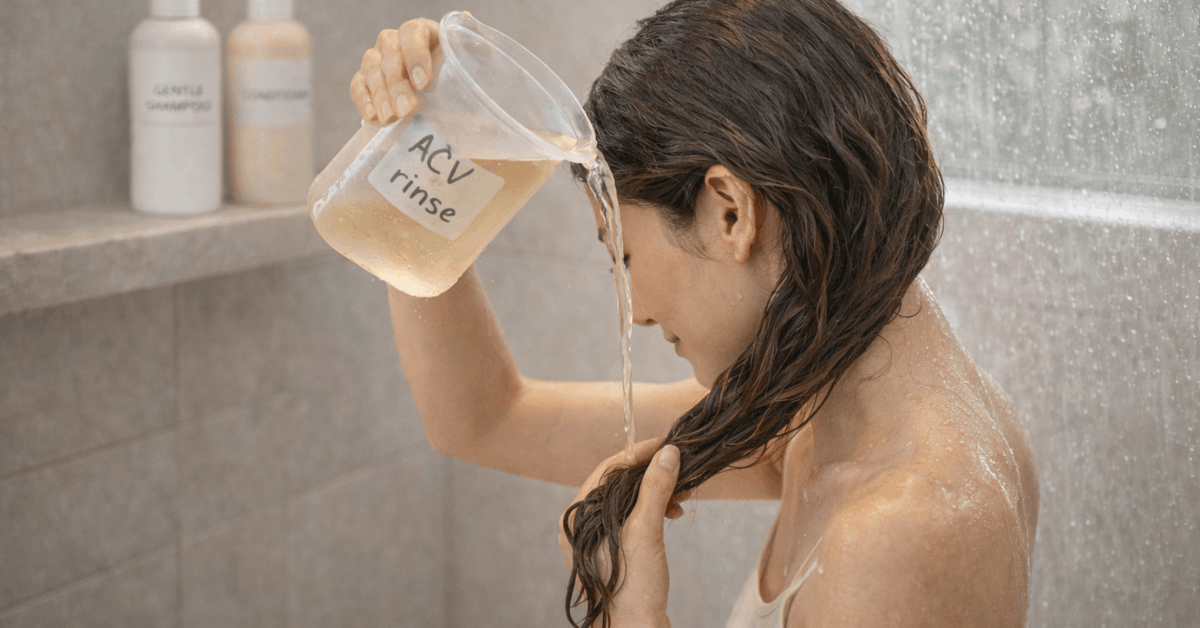
Healthy cuticles prefer mildly acidic environments, and apple cider vinegar provides gentle acidity that can help smooth frayed scales. Mix one-third cup of apple cider vinegar into one quart of warm water, then saturate clean hair and wait one to three minutes.
Rinse with cool water and air-dry or diffuse on low to medium heat. Use the Apple cider vinegar hair rinse once or twice weekly, and discontinue if dryness or irritation appears.
Coconut Oil Hair Mask
Coconut oil contains lauric acid, which penetrates more readily than many oils and can reduce protein loss during washing. Warm a small amount between palms, apply through mid-lengths and ends, and leave on for fifteen to thirty minutes.
Shampoo thoroughly until hair feels clean and light, avoiding heavy residue that weighs curls flat. An occasional Coconut oil hair mask overnight works for some textures, though pillow protection is practical to prevent stains.
Argan Oil For Frizz
Argan oil supplies fatty acids and vitamin E that support softness and shine, yet a few drops go far. Apply sparingly to damp hair as a finishing step, then distribute evenly using fingers or a wide-tooth comb.
Mid-lengths and ends welcome emollience, while roots tend to look greasy if over-applied. Using Argan oil for frizz between wash days can control halo fuzz without resorting to heavy gels.
Avocado Mask For Hydration
Ripe avocado offers oils and vitamins A and E that can support softening when combined with a transport oil. Mash a medium avocado until smooth, blend with two to four tablespoons of coconut oil, and apply generously.
Cover with a cap for twenty to thirty minutes, then shampoo until the water runs clear and the strands feel clean. Repeat weekly if hair tolerates masks well and needs extra slip.
Egg Mask: Use Caution
Egg blends provide fats and proteins that some users report as shine-enhancing, though published evidence is limited. Whip two eggs until frothy, apply over scalp and hair, cover for fifteen minutes, and rinse cool before shampooing to avoid cooking proteins.
Allergy risk exists, so skip entirely if egg sensitivity is present or suspected. Mixing one egg with a teaspoon of argan or coconut oil changes glide yet still requires thorough cleansing.
Products That Help Without Harsh Ingredients
Product selection can make or break a smoothing routine since some formulas lock moisture while others strip it quickly. Labels that avoid strong sulfates and excessive drying alcohols usually treat the cuticle more kindly across repeated washes.
Building a sulfate-free shampoo routine helps preserve color, reduce porosity spikes, and stabilize shine. Ingredient lists vary widely, so start with trial sizes until performance proves consistent across several humid days.
Hair Serum
Silicone-based or lightweight polymer serums coat strands, reduce friction, and buffer humidity, which improves alignment and shine. A pea-size amount on damp hair often suffices for shoulder-length textures; adjust for thicker or longer hair.
Examples like John Frieda Frizz Ease Extra Strength serum illustrate how a small dose creates glide without stiffness. For humid seasons, combine a serum finish with Hydration-first styling and practical Humidity-proof hair tips such as protective styles and hats.
Leave-In Conditioner
Leave-ins add slip, manageability, and humidity resistance without requiring another rinse step, which simplifies maintenance. Apply a small amount to damp hair and comb through evenly, focusing on mid-lengths and ends rather than roots.
Shopping guides and peer reviews under the phrase Best leave-in conditioner can help narrow down textures and budgets quickly. Excess product can mute volume, so scale back until hair feels smooth yet light.
Hair Mask
Weekly masks deliver concentrated conditioning that fills in surface roughness and improves combability after rinsing. Options like Aveeno Oat Milk Blend overnight hair mask demonstrate gentle, sulfate-free formulas that focus on softness and resilience.
Coat evenly, wait the indicated time or sleep in a protective cap if the product allows overnight use. Clarify occasionally if buildup dulls shine or reduces bounce, then return to regular conditioning afterward.

Heat, Humidity, and Exercise: Practical Protection
Heated tools weaken keratin bonds gradually, so restraint prevents cumulative dullness and snapping at the ends. Set blow-dryers and irons to the lowest temperature that still shapes your style, then move steadily rather than parking in one spot.
Heat protectants reduce surface temperature and help reduce heat styling damage, which extends the time between trims. Air-dry whenever possible, then finish with a brief cool blast to seal the shape.
Hats and Light Scarves
Stormy days require both products and simple barriers to reduce moisture uptake that re-lifts the cuticle. Hats and light scarves physically block damp air, while leave-in serums or creams add a thin shield against swelling.
Protective hairstyles reduce exposed surface area and limit friction during movement, which helps styles last longer. Consistency across these steps becomes an anti-frizz hair routine that works in real weather, not perfect conditions.
Using Soft Headband or Loose Braid
Active lives challenge smooth styles through sweat, friction, and frequent cleansing that removes helpful oils. During workouts, use a soft headband or a loose braid to reduce rubbing, then cool and air-dry roots before restyling.
Swimming introduces chlorine or salt that raises frizz; pre-wet hair, apply a small conditioner layer, and use a cap when possible. Clarify gently after pool sessions, then add leave-in to restore slip without excessive weight.
Weekly Care and Long-Term Maintenance
Masking once weekly maintains softness while keeping cuticles smoother across busy schedules and weather swings. Trims every eight to twelve weeks remove splitting ends that otherwise travel upward and increase flyaways and roughness.
Balanced meals that include adequate protein, healthy fats, and micronutrients support stronger hair growth over months. Scalp care matters as well, since persistent flaking and irritation disrupt roots and can worsen breakage during detangling.
Looking Out for Ingredients
Ingredient awareness prevents unintended dryness that unravels progress during seasonal shifts or travel. Clarifying occasionally removes residue that dulls shine, yet harsh clarifiers belong in the rare-use category for most textures.
Alcohol-heavy sprays and very alkaline shampoos trade short-term volume for long-term dryness that fuels frizz faster. Gentle routines nearly always outperform aggressive fixes because cuticles prefer stable, predictable environments.
When To Ask a Professional
Persistent frizz that resists reasonable care may signal high porosity, chemical damage, or scalp conditions that deserve expert evaluation.
Dermatologists and trichologists can assess breakage, dandruff, or dermatitis and recommend medical-grade options when appropriate. Patch testing helps rule out contact reactions to oils, fragrances, or preservatives that feel fine initially yet irritate later.
Consultation also helps calibrate heat practices and correct product combinations that conflict silently.