In most routines, hair looks its best when natural scalp oils are respected instead of erased. Avoiding overworking your hair daily points to a simple truth: aggressive washing habits often strip sebum, the protective oil that adds shine and pliability.
Excess detergent, high heat, and constant manipulation leave strands rough, dull, and harder to style. Sensible tweaks reduce damage while keeping the scalp clean enough for comfort and hygiene.
Frequency depends on hair type, oil production, environment, and styling habits. Shampoo remains useful, although technique matters as much as timing. A practical target is to cleanse once hair feels oily or unclean to the touch, then balance moisture through appropriate conditioning.
What Overworking Your Hair Really Means
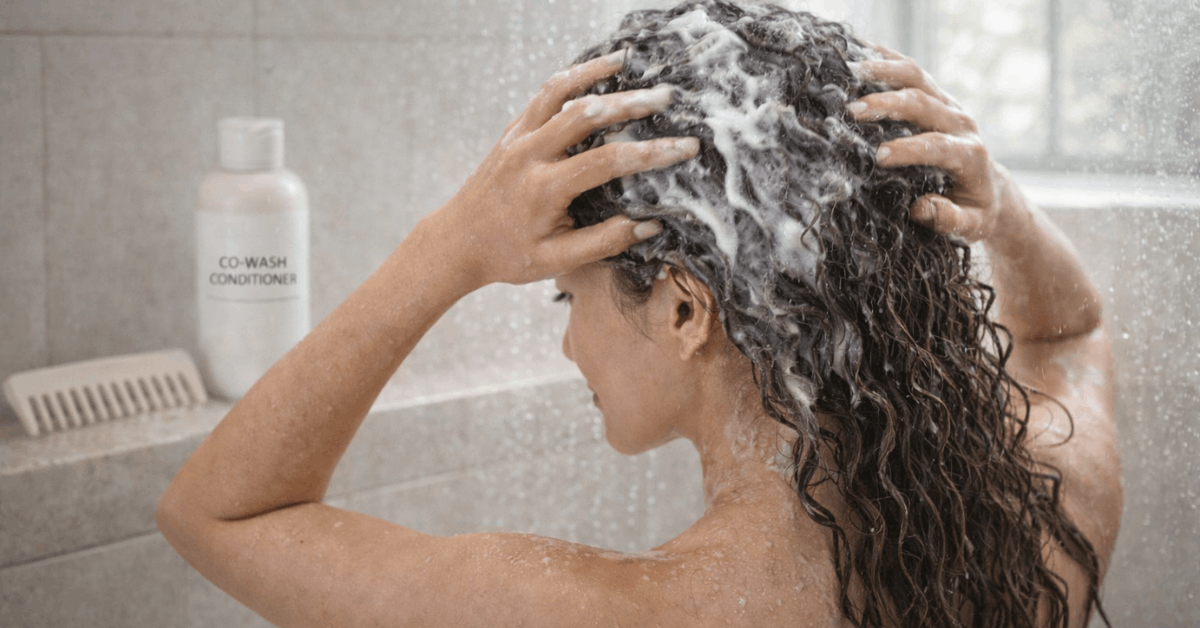
Overworking starts when cleansing outruns oil replacement and moisture care. Frequent use of astringent shampoos, vigorous scrubbing along the entire length, scalding water, and daily hot-tool styling can exhaust the cuticle.
Once the cuticle lifts, frizz increases and ends split more easily, so damage compounds over weeks rather than days. A quieter version shows up as difficult styling, static, and ends that snag during combing.
How Often To Wash: The Variables That Matter
Small changes in biology and lifestyle shift the ideal schedule. Expect different needs across seasons, climates, and work routines. A balanced plan considers oil output, hair architecture, sweat exposure, physical debris, and product load.
Oil
Sebum defines what most people call dirty hair because oil collapses volume and holds dust. Production varies with age, hormones, genetics, and climate.
Teens and adults through their thirties usually make more sebum than older adults, so wash cadence often decreases with age. A lighter hand suits fragile or chemically treated strands that cannot tolerate daily detergents.
Type Of Hair
Straight and fine hair shows oil quickly because sebum travels easily along smooth shafts. Wavy hair sits between oily and dry, so spacing washes every two or three days often works.
Curly and coily hair runs drier because oil moves slowly along bends and coils, so it benefits from less frequent washing and more conditioning.
For tight curls and textured patterns common in African-descended hair, dermatology groups advise weekly or every-other-week cleansing, then robust conditioning to protect the fiber.
Sweat
Workouts, hot weather, and helmets spread oil and salts across the scalp. Rinsing or light cleansing after heavy sweat keeps odor down and relieves itch. Consistent hat or helmet use also traps humidity, so aim for a gentle shampoo on days with prolonged wear.
Physical Dirt Or Pollen
Gardening, dusty workspaces, or high-pollen days justify an extra cleanse or at least a thorough rinse. Particulates blunt shine and can aggravate allergies when they sit close to the scalp.
Styling Products
Gels, sprays, creams, and dry texturizers leave residues that irritate some scalps and weigh hair down. Heavier use requires more frequent clarifying, although harsh clarifiers should be rotated rather than used daily.
Recommended Wash Frequency By Hair Type
A short table helps set expectations, not rigid rules. Adjust within each range as seasons, sweat, and product use change.
| Hair Type | Typical Sebum Behavior | Suggested Frequency Range |
| Straight or Fine | Oil spreads quickly along the shaft | Daily to every 2 days |
| Wavy | Moderate oil spread, moderate dryness | Every 2 to 3 days |
| Curly | Oil moves slowly, fiber runs drier | Once or twice weekly |
| Coily or Tight Curls/Textured | Prone to dryness and breakage | Weekly or every other week |
| Color-Treated or Damaged | Compromised cuticle, needs moisture | Every 2 to 5 days, gentle |
Signs You are Washing Too Much
Short signals steer quick course corrections and protect the cuticle before breakage escalates.
- Persistent flaking, itch, or tight scalp after cleansing suggests barrier disruption rather than simple dandruff.
- Ends feel rough, catch on combs, and lose elasticity during gentle stretch tests.
- Hair frizzes and looks matte even after blowouts or heat styling at low settings.
- Styles collapse within hours because the fiber lacks natural slip and flexibility.
- Increased static and knots appear despite careful detangling and wide-tooth combs.
Smarter Washing and Conditioning
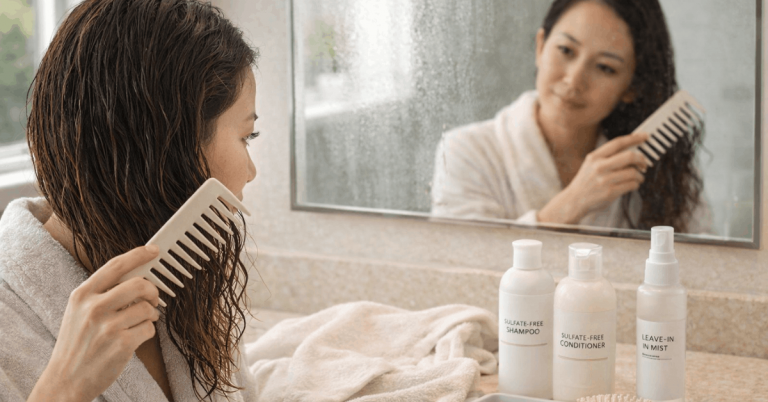
The technique reduces damage even when the frequency stays unchanged. Apply shampoo only to the scalp and roots, then let the suds pass over the mid-lengths and ends during rinsing.
This approach delivers targeted cleansing where oil, sweat, and dead skin collect while sparing fragile ends, matching dermatologist advice to shampoo only the roots. Temperatures should stay warm rather than hot to avoid extra drying.
Conditioner deserves the same precision:
- concentrate on mid-lengths and ends for straight or
- fine hair, and consider scalp-to-ends coverage for dry, curly, or coily patterns.
Many people benefit from a silicone-free conditioner when following a minimal-detergent plan, since certain silicones accumulate without periodic clarifying.
Alternative Methods: What Works and What To Watch
Several approaches can reduce detergent exposure. Each method solves a specific problem and carries trade-offs that matter in daily life.
Dry Shampoo
Dry powders and sprays absorb surface oil, add grip, and extend styles. Results help on busy weeks, travel days, or between gym sessions, which is why many rely on dry shampoo between washes. These products do not truly clean, so include regular water cleansing to remove residue and scalp flakes.
Co-Washing
Co-washing is a cleansing routine that uses a conditioner or a dedicated detergent-free cream. The method suits curly, wavy, and dry hair that loses softness after frequent shampoos.
Product selection matters: avoid conditioners loaded with non-evaporating silicones when skipping traditional shampoo, since buildup can leave hair limp and dull. Scrub the scalp thoroughly, comb through, let it sit briefly, then rinse until the water runs clear.
Water Only
Water removes sweat, salt, and visible dirt while keeping routines minimalist. Enthusiasts of the water-only washing method often report calmer curls, although evidence remains limited. Many still pair water rinses with periodic gentle shampoo or scalp-safe cleansers to manage odor and biofilm.
Workout, Hats, and Polluted Days
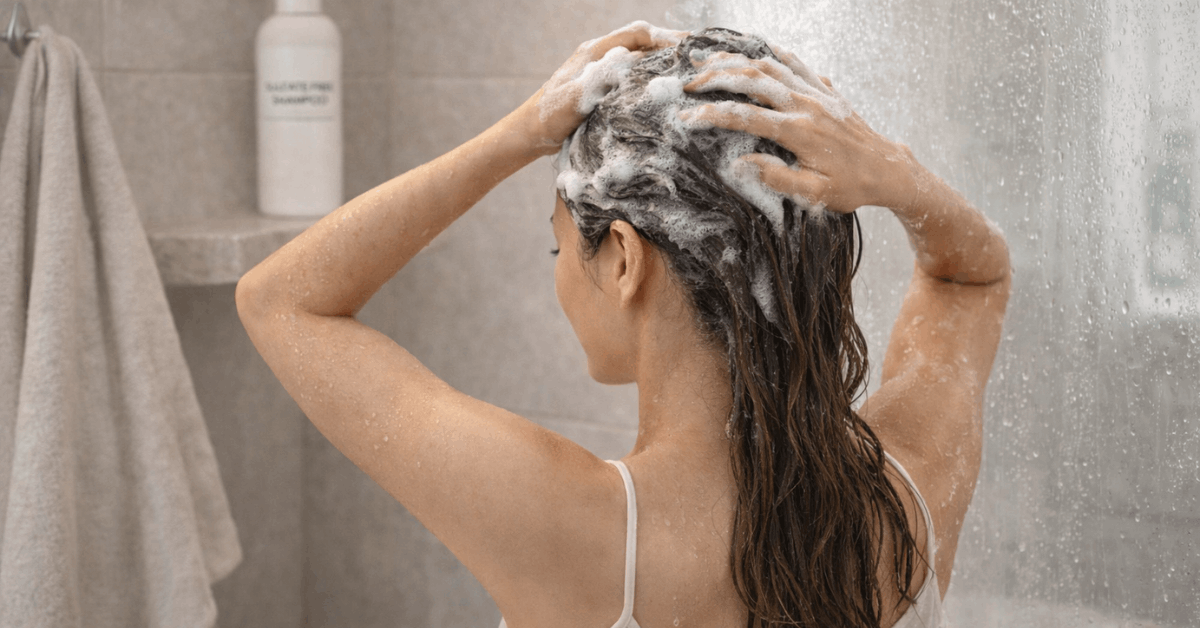
Active weeks call for pragmatic adjustments. After intense training or long helmet sessions, rinse the scalp and hair, then decide if a mild shampoo is needed based on feel and smell.
City dust and smog settle on strands, so cleansing or careful rinsing improves comfort on high-pollution days. Lightweight leave-ins replenish slip without collapsing volume, and microfiber towels or soft T-shirts reduce friction during drying.
One-Month Plan To Reduce Overwashing
A measured cadence helps hair and scalp recalibrate without looking unkempt. Minor steps keep control while results accumulate.
- Extend the interval between washes by one day for two weeks, while monitoring comfort and odor.
- Add gentle scalp care on off days, including fingertip massage and a light mist to refresh roots.
- Swap one weekly shampoo for co-washing to support moisture on mid-lengths and ends.
- Reserve clarifying formulas for product-heavy days, limiting use to once or twice per month.
- Log sweat, climate, and styling notes to refine oily scalp management without guesswork.
Bottom Line
Healthy hair starts with clean yet unstripped scalp skin, then gains strength through thoughtful conditioning and low-friction handling. Most people do not need daily shampoo, although straight, fine, and very oily scalps remain the exceptions.
Curly and coily patterns often thrive on spaced-out cleanses and richer conditioners. Practical habits that avoid high heat, harsh detergents, and constant manipulation make it easier to Avoid Overworking Your Hair Daily while keeping styles predictable.