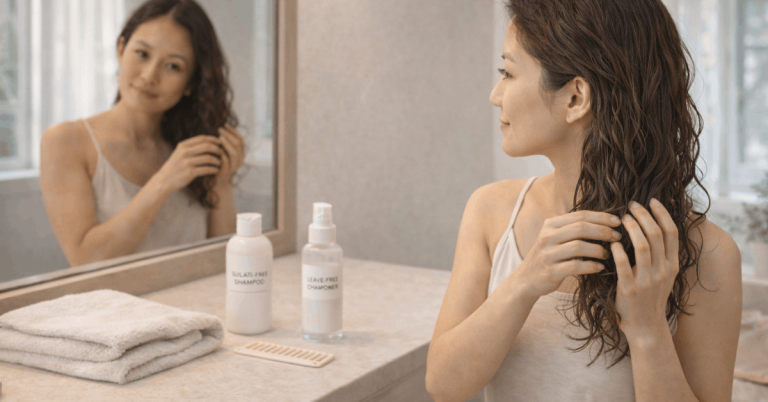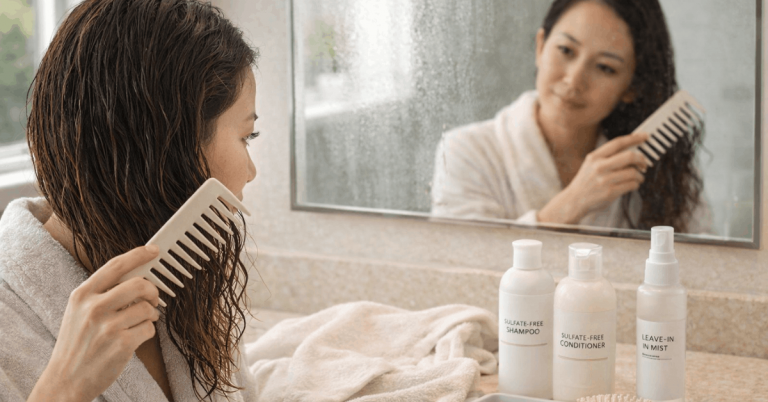
Hair brushing is part of everyday personal care, but how often you do it affects comfort, appearance, and breakage.
How often you should brush your hair depends on your hair type, daily routine, and the brush you use.
Understanding simple brushing habits helps you maintain healthy hair without overdoing it.
Why Hair Brushing Frequency Matters
Hair brushing frequency plays a key role in maintaining hair comfort and daily manageability.
The right approach supports healthy movement and reduces unnecessary stress.
- Hair Brushing Frequency – Determines how often hair is handled, directly affecting comfort and condition.
- Natural Oil Distribution – Helps move scalp oils through the hair to reduce dryness and uneven texture.
- Tangle Control – Prevents knots from tightening and becoming harder to remove.
- Hair Breakage – Too much or rough brushing increases stress on strands.
- Scalp Comfort – Balanced brushing supports circulation without irritation.
- Hair Appearance – Proper frequency keeps hair looking smoother and more manageable.
How Often You Should Brush Based on Hair Type
Hair type plays a major role in deciding how often you should brush your hair.
Texture, thickness, and natural movement all affect how much brushing your hair can handle without damage.
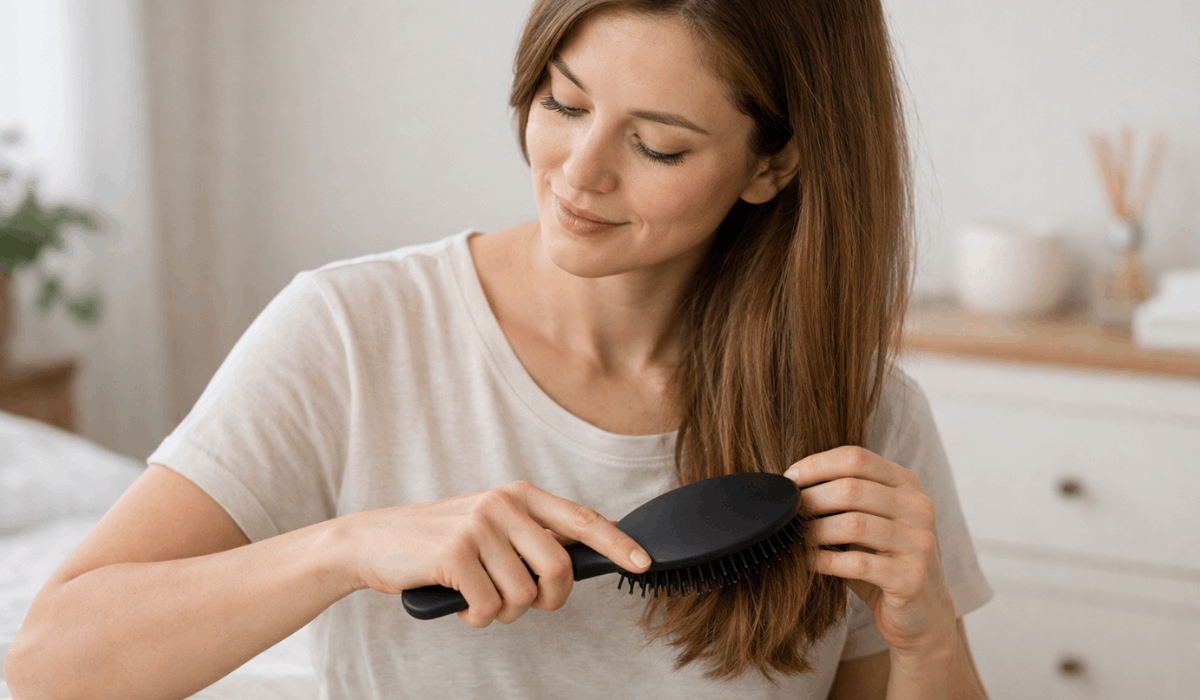
- Straight Hair – Can usually be brushed once or twice a day to control tangles and spread natural oils.
- Wavy Hair – Benefits from limited brushing to avoid frizz, focusing on detangling when needed.
- Curly Hair – Requires less frequent brushing, often only during detangling sessions to protect curl shape.
- Coily Hair – Needs minimal brushing, usually on damp or conditioned hair to reduce breakage.
- Fine Hair – Should be brushed gently and sparingly to prevent snapping.
- Thick Hair – May need controlled brushing to manage tangles without overworking the strands.
Morning vs Evening Brushing
Morning and evening brushing serve different purposes in a daily hair care routine.
Timing your brushing helps manage tangles, comfort, and overall hair appearance without unnecessary stress.
- Morning Brushing – Gently removes overnight tangles and restores shape without excessive brushing.
- Oil Control in the Morning – Light brushing helps spread natural oils without overstimulating the scalp.
- Evening Brushing – Helps remove shed hair and light buildup collected during the day.
- Tangle Prevention Before Bed – Reduces knots caused by movement during sleep.
- Routine Balance – Brushing at both times should remain gentle and limited to avoid over-handling.
How Hair Length Affects Brushing Needs
Hair length influences how often and how carefully you should brush to avoid unnecessary tension.
Longer hair usually requires more controlled detangling, while shorter hair needs less frequent brushing.
- Short Hair – Requires minimal brushing, mainly for comfort and light shaping.
- Medium-Length Hair – Needs regular detangling to prevent knots, especially at the ends.
- Long Hair – Benefits from sectioned, gentle brushing to reduce pulling and breakage.
- Layered Hair – May tangle unevenly, requiring focused brushing in certain areas.
- Growing-Out Hair – Needs careful brushing as lengths change and friction increases.
Choosing the Right Brush for Daily Use
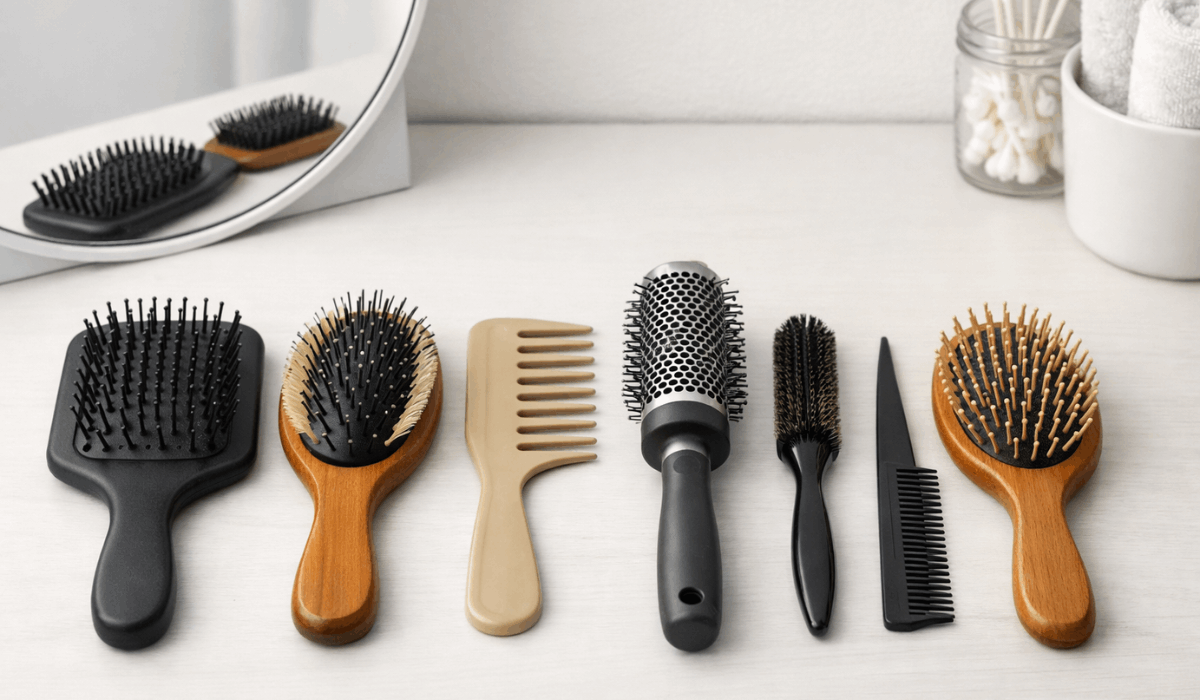
Choosing the right brush supports safe daily brushing and reduces unnecessary stress on the hair.
The correct tool makes brushing easier, more comfortable, and more effective.
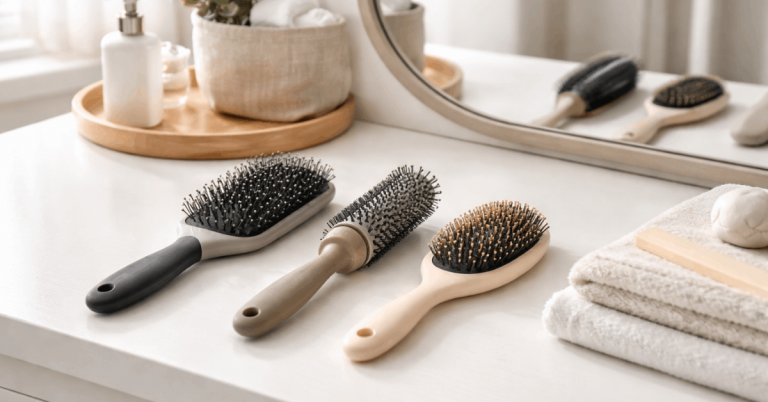
- Paddle Brush – Works well for everyday detangling on straight or long hair.
- Cushion Brush – Absorbs pressure and helps reduce pulling during brushing.
- Wide-Tooth Brush or Comb – Ideal for gentle detangling, especially on thicker or textured hair.
- Soft Bristle Brush – Helps smooth hair and distribute natural oils with minimal friction.
- Brush Size and Shape – Should match hair length and density for better control.
Brushing Wet Hair vs Dry Hair
Hair condition changes how it responds to brushing, making wet and dry hair require different approaches.
Understanding this difference helps prevent unnecessary breakage and stress.
- Wet Hair – More elastic and fragile, making it easier to stretch and snap when brushed.
- Brushing Wet Hair – Should be limited and done gently with wide-tooth tools when necessary.
- Dry Hair – Better suited for light daily brushing and routine maintenance.
- Brushing Dry Hair – Helps manage tangles and spread natural oils when done gently.
- Timing Matters – Allowing hair to partially dry reduces damage during detangling.
How Styling Products Affect Brushing Frequency
Styling products change how hair feels and moves, which affects how often you need to brush.
Product type and amount can either reduce brushing or make it more difficult.
- Leave-In Conditioners – Help reduce friction, often lowering the need for repeated brushing.
- Creams and Oils – Add slip, but can cause buildup if brushed too often.
- Dry Shampoo – Absorbs oil but may require gentle brushing to distribute evenly.
- Product Buildup – Makes brushing feel harder and increases the risk of pulling.
- Brushing with Products – Should be slow and controlled to avoid snagging.
Brushing and Scalp Sensitivity
Scalp sensitivity affects how often and how firmly you should brush your hair. Paying attention to comfort helps prevent irritation and discomfort.
- Sensitive Scalp – Requires lighter pressure and fewer brushing sessions.
- Dry or Flaky Scalp – Benefits from gentle brushing that avoids scratching or pulling.
- Oily Scalp – Needs controlled brushing to prevent overstimulation of oil glands.
- Brush Bristle Type – Softer bristles reduce irritation and discomfort.
- Scalp Feedback – Tingling or soreness signals the need to reduce brushing frequency.
Signs You Are Brushing Too Much or Too Little
Your hair and scalp give clear signals when your brushing habits are unbalanced.
Paying attention to these signs helps you adjust frequency before damage or discomfort develops.
- Increased Breakage – Snapped strands or excessive hair on the brush indicate over-brushing.
- Frizz and Flyaways – Constant roughness can result from too much brushing.
- Scalp Soreness – Tenderness or irritation suggests excessive pressure or frequency.
- Frequent Tangles – Persistent knots may indicate brushing too little.
- Uneven Oil Distribution – Greasy roots with dry ends can signal insufficient brushing.
Practical Daily Brushing Guidelines
Simple daily brushing habits help maintain hair comfort and appearance without unnecessary stress.
Focusing on technique and timing is more important than brushing often.
- Start at the Ends – Loosens tangles gently before moving upward.
- Use Light Pressure – Reduces pulling and breakage.
- Limit Frequency – Brush only as needed based on hair type and condition.
- Choose the Right Tool – Match the brush to your hair texture and length.
- Pay Attention to Hair Response – Adjust habits if hair feels dry, sore, or frizzy.
Final Section: Creating a Brushing Habit That Works for You
How often you should brush your hair depends on your hair type, length, and daily routine rather than a fixed number.
Most people benefit from brushing once or twice a day using gentle strokes and the right tool.
Pay attention to how your hair and scalp respond and adjust your brushing habits to what feels comfortable and manageable.