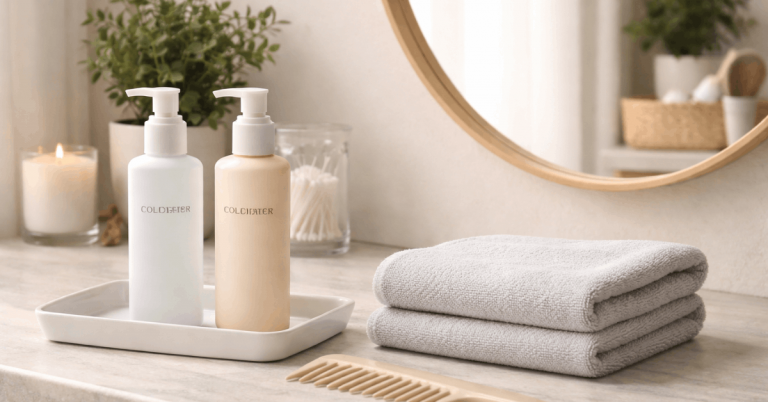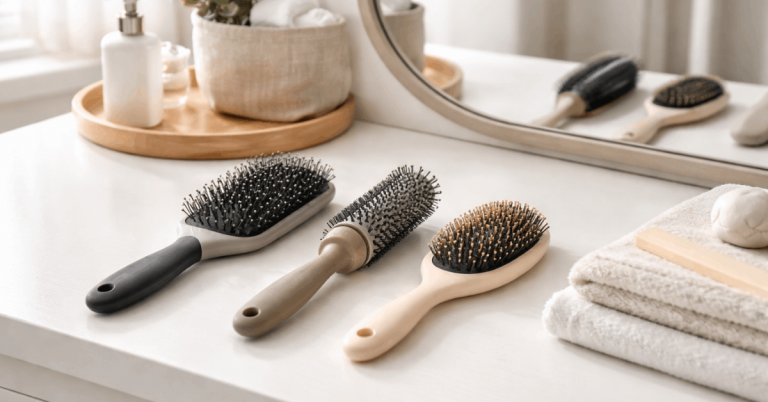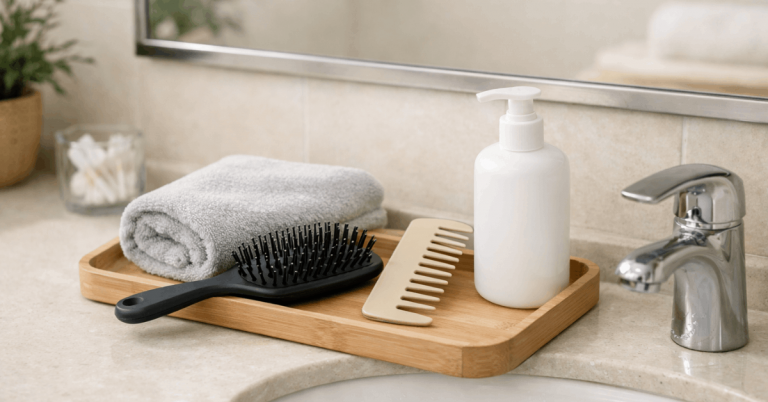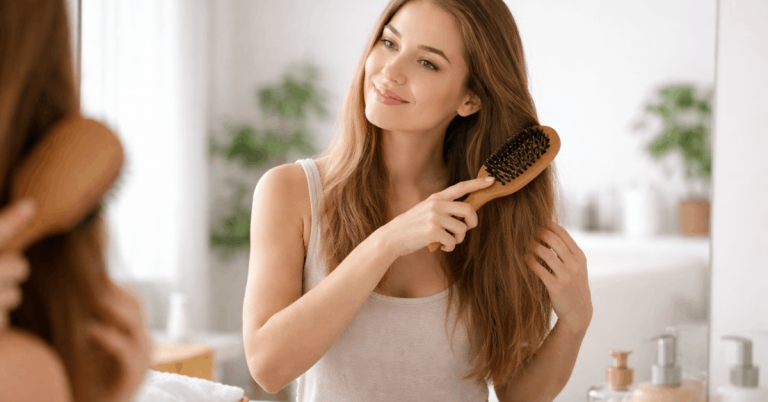
In busy routines, hair health slips when habits turn random and products change weekly. Early wins come from consistent Hair Care Tips that respect scalp biology, strand structure, and gentle handling.
Stronger strands depend on small choices repeated daily, not miracle fixes or endless product swaps. Routine clarity matters because different curl patterns distribute natural oils differently, which explains why ends feel dry while roots look slick.
After identifying your type and texture, a simple plan locks in progress and avoids preventable damage. Practical steps below keep shine, cut frizz, and reduce breakage for straight, wavy, curly, and coily hair.
Essential Hair Care Tips For All Hair Types
Consistent fundamentals protect cuticles, limit breakage, and keep styles predictable across climates. The points below prioritize low-effort actions that compound over weeks, not hours.
Use Lukewarm Water
Hot showers feel relaxing, yet high heat strips protective oils and lifts cuticles unnecessarily. Aim for lukewarm rinses to cleanse effectively while preserving softness and natural shine.
Shampoo Your Scalp
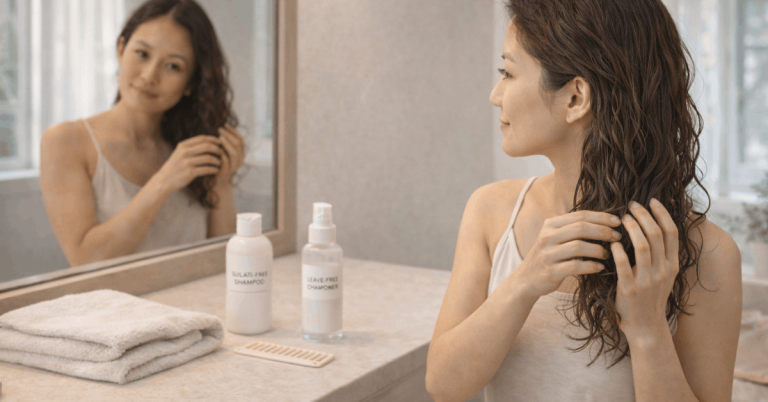
Oil and dead skin build primarily on the scalp, so focus cleanser at the roots. This counts as smart scalp care techniques because mids and ends need milder treatment to avoid dryness.
Condition Hair Ends
Concentrate conditioner on mids and ends to restore slip and reduce friction during styling. Roots usually require less moisture, so keep that area light to protect volume and lift.
Comb Wet Hair
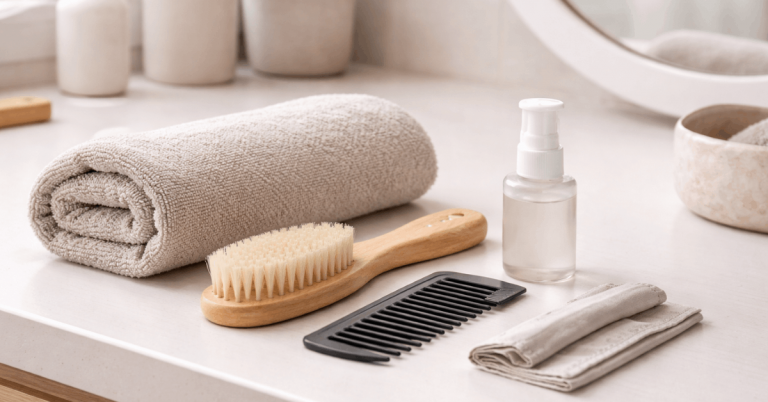
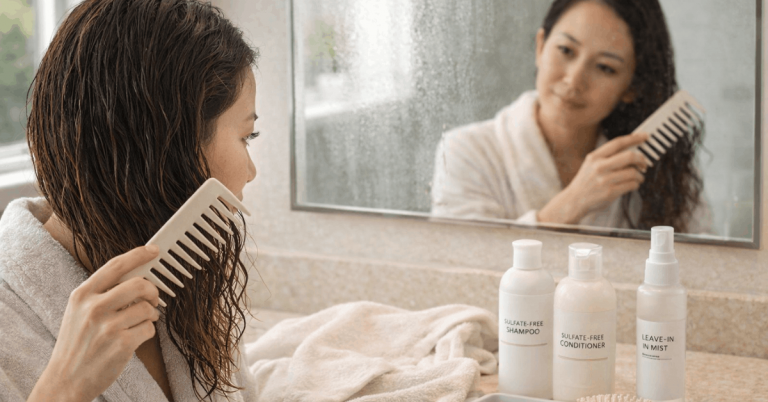
Water-swollen strands stretch easily and snap without care, so detangle patiently. A wide tooth comb limits tension, eases shed removal, and preserves curl or wave patterns.
Use Heat Protection
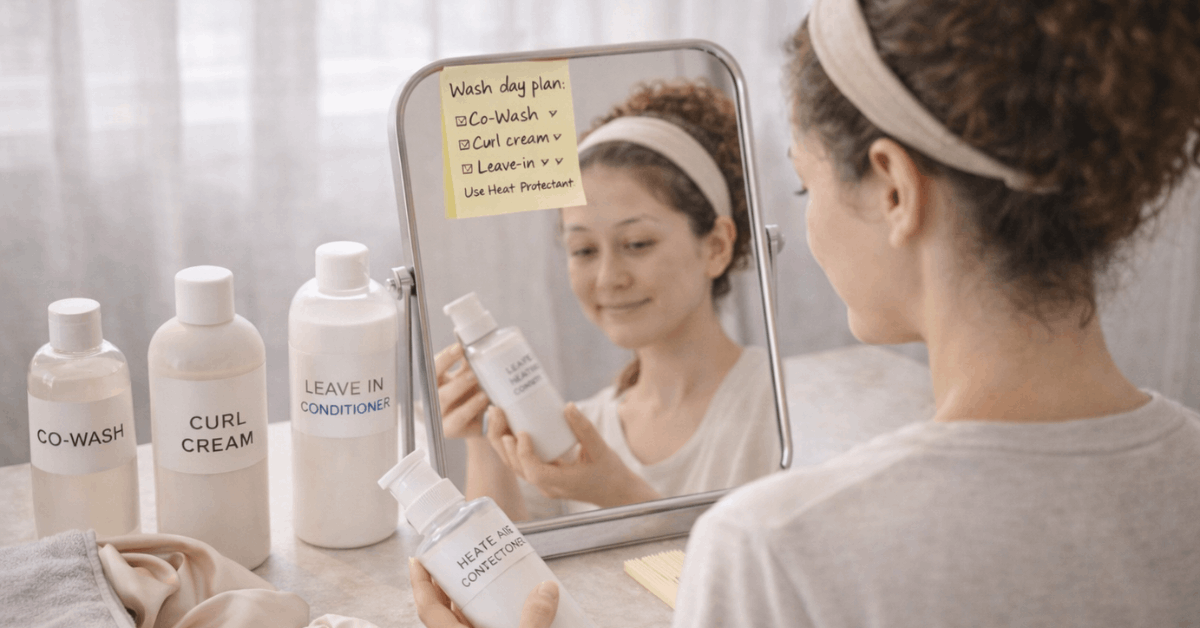
High temperatures weaken keratin bonds unless you create a protective barrier first. Apply a heat protectant spray before blow drying, straightening, or curling to reduce cumulative damage.
Air Dry Hair
Constant hot tools shorten style life and magnify frizz over time. Whenever schedule allows, air dry partially, then finish with brief, low-heat passes to set shape.
Sleep On Silk
Satin or silk reduces overnight friction that lifts cuticles and roughens ends. Silk pillowcase benefits include fewer tangles on prone areas and better moisture retention after evening treatments.
Change Hair Part
Rotating the part redistributes root pressure and quickly boosts lift at the crown. Small shifts also minimize repeated stress on the same fragile sections.
Relax After Ponytails
Tight, high ponytails strain edges and create breakage along elastic lines. Alternate low or loose styles, swap elastics for soft scrunchies, and schedule off-days for recovery.
Maintain Hair Hydration
Hydrated hair bends without snapping and holds styles longer throughout the day. Work a light leave in conditioner through damp lengths, then seal ends with a compatible cream.
Hair Types and Textures Explained
Clear classification reduces product trial and error, which saves both time and money. Four curl-pattern families describe how strands curve, while texture refers to the width of each hair.
Follicle shape drives pattern, and strand diameter shapes strength and product needs. Once these variables are known, matching products becomes straightforward.
Type 1: Straight Hair
Straight hair lies close to the scalp and distributes oil quickly, so roots can look flat. Type 1A is very fine and glassy, 1B carries a touch more body, and 1C is thicker with slight bend. Lightweight cleansers and volumizers help, while heavy oils usually weigh styles down.
Type 2: Wavy Hair
Waves form a soft S pattern that frizzes in humidity and collapses under heavy products. Type 2A runs loose and fine, 2B shows stronger definition, and 2C feels thicker and coarser. Light creams, wave sprays, and controlled moisture protect shape without sacrificing movement.
Type 3: Curly Hair
Curls spring into rings that dry faster at the ends because oils travel less efficiently. Type 3A curls are larger and shiny, 3B forms defined coils, and 3C packs dense corkscrews. Moisture-first routines perform best, emphasizing conditioners and gentle cleansers.
Type 4: Coily Hair
Coils compress tightly, making strands dense, fragile, and prone to shrinkage. Type 4A shows tight S coils, 4B bends in sharp angles, and 4C holds very tight patterns with minimal visible definition. Rich leave-ins, oils, and careful detangling protect length over time.
Why Hair Texture Matters
Texture refers to strand width:
- fine,
- medium, or
- coarse.
Compare a single strand to sewing thread for a simple test, then adjust formulations accordingly. Fine strands prefer light films that do not collapse volume, while coarse strands benefit from richer creams that smooth the cuticle.

Build Your Routine By Hair Type
A predictable routine cuts guesswork and reduces unnecessary product stacking. Keep cleansing aimed at the scalp, conditioning focused on the ends, and heat exposure intentional. Replace products slowly to isolate effects, then lock in what works for your hair.
Straight Hair Routine
Prioritize root lift and light hydration that avoids collapse through the day. Use a gentle cleanser and consider a hair fall control shampoo when breakage appears around brushes or elastics.
Condition mids and ends, then use lightweight mousse or volumizing tonic at the crown. Limit heavy oils and always protect strands during any thermal styling.
Wavy Hair Routine
Enhance the S pattern while controlling frizz that creeps in humid conditions. Cleanse roots lightly, then apply a Biotin conditioner to support shine and flexible hold across lengths.
Scrunch in a wave spray, then diffuse on low or air dry partially before finishing. Use small amounts of cream to define ends without flattening the mid-lengths.
Curly Hair Routine
Strengthen moisture layers that help rings spring back after handling and weather shifts.
Pick a sulfate free shampoo or a very mild cleanser, then load hydration through a rich rinse-out. Apply leave in conditioner, follow with curl cream, and seal ends if needed. Detangle in the shower with ample slip and the wide tooth comb to protect definition.
Coily Hair Routine
Protect elasticity through deep, regular hydration and patient manipulation. Adopt a co washing method several times per month if your scalp tolerates conditioner-only cleansing.
Layer thick leave-ins, oils, or hair butters, then stretch styles gently to reduce tangles. Keep trims and protective styles on a schedule that respects your lifestyle and growth goals.
Quick Routine Reference Table
Short planning notes help convert advice into week-to-week execution. Use the grid as a starting point, then tune frequency and weight once your hair responds. Consistency across a month reveals true baselines better than rapid product cycling.
| Hair Type | Cleanse Frequency | Key Products | Styling Focus |
| Straight | Every 1–2 days | Lightweight shampoo, light conditioner | Root lift, minimal oils |
| Wavy | Every 2–3 days | Gentle cleanser, Biotin conditioner, wave spray | Definition without weight |
| Curly | Weekly or twice weekly | Sulfate free shampoo, leave in conditioner, curl cream | Moisture and frizz control |
| Coily | Weekly plus co-wash | Rich conditioner, oils, hair butter | Stretch, protection, low heat |
Smart Maintenance and Final Takeaways
Healthy habits beat seasonal product overhauls because hair favors consistent inputs over extremes. Rotate heat-free days, schedule trims proactively, and detangle during conditioning rather than on dry hair.
Build a simple travel kit that preserves the core routine, since random hotel products often introduce setbacks. After a month of steady practice, shine, manageability, and style longevity usually improve across hair types.