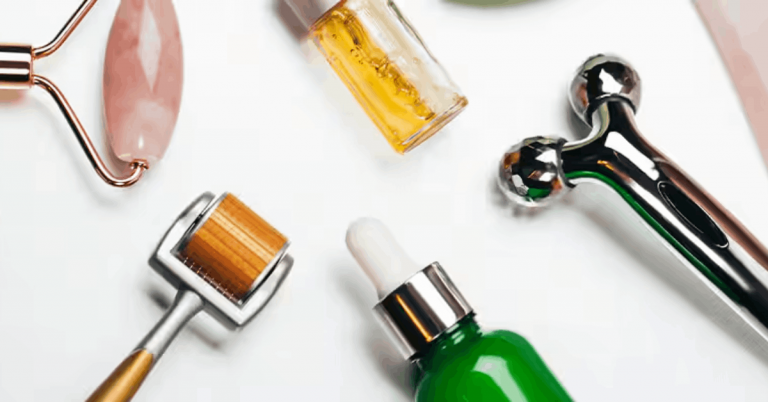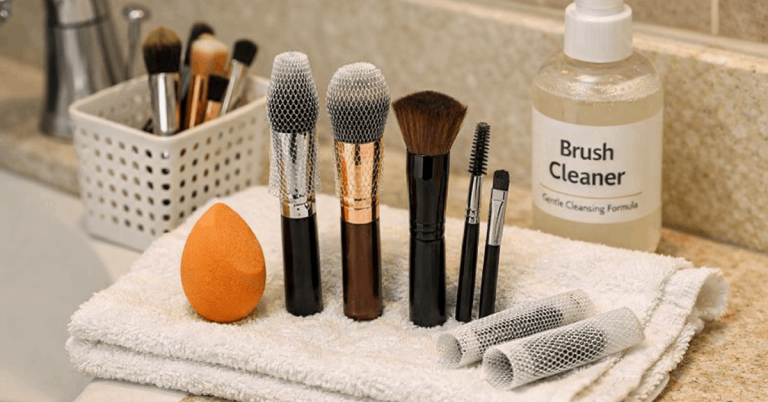
Buying beauty tools is part of every personal care routine. Learning how to identify low-quality beauty tools protects your hair, skin, and money.
Many products look similar but perform very differently. This guide helps you spot poor quality before it harms your routine.
Why Quality Tools Matter for Hair Care?
Hair tools are used daily, so their quality directly affects your results. Knowing how to avoid low-grade items helps maintain hair health and prevent damage.
Cheap tools may cause breakage, burns, or scalp irritation. You’ll save more by investing in durability.
Signs of Poor-Quality Hair Tools
Spotting red flags early can help you avoid future hair damage. Many common signs are visible or can be felt during use.

Weak Material and Build
Low-quality tools feel light, flimsy, or uneven in the hand. Handles may rattle or detach, and surfaces often have sharp seams or gaps.
Many use low-grade plastic or metal that heats poorly and wears out fast. These materials also crack under daily pressure.
Unreliable Heat Control
Flat irons or curlers without digital control often fluctuate in temperature. Uneven heat leads to styling mistakes or burns.
A tool that gets too hot without a setting option is risky. Lack of auto shut-off also increases fire hazards.
Loose or Wobbly Attachments
Bristles that fall off, comb teeth that bend, or clips that won’t stay tight are all warning signs. High-quality tools feel secure and don’t lose pieces with regular use.
If you hear clicks, rattles, or shaking, avoid the product. Fragile parts mean short life spans.
Brush and Comb Checkpoints
Brushes and combs are basics in your beauty kit. Here’s how to assess their durability and safety.
Bristle Quality
Brush bristles should stay in place when pulled gently. If they shed quickly or feel stiff and scratchy, they’re poorly made.
Natural bristles are often better for daily brushing. Look for heat-resistant options for blow-drying.
Handle Design and Comfort
Good brushes have ergonomic grips that don’t slip or cramp your hand. If a brush is too heavy or unbalanced, it strains your wrist.
Loose handles or oddly shaped grips show poor construction. Your brush should feel secure and smooth during use.
Static and Snagging
Plastic combs that cause static or pull hair harshly are low-quality. The teeth should be smooth and evenly spaced.
Snags and sharp edges will damage strands over time. Always test it on a small hair section first.
Watch Out for Heat Tool Issues
Heated tools like irons and wands need careful inspection. Flaws here can lead to serious hair damage.
Inconsistent Heating
A quality iron heats evenly and maintains that level. Poor tools have hot spots or lose heat quickly.
If one section of your hair looks burned and another untouched, it’s a sign. Irons without adjustable settings are unreliable.
Unsafe Plastic Components
Check if the plastic near the heating element is melting, warping, or discolored. That’s a sign of poor heat resistance.
Quality tools use heat-safe materials that stay cool to the touch. Cheap tools often skip this protection.
Lack of Safety Features
Trusted hot tools come with automatic shut-off, temperature limits, and clear labels. If these are missing, skip the product.
Tools that get too hot or stay on too long pose serious risks. Look for certifications like UL or CE.
Check Labels, Packaging, and Manuals
Even packaging gives hints about tool quality. It’s not just about design but clarity and transparency.
Blurry or Incomplete Labels
Products missing ingredient or component details should raise concern. If you can’t find where it was made or who made it, move on.
Trustworthy brands provide this info clearly. Vague terms like “premium” with no backup aren’t enough.
Poorly Written Instructions
Spelling errors, bad translations, or missing manuals are red flags. Good brands invest in professional, clear guides.
If you can’t understand how to use or clean the tool, skip it. That means they didn’t prioritize user experience.
Missing Warranty or Return Details
Low-end tools rarely come with support. If there’s no way to reach customer service or return it, think twice.
Quality brands often offer at least a one-year warranty. Lack of return info suggests the seller doesn’t expect long-term use.
Quick Home Tests You Can Do
Some simple tests can help you verify a tool’s build before regular use. These can be done within minutes.
The Shedding and Snag Test
Pull gently on brush bristles or sponge surfaces. If they come off easily, that’s a bad sign.
Run the brush or comb through a small hair section to feel for snags. You should feel smooth resistance only.
Grip and Control Test
Hold the tool in different angles and simulate actual use. Does it rotate or slip? A bad grip leads to poor control. You want stable handling in both dry and wet hands.
Plug-In Test for Electric Tools
Plug the hot tool into a safe outlet. Watch for sparks, odd smells, or a delay in heating.
Any of these signs indicates poor internal wiring. Also, listen for buzzing or crackling.

What Makes a Beauty Tool High-Quality?
Understanding what to look for helps you shop smarter. Avoid hype and focus on features.
- A good tool feels solid but not too heavy in the hand.
- The handle and body are made of sturdy materials, with smooth finishes.
- Heating tools offer temperature control and shut-off timers.
- Brushes have sealed, non-shedding bristles and comfortable grips.
- Product information includes warranty, care instructions, and contact info.
When to Replace Beauty Tools?
You don’t need to wait for tools to break to replace them. Frequent use causes wear even if the damage isn’t obvious.
- Replace brushes when bristles thin out or handles wobble.
- Get rid of combs that create static or have cracked teeth.
- Discard hot tools with heating issues or exposed wires.
- Toss sponges and rollers that flake or smell despite washing.
- If you question its safety, replace it immediately.
Storage and Cleaning Affects Longevity
Even quality tools degrade without proper care. Protect your investment with these simple practices.
- Clean brushes weekly with warm, soapy water and let air dry.
- Use a dry towel to wipe down heated tools after cooling.
- Never wrap cords tightly around hot irons or dryers.
- Store tools in cases or drawers, not open counters.
- Disinfect grooming tools with alcohol between uses.
Common Scenarios Where You Encounter Low-Quality Tools
Some shopping habits increase your chances of picking poor tools. Awareness helps you choose better.
Buying from Unknown Brands
Some brands copy the look of quality tools but skip the build standards. If the brand has no reviews or web presence, it’s a risk.
A few dollars saved upfront may cost you later. Always research first.
Shopping in Rush or Without Research
Quick decisions often lead to regret. Check specs, brand history, and safety features before checkout.
Don’t assume a high price means high quality. Read what other users say after months of use.
Falling for Trendy or Over-Hyped Tools
Just because a product goes viral doesn’t mean it’s reliable. Influencer ads often skip quality testing.
Stick to function over appearance. Go for long-term performance, not trends.
Where to Buy Quality Beauty Tools?
If you’re ready to upgrade, here are reliable places to shop for high-quality beauty tools:
- Brand websites like Dyson, Revlon, or GHD for authenticity and warranty coverage.
- Professional beauty supply stores such as Sally Beauty or Ulta Beauty.
- Retailers with strong return policies like Sephora, Amazon (check “Sold by” and reviews), or Target.
- Dermatologist or salon recommendations based on tested experience.
- Local specialty stores with curated tools from trusted beauty suppliers.
Smart Habits Make Better Beauty Choices
Choosing better beauty tools means staying alert. Once you learn what to look for, every decision gets easier.
Not every good-looking product delivers good results. Think safety and quality first.
Final Words: Make Informed Choices That Protect You
You’ve learned how to identify low-quality beauty tools and what to avoid during your next purchase. Cheap tools often lead to damaged hair, skin irritation, or wasted money.
By checking materials, build, grip, and brand details, you stay protected. Use these tips to make smart and confident choices for your everyday beauty routine.