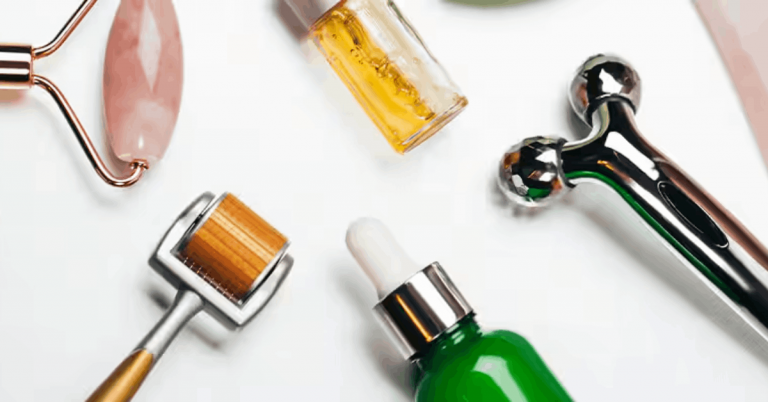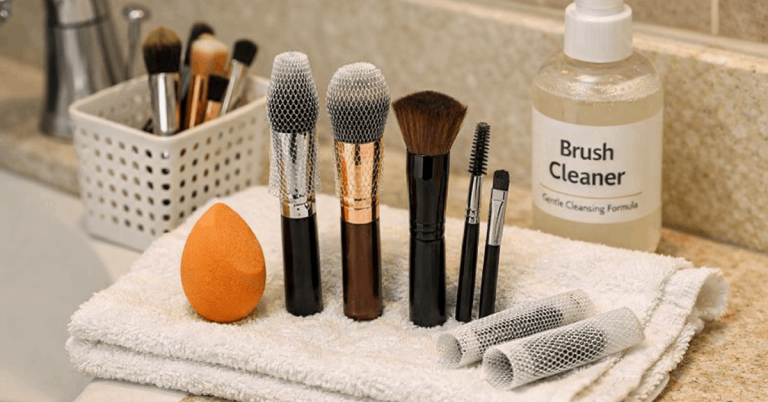
Keeping beauty tools clean does more than tidy a bathroom counter. Fresh bristles, dry sponges, and well-kept hot tools make every step feel smoother.
Product residue can change how makeup sits, how hairbrushes glide, and how comfortable tools feel on skin. A simple routine protects daily results, tool lifespan, and the time you already spend getting ready.

Understand What Buildup Changes
Residue does not always look dramatic at first. Watch for dragging tools, stale smells, and changes in the finish they create.
Residue Does Not Stay on the Surface
Foundation, powder, dry shampoo, hair oil, and shed strands collect where tools touch. On brushes, film stiffens bristles and makes blending uneven; on hair tools, it creates drag.
Sponges hold product in pores, while rollers and tweezers collect film. Removing old product, trapped hair, and film keeps familiar tools easy to use.
Notice When a Tool Is Asking for Attention
A catching brush may hold hair, lint, or styling residue. A sponge that smells musty, stays stiff, or releases cloudy water may need washing or replacement.
Check comb teeth, brush cushions, and metal edges; tiny cracks can snag hair or scratch skin. These early signals, small changes, and regular checks prevent a rescue.
Follow a Daily, Weekly, and Monthly Rhythm
A predictable schedule is easier than an occasional deep-cleaning marathon. Divide tool care into quick resets, gentle washes, and simple inspections.
- Daily: remove loose hair and visible product.
- Weekly: wash brushes, sponges, and washable accessories.
- Monthly: inspect cords, bristles, storage, and worn pieces.
Make Daily Cleanup Dry and Fast
Pull hair from brushes and combs after use, before it packs around the base. Wipe smooth handles, mirrors, and nonporous surfaces when you see residue.
Press a used sponge into a clean towel when washing must wait, then leave it exposed to air. This reset limits hardened residue, stale moisture, and last-minute cleaning.
Reserve Weekly Washing for Product-Contact Tools
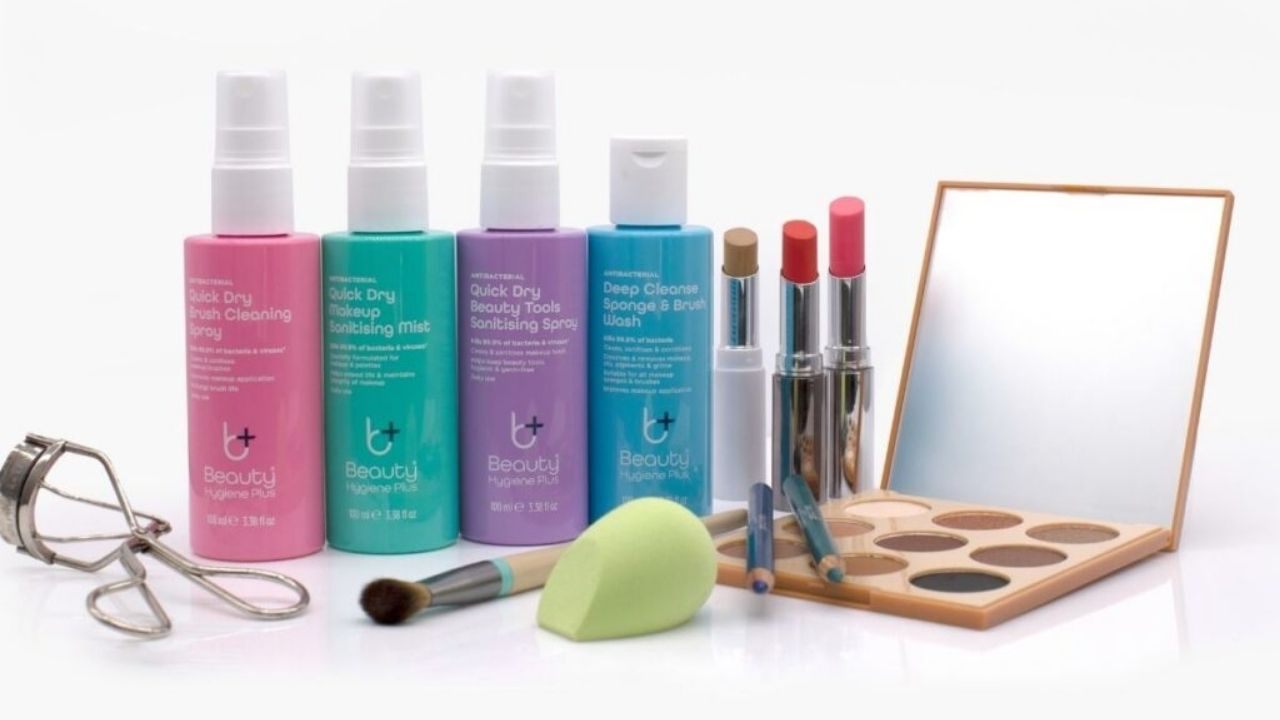
Brushes used with creams, liquids, or styling products need regular washing before residue becomes a coating. Use lukewarm water, mild cleanser, and light pressure rather than scrubbing that damages bristles or glue.
Rinse carefully and let washable pieces dry fully before storage. Weekly care supports softer bristles, cleaner application, and predictable results.
Also Read: Simple Skincare Routines That Actually Work
Use Monthly Checks to Catch Wear Early
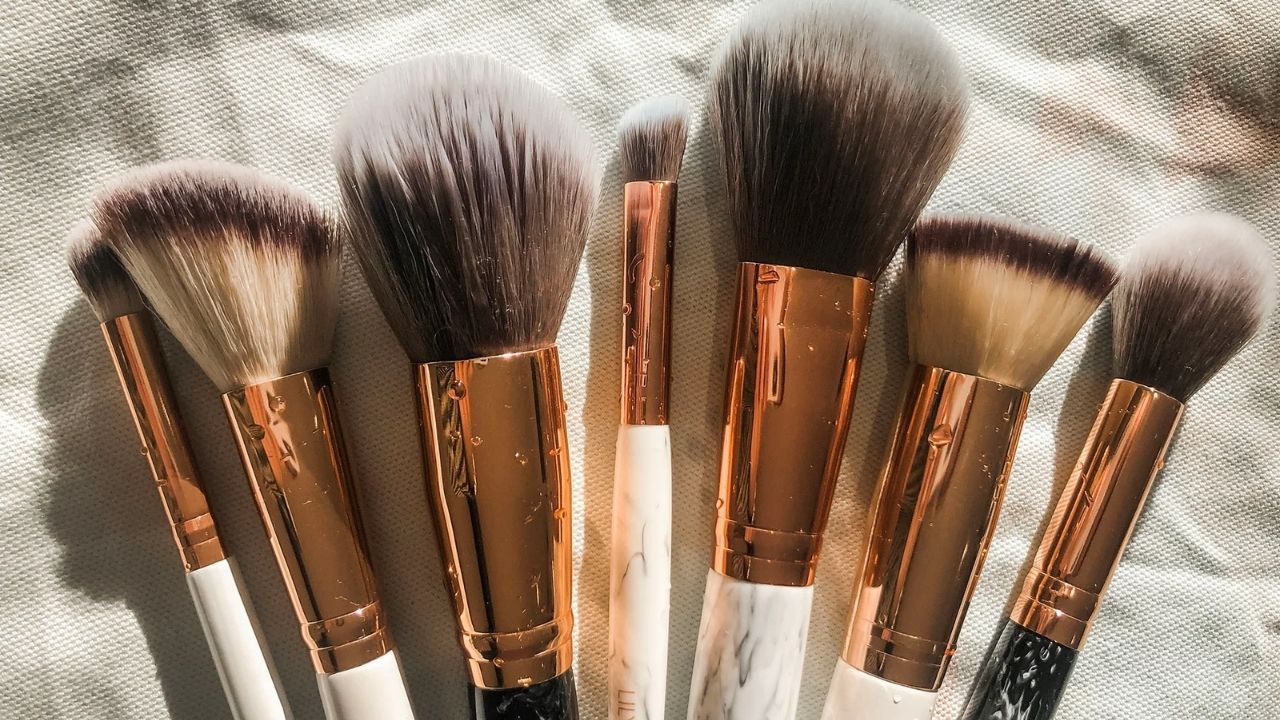
Once a month, inspect brushes for bent pins, broken tips, loose cushions, and odor. Check combs for rough seams, makeup tools for cracks, and appliances for frayed cords or loose attachments.
Clear dryer filters as directed, and stop using devices that spark, overheat, or smell electrically hot. This review protects safe handling, tool performance, and your budget.
Wash Makeup Brushes and Sponges Carefully
Most washable tools respond well to gentle cleanser and controlled water exposure. The important details are where water goes and how long drying takes.
Keep Water Away From Brush Bases
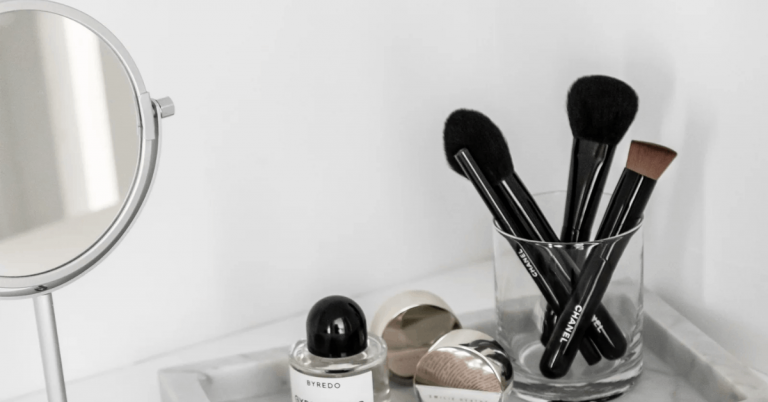
Hold a makeup brush with bristles pointing down so water does not reach the ferrule or handle. Work brush-and-sponge soap through the fibers, using your palm or a textured pad.
Rinse until water runs clear and bristles no longer feel slick, then reshape the head. Dry brushes flat or bristles-down to protect the glued base, soft fibers, and their shape.
Rinse Sponges Until Soap and Color Are Gone
Wet a sponge, add cleanser, and press it repeatedly instead of twisting it. Keep rinsing until color and suds disappear, because trapped soap can leave it stiff after drying.
Press out water with a clean towel and place it on an open rack where air reaches every side. Replace sponges that stay torn, rough, or musty because clean texture, fresh airflow, and intact material matter.
Handle Metal and Heated Tools With Care
Not every tool should be washed like a brush or sponge. Metal and electrical pieces need less water, more caution, and a clean surface before reuse.
Wipe Metal Tools Before Storing Them
Tweezers, lash curlers, nail clippers, and small scissors need visible product, oil, or moisture removed after use. Follow manufacturer guidance for coated handles, rubber grips, or moving parts that trap liquid.
Dry each item before placing it in a case, tray, or shared compartment. This reduces sticky residue, surface corrosion, and surprises when a tool feels dirty.
Give Hot Tools Full Cooldown Before Wiping
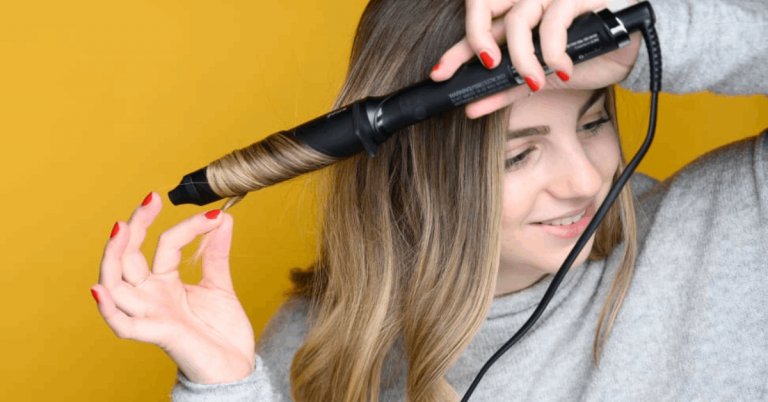
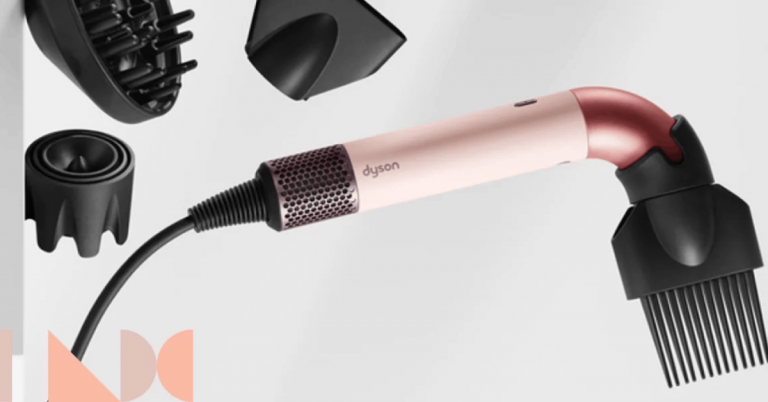
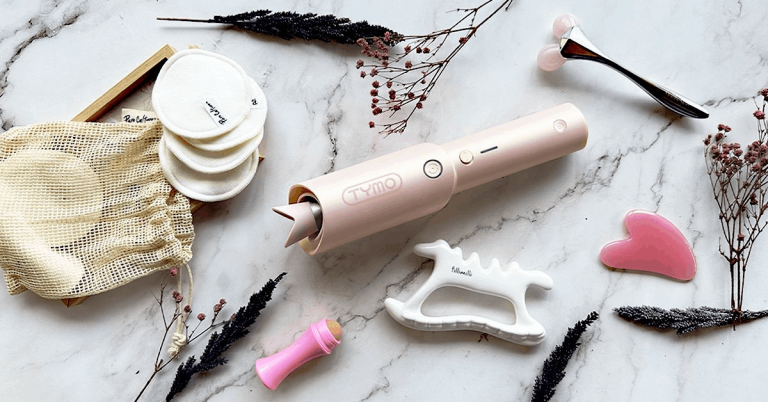
Unplug a hair dryer, flat iron, curling wand, or heated brush and wait until it is cool. Use a barely damp cloth for exterior residue, keeping liquid away from plates, switches, vents, and gaps.
Remove loose hair from attachments and inspect the cord near the plug and base for damage. Careful wiping protects smooth surfaces, even styling, and a safer routine.
Store Clean Tools With Airflow
Cleaning only works when tools remain clean between uses. Give every category a dry home and enough breathing room after washing.
Keep Hair, Makeup, and Skincare Tools Separate
Store makeup brushes away from hairspray, dry shampoo, and styling products that settle on clean bristles. Keep skincare devices on a wipeable tray rather than beside loose hair tools or spilled cosmetics.
Choose holders that prevent brush heads from pressing against counters or other tools. This separation lowers cross-contact residue, bathroom clutter, and forgotten tools.
Pack Travel Tools Only After They Are Dry
Use mesh pouches, breathable sleeves, or divided cases when packing brushes, sponges, and grooming tools. Let hot appliances cool before using a heat-safe sleeve, and keep liquids away from bristles and cords.
When you arrive, unpack tools and let them air out. These habits protect clean surfaces, tool shape, and a calmer routine away from home.
Conclusion: Make the System Easy to Repeat
Tool care lasts when it connects to wash day, laundry, or clearing the sink. Choose a weekly time, keep cleaning supplies visible, and replace damaged pieces before they catch or scratch.
Daily resets, weekly washes, and monthly checks are enough when done steadily. With clean, dry, well-stored tools, each application and styling step feels more comfortable without another complicated task on ordinary mornings, busy evenings, and travel days.