Everyday styling works better when each tool solves one problem you face before leaving home. A practical kit should support your natural texture, your available time, and the finish you wear most often.
You might need root lift after a shower, smoother front pieces before a meeting, or safer detangling after a workout.
This guide helps you choose useful tools and lower-stress techniques instead of collecting gadgets that only work once.
Build a Kit Around Your Most Repeated Styling Need
Start with the part of styling that slows you down most, rather than buying a tool for every possible look.
A smaller setup gives you less clutter and more consistent results because you learn how each piece behaves.
- Detangle without pulling at knots or the scalp.
- Dry and shape hair without relying on maximum heat.
- Refine one detail, such as a fringe, roots, or ends.

Choose Brushes and Combs That Reduce Daily Tension
Brushes and combs should make hair easier to handle before they make it look polished. Focus on gentle glide and comfortable control because repeated pulling can leave the hairline and ends looking rough.
Start With a Detangling Tool That Matches the Moment
A wide-tooth comb may be enough for conditioner-coated curls, while flexible bristles can help straight or loosely wavy hair after washing.
Begin at the ends, hold the section above a knot, and work upward in short movements instead of dragging from the scalp.
Use your fingers first when one knot refuses to release, especially near the nape or around dry ends. This reduces sudden snapping, protects sensitive roots, and keeps a quick morning reset from becoming a frustrating repair session.
Use Heated Tools for One Clear Purpose
Hot tools become harder on hair when they are used to correct every small imperfection. Decide whether you need faster drying, targeted smoothing, or loose movement before you switch anything on.
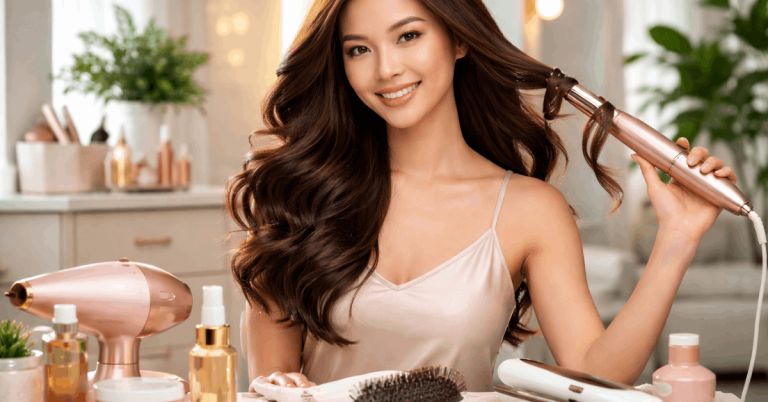
Let a Hot Air Brush Replace Two Steps When It Fits
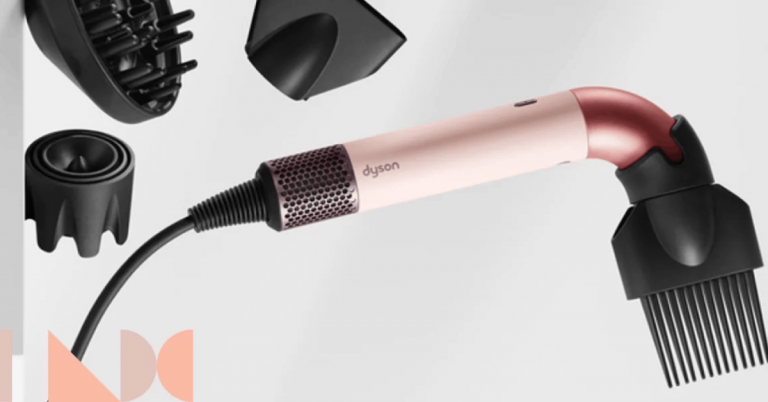
A hot air brush can suit people who usually dry and round-brush their hair in the same session. Use it on hair that is mostly dry, work in manageable sections, and choose a lower setting first if your hair is fine or color-treated.
Keep the brush moving from roots to ends so one area does not receive repeated heat while you chase volume. This approach gives root lift, soft ends, and a more controlled blowout without switching between separate tools.
Also Read: Simple Skincare Routines That Actually Work

Reserve a Flat Iron for Specific Sections
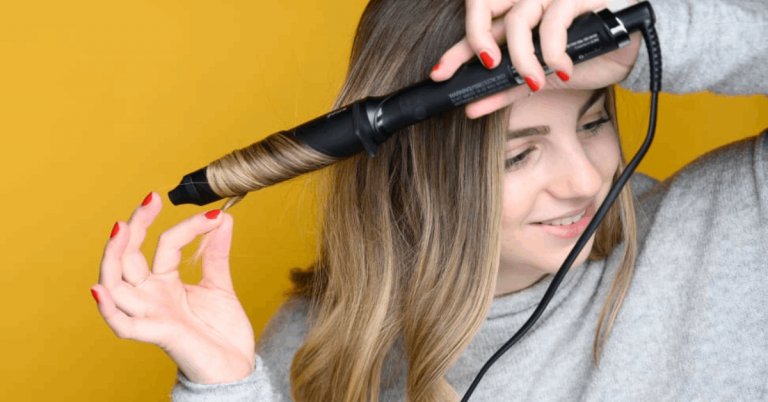
A flat iron can smooth a fringe, bend the ends, or calm a few uneven pieces without restyling every strand. Apply heat protectant, dry hair fully, and use a steady pass that matches the plate width rather than stopping halfway through the section.
If hair needs several passes, reduce the section size or revisit your blow-drying technique before turning up the heat. This protects fragile lengths, limits repeated heat exposure, and keeps straight styles from looking stiff.
Match the Kit to Your Hair Type and Routine
The same tool can feel gentle on one texture and frustrating on another. Look at density, porosity, and your usual wash-and-style rhythm before deciding what belongs in the drawer.
Fine or Easily Weighed-Down Hair Needs Lightweight Control
Fine hair often looks flat when too much cream, oil, or heavy brushing reaches the roots. Choose flexible bristles, lower heat, and lighter products that you can build gradually around the crown or ends.
A small amount of mousse or a few root clips may create more useful lift than repeated hot-tool passes. Prioritize airflow, small product amounts, and styles that do not pull on delicate strands.
Thick or Coarse Hair Benefits From Sectioning, Not Force
Dense hair may need wider bristle spacing, a stronger dryer airflow, or more time for roots to dry. Divide it into sections before brushing or heat styling so you do not keep pulling the same surface layer while the underneath stays damp.
Use conditioner or leave-in for slip, especially where hair catches at the nape or ends. This gives steady control, less tugging, and more predictable styling without treating thickness like a problem.
Curly or Coily Hair Needs Tools That Respect the Pattern
Curls and coils often respond best when detangling happens while hair is damp and covered with conditioner or leave-in.
A wide-tooth comb, flexible brush, diffuser, and sectioning clips may be more helpful than a strong smoothing brush or daily flat iron.
Keep handling low once curl clumps form, because repeated brushing can separate the pattern and create surface frizz. Protect moisture, curl definition, and a wash-day routine that still feels manageable during the week.
Maintain Tools So They Keep Working as Intended
Even an expensive brush or heated device becomes less useful when it holds old product, lint, shed hair, or moisture. Give the kit basic upkeep and safe storage so it does not work against your styling routine.
Clean Residue Before It Changes the Result
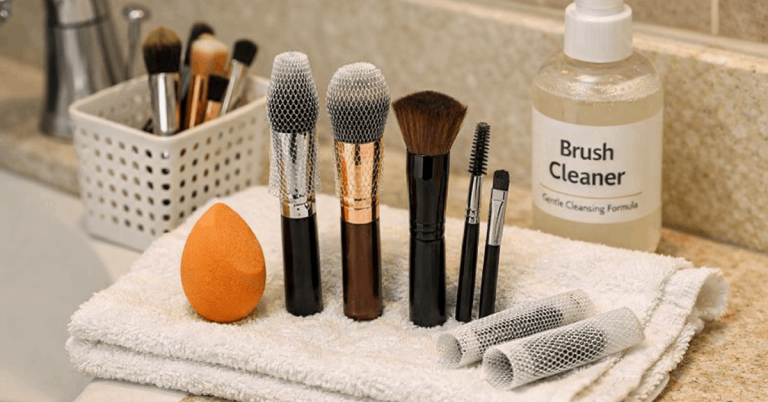
Remove hair from brushes after use, wipe styling residue from tools only after they cool, and wash cream or liquid makeup tools on a regular schedule.
Check brush bases, comb teeth, diffuser bowls, and hot-tool plates because hidden buildup can create drag or uneven heat.
Let tools dry fully before returning them to a drawer, pouch, or bathroom holder. These habits protect smooth contact, cleaner styling, and the life of the tools you already own.
Keep the Routine Small Enough to Repeat
The most useful styling kit is the one you reach for without second-guessing every step. Build around one detangling tool, one drying or shaping option, and a few accessories that reduce tension. Let your hair type, schedule, and comfort guide upgrades instead of chasing every new launch.
With lower heat and clean tools, and realistic technique, simple styling can look polished without becoming another long task, even on rushed mornings, humid commutes, workout days, or travel weekends, when hair behaves differently, weather shifts quickly, and your available styling time becomes less predictable.