At-home beauty feels easier when your tools are simple enough to use well from the first week. Beginners do not need a salon-sized kit to care for hair, skin, nails, or feet.
A few low-pressure tools can make everyday maintenance feel more comfortable. The goal is steady technique, clean storage, and results you can repeat.
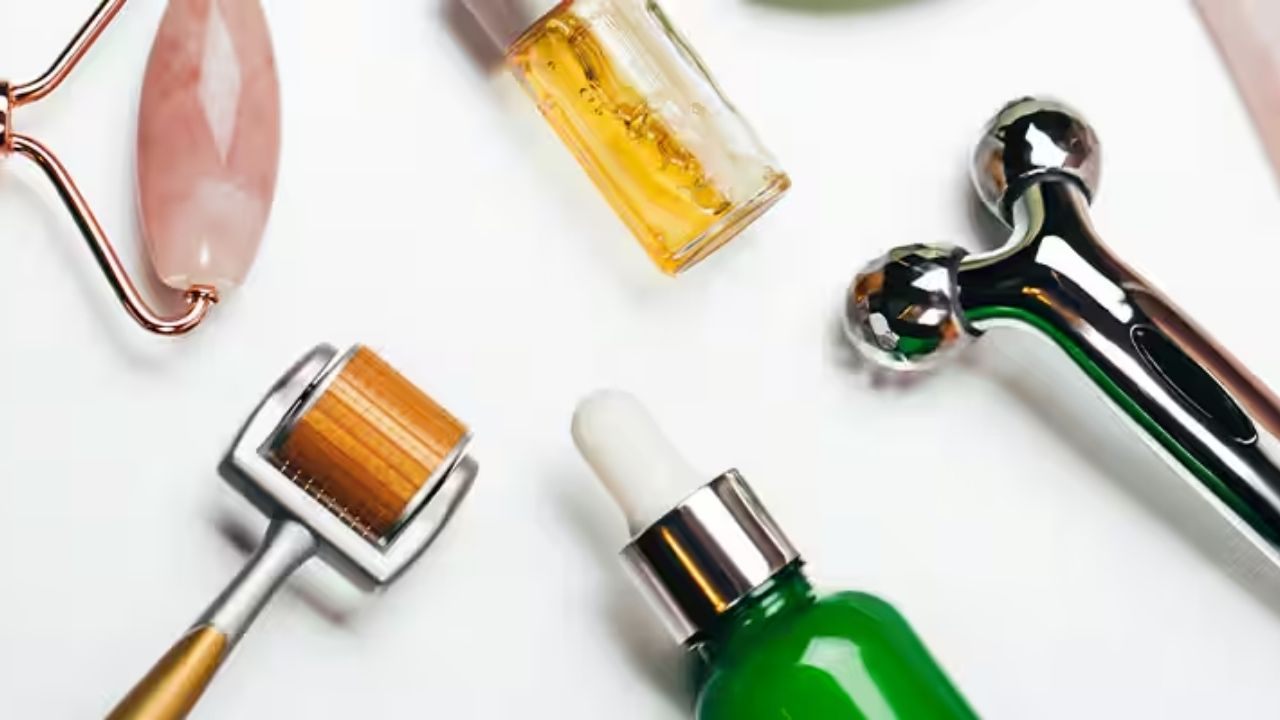
Pick Tools You Can Learn and Maintain
A beginner tool should solve one routine problem without adding difficult settings or cleanup. Look for comfortable handling and simple upkeep before bringing anything home.
- One clear job: it supports a step you already do.
- Light pressure: it should not pull, scrape, or sting.
- Easy care: it can be cleaned and dried without a project.
Let Ease Matter More Than Extra Features
The most useful tool is not always the newest or most expensive option. It should fit your hand, work with your hair or skin, and make a familiar step easier.
Avoid items that need special products, long setup, or a large amount of storage space. Choose clear purpose, gentle contact, and a routine you can remember.
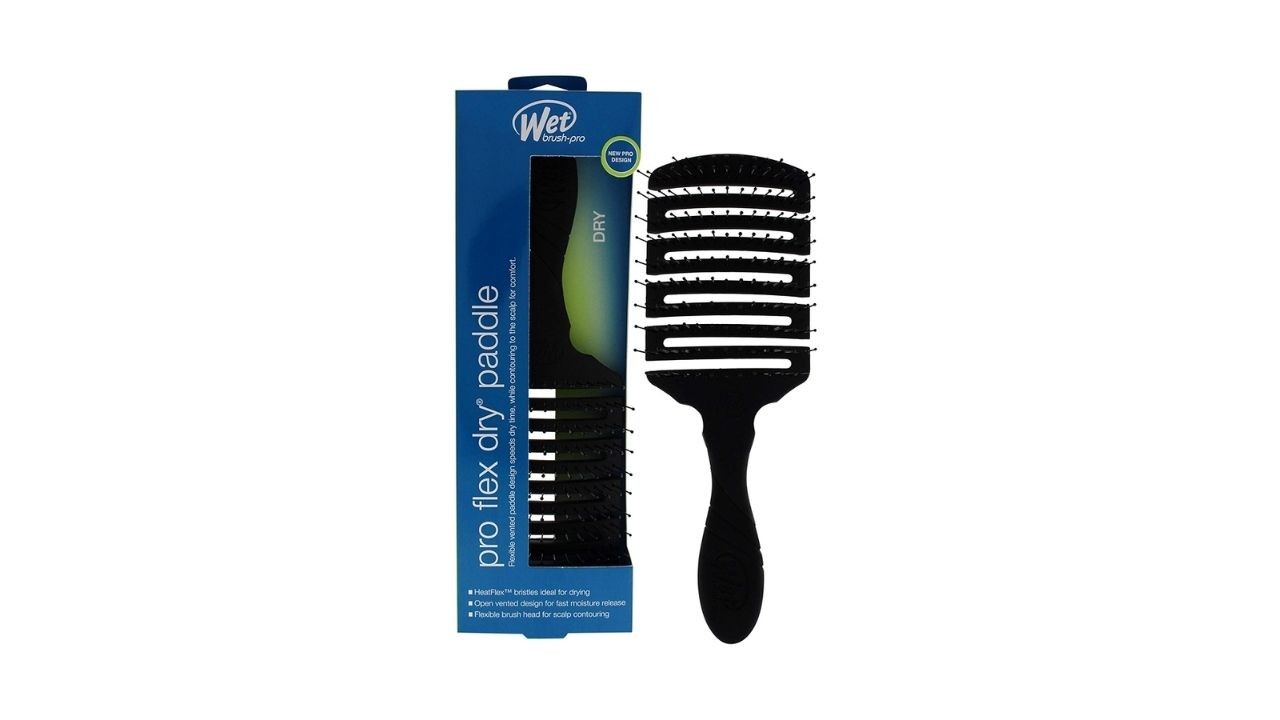
Start With a Flexible Paddle Brush
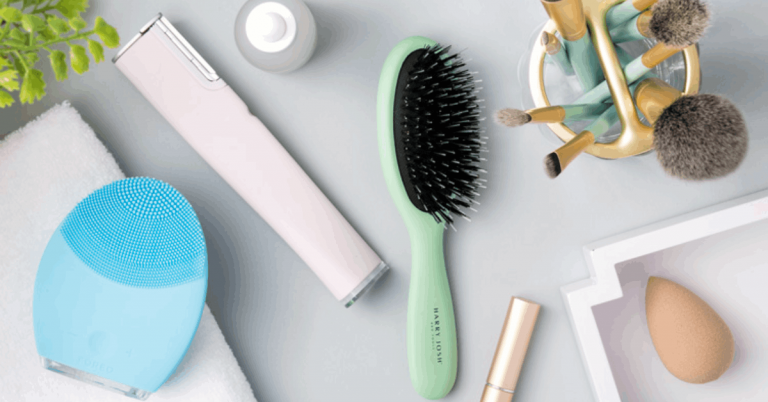
A flexible paddle brush can make detangling quicker without hard pulling that leaves hair sore afterward. It works best with slow strokes and small sections, especially when hair catches at the nape or ends.
Why This Brush Suits Beginners?
A wide brush head covers more hair while spreading pressure across the section. Flexible pins and a cushioned base can make it easier to pause when you meet resistance instead of forcing through it.
This may suit straight, wavy, or longer hair that tangles after sleep or washing. Look for soft movement, a stable handle, and pins that do not scratch the scalp.
Detangle With a Simple Pattern
Start at the ends and work upward in patient strokes. Hold the section above a knot so pulling does not travel to the roots.
Use fingers to loosen stubborn tangles before returning to the brush. This supports less breakage, less frizz, and a smoother shape without over-brushing.
Try Heatless Styling Before Hot Tools
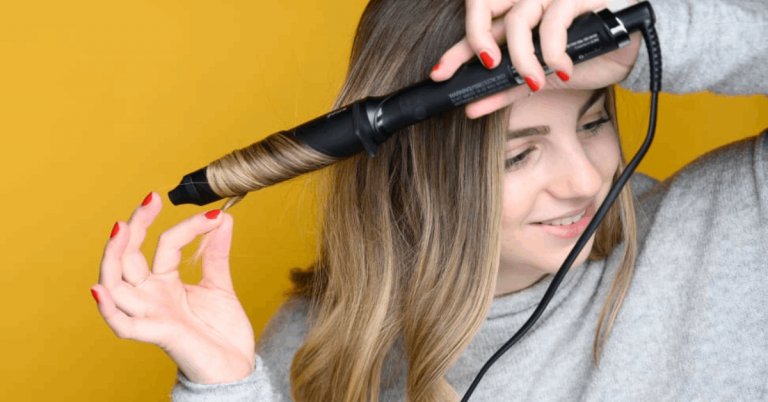
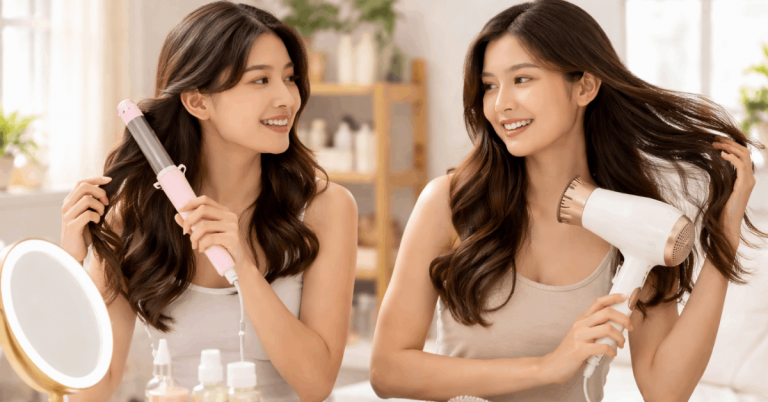
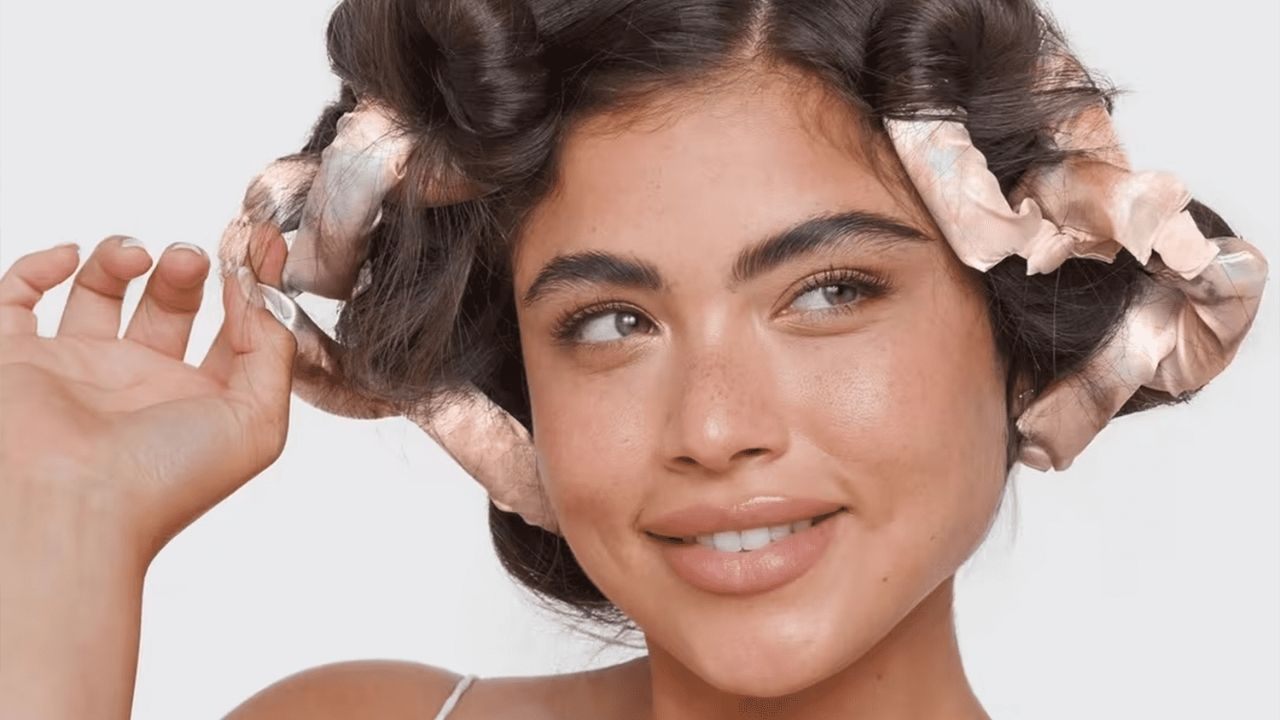
Heatless styling lets beginners practice sectioning and shape without worrying about high temperatures. A satin curling rod or similar set can create soft texture with lower heat stress during busy routines.
Set Hair When It Is Slightly Damp
Hair should be damp enough to form around the rod but not wet enough to stay moist overnight. Part it into sections, then wrap each one with even tension from front to back.
Secure ends gently and leave room around the scalp so the set remains comfortable. This gives more even waves, less tension, and a natural-looking result.
Clean and Store the Set Between Uses
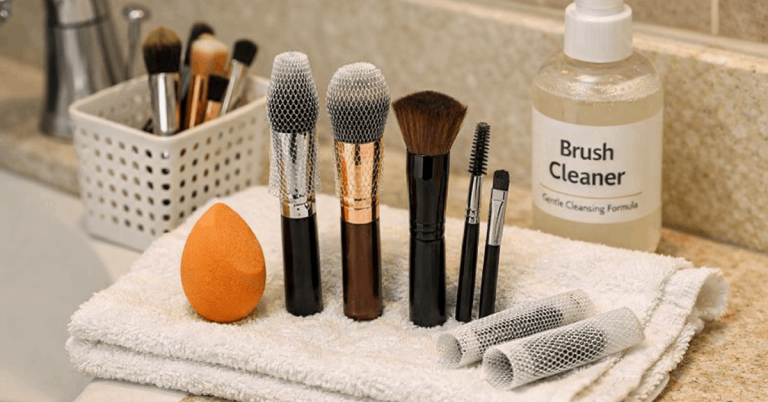
Wipe away styling cream or hair oil after the set is removed. Follow fabric-care instructions for satin pieces, then let every part dry before placing it into a pouch or drawer.
Keep it away from loose pins, sharp clips, and dusty storage bins. This protects smooth fabric, cleaner hair contact, and consistent results.
Also Read: How To Clean And Maintain Beauty Tools: Practical Methods That Actually Work
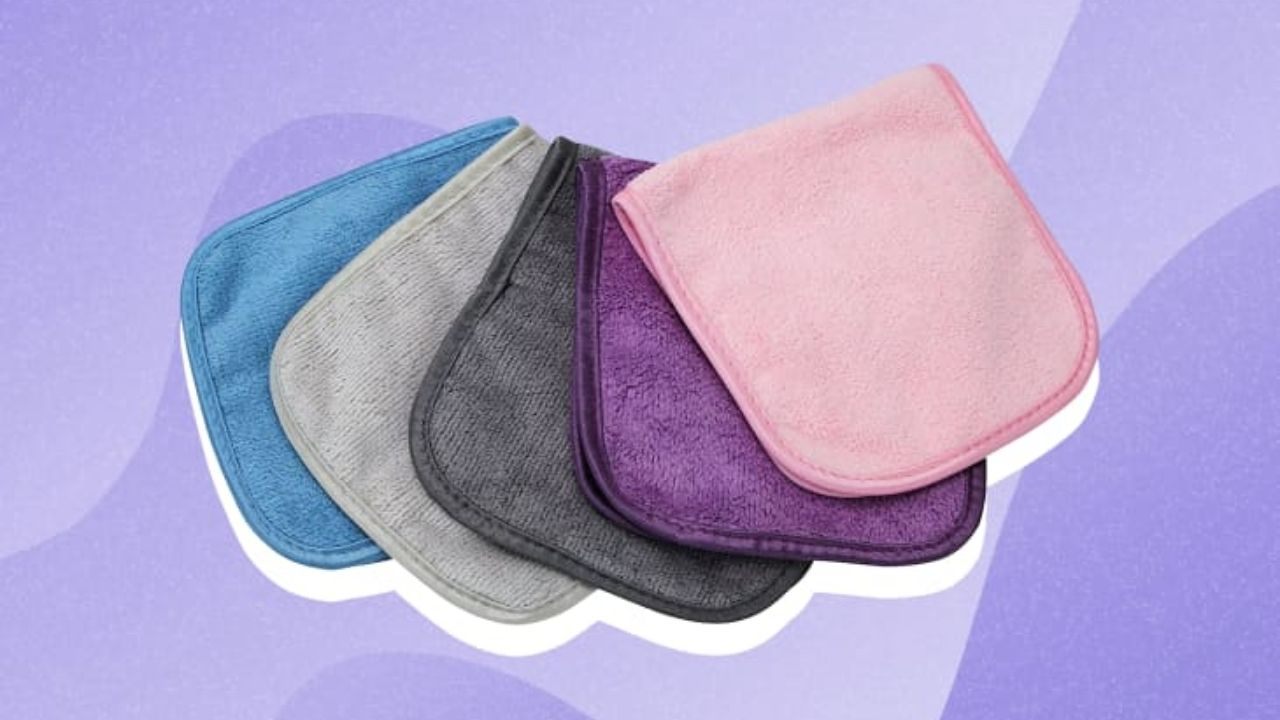
Make Makeup Removal Gentler With Reusable Cloths
A soft cloth can simplify evenings when you need to remove light makeup or sunscreen without disposable wipes.
Choose reusable makeup-remover cloths that can be washed and used again, then keep pressure light around the eyes and mouth.
Use the Cloth as a First Step
Wet the cloth with warm water so it glides instead of catching on dry skin. Press it briefly over mascara, lipstick, or foundation, then wipe with small, gentle motions.
Follow with a cleanser if you wore heavy makeup, long-wear sunscreen, or need a complete wash. This reduces unnecessary rubbing, leftover residue, and rushed bedtime care.
Keep a Clean Rotation Ready
Rinse the cloth after use so makeup does not dry deep into the fibers. Wash it as directed, let it dry fully, and place it with other clean cloths rather than leaving it on the counter.
Keep a separate basket for used pieces if you prefer to wash several together. This supports better hygiene, less laundry confusion, and a cleaner routine.
Use Gentle Nail and Foot Tools
Small grooming tools are useful when they maintain comfort instead of chasing perfect results. Focus on controlled movement and regular upkeep so you do not overwork nails or skin.
File Nails With an Etched Glass File
Use a glass file on clean, dry nails and choose a soft square or rounded shape. Move in one direction with light strokes, then pause to check the edge before continuing.
Avoid aggressive back-and-forth filing because it can leave nails rough or thin. This creates smoother edges, less peeling, and an easy weekly habit.
Use a Callus Tool for Light Maintenance
A rechargeable callus remover can smooth rough heels or the ball of the foot gradually. Use it on clean, dry feet, keep it moving, and stop early to check how skin feels.
Apply moisturizer afterward instead of trying to remove every rough patch in one session. This supports gradual smoothing, less sensitivity, and better comfort in shoes.
Know When Foot Care Needs a Pause
Do not use a foot tool on broken skin, open cracks, redness, burning, or painful areas. People with diabetes, reduced circulation, or nerve problems should seek guidance from a qualified clinician before using home foot tools.
Stop if the area becomes sore or more irritated after a session. These limits protect skin safety, sensible care, and healthier feet.
Conclusion: Keep Your Kit Small and Repeatable
Entry-level beauty tools work best when they fit into routines you already understand. Choose one gentle tool at a time, clean it before buildup hardens, and store it where it can dry.
Focus on progress rather than perfect results while you learn the right pressure and timing. With simple maintenance, comfortable tools, and steady use, home care can feel practical, safe, and easy to continue without requiring perfect technique, expensive products, or extra time daily.