Half your bathroom drawer is probably filled with hair tools that worked once, looked great on TikTok, and now just collect dust. That frustration has a pattern to it.
The phrase beauty tools that work for most hair types gets tossed around on packaging like it means something. Often, it means the tool was designed for straight hair and tested on everything else as an afterthought.
Finding tools that perform across textures comes down to specific design details. Adjustable heat, bristle flexibility, and material choice matter far more than the label on the box.
This breakdown covers brushes, combs, heat tools, scalp care, and accessories that hold up across straight, wavy, curly, and coily hair. No fluff. Just what works and why.
Which Brushes Work on All Hair Textures?
Brushes are the first thing people grab, and the first thing they get wrong. A brush that glides through straight hair can rip through curly strands and cause breakage in seconds. The difference comes down to bristle type, surface area, and flexibility.
Paddle Brushes for Detangling
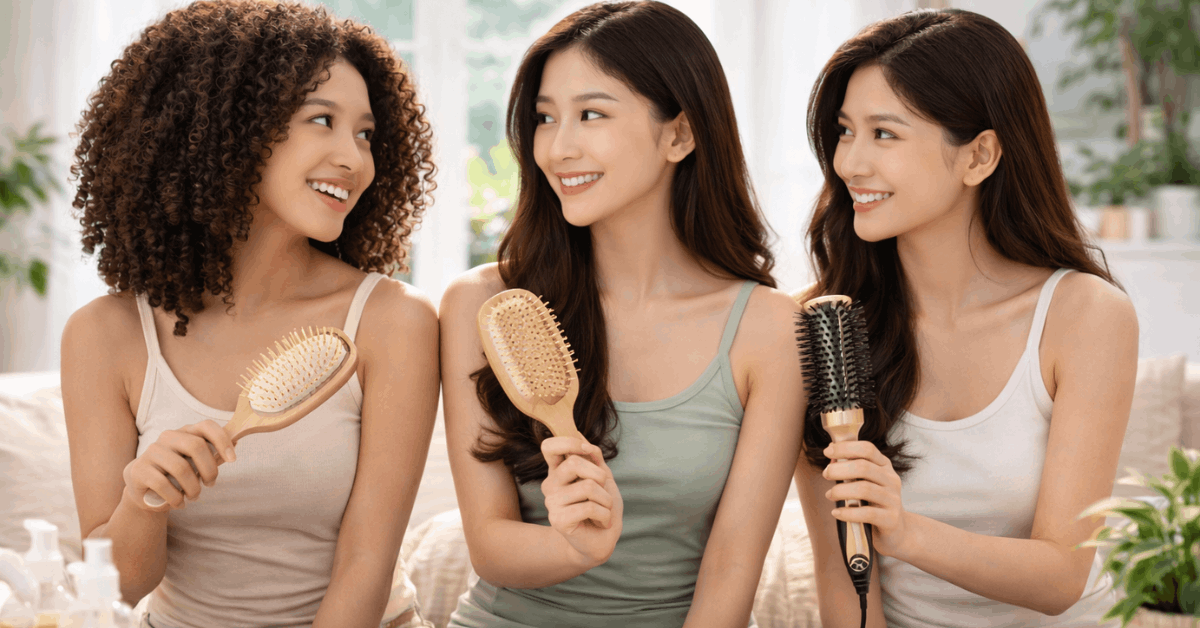
A paddle brush is wide, flat, and covers more surface area per stroke. It works on wet and dry hair, straight through wavy. The broad design reduces tension and minimizes pulling.
For thicker hair, a paddle brush can cut detangling time significantly. Just don’t force it through tight curls. Start at the ends and work upward in small sections.
Boar Bristle Brushes for Smoothing
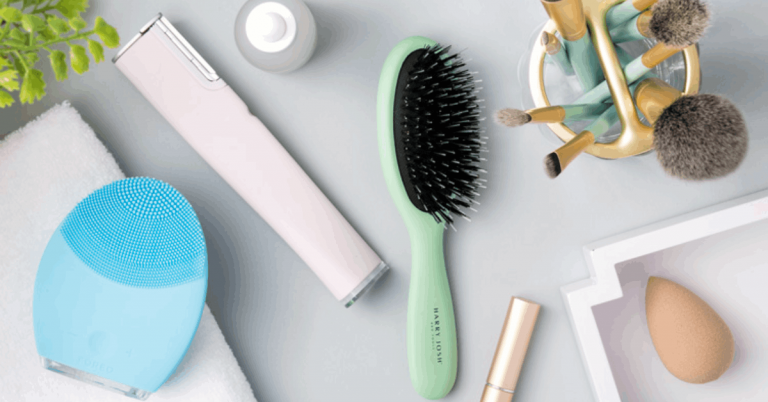
Boar bristle brushes distribute natural oils from the scalp down the hair shaft. This reduces frizz and adds shine without any product. They work best on fine to medium textures for daily smoothing.
One underrated benefit: using a boar bristle brush regularly can reduce scalp oiliness over time. The bristles help move sebum away from the roots, which means less frequent washing.
Flexible Detangling Brushes
A good detangling brush has flexible bristles that bend around knots instead of pulling through them. This matters after showers, conditioning treatments, or any time hair is wet and vulnerable.
These brushes reduce hair loss during styling and work across straight, wavy, and curly textures. I think the Allure detangling brush guide is a solid starting point if you want to compare specific models side by side. Look for designs that avoid static bristle rows and use staggered patterns instead.

Best Combs for All Hair Types
Combs give more control than brushes for sectioning, product distribution, and detail work. A few types stand out because they handle multiple textures without causing damage.
Wide-Tooth Combs
The wide-tooth comb is the workhorse for wet hair and deep conditioning. The spacing between teeth prevents breakage in curly or thick strands and helps distribute conditioner or masks evenly.
Every hair care routine benefits from having one of these. Period.
Rake Combs and Tail Combs
A rake comb has larger, widely spaced teeth that move through thick, curly, or coily hair without snapping strands. It reduces shrinkage during air drying and pairs well with leave-in treatments.
Tail combs serve a different purpose: precision. The narrow end creates clean parts and sections for braiding, heatless styling, or pinning. They work on any hair type because the job is structural, not textural.
Heat Tools: Where the Real Mistakes Happen
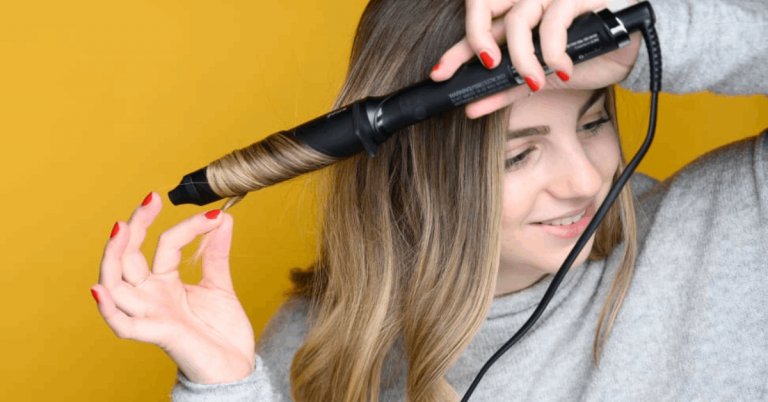
Heat tools cause the most damage when they lack adjustable temperature controls. A single-heat flat iron running at 450°F on fine, color-treated hair is a recipe for dryness and breakage. The fix isn’t avoiding heat tools. The fix is choosing the right ones and using proper settings.
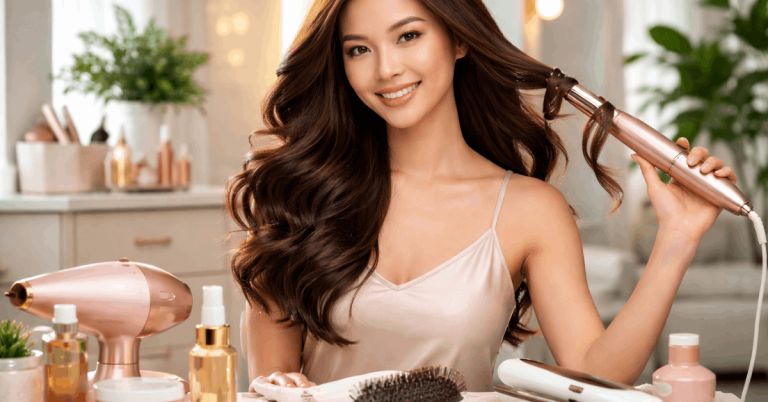
Adjustable Flat Irons vs. Ceramic Curling Wands
| Feature | Adjustable Flat Iron | Ceramic Curling Wand |
|---|---|---|
| Heat Range | 250°F to 450°F (adjustable) | 250°F to 410°F (adjustable) |
| Best For | Straightening, smoothing all textures | Curls and waves on medium to thick hair |
| Plate/Barrel Material | Ceramic or tourmaline | Ceramic (even heat distribution) |
| Damage Risk | Low with correct temp setting | Low with heat protectant |
| Fine Hair Setting | Below 300°F | Below 300°F |
Ceramic and tourmaline materials distribute heat more evenly, which prevents hot spots that scorch individual strands. Avoid any model without temperature control.
Also read: How to Identify Low-Quality Beauty Tools
Why a Hair Dryer Should Be Your First Heat Tool Purchase
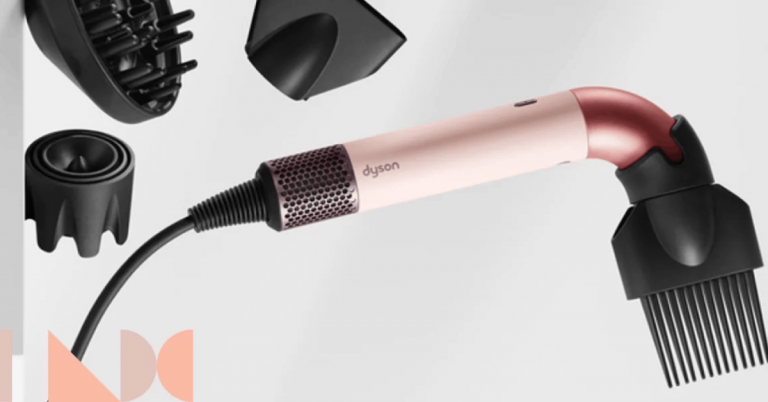
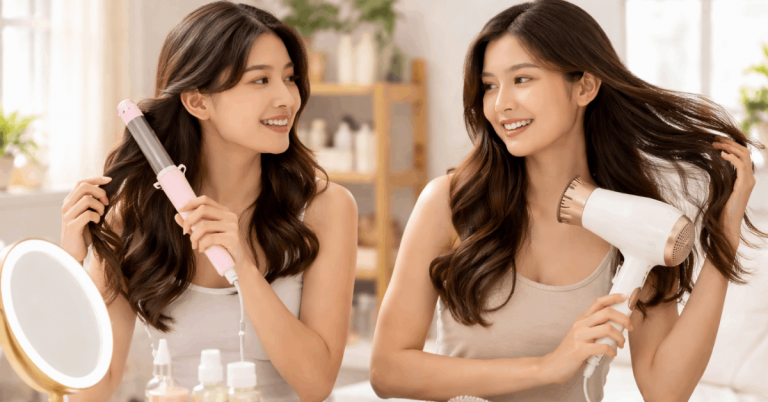
I think the common advice to invest in a flat iron first is wrong, especially for anyone with wavy, curly, or coily hair. A quality infrared hair dryer with a diffuser attachment will get used five times more often than a flat iron.
Infrared dryers preserve moisture, reduce frizz, and dry hair faster, which matters when thick or coily hair can take over an hour to air dry.
A diffuser attachment spreads airflow over a wider area, which prevents curls from separating or losing definition. A concentrator nozzle works for straight or wavy styles that need directed smoothing. One tool, two attachments, and it covers everything from wash day to quick touch-ups.
For safety and selection tips on dryers, the Cleveland Clinic’s hair dryer guide breaks down heat damage risks clearly.
Scalp Health Tools That Pair with Any Routine
Healthy hair starts at the scalp, but most tool guides skip this category entirely. These tools work behind the scenes and take less than two minutes to use.
Scalp Massagers and Applicator Bottles
Scalp massagers increase blood flow and help clear product buildup. They’re safe for daily use on oily or dry scalps, and they work during shampooing or as a standalone step. Simple, cheap, effective.
Dropper and applicator bottles control how much oil or treatment reaches the roots. They prevent product overload at the crown and let you target dry patches or flaky areas. This kind of precision reduces waste and keeps the scalp balanced.
Heat Caps for Deep Treatment
A heat cap fits over the head during deep conditioning and helps the hair absorb product faster. It works well for damaged, dry, or color-treated hair. Most reusable heat caps last several months with proper storage.
Pair one with a moisturizing mask once a week. The difference shows up after the second or third use.
Hair Accessories That Prevent Damage
Accessories get overlooked, but the wrong hair tie can cause as much breakage as a bad brush. A few small swaps can protect hair between washes and overnight.
The accessories worth keeping on hand include:
- Satin or silk scrunchies reduce friction and pulling, which prevents breakage during sleep or casual updos
- Seamless soft hair bands without metal or rubber parts prevent tension headaches and snapping, especially during workouts
- Adjustable shower caps with lined seals protect blowouts and styled hair from steam and humidity between washes
These are inexpensive items. But they do more cumulative good than most $40 styling tools sitting in a drawer.
Picking Tools That Suit Multiple Hair Textures
Knowing which tool to buy matters less than knowing what to look for inside the tool. Three factors separate a multi-texture tool from one that only works on straight hair.
Material and Build Quality
Ceramic, tourmaline, and flexible plastics are the safest materials across hair types. Harsh metals and stiff bristles cause snags, hot spots, and static. Quality tools feel smoother on contact and last longer before needing replacement.
Adjustable Settings Are Non-Negotiable
Any heat tool worth buying has multiple temperature settings. Fine hair needs temperatures below 300°F. Coarse hair can handle 380°F to 420°F. A single-temperature tool forces every hair type into the same setting, and that’s where damage starts.
Speed settings matter on dryers, too. Low speed with medium heat works for curly and coily textures. High speed with low heat works for fine or thin hair.
Common Mistakes That Cause Breakage
A few habits cause more damage than bad tools:
- Applying high heat to fine or color-treated hair without adjusting the temperature
- Brushing wet hair with narrow-tooth brushes instead of wide-tooth combs
- Using hair ties with metal clasps that pull and snap strands
- Skipping brush and tool cleaning, which causes product buildup and scalp irritation
Clean your tools weekly with mild soap and warm water. Replace brushes when bristles start fraying or falling out. Store heat tools with cords wrapped loosely, not tightly wound. Let everything cool before putting it away.
Questions People Ask About Beauty Tools for All Hair Types
Q: Do I need different brushes for wet and dry hair? Generally, yes. A detangling brush with flexible bristles works best on wet hair, while a paddle or boar bristle brush suits dry styling. Using the wrong brush on wet strands increases breakage because wet hair stretches more and snaps more easily.
Q: What temperature should I set my flat iron to for fine hair? Stay below 300°F. Fine and color-treated hair burns faster than thick or coarse textures. A single pass at 280°F with a ceramic flat iron does more than three passes at 400°F with a cheap metal one.
Q: Are boar bristle brushes safe for curly hair? They can work on loose curls when used on dry hair for smoothing, but they’re not ideal for tight curls or coily textures. A wide-tooth comb or detangling brush handles those patterns better because the bristles don’t snag.
Q: How often should I replace my hair tools? Replace brushes when bristles fray, bend, or fall out. Heat tools should be swapped if they develop uneven hot spots or the coating starts peeling. A well-maintained ceramic flat iron or dryer can last two to three years.
Q: Can one hair dryer work for all hair types? A dryer with adjustable heat and speed settings plus both diffuser and concentrator attachments can handle everything from coily wash-day drying to straight-hair blowouts. The attachments and settings do the adapting, not the motor.
Conclusion
The right beauty tools for multiple hair types share the same traits: adjustable settings, quality materials, and simple design.
Spending more on fewer tools beats filling a drawer with ones that half-work. A good dryer, a detangling brush, a wide-tooth comb, and satin scrunchies cover about 80% of daily styling needs. Start there, and add only what your specific routine demands.