Spending $80 on a curling iron that barely wraps around your pixie cut feels like a personal betrayal. That frustration almost always comes down to one overlooked detail: matching tools to hair length.
The wrong barrel size or brush width can turn a 10-minute routine into a 40-minute battle. And the damage adds up faster than anyone talks about.
Picking hair tools based on hair length sounds simple enough. But barrel widths, plate materials, and bristle types all shift depending on whether your hair hits your chin or your waist.
This guide breaks down exactly which brushes, irons, and dryers work at each length, along with the material and sizing details that matter when you’re standing in the store aisle.
Why Hair Length Changes Everything About Tool Performance
A 1.5-inch curling barrel on a pixie cut does nothing. A mini flat iron on waist-length hair wastes 30 minutes. The relationship between tool size and hair length is the single biggest factor in whether your styling routine works or fails.
Longer hair needs larger surface contact for even heat distribution and full coverage. Shorter hair demands precision and smaller contact points so the tool can grip close to the roots without burning your scalp.
Short, Medium, and Long: Where Do the Lines Fall?
Short hair sits above the chin. Think pixies, crops, and close-cut bobs. Medium hair falls between the chin and shoulders: lobs, layered shoulder cuts, standard bobs. Long hair is anything past the shoulders, including layered or thick ends.
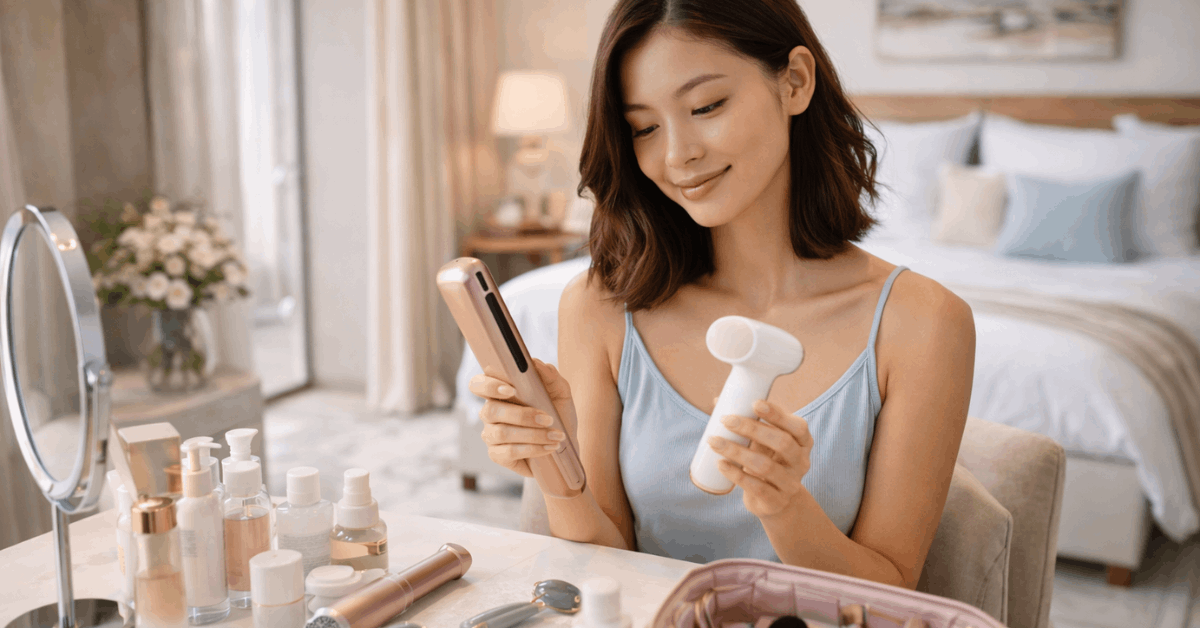
These categories matter because every tool recommendation changes at each boundary. A round brush that works perfectly on a lob will feel oversized on a pixie and undersized on hip-length hair.
Universal Tools Are a Marketing Shortcut
Some tools claim to work across all lengths: vented brushes, basic blow dryers, adjustable-temperature flat irons. And sure, a blow dryer is a blow dryer.
But flat irons, curling wands, and round brushes should never be “one-size-fits-all” purchases. A 1-inch flat iron marketed as universal will take forever on long, thick hair and feel clunky on a cropped cut.

I think the idea of universal styling tools is one of the biggest traps in hair care, specifically because a 1-inch ceramic flat iron needs 6+ passes on thick, long sections compared to 2 passes on a proper wide-plate titanium iron.
Always match plate width, barrel diameter, and brush circumference to how your hair sections sit when clipped.
Best Tools for Short Hair Styling
Short hair is all about compact, precise tools that can reach the root line without fumbling. Large-barrel anything on a pixie cut is a waste.
Brushes That Work on Short Hair
Small round brushes (under 1 inch in diameter) give the best results on pixie cuts and crops. They grip short sections without pulling, and they add crown volume during blow-drying. Paddle brushes with shorter bristles smooth short layers and work well for quick morning routines.
Avoid large round brushes on short hair. The barrel can’t grip enough hair to create tension, so the brush just spins freely and does nothing productive.
Heat Tools Sized for Cropped Cuts
Mini flat irons with narrow plates (around 0.5 to 0.75 inches) are the right fit for precision touch-ups on short hair. Their small size lets them get close to the root and work tiny sections without awkward angles.
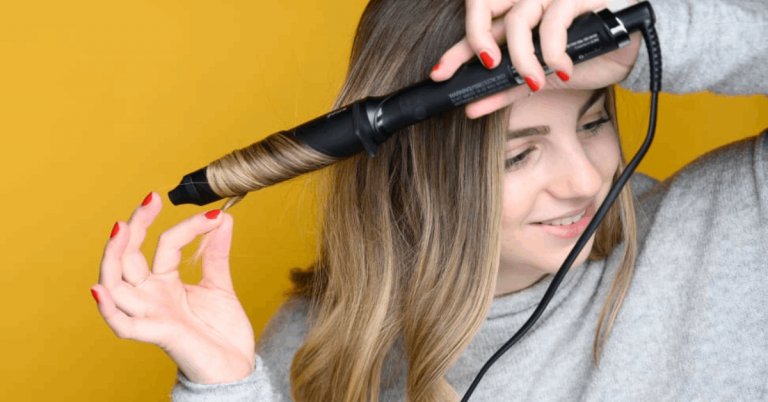
Small barrel curling wands (0.5 to 0.75 inches) create tight curls or add texture to cropped cuts. One thing to watch: lower heat settings matter more on short hair because the tool sits closer to the scalp. Set a temperature ceiling around 350°F for fine short hair.
Dryers and Accessories for Short Styles
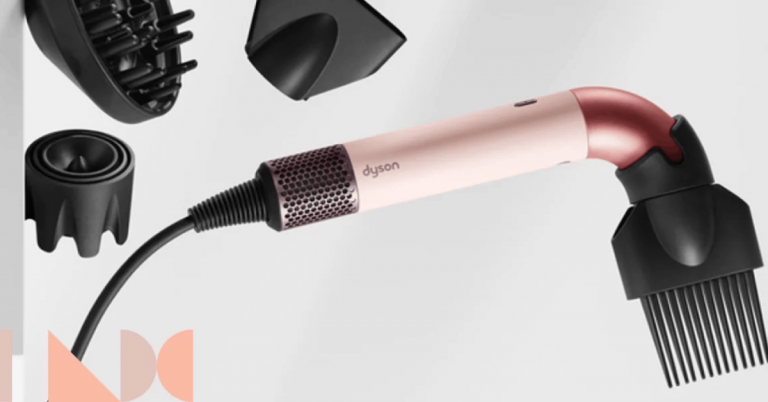
A blow dryer with a narrow concentrator nozzle directs airflow precisely, which gives shape to short cuts and reduces frizz. Skip the diffuser on pixie cuts. It doesn’t have enough hair to diffuse.
Small sectioning clips beat large jaw clips on short hair. Big clips slide off or tangle fine, short strands.
Best Tools for Medium-Length Hair
Medium-length hair (chin to shoulders) gives the most styling flexibility of any length. The right tools let a single cut swing between sleek and voluminous looks in the same week.
Brushes for Lobs and Shoulder-Length Cuts
Medium round brushes (about 1.5 inches) add bounce and root lift during blow-drying. They’re the sweet spot for layered cuts. Vented brushes cut drying time and work well for quick-prep mornings when a full blowout isn’t the goal.
The round brush size matters here more than people realize. Go too small and the curl sits too tight. Go too large and the brush won’t create enough tension to smooth the mid-lengths.
Flat Irons and Curling Irons for Medium Hair
A 1-inch flat iron with ceramic plates provides the best balance of control and speed at this length. The ceramic distributes heat evenly, which reduces the number of passes needed.
Curling irons between 1 and 1.25 inches create beachy waves or polished curls on medium hair. Mid-range heat (around 350°F to 380°F) works for most textures at this length. Going higher rarely improves the curl, and it does increase breakage.
Dryer Attachments That Matter
A diffuser works well at this length if the hair has any natural wave or curl. It adds volume without blasting frizz everywhere. Adjustable heat settings let the tool handle both thick sections near the nape and finer pieces around the face.
Avoid using max heat every day. Reserve it for occasional deep styling sessions.
Also read: How to Choose Tools Based on Hair Length
Best Tools for Long Hair Styling
Long hair needs wider tools, stronger motors, and frizz-control features. Anything undersized will add 20 minutes to a routine and cause uneven results.
Brushes Built for Length
Wide paddle brushes detangle large sections before and after washing. They cover the most surface area per stroke, which matters when there’s a lot of hair to manage. Boar bristle brushes distribute natural oils from root to tip, adding shine and reducing static on long hair.
A common mistake: using a small round brush to blow-dry long hair section by section. It works, but it takes three times longer than necessary. A larger barrel round brush (2 inches or more) cuts the time.
Heat Styling for Long Sections
This is where the material conversation gets interesting. I think ceramic flat irons are overrated for long, thick hair because ceramic plates need multiple slow passes on thick sections, while a titanium flat iron heats faster and straightens in fewer passes, reducing cumulative heat exposure.
That goes against what every beauty blog recommends, but the math on total heat contact time favors titanium for anyone past shoulder length with dense hair.
Large curling barrels (1.5 inches or more) give soft, full-body waves and cut styling time compared to wrapping long sections around a narrow wand.
Dryers and Finishing Tools for Long Hair
Ionic blow dryers break down water molecules faster, which means shorter drying time and less frizz. On long hair, drying time can eat up 20+ minutes, so ionic technology makes a real difference.
Look for a cool shot button. A blast of cold air after heat styling seals the hair cuticle, which locks in the style and adds shine. This step takes 10 seconds and most people skip it.
Hair Tool Materials: Ceramic vs. Tourmaline vs. Titanium
The material of a heat tool changes how it performs on different hair types. Picking the wrong material is almost as wasteful as picking the wrong size.
| Feature | Ceramic | Tourmaline | Titanium |
|---|---|---|---|
| Heat distribution | Even, gradual | Even, with static reduction | Fast, high output |
| Best hair type | Fine to medium | Frizz-prone, medium | Thick, coarse |
| Best hair length | Short to medium | All lengths | Medium to long |
| Durability | Moderate | Moderate to high | High |
Titanium tools suit anyone who needs speed and has thick hair that resists lower temperatures, while ceramic and tourmaline work better for finer textures that need gentler heat.
Common Hair Tool Mistakes (and How to Dodge Them)
Getting the right tool means nothing if the usage habits are off. A few specific errors show up over and over.
Matching barrel or plate width to hair length is the first checkpoint. Large barrels on short hair create no curl. Small irons on long hair triple the styling time. Refer to the length categories above and size the tool to your cut, not to whatever the store puts on sale.
Cheap dryers with no heat adjustment tend to overheat and blast unevenly. This causes dry ends and breakage at the mid-shaft. Adjustable heat and airflow controls are non-negotiable features worth paying for.
Bristle choice matters too. A few things to keep in mind:
- Nylon bristles work best for detangling wet or damp hair
- Boar bristles smooth and distribute oils on dry, long hair
- Mixed bristle brushes (nylon and boar) work for medium-length hair that needs both grip and smoothing
- Metal bristles on round brushes heat up during blow-drying and can burn fine hair if the dryer temp is too high
Replace brushes every 6 to 12 months. Check flat iron plates and curling wand barrels for scratches or coating chips. A scratched ceramic plate drags on hair and causes snags. Discard damaged tools immediately.
A few more care habits that extend tool life:
- Remove hair strands from brushes after every use
- Clean brush pads weekly with warm water and mild soap
- Never wrap cords tightly around hot tools
- Store heat tools in a cool, dry space after they’ve fully cooled down
The American Academy of Dermatology has solid guidelines on heat styling precautions, and Sally Beauty carries a wide range of length-specific tools if you want to compare sizes before buying.
Questions People Ask About Hair Tools Based on Hair Length
Q: Can I use the same flat iron for short and long hair?
A 1-inch flat iron can technically work for both, but it’s slow on long hair and bulky on pixie cuts. If your hair changes length often, a 1-inch plate is the safest middle ground, but expect compromises at both extremes.
Q: What size curling iron barrel is best for medium hair?
A 1 to 1.25-inch barrel hits the sweet spot for chin-to-shoulder length. Smaller barrels create ringlets that look disproportionate on medium cuts, and larger ones barely hold a wave.
Q: Does brush material matter as much as brush size?
Size matters more for styling results, but material matters for hair health. Boar bristle on wet, short hair pulls and snags. Nylon on dry, long hair doesn’t distribute oils. Match both size and bristle type to your length and styling stage (wet vs. dry).
Q: How often should I replace my heat styling tools?
Check plates and barrels every 6 months for chips or scratches. A damaged coating creates hot spots that burn sections unevenly. Brushes should be replaced every 6 to 12 months depending on how much product buildup they collect.
Q: Are ionic dryers worth it for short hair?
Ionic dryers help more on medium and long hair where drying time is a real problem. On short hair, the difference is minimal because the hair dries fast anyway. A concentrator nozzle matters more for short cuts than ionic technology.
Conclusion
The right styling tool should feel like it was built for your exact cut, not like a compromise. Barrel size, plate width, and bristle type all shift as hair length changes.
Matching tool dimensions to your current length saves time, reduces heat damage, and makes styling results predictable. Stop buying tools based on brand hype and start buying based on the hair sitting on your head right now.